10 Hidden Germ Hotspots in Your Home You’re Probably Missing
When I walk into a home, I can almost tell which surfaces carry the most germs without touching anything. It’s never the places we expect. It’s the quiet spots you and I reach for a dozen times a day without thinking — the faucet you turn on half-asleep, the light switch you hit on your way out, the phone you tap while snacking. These aren’t dirty in the obvious sense, but they’re where bacteria and viruses settle, survive, and spread the fastest.
Most people clean their homes based on what looks messy. But germs don’t work that way. They cling to smooth materials like plastic and steel for days, even after the surface looks spotless. That’s why the biggest risk often hides in the “cleanest-looking” areas. And if someone in the house has a cold, flu, or stomach bug, these same touchpoints can quietly pass it to everyone else.
My goal in this guide is simple: show you the ten high-touch spots that matter most, explain why they collect germs so easily, and give you practical ways to keep them safer without adding hours of work. These are small habits, not huge chores — the kind that make a real difference in how often your family gets sick.
Before we dive in, I want you to take a quick mental scan of your own home: Which surfaces do you touch the most between morning and night? You’ll be surprised how many of them show up on this list.
Are you ready to see which spots in your home deserve more attention?
Why These Are “Germ Hotspots in Home”
When I talk about “germ hotspots in your home,” I’m not trying to alarm you — I’m helping you understand why certain surfaces quietly collect microbes even when they look clean. A germ hotspot is simply a place you and I touch often throughout the day. In science, these surfaces are called fomites — objects that can carry and transfer germs between people. If you’ve ever grabbed your phone while cooking or touched a faucet right after sneezing, you’ve already seen this transfer in action.
What makes these hotspots risky isn’t visible dirt. It’s survival. Germs — including bacteria, viruses, and fungi — stay alive on common materials far longer than most people assume. Viruses can persist on smooth surfaces like plastic or stainless steel for hours or even days, especially when tiny droplets dry and leave behind a protective layer. So even when a surface looks “clean,” the microbes may still be there.
Another thing you and I need to be clear about: cleaning is not the same as disinfecting.
- Cleaning removes dust, crumbs, and smudges
- Disinfecting actually kills germs
Most people clean what looks messy and unintentionally ignore the places that matter most for health.
In the next sections, I’ll walk you through:
- The top 10 surfaces that collect the highest level of germs
- Why these everyday spots become hotspots so quickly
- Practical ways to clean and disinfect them without adding stress or extra work
- Simple preventive habits that reduce germ spread before it starts
Once you understand these basics, it becomes much easier to protect your home — and you won’t waste time cleaning the wrong places. Ready to move into the first hotspot?
The Top 10 High-Touch Germ Hotspots

1. Kitchen Sponges & Dishcloths
If there’s one place I want you to focus on first, it’s this. Sponges stay damp, hold food particles, and have tiny pores where bacteria multiply fast. That’s why several studies rank them among the germiest household items
Why it’s risky:
- Always moist
- Porous surface traps microbes
- Used across multiple areas, spreading contamination
How to clean/disinfect:
- Soak in hot water with vinegar or a bleach solution
- Use the microwave method only if the sponge is microwave-safe
- Replace regularly
Habit tip:
- Replace weekly
- Keep separate cloths for dishes vs surfaces. If you want a deeper look at how germs build up in kitchen areas you might be overlooking, you can read my guide on 9 hidden germ havens in your kitchen and how to clean them fast.
- Always rinse and wring well after use
2. Kitchen Sink & Faucet Handles
Even if the counters shine, the sink often carries the heavier germ load. Food particles, moisture, and constant hand contact encourage bacteria and biofilm formation—especially around drain areas.
Why it’s risky:
- Moisture + food residue
- Biofilm grows around drains
- High-contact handles
How to disinfect:
- Use a food-safe disinfectant
- Scrub the drain area where buildup hides
- Follow proper contact time
Preventive habit:
- Rinse and dry after heavy use
- Disinfect handles daily
- Deep-clean weekly
3. Doorknobs, Drawer & Cabinet Handles
These areas get touched constantly but rarely cleaned. Stainless steel tends to hold germs longer, while copper surfaces naturally reduce microbial survival. Research on copper’s antimicrobial properties shows how effectively microbes break down on copper compared to common household metals.
Why it’s risky:
- Constant hand-to-surface transfer
- Overlooked during regular cleaning
- Smooth surfaces extend germ survival
How to clean/disinfect:
- Use an EPA-approved disinfectant or diluted bleach
- Allow the solution to sit before wiping
Habit tip:
- Daily wipe for high-traffic handles
- Weekly for lesser-used areas
4. Light Switches & Wall Plates
You touch them all day, yet they rarely make it onto anyone’s cleaning list.
Why it’s risky:
- High-touch
- Oils and residue hold microbes
- Easily ignored
Safety cleaning tip:
- Never spray directly onto switches—apply the disinfectant to a cloth first
Habit tip:
- Add switches to your nightly wipe-down routine
5. Electronic Devices (Smartphones, Keyboards, Tablets)
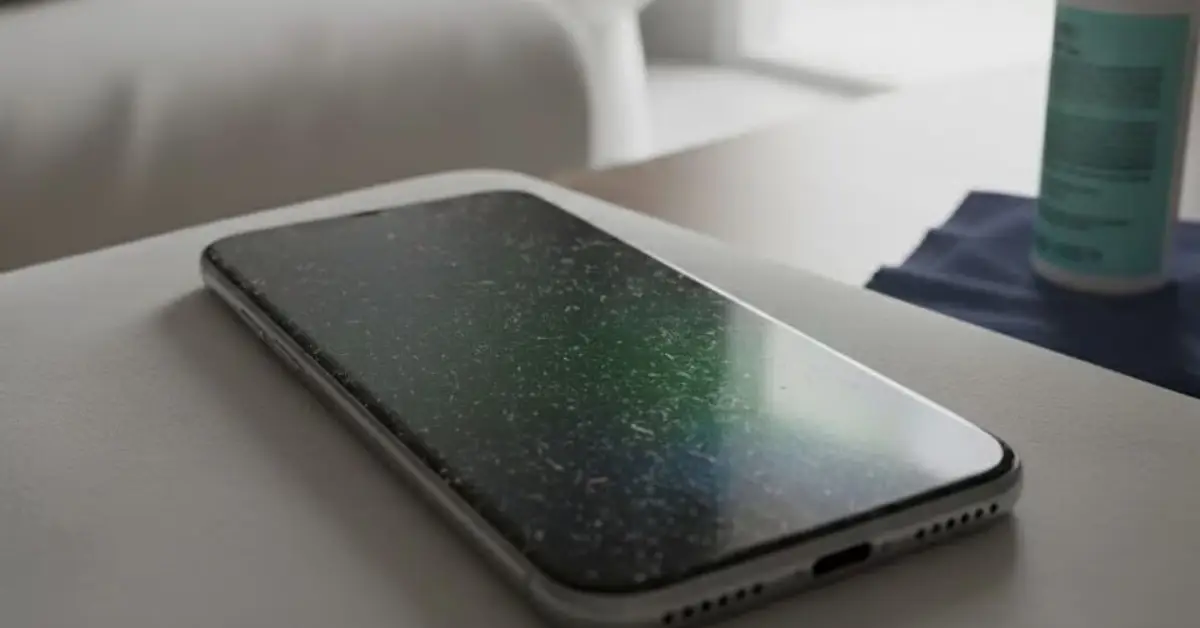
Your phone goes everywhere with you, which is why it often carries more bacteria than a toilet seat. Keyboards, tablets, and gaming devices collect germs in crevices that never get cleaned unless you plan for it.
Why it’s risky:
- Hand → device → face transfer
- Shared use increases exposure
- Warm surfaces collect oils that trap germs
How to clean/disinfect:
- Use ~70% isopropyl alcohol wipes (most manufacturers allow this)
- Remove cases and clean them separately
- Use cotton swabs for small areas
Habit tip:
- Daily wipe
- Avoid sharing devices during illness
6. Remotes & Game Controllers
Everyone uses them, but no one cleans them. The grooves between buttons trap oils, sweat, and bacteria.
Why it’s risky:
- Shared use
- Deep crevices
- Usually skipped during cleaning
How to clean/disinfect:
- Remove batteries
- Wipe with disinfectant
- Swab the tight areas
Preventive habit:
- Disinfect weekly
- Increase frequency if someone is sick
7. Bathroom Faucets, Toilet Handles & Accessories
These areas collect germs before and after you wash your hands, which makes them high-risk. Damp bathroom environments also encourage mold and fungal growth.
Why it’s risky:
- High moisture
- Frequent hand contact
- E. coli and mold commonly found
How to clean/disinfect:
- Use bathroom-grade disinfectants
- Follow full contact time
- Clean the flush handle, towel bar, and toilet paper holder too
Routine:
- Daily wipe-down
- Deep clean during illness. If you want to go even deeper into bathroom trouble spots, I break down the most commonly skipped areas in this guide on 6 hidden bathroom spots you’re probably skipping and how to clean them.
8. Shared Towels, Mats & Textiles
Moist fabrics create the perfect environment for bacteria and fungi to grow. Sharing towels spreads germs fast.
Why it’s risky:
- Dampness encourages growth
- Sharing increases spread
- Mats hold moisture for long periods
How to clean/disinfect:
- Wash towels in hot water
- Use bleach or color-safe oxygen bleach when suitable
Habit tip:
- Wash mats weekly
- Allow towels to dry completely
- Avoid sharing towels
9. Pet Bowls, Toys & Pet-Handled Surfaces
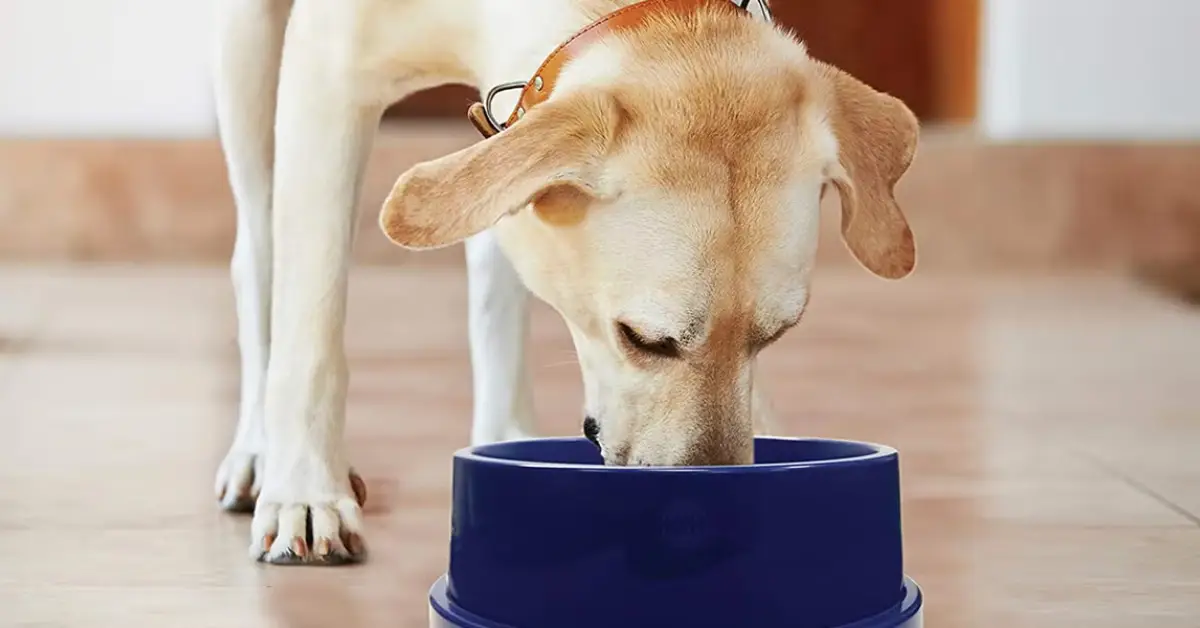
Pets spread germs through saliva, food leftovers, and toys that move from floor to mouth to sofa.
Why it’s risky:
- Saliva bacteria
- Rough toys trap grime
- Scratched plastic bowls harbor microbes
Cleaning:
- Wash bowls daily with hot soapy water
- Put dishwasher-safe bowls through a full cycle
- Clean toys weekly
Preventive habit:
- Use stainless steel or ceramic bowls
10. Stair Railings, Banisters, Handrails
These surfaces get touched dozens of times a day, making them major germ carriers—yet they’re often forgotten.
Why it’s risky:
- High-touch
- Large surface area
- Dust and oils cling to grooves
How to clean/disinfect:
- Wipe from top to bottom
- Use a disinfectant-soaked cloth
Habit:
- Clean weekly
- Increase during flu season or when someone in the home is sick
Beyond Disinfection — Preventive & Structural Measures
Once you’ve started disinfecting the high-touch areas, I want to show you how to reduce how often they get re-contaminated — without making cleaning feel like a never-ending chore. It’s about smarter habits plus some smart upgrades.
Use Antimicrobial Surfaces That Help You
Some surfaces can actually fight germs for you. Copper-alloy materials are one such option — they naturally kill a range of bacteria and viruses on contact. According to a Copper Development Association Inc., copper surfaces can reduce microbial burden by over 99%.
Here’s how you can apply that:
- Swap out doorknobs, cabinet handles, or light switch plates with copper-alloy versions.
- Gradually replace faucet handles or railings in high-traffic areas.
- Even small items like drawer pulls or hooks can make a difference.
These changes don’t require you to clean more — they just make your disinfection more effective in between your regular routines.
Build a Simple, Reliable Germ-Reduction Routine

I don’t believe in making cleaning a massive, dreaded event. Instead, I follow a rhythm that keeps things in check without draining my energy:
Daily (just a few minutes):
- Wipe down handles, switches, and your phone
- Dry any damp hotspots (like the sink or faucet)
Weekly (around 10–15 minutes):
- Deep clean your sponges, drains, remotes, and high-touch electronics
- Wash towels, mats, and pet stuff
When Someone’s Sick:
- Increase how often you disinfect
- Isolate shared items (remotes, devices) if possible
- Replace or sanitize your cloths, sponges more aggressively
This kind of system makes sure you stay ahead of germs without burning out.
Pair Surface Cleaning With Better Air + Ventilation
Cleaning surfaces is powerful — but germs also travel through the air. To cut down on that circulation, I recommend improving your home’s airflow: open a window when you can, run fans, or use an air purifier in common rooms. Good ventilation reduces the chance that microbes recirculate and land right back on your surfaces.
Shift to “5-Minute Daily Rituals” Rather Than Marathon Cleaning
Here’s the mindset that helps me the most: instead of spending an hour scrubbing once a week, I aim for quick, consistent rituals. These tiny habits make a big long-term impact:
- While your coffee brews, wipe kitchen knobs
- Before bed, clean your phone or remote
- After a shower, disinfect bathroom handles
Doing a little bit often keeps the microbial load low — so you don’t have to rely solely on deep cleaning weekends. If you want a quick routine that cuts down germ spread without adding extra work, you can check out my guide on 7 home disinfecting tips you can’t ignore.
Disclaimer: This guide is for general informational purposes only and not a substitute for professional medical, health, or safety advice. Always follow product instructions and consult qualified experts for concerns related to illness, chemical use, or specialized cleaning needs.