10 Easy Tricks to Keep Your Home’s Humidity Perfect This Winter
Winter always seems cozy at first—hot drinks, soft blankets, that warm glow inside your home. But there’s one sneaky thing that can ruin comfort and even affect your health: dry indoor air. I’ve spent years helping people get their homes feeling just right in winter, and one thing I notice again and again is how few actually pay attention to humidity.
Too low, and your skin cracks, your throat feels raw, and even your furniture and wooden floors start to suffer. Too high, and you risk condensation, mold, and that musty smell no one likes. The sweet spot? Most experts, including ASHRAE and CDC guidelines, agree that keeping your home around 35–45% relative humidity in winter hits the balance between comfort, health, and protecting your house.
In this article, I’m going to walk you through 10 practical ways I’ve seen work to maintain that perfect indoor humidity this winter. These aren’t just theory—they’re actionable, realistic steps you can take, whether you have a small apartment or a big house. By the end, you’ll know exactly how to measure, adjust, and maintain humidity so your home feels warm, healthy, and just right.
Way 1: Measure Your Indoor Humidity with a Hygrometer
You can’t fix what you don’t know. That’s why the first thing I always do in any winter home setup is check the humidity with a reliable hygrometer. Without it, you’re basically guessing.
Here’s how I do it:
- Choose the right type: I prefer digital or smart hygrometers that give real-time readings and can alert you if levels drop too low.
- Placement matters: Put it in a central room where you spend the most time, and keep it away from windows, doors, or vents that can skew the reading.
- Track regularly: I check mine weekly—sometimes even daily when temperatures swing.
Pro tip: If you want a trusted reference for optimal indoor humidity ranges and measurement tips, I like checking guides from Filterbuy—they break it down in a way that’s easy to follow.
Way 2: Use a Humidifier Effectively
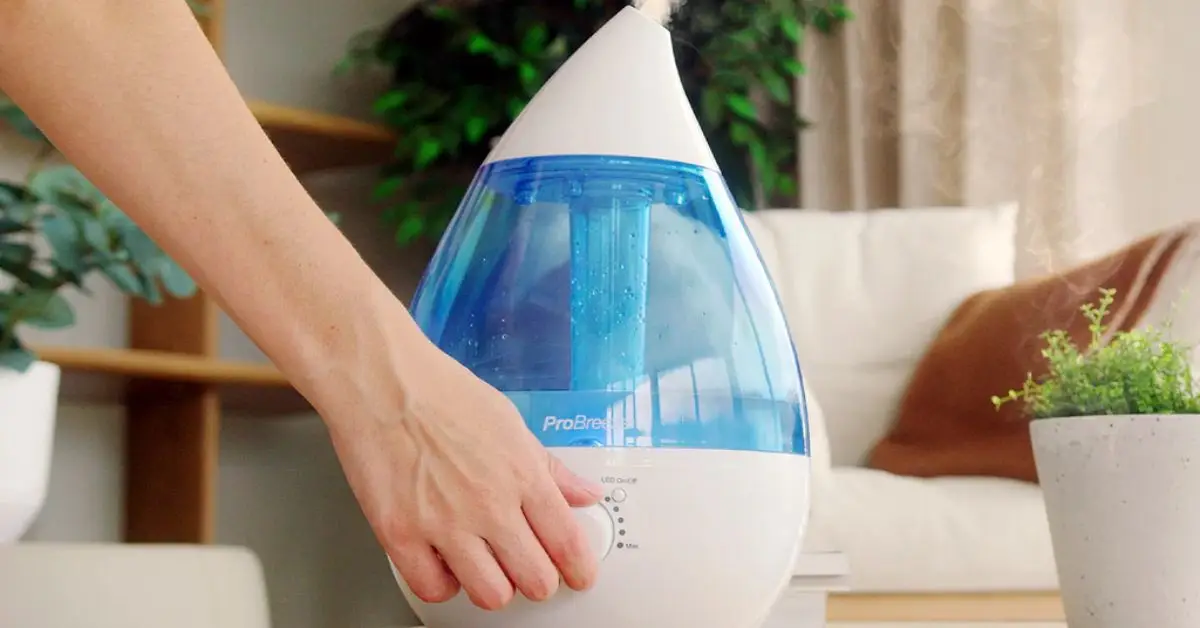
Once you know your levels, a humidifier becomes your best friend. I’ve seen huge differences in comfort when people actually use one correctly.
- Pick the right type: Portable, whole-house, cool mist, warm mist—the choice depends on your space. I usually recommend a cool mist for bedrooms and a whole-house system if your HVAC allows.
- Placement tips: Keep it in the room you use most, away from walls and electronics. This helps the moisture distribute evenly.
- Maintain it: Cleaning is non-negotiable. I’ve read plenty of Reddit discussions warning about mold if you skip maintenance, so I clean my unit at least once a week.
Way 3: Seal Air Leaks and Improve Insulation
Even the best humidifier can’t do its job if dry air keeps sneaking in. I always make sure my home is sealed properly before adding more moisture. Maintaining proper humidity also protects your furniture and delicate items—you can follow these 8 proven secrets to save your vintage pieces from sun, humidity, and bugs.
- Weatherstrip doors and windows: Simple and cheap, but it keeps the cold, dry air out.
- Insulate outlet gaps: Don’t ignore small cracks—they add up fast.
- Draft stoppers: I keep them at the bottom of frequently used doors; it’s an easy win for humidity retention.
Way 4: Add Moisture Naturally Around Your Home
Sometimes the simplest solutions are the most effective—and they cost almost nothing. I like to add moisture naturally in ways that fit my daily routine.
- Houseplants: They release water through transpiration, subtly boosting humidity in the room. I keep a few on my desk and windowsills.
- Indoor clothes drying: Instead of the dryer, I hang clothes inside. You’ll notice the air feels softer after a few hours.
- Steam from cooking and showers: I leave the bathroom door open when safe to do so. The steam helps balance indoor moisture.
- Decorative water trays: Placing shallow bowls near radiators lets water evaporate slowly, adding gentle humidity.
These small habits work together to make a noticeable difference. For more practical tips on eco-friendly humidity boosting, I often reference Condair’s guide on humidity and health—it explains why keeping indoor humidity in the right range is important for your comfort and health.
Way 5: Adjust Your Heating to Preserve Humidity
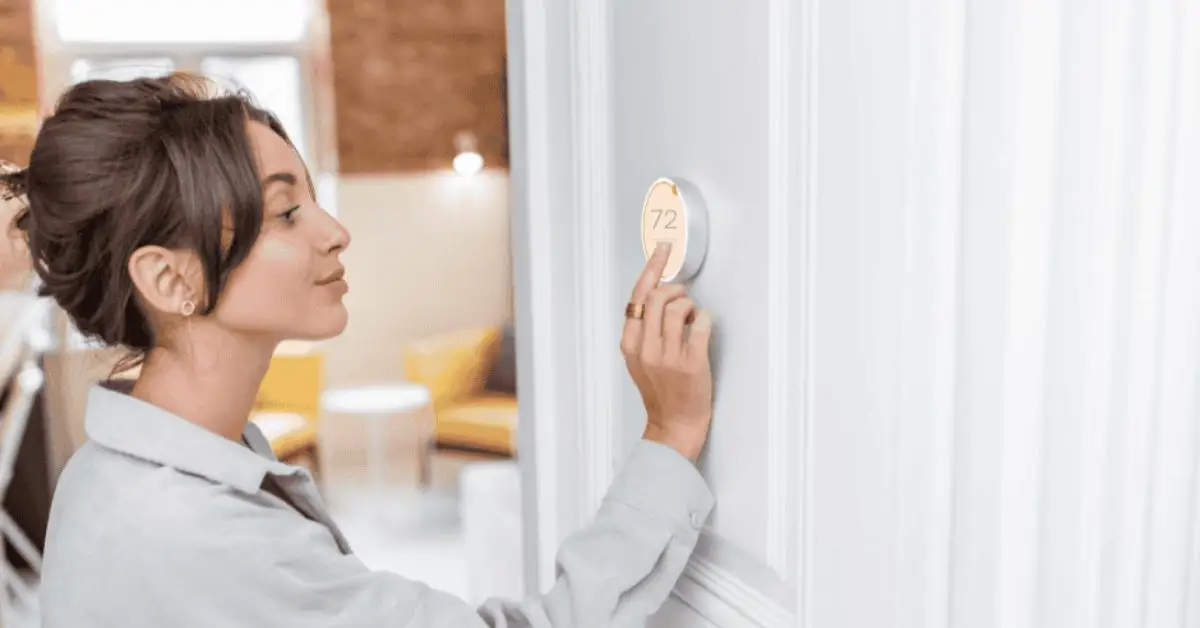
Heating systems are often the culprit behind dry winter air. I’ve learned that small tweaks to how I use heat can make a huge difference. Adjusting your thermostat correctly not only helps maintain humidity but also ensures your home stays cozy for guests throughout the season.
- Lower the thermostat slightly: Even 1–2 degrees can prevent the air from becoming too dry.
- Reverse ceiling fans: If your fan has a winter mode, flipping it clockwise circulates warm air without pushing moisture down too fast.
- Avoid over-ventilation: Opening windows or vents excessively when it’s extremely cold can instantly dry out the air you’ve worked to humidify.
By paying attention to how heat interacts with moisture, you can keep your home comfortable without overloading humidifiers.
Way 6: Use a Dehumidifier When Necessary
It may sound counterintuitive in winter, but sometimes humidity can get too high in certain areas. I use a dehumidifier strategically to prevent condensation and mold.
- Signs it’s needed: Condensation on windows, musty smells, or early signs of mold are red flags.
- Correct placement: Keep it in problem areas like basements or bathrooms, not in already dry living rooms.
- Operation tips: Run it sparingly and check the hygrometer regularly to avoid over-drying the air.
A dehumidifier is really just a safeguard. I rarely use it all winter, but having one ready ensures your home stays in the ideal 35–45% humidity range without guesswork.
Way 7: Monitor and Adjust Humidity Based on Outdoor Temperature
I’ve found that indoor humidity isn’t one-size-fits-all in winter. The colder it gets outside, the more careful you need to be inside to prevent condensation and damage.
- Reduce indoor RH when it’s extremely cold: When the outdoor temperature drops below freezing, keeping indoor humidity too high can cause moisture on windows and walls.
- Use a simple guide: I like following an easy chart—roughly 45% RH at 20°F, 40% RH at 10°F, and 35% RH below 0°F. It keeps your home safe and comfortable.
- Check regularly: Your hygrometer is your friend here; adjust as outdoor temps swing.
For a clear breakdown on how humidity should change with winter temperatures, I often refer to MNCEE’s indoor humidity guide—they provide expert-backed charts and practical advice.
Way 8: Keep Humidifiers Clean and Use Filtered Water
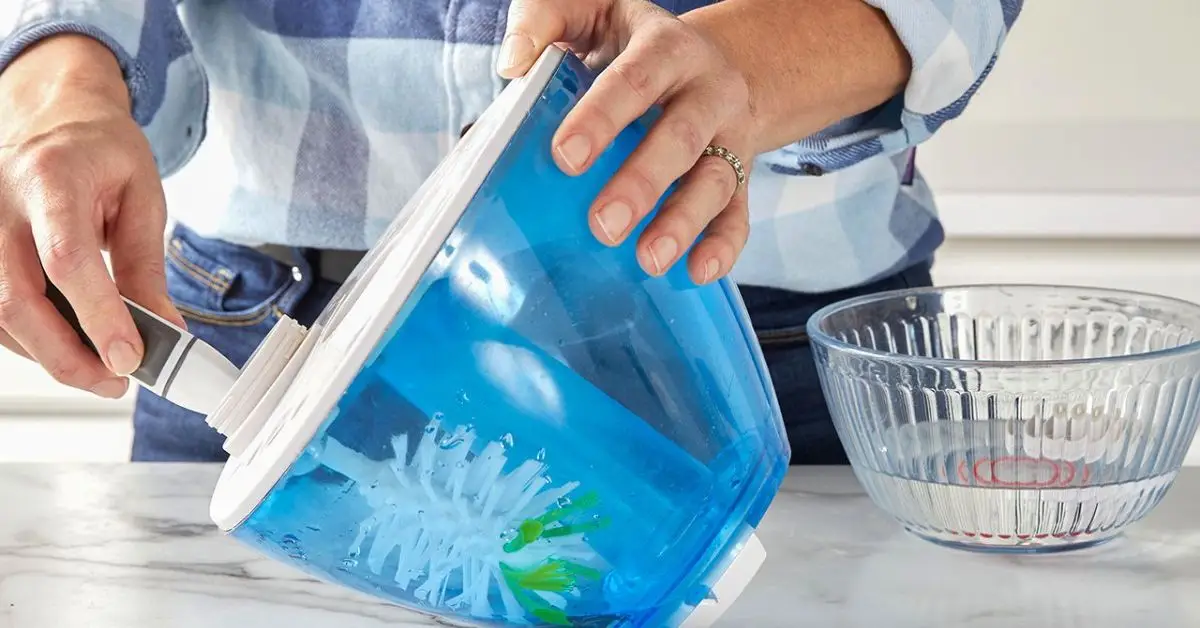
A humidifier is only helpful if it’s clean. I’ve seen far too many people struggle with mold or mineral buildup because they skip this step.
- Cleaning schedule: I clean my units at least once a week, emptying and rinsing all water reservoirs.
- Use distilled or filtered water: Tap water leaves mineral deposits that can create white dust and promote bacterial growth.
- Social proof: On Reddit and Twitter, many users share how weekly cleaning prevents odors and improves air quality.
A clean humidifier means safer air and more consistent humidity. It’s one of the easiest ways to protect your home and your health.
Way 9: Combine Heating and Ventilation Smartly
Heating and humidity go hand-in-hand. I’ve noticed that when people forget ventilation, their humidifiers work twice as hard or fail completely.
- Controlled ventilation: Open vents or windows only when necessary; this prevents dry air from rushing in.
- Humidifier placement: Keep units away from direct heat sources but in areas where warm air circulates. This helps moisture spread evenly without condensation.
Balancing these two factors keeps your home feeling cozy while protecting your walls, furniture, and skin.
Way 10: Track, Adjust, and Avoid Common Mistakes
Even with the best setup, mistakes happen. I always remind myself to track, adjust, and correct before small issues become big ones.
- Avoid over-humidifying: Too much moisture leads to mold, condensation, and that musty smell nobody likes.
- Pay attention to your hygrometer: Don’t ignore readings; they’re your most reliable guide.
- Use filtered water in humidifiers: Hard water increases mineral buildup and reduces efficiency.
- Maintain your equipment regularly: Clean, inspect, and refill on a schedule—consistency is key.
Following these habits keeps your home in the ideal 35–45% humidity range all winter, making your space comfortable, healthy, and safe.
Optional: Quick Winter Humidity Checklist
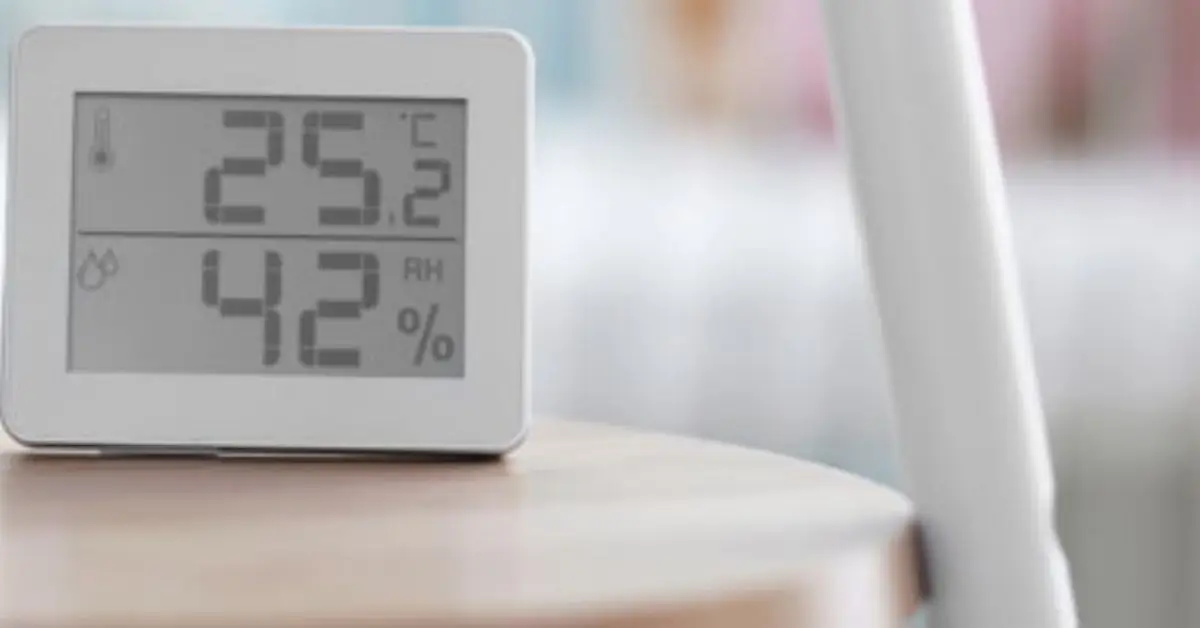
Here’s a simple routine I follow every winter to keep my home comfortable without overthinking it. You can use it as a checklist too:
- Check your RH weekly: Keep your hygrometer handy and adjust humidifiers as needed.
- Clean your humidifier regularly: Once a week is enough to prevent mold and mineral buildup.
- Seal leaks: Inspect doors, windows, and outlet gaps—small drafts make a big difference.
- Adjust HVAC settings: Slightly lower the thermostat and use ceiling fans wisely to maintain moisture balance.
This checklist makes it easy to stay consistent and avoid surprises.
Conclusion
Maintaining the perfect indoor humidity this winter doesn’t have to be complicated. By measuring your levels, using humidifiers smartly, sealing leaks, adjusting your heating, and following the small tips I’ve shared, you can keep your home warm, healthy, and comfortable all season long.
I’d love to hear from you—what strategies do you use to manage indoor humidity? Share your tips or questions in the comments below, and don’t forget to check out more home improvement advice on Build Like New. Let’s make every home feel just right this winter!
Disclaimer: This article is for informational purposes only. Indoor humidity recommendations may vary depending on your home, climate, and health conditions. Always consult a professional for specific concerns.