Most People Make These 5 Bathroom Renovation Mistakes — Don’t Be One of Them
I’ve seen this happen more times than I can count: someone starts a bathroom remodel excited, confident, and sure they’ve done enough homework. A few weeks later, the budget is blown, the timeline is slipping, and the bathroom still doesn’t work the way they imagined. Most of the time, it’s not bad luck—it’s avoidable bathroom renovation mistakes.
If you’re planning a remodel, you’re probably here because you don’t want to waste money or regret decisions later. That’s smart. Bathrooms are one of the most expensive rooms to redo, and small choices—layout, materials, lighting, or who you hire—can quietly turn into long-term problems.
What makes bathroom renovations tricky is that mistakes don’t always show up right away. A poor layout feels annoying every morning. Cheap materials start failing after a year. Bad ventilation turns into mold. And the wrong contractor? That can double your stress and your costs.
This guide focuses on the mistakes that actually hurt homeowners in real life—not design trends or vague advice. I’ll walk you through the issues that impact cost, comfort, and resale value, so you can make decisions you’ll still feel good about years from now.
Before you move forward, let me ask you one thing: are you remodeling this bathroom just to make it look better—or to make it work better for your everyday life?
Understanding Bathroom Renovation Mistakes
When most people hear “bathroom renovation mistakes,” they think of ugly tiles or a bad color choice. In reality, the biggest mistakes have nothing to do with looks. I’m talking about problems that affect how the bathroom works, how safe it is, and how much money you’ll keep spending long after the remodel is done.
If you’ve ever used a bathroom that looks fine but feels annoying every single day, you already understand this. Renovation mistakes usually show up in daily routines—poor lighting, awkward layouts, moisture issues, or constant repairs. My goal here is to help you spot these issues before they become expensive regrets.
1. The Cost of Mistakes — Money, Time, and Stress
A bathroom remodel in the US is not a small project. Even a mid-range renovation often costs more than homeowners expect, and mistakes push that number even higher.
Here’s what usually happens:
- A decision is rushed early on
- Something doesn’t work mid-project
- Changes are made after construction starts
That’s when costs spike.
According to cost data shared by HomeAdvisor, bathroom remodels regularly exceed initial estimates once layout changes, material upgrades, or plumbing adjustments are added mid-way. Those “small changes” can add thousands of dollars and weeks of delay.
Beyond money, there’s the stress factor:
- Living without a functional bathroom longer than planned
- Dealing with contractors redoing work
- Making decisions under pressure
Most of that stress is avoidable with better planning upfront.
2. Common Categories of Bathroom Renovation Mistakes
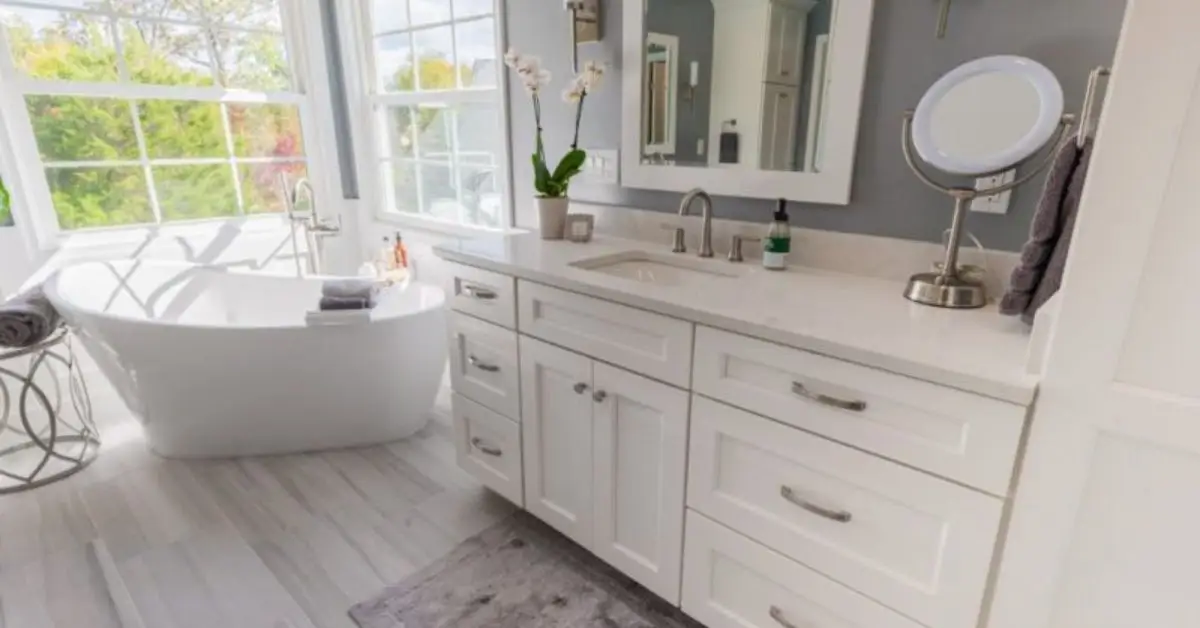
From what I’ve seen, nearly all bathroom renovation mistakes fall into a few clear buckets. Understanding these categories helps you spot risks early.
The most common mistake areas are:
- Planning: unclear goals, rushed decisions, no long-term thinking
- Layout & functionality: poor spacing, awkward movement, bad lighting flow
- Materials: choosing products that can’t handle moisture or heavy use
- Execution & coordination: hiring the wrong people or mismanaging timelines
If you address these four areas properly, you eliminate most problems before they start.
Mistake No. 1 — Poor Planning and Undefined Goals
This is where most bathroom remodels go wrong. Not because people don’t plan—but because they plan in their head, not on paper.
I’ve seen homeowners pick tiles, fixtures, and vanities before they’ve decided how the bathroom should actually function. Design choices come first, and practical decisions come later. That order causes problems.
1. Why Planning Matters More Than Design
Design can always be adjusted. Plumbing, layout, and electrical decisions are much harder—and more expensive—to change once work begins.
One of the most common scenarios:
- A homeowner realizes mid-project that storage is missing
- Or the shower feels cramped
- Or the vanity blocks movement
At that point, changes mean demolition, delays, and added labor costs. Clear planning at the start prevents these mid-project reversals.
2. Missing Needs Assessment
Before choosing anything, you need to answer one basic question: who is this bathroom for?
Too many people skip this step.
Think about:
- How many people use this bathroom daily
- Whether kids, guests, or aging family members will use it
- If accessibility might matter in 5–10 years
Future-proofing isn’t about luxury—it’s about avoiding another remodel sooner than expected. Wider walkways, better lighting, and smart storage choices make a huge difference over time.
3. Lack of Realistic Budget Planning
This is where most homeowners get surprised.
People budget for visible items but forget about:
- Demolition and disposal
- Plumbing upgrades
- Electrical updates
- Permit and inspection fees
That’s why budget overruns are so common. Realistic planning means setting aside a buffer and understanding where costs usually creep in—before they do. Poor planning doesn’t just affect your budget—it can also create problems outside your home. If your renovation disrupts shared walls, noise levels, or timelines, these common renovation mistakes that annoy neighbors can quickly turn a remodel into an ongoing headache.
If you’ve ever browsed homeowner discussions online, you’ll notice the same pattern again and again: people don’t regret spending more—they regret not planning for it.
Mistake No. 2 — Ignoring Layout and Functional Flow
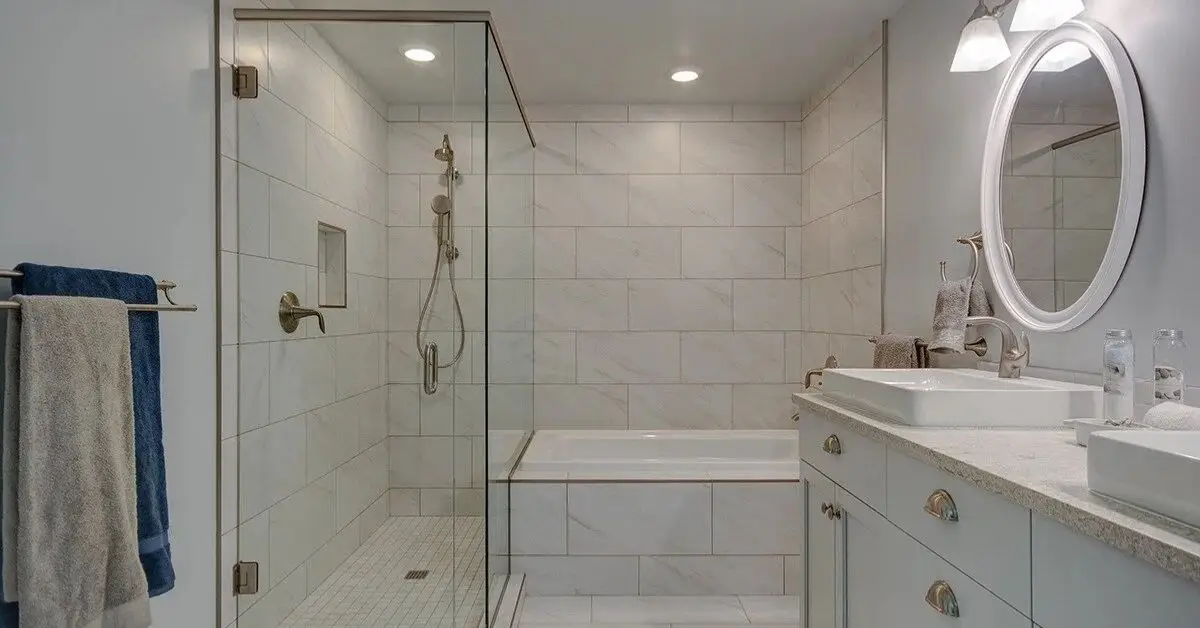
A bathroom can be beautifully designed and still feel uncomfortable to use. That usually comes down to layout.
Layout mistakes don’t scream “wrong” at first glance—but you feel them every day.
1. Poor Traffic Flow and Spacing
Bathrooms need room to move, not just room to stand.
Common spacing mistakes include:
- Toilets placed too close to vanities
- Shower doors that block walkways
- Tight clearances that feel cramped
Design guidelines like the 5-foot rule exist for a reason. Ignoring them leads to daily frustration, especially in shared bathrooms.
2. Inadequate Ventilation Planning
Ventilation is one of the most underestimated parts of a bathroom remodel.
Without proper airflow:
- Moisture builds up
- Mold risk increases
- Paint and materials deteriorate faster
The Environmental Protection Agency explains how excess moisture directly contributes to mold growth, which can lead to health issues and costly repairs if ignored.
Good ventilation isn’t optional—it’s protection. Poor ventilation doesn’t just cause short-term moisture—it creates the perfect environment for mold. If you want to stay ahead of the problem, these simple ways to prevent mold in your bathroom before it spreads can help protect both your health and your renovation investment.
3. Ignoring Plumbing Constraints
Moving plumbing looks simple on paper, but it rarely is.
Relocating fixtures often:
- Requires opening floors or walls
- Adds labor and material costs
- Extends project timelines
In many cases, shifting plumbing can increase costs by 20–40%. If the existing layout works reasonably well, improving it—not reinventing it—usually makes more financial sense.
Mistake No. 3 — Choosing the Wrong Materials
Bathrooms are high-moisture, high-traffic spaces. Materials that work elsewhere in your home may fail here.
Choosing the wrong ones doesn’t just affect appearance—it affects maintenance, durability, and long-term cost.
1. Flooring Materials That Fail in Bathrooms
Not all flooring handles water equally.
Here’s a quick reality check:
- Porcelain tile: highly durable and moisture-resistant
- Ceramic tile: good, but less dense
- Vinyl: budget-friendly, but quality matters
Low-quality materials might save money upfront but often cost more in replacements and repairs later.
2. Countertops and Moisture Challenges
Bathrooms test countertops daily.
- Granite needs proper sealing
- Quartz handles moisture better with less maintenance
- Engineered stone varies by manufacturer
Durability matters more here than trends. Beyond durability, materials also affect how your bathroom ages visually. Some choices may look trendy now but feel outdated fast—these tacky bathroom choices that make a home feel dated are a good reminder that timeless decisions usually hold value longer.
3. Fixture Quality and Warranty Importance
Cheap fixtures fail faster—plain and simple.
Before buying:
- Check warranty terms
- Look for compliance with US standards
- Avoid unknown brands with no long-term support
A slightly higher upfront cost often means fewer leaks, fewer repairs, and fewer headaches down the road.
Mistake No. 4 — Poor Lighting and Electrical Planning
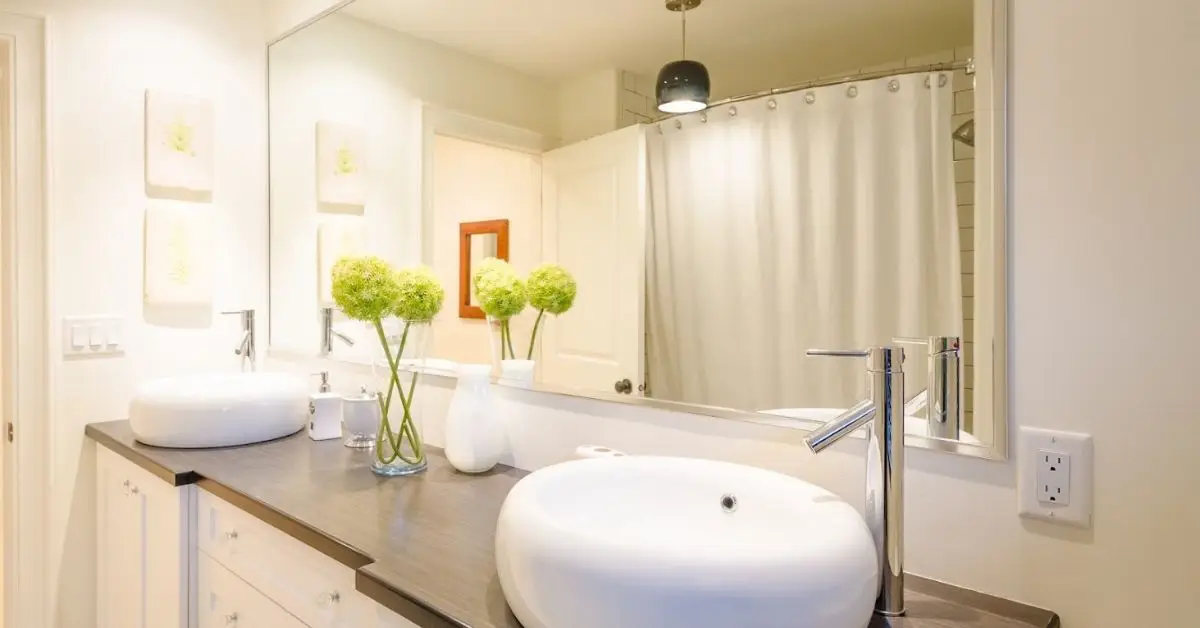
Beckstoffer-Welsh Inc
Lighting is one of the most misunderstood parts of a bathroom remodel. Most people treat it like decoration—something you “add at the end.” In reality, lighting and electrical planning are about function, safety, and daily comfort. When this goes wrong, you feel it every single morning.
I’ve seen bathrooms that look great in photos but feel dark, harsh, or awkward in real life. That’s not a style issue. That’s a planning failure.
1. Task vs Ambient vs Accent Lighting
A bathroom needs different types of light to work properly. Relying on one overhead fixture is one of the most common mistakes.
Here’s how each type actually functions:
- Task lighting: Focused light for shaving, makeup, and skincare (usually around mirrors)
- Ambient lighting: Overall illumination so the room feels evenly lit
- Accent lighting: Adds depth and soft glow, often under vanities or shelves
When one of these is missing, the bathroom feels either too dark, too harsh, or oddly shadowed. Balanced lighting makes the space easier to use, not just nicer to look at.
2. GFCI and Electrical Safety Codes
This is where lighting mistakes turn into safety issues.
Bathrooms require specific electrical protections because of moisture. If outlets, switches, or fixtures aren’t planned correctly, you may fail inspection—or worse, need costly rework after everything is finished.
According to guidance from the International Code Council, GFCI protection is required in bathroom areas to reduce shock risk in wet environments.
Skipping this step or assuming “the electrician will handle it later” often leads to:
- Failed inspections
- Walls being opened again
- Delays you didn’t budget for
Electrical planning needs to happen early, not as an afterthought.
3. Placement Mistakes That Hurt Usability
Even good lighting fails if it’s placed poorly.
Common issues I see:
- Ceiling lights casting shadows on faces
- Mirrors lit from above instead of the sides
- Decorative fixtures that look good but don’t illuminate properly
Backlit mirrors and side-mounted lights usually provide more even, face-level lighting than a single overhead fixture. The difference is noticeable every day, especially during morning routines.
Mistake No. 5 — Hiring the Wrong Contractor (or DIY Without Skill)
This is one of the most expensive mistakes a homeowner can make. Almost everyone mentions “hire a good contractor,” but very few explain how bad hires actually happen.
Most problems don’t start with obvious red flags. They start with trust, assumptions, and rushed decisions.
1. Red Flags in Estimates and Contracts
If a bid feels too good to be true, it usually is.
Watch out for:
- No license or vague credentials
- Extremely low bids with little detail
- Missing timelines or payment schedules
- Verbal promises instead of written terms
Cheap estimates often mean corners will be cut—or costs will appear later as “unexpected extras.”
2. How to Verify Credentials
Before you sign anything, slow down.
You should always:
- Verify licensing requirements for your state
- Confirm insurance coverage
- Ask for recent references—not just photos
A professional contractor won’t hesitate to provide proof. If someone pushes back, that’s your sign to walk away.
3. DIY Limits — When to Call a Pro
DIY can save money—but only up to a point.
You should not DIY:
- Electrical work
- Plumbing modifications
- Structural changes
I’ve seen projects where DIY mistakes doubled the timeline because professionals had to undo and redo work. Many homeowners on renovation forums share the same regret: “I wish I’d hired a pro sooner.”
Additional Mistakes Worth Mentioning
These don’t always make “top five” lists, but they absolutely matter.
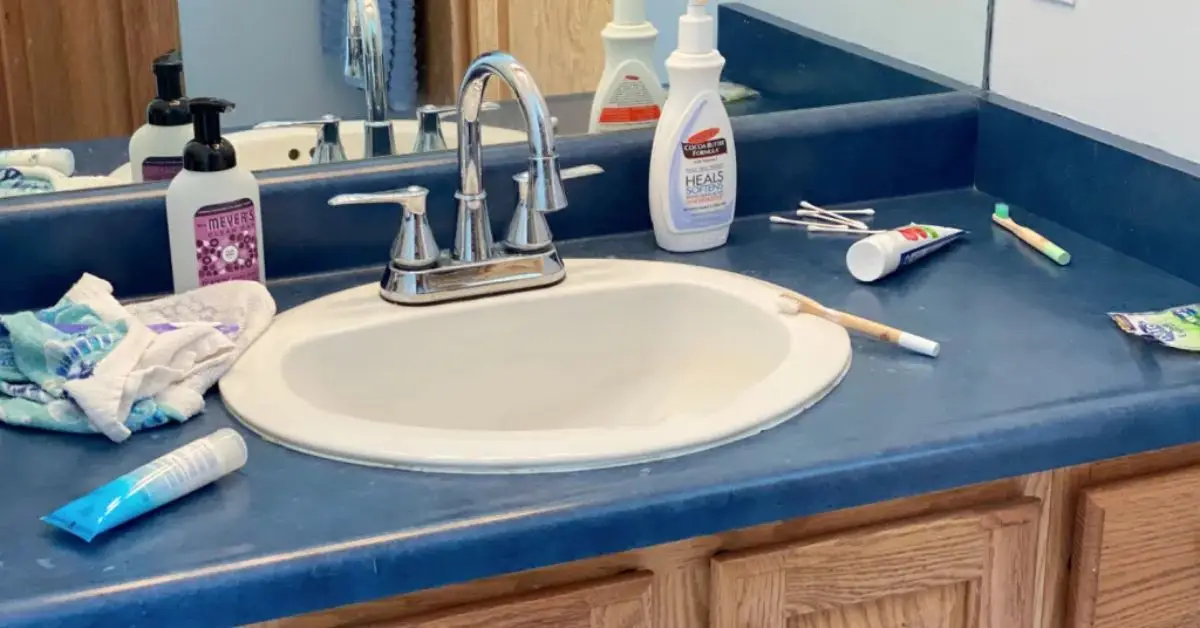
Overlooking storage solutions
- Leads to cluttered counters
- Makes even a new bathroom feel messy
Forgetting resale value
- Over-customizing can hurt future buyers
- Neutral, functional upgrades age better
Skipping permits and inspections
- Can result in fines
- Creates problems during resale
- May invalidate insurance claims
These issues don’t show up immediately—but they come back later, often at the worst time.
Remodeling Mistake Checklist
One of the best ways to avoid mistakes is to slow the process down and check your decisions at each stage.
A simple checklist can help you:
- Review goals before demolition
- Catch issues during walk-throughs
- Confirm everything works before final payment
Suggested checklist sections:
- Pre-renovation planning questions
- On-site progress checks
- Post-completion inspection points
This kind of resource doesn’t just save money—it gives you confidence throughout the project.
Be honest with yourself—if you had to choose one risk right now, would it be lighting, electrical work, or who you hire to do the job?
Conclusion
Before you move forward with your bathroom remodel, pause for a moment and think about the decisions you’re about to lock in. Plan first, be realistic about your budget, protect function over trends, and don’t rush choices that are expensive to undo later. Those few steps alone can save you months of stress and thousands of dollars.
If you want help staying on track, I recommend using a simple renovation checklist to review your plan before work starts, during the remodel, and before final payment. Tools like this keep small oversights from turning into big mistakes—and they make the entire process feel more controlled.
If this guide helped you, bookmark it or share it with someone who’s planning a remodel right now. And if you’re stuck on a specific decision—layout, lighting, materials, or hiring—drop your question in the comments. I read them, and real questions often help other homeowners too.
For practical remodeling advice, planning tools, and no-nonsense guidance, visit Build Like New—it’s where I share resources to help homeowners renovate with confidence, not guesswork.
Disclaimer: This content is for general informational purposes only and is not a substitute for professional advice. Always consult licensed contractors, designers, or local authorities for guidance specific to your home, budget, and local building codes.