6 Expert Cleaning Tips to Keep Your Family Germ-Free This Winter
Winter has a way of sneaking germs into our homes when we least expect it. I’ve noticed that the longer I spend indoors during these chilly months, the more I catch myself worrying about colds and flu spreading around my family. Dry indoor air, crowded spaces, and overlooked surfaces make it all too easy for viruses to linger. That’s why I’ve put together these six cleaning strategies that actually work—not just to make your home look tidy, but to keep it germ-free and protect everyone’s health this winter.
You’ll get practical tips I use myself, backed by science and real-world experience, so you can breathe easier, feel safer, and spend more time enjoying the season instead of worrying about illness. By the end, you’ll have a clear, doable plan to make your home a clean, healthy haven.
Why Winter Increases Germ Exposure
I’ve noticed every year that as soon as the cold weather sets in, it feels like everyone around me is catching something. There’s a reason for that: winter actually makes it easier for germs to spread. When the air inside our homes is dry, viruses like the flu and common cold survive longer. Combine that with more time spent indoors, close contact with family, and dust or allergens accumulating on surfaces, and you’ve got a perfect environment for illness to thrive.
Some numbers put this into perspective. Flu activity spikes between December and February in the U.S., with millions of cases reported every year. And it’s not just influenza—respiratory viruses in general survive better in cool, dry conditions.
Here’s what you can do to keep your home from becoming a germ hotspot:
- Be mindful of indoor air quality and humidity levels.
- Keep high-touch surfaces clean and disinfected regularly.
- Limit clutter where dust and germs can hide.
I like to think of it this way: cleaning isn’t just about looking neat—it’s about creating a space that actively protects you and your family from winter illnesses.
Secret #1: High-Touch Surface Disinfection
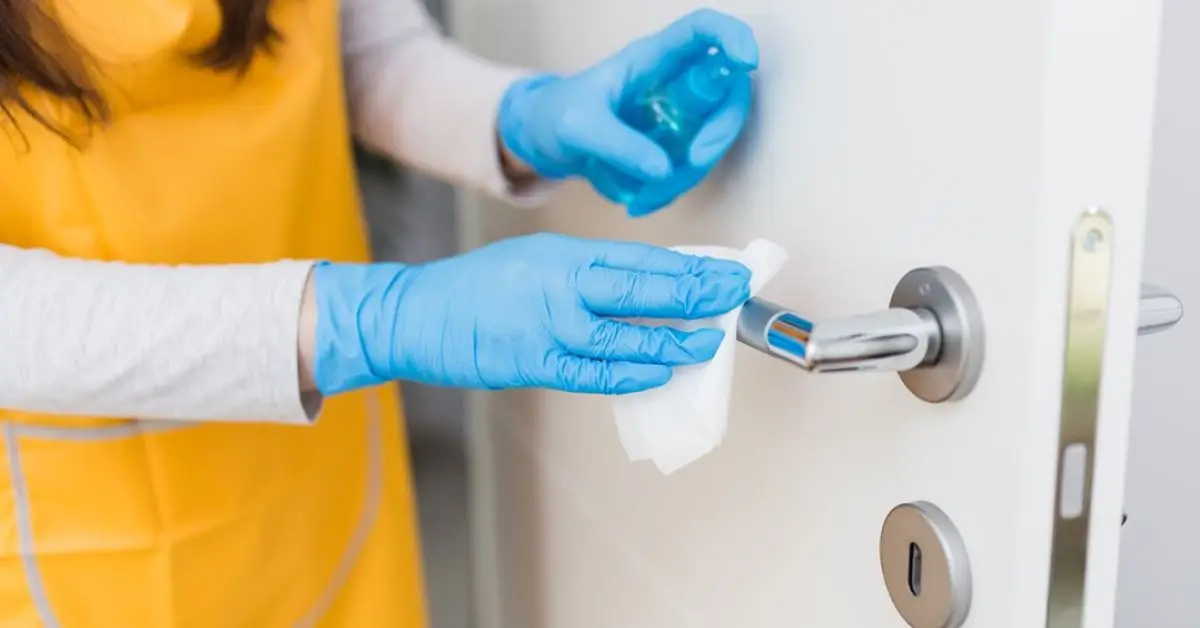
If there’s one thing I’ve learned after years of winter cleaning, it’s that germs love high-touch surfaces. Doorknobs, light switches, remotes, and appliance handles are little highways for viruses. Simply wiping once a week won’t cut it—you need a routine that hits the right spots at the right frequency. While cleaning and disinfecting, I also make sure to seal food storage areas — it’s amazing how preventing pests can reduce germ spread; here’s a guide on 10 proven ways to mouse-proof your pantry before winter starts.
Here’s how I tackle it:
- Identify and prioritize high-touch areas: I make a mental map of my home: kitchen counters, faucets, refrigerator handles, bathroom sinks, and even TV remotes. These are the surfaces I never skip.
- Quick daily wipes & deep weekly disinfection: For daily maintenance, a microfiber cloth with a disinfecting spray works wonders. Once a week, I pull out EPA-approved disinfectants for a deeper clean. Always follow the label for safe contact times—it really makes a difference in killing germs.
- Extra care when someone is sick: If someone in the house is under the weather, I increase the cleaning frequency and make sure shared spaces—like the kitchen table, doorknobs, and bathroom surfaces—are disinfected multiple times a day.
For step-by-step guidance, I often reference the CDC’s cleaning and disinfection recommendations.
Secret #2: Manage Indoor Humidity & Air Quality
I’ve found that controlling humidity is a secret weapon against winter viruses. Dry air makes your nose and throat more susceptible to infection and allows viruses to linger longer in the air. Keeping indoor humidity between 40–60% can significantly reduce virus survival.
Here’s what I do:
- Monitor and adjust humidity: Most modern thermostats can track humidity. If your home dips below 30%, I recommend using a humidifier or placing houseplants around the house—they naturally add moisture. I’ve found that small tweaks like sealing windows properly can make a huge difference in keeping indoor air clean and reducing drafts during winter — check out does plastic window wrap really work for a step-by-step guide.
- Improve airflow and filtration: I make sure my HVAC filters are changed regularly and often run a portable HEPA air purifier in the bedroom and living room. This helps remove particles, dust, and allergens that germs can cling to. Keeping your HVAC system in top shape is essential for healthy indoor air, especially in winter — check out 7 things you must check in your HVAC to breathe easy for expert guidance.
- Simple DIY fixes: Opening a window briefly each day, even in winter, or running the bathroom fan during showers, can make a big difference in airflow and reducing stagnant air.
Maintaining proper humidity and clean air isn’t something I do occasionally—it’s part of my daily winter routine. It’s amazing how much fresher the house feels, and it actually reduces how often my family catches colds.
For more detailed tips on indoor air quality, I rely on the Harvard Health guide on reducing winter germs, which explains the connection between dry air and viral spread.
Secret #3: Bedding, Linens & Soft Surfaces Hygiene
I used to underestimate how many germs hide in bedding and soft surfaces until I noticed my allergies flaring up in the middle of winter. Sheets, pillowcases, blankets, and even carpets can harbor bacteria, dust mites, and allergens that contribute to sickness.
Here’s my approach:
- Weekly laundering: I wash sheets, pillowcases, and blankets every week in hot water. It may seem like a lot, but it dramatically reduces germs.
- Rotate sheets for convenience: Keeping a second or third set of bedding makes swapping them out easy, so I never fall behind.
- Deep clean soft furnishings: Steam cleaning carpets, rugs, and upholstered furniture once a month keeps hidden germs under control.
By paying attention to these hidden germ hotspots, I’ve noticed fewer sniffles and less allergy-related discomfort at home. It’s a small effort that really pays off in overall winter wellness.
Secret #4: Entryway Germ Prevention
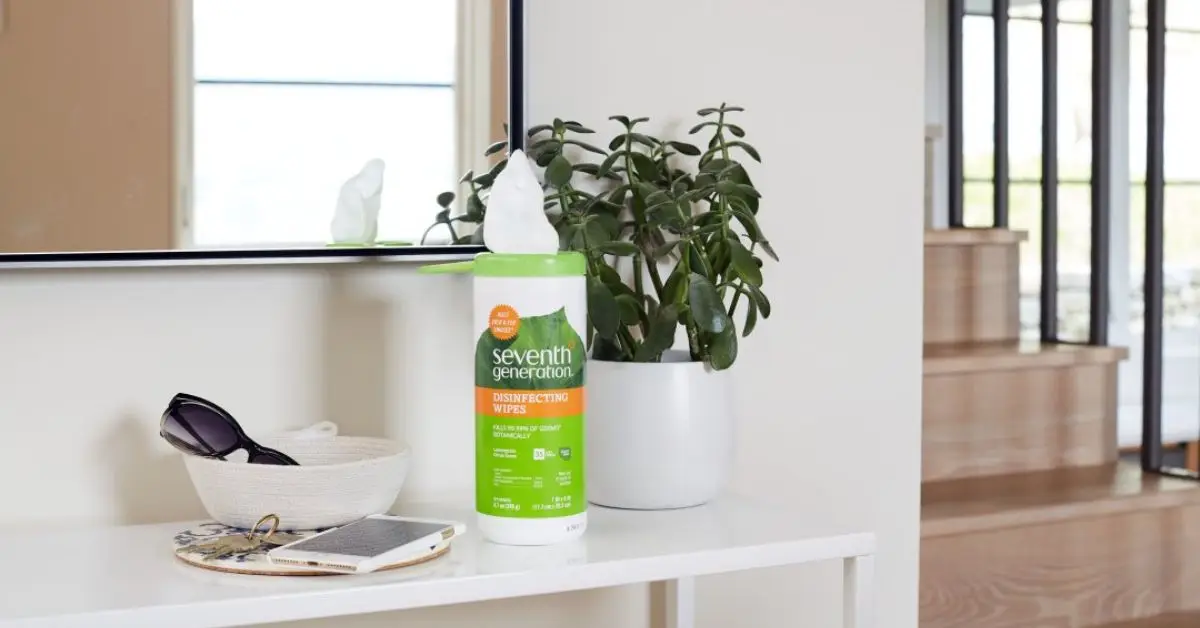
I can’t stress enough how the entryway can make or break your home’s cleanliness. Shoes, coats, and bags carry dirt and germs straight inside. I always make a point to stop them at the door.
Here’s my routine:
- Remove shoes immediately and use a boot tray or shoe rack.
- Keep a basket for items like mail or packages and empty it daily.
- Place a small disinfecting station by the door for hands or packages—especially useful if someone’s been outside in crowds.
Even small steps here can prevent germs from spreading through the house. One Reddit thread I follow actually shows how just keeping the entryway organized reduced colds in a busy household.
Secret #5: Nightly Declutter & Surface Prep
Clutter may not carry germs itself, but it makes cleaning much harder. I’ve found that spending 10 minutes each night tidying counters, sinks, and common areas makes a huge difference in both hygiene and stress levels.
- Sweep countertops, tables, and bathroom sinks before bed.
- Toss loose items into baskets and put away a few things each night.
- Combine this with a quick disinfecting wipe for high-touch spots.
When I stick to this nightly habit, I wake up to a cleaner, calmer space, and it makes my morning routine so much easier. It’s not just about looking neat—it’s about creating a healthy environment for everyone in the house.
Secret #6: Track, Schedule & Optimize Your Cleaning Routine
I used to jump from one cleaning task to another and feel like I was running in circles. Then I realized something simple: it isn’t about how much you clean once — it’s about how consistently you show up. Once I started using a plan, everything changed. You’ll get more done with less stress, and you’ll cover the areas that matter most.
Here’s the framework I follow:
- Digital or paper checklist: I keep a list broken down into daily, weekly, and seasonal tasks. Daily wipes for high-touch spots, weekly deeper cleans, and quarterly jobs like steam-cleaning upholstery or switching out filters. Seeing it written down makes it real.
- Sick‑day adjustments: If someone in the house is sick, I bump up the frequency — multiple disinfecting passes on doorknobs, handles, and shared surfaces. It’s not overkill; it’s focused prevention.
- Integration with family habits: Everyone chips in with tiny actions: wash hands before meals, wipe down the table after eating, stash clutter each night. When the whole household adopts the rhythm, cleaning stops being a chore and becomes second nature.
This structured approach keeps me ahead of winter germs instead of constantly chasing them.
For smart, expert‑backed ideas on reducing winter bugs and improving your home environment, check out Stanford’s five tips for keeping winter bugs at bay.
Bonus Tips: Everyday Habits that Reinforce Cleaning
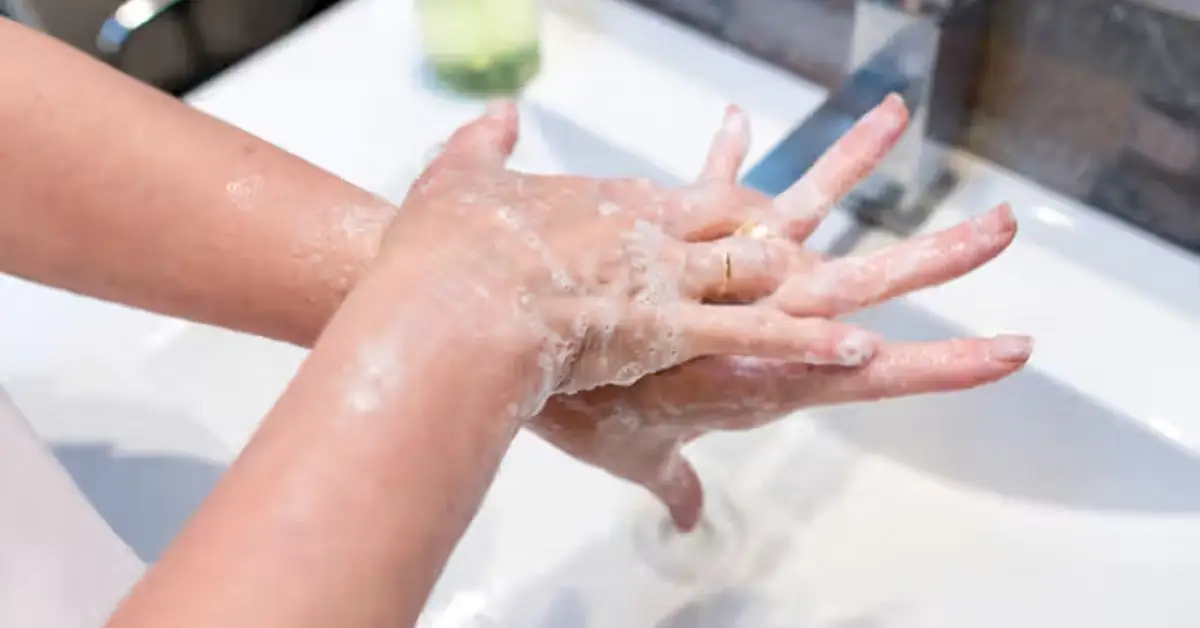
Cleaning routines set the stage — but your everyday habits keep the curtain up. I’ve noticed that simple behavioral changes can massively amplify your hygiene efforts without adding hours to your day.
Here’s what works for me:
- Handwashing best practices: Wash before eating, after returning home, and after touching shared items. Hand hygiene is your first line of defense against virus transmission.
- Minimizing shared items: Things like remotes, cups, and towels spread germs fast. Assign personal items when you can, and sanitize shared ones regularly.
- Smart laundry routines: Hot‑water washes for sheets and towels help knock down allergens and bacteria that hide in fabrics. Rotating sets makes this easier.
One thing I’ve learned from real conversations online: people often underestimate how much day‑to‑day habits influence overall health during winter. Pairing good habits with your cleaning plan is how you truly keep germs at bay.
Safety & Chemical Use Guidelines
I’ve learned the hard way that overdoing disinfectants can create more problems than it solves. Harsh chemicals can irritate your skin, damage surfaces, and even affect pets and children. Protecting your family while keeping germs at bay is all about balance.
Here’s what I follow:
- Follow label instructions carefully: Always check contact times, dilution ratios, and recommended surfaces.
- Keep chemicals out of reach: Store sprays, wipes, and bleach away from kids and pets. Even seemingly small amounts can be harmful if ingested or spilled.
- Use alternatives when possible: Soap and water, or mild cleaning solutions, are effective for many daily tasks and reduce chemical exposure. I save stronger disinfectants for high-touch surfaces or when someone is sick.
- Ventilation matters: Open windows or run exhaust fans when using stronger cleaning products to prevent inhalation of fumes.
By using chemicals thoughtfully, I can maintain a clean, safe home without creating unnecessary risks. It’s about smart cleaning, not just aggressive cleaning.
Conclusion
Keeping your home germ-free during winter doesn’t have to be overwhelming. I’ve shared six cleaning secrets, practical routines, and everyday habits that I personally rely on to protect my family from cold and flu season. From prioritizing high-touch surfaces to controlling humidity, decluttering, and tracking your cleaning tasks, these steps make winter wellness achievable for any household.
Now I’d love to hear from you: what’s your top winter cleaning habit? Drop a comment below and share your strategies — I read every one and often learn new tricks from readers like you.
If you want more expert tips, routines, and actionable guides for creating a healthier, safer home, check out Build Like New — we share step-by-step insights to help your home feel fresh, functional, and worry-free all year round.
Disclaimer: This article is for informational purposes only and is not a substitute for professional medical advice. Always follow product instructions and consult a healthcare professional if you or a household member are ill.