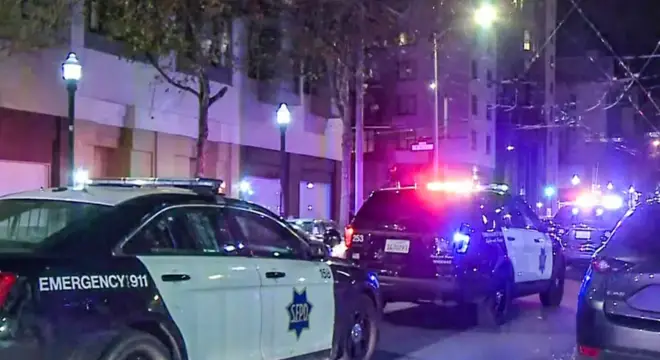
Trenton Home Destroyed in Fire, Firefighter Hospitalized
I’ve covered enough fire incidents to know that most start quietly and turn dangerous fast. That’s exactly what happened Monday night in Trenton.
Just after 6:30 p.m. on Dec. 22, a call went out for a structure fire at a multistory home on Pressey Lane. By the time firefighters arrived, smoke and flames were already visible, and conditions inside were heavy and unstable. What began as a routine residential response quickly escalated into a high-risk operation.
The person living in the home managed to get out safely. That alone prevented this from becoming a fatal story. But the danger didn’t stop there. As crews worked to control the fire, part of the second floor gave way. Moments later, a portion of the roof followed. One firefighter was injured during that collapse and had to be taken to a hospital for treatment.
When you read about a “house fire,” it’s easy to picture a single blaze, handled and over. In reality, fires like this are chaotic, unpredictable, and physically punishing—especially when structures fail without warning. This Trenton house fire is a reminder that even when lives are saved, the cost is often still paid on the fireground.
If you live in a rural area or rely on volunteer fire departments like Trenton does, ask yourself this: how prepared is your own home if firefighters had to enter it tonight?
Firefighter Injured After Second Floor Collapse
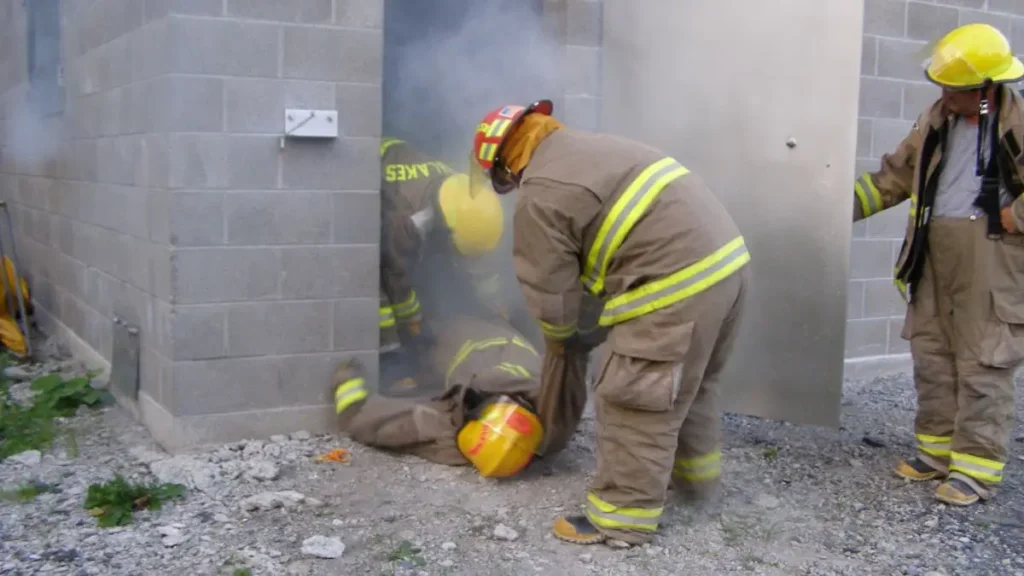
When firefighters talk about “collapse,” it’s never casual. It means the building turned on them.
According to The Ellsworth American, one firefighter was hurt when a section of the second floor failed during active suppression. Fire Chief Steve Heckman later confirmed the injury was a minor concussion along with a neck sprain. The firefighter was taken to a hospital and, by Tuesday morning, was resting and recovering.
I want you to pause on that detail for a moment. This wasn’t an injury from flames. It happened because the structure itself became unsafe while crews were inside doing their job. That’s one of the biggest risks firefighters face, and it’s also one the public rarely sees.
House fires don’t just burn—they weaken floors, beams, and roofs silently. When collapse happens, it happens fast.
Multiple Fire Departments Rushed to the Scene
This wasn’t handled by one department alone—and that matters.
Fire crews from Trenton, Ellsworth, Lamoine, and Hancock responded to the Pressey Lane home as conditions worsened. In rural areas like this, mutual aid isn’t a backup plan. It’s the plan.
You might not think about it when you dial 911, but fires of this scale depend on coordination. Tanker shuttles, manpower, and medical support all have to move in sync. One weak link slows everything down.
In this case, additional tanker resources from Mount Desert and Sullivan were also brought in to keep water flowing while crews stayed defensive and cautious.
Fires can escalate faster than anyone expects—just like the tragic incident in Alaska where a single misstep led to a fatal outcome.
Why Firefighters Had to Pull Back and Bring in Heavy Equipment?
At a certain point, bravery has to give way to reality.
Chief Heckman explained that the structure was so badly compromised that firefighters could no longer safely reach the seat of the fire. Large sections of the home had failed, and flames were burning deep inside areas that hands and hoses couldn’t reach.
That’s when an excavator was brought in.
From the outside, this can look extreme. But it’s actually a safety call. Heavy equipment allows crews to open up the structure, expose hidden fire, and finish suppression without putting firefighters under collapsing floors or roofs.
If you’re wondering why firefighters didn’t just keep going inside—this is the reason.
Sometimes the structural damage is so severe that even experienced crews must rely on heavy equipment—similar to a fire that severely damaged a home in Wisconsin.
Wood Stove Embers Believed to Have Started the Fire
Early findings point to a familiar winter risk.
Investigators believe embers from a wood stove ignited a nearby couch, starting the fire. It’s a scenario fire officials see every year, especially when homes are heated for long hours and embers escape unnoticed.
The State Fire Marshal’s Office has been contacted and will continue reviewing the cause. But even at this stage, the takeaway is clear: wood stoves don’t forgive small mistakes.
Clearances matter. What’s placed nearby matters. And fires that start this way often grow before anyone realizes what’s happening.
Thousands of Books and Records Made the Fire Harder to Fight
This is where the fire turned especially difficult.
The home reportedly contained around 20,000 books along with a large vinyl record collection. Firefighters described pulling out massive amounts of material just trying to reach the source of the fire.
Paper burns fast, burns hot, and creates a heavy fire load. When that much fuel is packed into a structure, fire spreads differently and suppression becomes slower and more dangerous.
The resident had hoped to start a library or donate the collection someday. Instead, it became part of what ultimately destroyed the home.
It’s a hard detail to read—but it explains why this fire overwhelmed the structure the way it did.
If you want quick updates about local fires and safety tips straight to your phone, communities often share live reports via channels like WhatsApp—sometimes you’ll catch a story before it hits the news.
The Resident Escaped, but the Home Did Not
The most important detail in this story is also the quietest one.
The resident, identified as Ed Lyon, was inside the home when the fire started. He smelled smoke, went downstairs, and saw the couch burning. That moment—before flames take over—is often the only window people get.
He got out safely. No injuries were reported inside the home.
That doesn’t mean the loss was small. Everything inside the house was destroyed. The building itself is considered a total loss. What Lyon escaped with was his life. What he lost was years of personal history, work, and plans that won’t be rebuilt easily.
While the Trenton resident was fortunate to escape, not all stories end that way, as seen in this North Carolina fire where a house fire tragically claimed a life.
Property Details and Where the Fire Happened
This wasn’t an isolated structure tucked away from everything else.
The home is located at 48 Pressey Lane, off Bayside Road (Route 230), with frontage on Union River Bay. According to Trenton tax records, the property is owned by the Lyon Family Trust.
Location matters in fires like this. Limited access, distance from hydrants, and water supply challenges all affect how quickly crews can respond and how aggressively they can attack the fire.
When you live near the water, it doesn’t automatically mean water is available when you need it most.
Agencies Thanked for Support During a Risky Operation
Fire scenes don’t end when the flames die down.
Chief Heckman publicly thanked multiple departments and agencies for their support, including Ellsworth, Lamoine, and Hancock fire departments, along with Mount Desert and Sullivan for tanker assistance.
Northern Light Health was acknowledged for medical response, and Goodwin Construction was credited for providing heavy equipment support.
These acknowledgments aren’t routine politeness. They reflect how many moving parts were required to keep firefighters safe during a dangerous, unstable operation.
When things go wrong on a fireground, coordination is usually the difference between one injury and many.
What This Fire Quietly Teaches Homeowners?
If you’re reading this thinking, this could never happen to me, that’s usually where fires prove people wrong.
Wood stoves, stored materials, and heavy interior contents change how fires behave. They spread faster. They burn hotter. And they make structures fail sooner than expected.
This Trenton house fire didn’t start with negligence. It started with embers and proximity—something many homes have right now.
Take a look around your own space. What would feed a fire if one started tonight? And how fast would you notice?
That’s not a scare tactic. It’s a question worth answering before firefighters have to answer it for you.
What Happens Next in the Investigation?
At this stage, the fire scene isn’t fully closed.
The State Fire Marshal’s Office has been notified and will review the circumstances surrounding the Trenton house fire. That process doesn’t move fast, and it isn’t meant to. Investigators look at burn patterns, structural damage, and witness statements to confirm how the fire started and whether any contributing factors were overlooked.
For the homeowner and the firefighters involved, this part often happens quietly in the background. There are no dramatic updates, just careful verification.
If you’re following this story, the next official information will likely come in the form of a final determination from investigators or a follow-up statement from fire officials. Until then, what’s known is based on early findings and on-scene reports.
If you live in or around Trenton, it’s worth paying attention—not just for updates, but for what this fire reveals about response times, home safety, and how quickly a normal evening can turn into a total loss.
What’s one fire risk in your own home you’ve been meaning to address but haven’t yet?
Stay updated on similar local incidents and fire safety tips by following us on X and joining our Facebook community for ongoing discussions.
Disclaimer: This article is based on official statements from fire officials and publicly available reports at the time of publication. Details may change as the State Fire Marshal’s Office completes its investigation. Updates will be added if new, verified information becomes available.