Person Injured, Dog Dead Following House Fire in Virginia
Last Sunday night, I kept an eye on local updates when I saw that a house fire had broken out in the Town of Chatham, Virginia. Shortly after 9 p.m., Blairs Fire and Rescue reported that their crews responded to a “working fire,” with flames spreading from the basement all the way to the attic. Reading that, I couldn’t help but think about how quickly a routine evening can turn into a life-threatening situation.
One person was treated for burns while trying to exit the house, and tragically, a dog didn’t make it out. The Chatham Volunteer Fire Department worked alongside Blairs units to attack the fire, conduct searches, and ventilate the building vertically — a reminder of how intense and coordinated firefighting can be.
As someone who follows local emergencies closely, I realized this incident highlights more than just statistics. It shows the unpredictability of fires, the bravery of first responders, and the real-life consequences for families and pets in our community. You can feel how quickly a home can become a danger zone, even when you think you’re safe.
Fire Response Timeline
When I read the official Blairs Fire and Rescue post on Facebook, I got a real sense of how intense the night was. Shortly after 9 p.m., crews responded to a working fire that had already spread from the basement to the attic. The post mentioned that Blairs units assisted the Chatham Volunteer Fire Department with fire attack, searches, and vertical ventilation.
It struck me how much coordination this took — an Engine, Rescue Engine, Command Vehicle, and 10 personnel were all on the scene, working for about three hours before returning to service. Seeing this, I thought about how every second counts in these situations, and how much training and teamwork go into keeping people — and pets — safe during a fire.
Even after the fire was under control, firefighters stayed through the night and into the next morning, making sure all equipment was ready for the next emergency. That level of dedication really shows you the human side of firefighting — it’s not just about extinguishing flames, it’s about protecting the community continuously.
Large-scale responses are often critical in containing fast-moving fires, much like a Maryland home fire where over 60 firefighters were deployed to prevent the blaze from spreading further.
Human & Animal Impact
According to WSET, one person suffered burns while trying to exit the burning house, and tragically, a dog died.
Reading this, I couldn’t help but think about the real human and emotional cost behind the headlines. Fires don’t just destroy property; they affect families and pets in deeply personal ways.
It’s easy to overlook the emotional impact when we just see numbers or quick news updates. But imagine the stress, fear, and heartbreak that come with losing a home or a beloved pet in a matter of minutes.
As someone who covers these incidents closely, I feel it’s important to share not just the facts but also the human side of the story.
Sadly, incidents like this aren’t isolated — in a recent case, a man lost his life in an early-morning house fire in New Orleans, highlighting how deadly residential fires can become within minutes.
Cause and Investigation
At this point, officials haven’t released a confirmed cause for the Chatham House Fire. But knowing that the fire spread from the basement to the attic, I started thinking about common triggers: electrical issues, heating systems, or even unattended cooking.
Historical data shows that similar fires in Virginia often start in basements or kitchens and spread quickly without working alarms.
While we wait for investigators to determine the exact cause, it’s worth noting that every fire is unique. Learning from past incidents can give you practical steps to prevent one in your own home.
Fire Safety and Prevention Tips
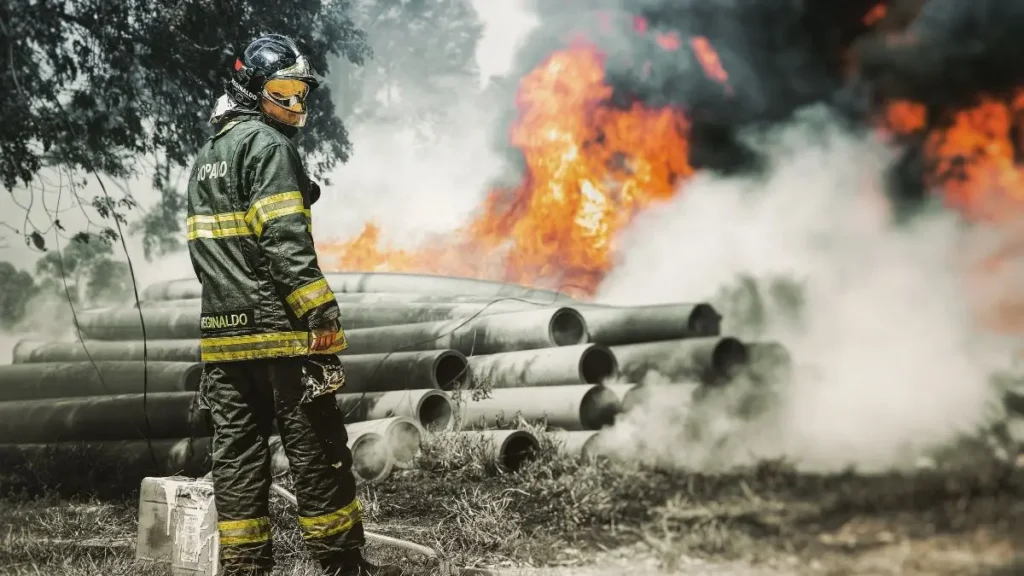
Here’s where I always focus on actionable advice. Fires like the one in Chatham remind me that prevention starts with small but consistent steps:
- Check your smoke alarms monthly and replace batteries regularly.
- Keep heaters, stoves, and candles away from flammable items.
- Make an emergency exit plan and practice it with everyone in your household.
- Don’t forget pets — plan safe spots or carriers for them during emergencies.
If you want to go deeper, organizations like the National Fire Protection Association (NFPA) provide statistics and expert advice. Even a single overlooked detail, like a blocked exit or missing alarm, can make a huge difference when seconds matter.
For people who like staying informed about fire incidents and safety updates in real time, quick alerts and verified local updates can make a real difference — especially during emergencies.
Supporting Victims and Community Resources
After reading about this fire, I thought about how communities can come together. Local organizations like the Red Cross or neighborhood support groups often step in to help victims with temporary shelter, supplies, or emotional support.
Volunteering, donating, or even spreading awareness can make a real difference.
This is also a reminder that emergencies affect everyone around the incident — neighbors, friends, and even local businesses. Helping out, no matter how small, can lessen the burden on families who have lost so much in a fire.
The importance of early detection becomes even clearer when you look at cases like a Wisconsin house fire where a 61-year-old resident died, underscoring how quickly conditions can turn fatal.
Lessons from the Chatham House Fire
Reading about this incident, I can’t help but reflect on the bigger picture. Fires like the one in Chatham are sudden, unpredictable, and deeply impactful — but there are clear lessons we can all take away.
First, preparedness saves lives. A working smoke alarm, a clear exit route, and a plan for pets can make all the difference in the first few critical minutes. Second, community response matters. The coordinated effort between Blairs Fire and Rescue and the Chatham Volunteer Fire Department shows how teamwork and readiness reduce harm.
Finally, there’s an emotional takeaway: don’t underestimate how quickly a home can become unsafe. Fires are not just about property damage; they affect families, pets, and neighbors. Seeing this up close reminds me why awareness, vigilance, and empathy are so important in every household.
I want to hear from you: have you ever practiced an emergency fire plan at home? Or do you have tips for keeping pets safe during a fire? Share your experiences in the comments — your insight could help someone else be better prepared.
If you follow house fire incidents and safety updates closely, you can also find verified reports and community discussions on our social platforms X and Facebook.
Disclaimer: This article is based on information released by local fire departments and trusted news sources at the time of reporting. Details may change as officials continue their investigation. Readers are advised to follow updates from local authorities for the most accurate and current information.