Minimalists Don’t Keep These 8 Items for Long — Here’s Why
Introduction
I used to think clutter happened slowly. Like one random drawer today, one messy shelf tomorrow. But after studying how minimalists actually live—and how fast they make decisions—I realized something else is true.
Clutter usually shows up immediately. It comes from a small group of items we hesitate to deal with the moment they enter our homes.
If you’ve read other minimalist articles, you’ve probably seen the same advice repeated: “declutter regularly,” “be intentional,” “own less.” Most of them stop there. They don’t tell you what minimalists remove first—or why certain items never get a second chance.
Here’s the real difference I’ve noticed after analyzing dozens of minimalist habits, expert opinions, and real-life examples:
Minimalists don’t declutter more often.
They decide faster.
They’ve learned that a few types of items create most of the mess, the stress, and the mental noise. So when those items appear, they don’t wait for a weekend clean-up or a motivation boost. They get rid of them almost immediately.
In this article, I’ll walk you through eight specific things minimalists throw away right away—not because they’re extreme, but because they understand how clutter actually works in real life.
As you read, I want you to notice something: Which of these items are already sitting in your home right now, quietly taking up space you could get back today?
Why Minimalists Don’t “Wait and See” With Clutter

I’ve noticed something very consistent while studying minimalist homes and habits: they don’t give clutter time to settle in. You and I usually think, “I’ll deal with this later.” Minimalists don’t. That one delay is where the mess starts.
Most people treat clutter as a future problem. Minimalists treat it as a now problem.
They understand clutter isn’t created by big clean-outs or missed weekends. It’s created in small moments—when you’re unsure, tired, or emotionally attached. So instead of waiting to “see if they’ll need it,” they decide based on real life, not imaginary scenarios.
Here’s how their thinking is different:
- They don’t keep things just in case
They ask the harder question: “Do I actually use this in my real, everyday life?” - They separate comfort from usefulness
Something can feel familiar without being helpful—and that’s often a reason to let it go. - They know slow decisions drain energy
Every undecided item adds mental noise. Faster decisions mean fewer open loops in your head.
This is also why many minimalists rely on simple time-based decision filters—if something hasn’t been used in months and there’s no clear plan for it, letting it go often creates instant space, just like what happened when I applied the 90/90 decluttering rule to my own closet.
There’s also a practical reason behind this mindset. WebMD’s overview of the mental health benefits of decluttering shows that getting rid of excess stuff can make you feel calmer, more in control, and less stressed because your environment is less distracting and more predictable.
What I want you to take from this section is simple: Minimalism isn’t about throwing more things away. It’s about deciding faster, with less guilt.
Let me ask you something before we move on: How many items in your home right now are sitting there only because you haven’t decided yet?
8 Items Minimalists Throw Away Almost Immediately
When I look at minimalist homes, the biggest difference isn’t size or style.
It’s how quickly decisions are made.
You and I often keep things not because we need them—but because deciding feels uncomfortable. Minimalists remove that friction. Certain items don’t even get a second thought, because experience has taught them these things create clutter fast.
Here’s exactly what goes first—and why these items survive in normal homes but not in minimalist ones.
1. Packaging, Boxes, and Shipping Materials
In most homes, boxes hang around because of one thought: “I might reuse this someday.”
Minimalists don’t argue with that voice. They test it immediately.
If the box doesn’t have a clear purpose today, it’s gone the same day the package arrives.
- Cardboard boxes and plastic wrap create instant visual clutter
- Delaying the decision turns one box into a stack
- Amazon culture means this clutter shows up almost daily
Minimalists either keep a specific box with a clear use—or recycle it right away, following disposal guidelines from trusted sources like the EPA recycling program.
2. Expired or Half-Used Food Items
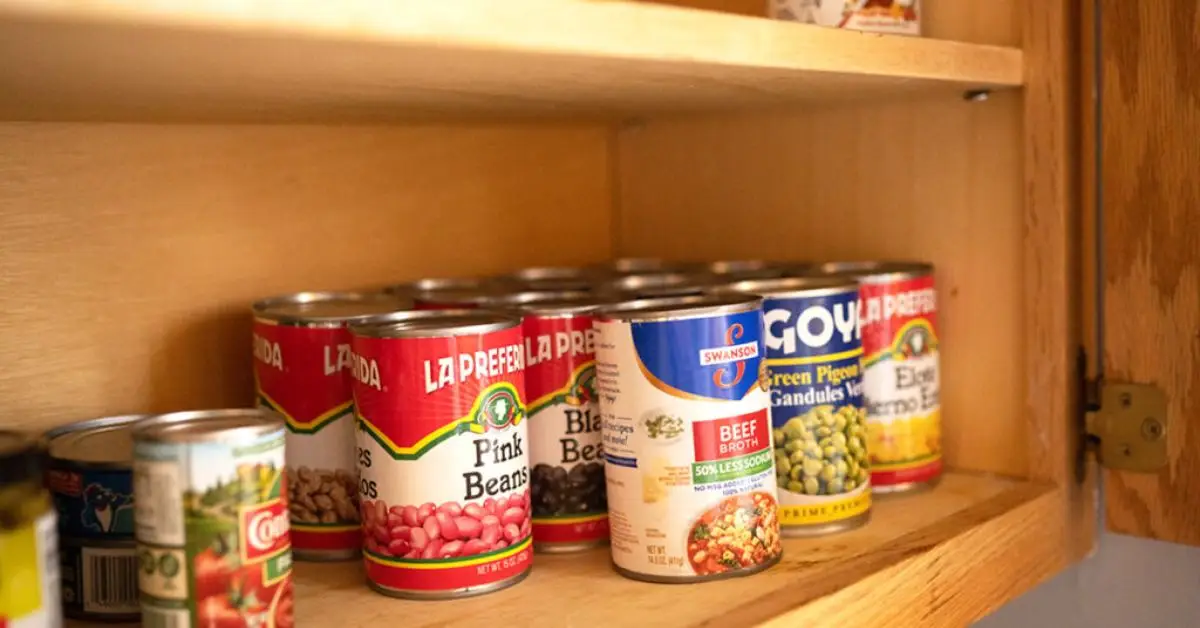
This is where most people see instant results—and minimalists know it.
Normal homes treat the fridge and pantry like long-term storage. Minimalists treat the kitchen as a working space, not a backup warehouse.
- Expired sauces, old spices, forgotten leftovers
- Half-used items you don’t actually enjoy anymore
- “I’ll finish it later” food that never gets finished
Clearing these creates immediate space, reduces stress, and lowers health risks—all in one move.
3. Junk Mail, Flyers, and Paper Clutter
Paper survives because it feels important—even when it isn’t.
Minimalists understand something most people don’t:
Paper represents undecided decisions.
- Mail is handled once, not shuffled between piles
- Bills are scanned or paid digitally
- Flyers and ads go straight to the bin
Touch it once. Decide. Move on. That’s the rule.
4. Duplicates They Don’t Actually Need
Duplicates feel harmless. That’s why they stay.
But minimalists know duplicates slow you down every single day.
- Extra mugs, towels, utensils, tools
- Items kept “just in case” instead of real use
- Too many options for the same task
The logic is simple:
Keep the best version. Let the rest go.
Fewer choices mean faster, calmer routines.
5. Broken or “I’ll Fix It Later” Items
This is emotional clutter in physical form.
Most people keep broken items because fixing them feels responsible. Minimalists know the truth: “Later” usually means never.
- Chipped cups, broken decor, dead electronics
- Items waiting for repairs for months or years
- Objects that quietly create guilt every time you see them
If it’s not fixed quickly, it’s not staying.
6. Expired Beauty, Skincare, and Toiletry Products
These items stick around because they’re small—but they add up fast.
Minimalists prefer fewer products they actually trust and use.
- Old makeup and skincare past expiration
- Hotel freebies and samples you never reach for
- Products kept out of habit, not need
This isn’t just about space—it’s about hygiene and simplicity.
7. Outdated Tech, Chargers, and Old Gadgets
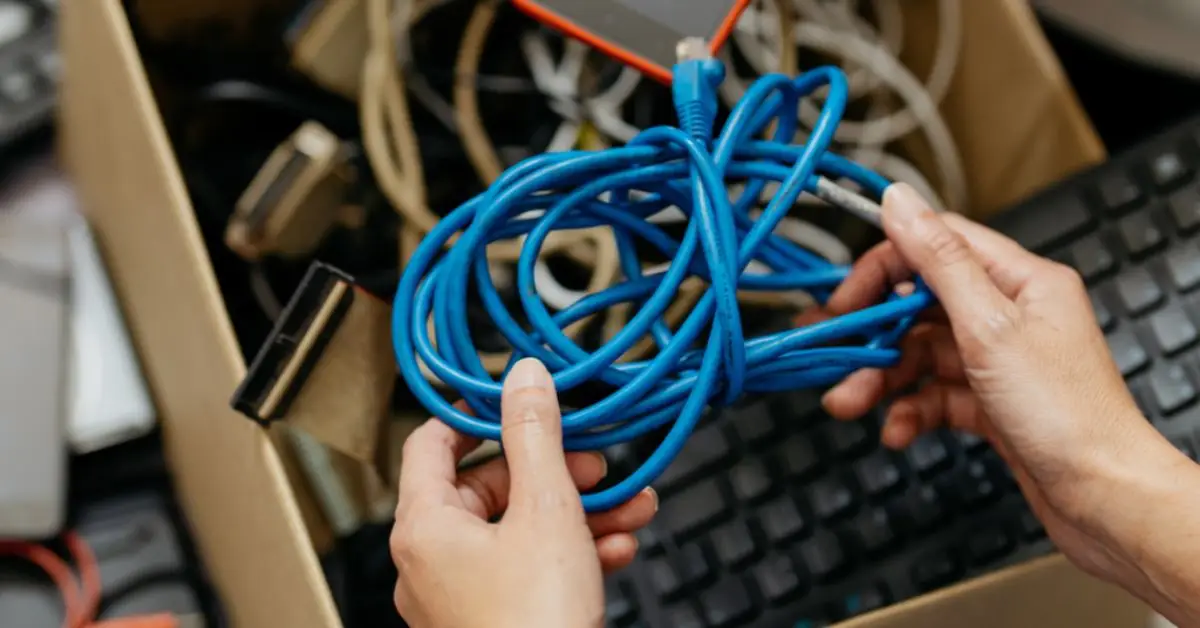
Almost every home has a drawer full of mystery cables.
Minimalists don’t.
- Old phones and unused gadgets
- Chargers you can’t even identify anymore
- Tech kept “just in case” without a plan
If it doesn’t fit your current life or devices, it’s recycled or donated quickly.
8. Decor That Doesn’t Add Meaning or Function
Visual clutter is still clutter—even if it looks decorative.
Minimalists don’t decorate to fill space. They decorate with intention.
- Random vases, signs, excess frames
- Decor bought on impulse, not meaning
- Items that add noise instead of calm
Their rule is simple: If it doesn’t add function or meaning, it doesn’t earn space.
How Minimalists Decide So Fast (Steal This Habit)
You might think minimalists are just naturally good at letting go.
Honestly? It’s not magic. They’ve trained themselves to decide quickly — before emotion interferes.
Most of us look at a thing and think “Maybe I’ll need it.” Minimalists flip that script. Instead of getting stuck debating, they use simple reality checks to eliminate clutter before it even becomes a problem.
Here are the habits that make their decisions fast and effective:
- “Would I buy this again today?”: Minimalists don’t base decisions on memories or bargains — they base them on actual current need. If you wouldn’t purchase it today with clarity, it probably doesn’t deserve space.
- If you haven’t used it recently and have no clear plan, it’s gone: “Someday” doesn’t count as a plan. Minimalists only keep items with a purpose now.
- Rules beat emotions every time: When you follow decision rules instead of guilt or nostalgia, you remove hesitation — and hesitation is clutter’s best friend.
If emotional attachment still makes decluttering hard, reducing visual contact with certain items can help—this is exactly why approaches like the no-contact decluttering method allow people to let go without stress or guilt.
This mindset isn’t just lifestyle fluff. Trusted sources like Livingetc’s guide to what minimalists remove every day explain how daily removal of small clutter — papers, useless items that pile up, and things with no place in your routine — stops clutter from ever gaining a foothold in the first place.
When you start applying quick decision habits, your home stops accumulating stuff — and your mind feels lighter too.
Before we jump to the next part, ask yourself this:
When was the last time you decided whether something in your space truly belongs there today?
Common Mistakes Non-Minimalists Make When Decluttering
This is where most people get stuck—even after reading lists like this.
They start strong. Then clutter quietly comes back.
Here’s why.
- They organize clutter instead of removing it
More bins, more drawers, better labels—but the same amount of stuff.
Organization without removal just hides the problem. - They save items for a fantasy version of life
Clothes for a different body.
Tools for hobbies they don’t practice.
Decor for a home they don’t actually live in.
Minimalists only keep items that support their current life, not an imagined one. That also means being intentional—not everything needs to be thrown away if it still adds real comfort or function, like seating you use daily, which is why restoring instead of replacing can make sense, such as using these expert-approved ways to restore flat couch cushions.
- They declutter once instead of building habits
One big clean-out feels productive.
But without daily decision habits, clutter always returns.
Minimalism isn’t a project you finish.
It’s a habit you practice—one fast decision at a time.
Let me ask you honestly: Which of these mistakes do you catch yourself making most often?