Why Are Home Prices So High? Experts Explain
I’ve been watching the housing market for years, and if you’ve tried buying a home recently, you’ve probably felt it too — prices are just skyrocketing. It’s frustrating, isn’t it? You save, you plan, and suddenly the dream home you had in mind feels completely out of reach.
The truth is, the cost of homes isn’t random. There are real forces at play, and understanding them can give you an edge — whether you’re thinking of buying, selling, or just trying to make sense of the market. At the heart of it all is a simple idea: supply and demand.
More buyers than homes? Prices go up. More homes than buyers? Prices flatten. But in today’s market, that balance is far from normal.
In the sections ahead, I’ll break down the key factors driving housing prices, why some areas are more expensive than others, and what you can do to navigate this crazy market. By the end, you’ll not only understand why houses are so expensive, but also how to think strategically about your next move.
The Simple Economics: Supply and Demand
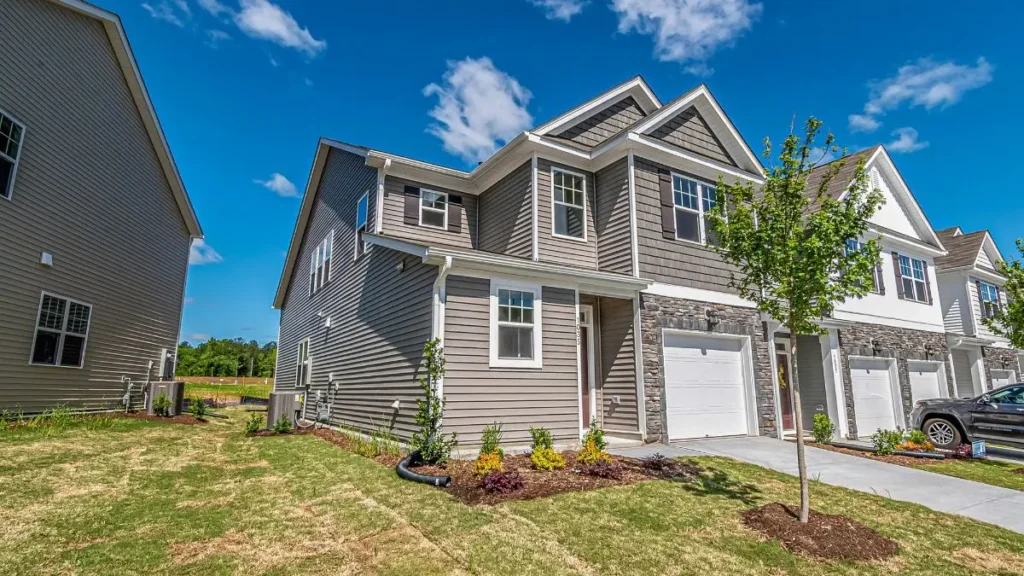
Here’s the part most people miss: housing prices are largely a story of supply and demand. Right now, there are far more people looking for homes than there are homes available. That imbalance alone drives prices up, no magic needed.
According to Zillow research, the U.S. has a shortage of about 4.5 million homes. That means even if you have the perfect budget and are ready to move, there simply aren’t enough houses to go around. Builders are catching up, but it takes years to plan, get permits, and construct new homes. Meanwhile, buyers keep lining up, and prices climb.
Another piece of the puzzle is something called “rate-lock.” Many homeowners refinanced when interest rates were historically low in 2020–2021, locking in monthly payments far below today’s rates.
The result? They’re reluctant to sell and move, which keeps supply tight. Zillow found that in 2023, about 80% of mortgage holders had rates under 5%, and nearly a third were paying less than 3%. That’s a lot of homes not hitting the market.
Practical takeaway: If you’re looking to buy, it helps to understand that you’re competing in a market where inventory is historically low. Planning early and being flexible can give you a real advantage.
Why Prices Differ Across Regions?
You might have noticed homes in some cities cost double or triple compared to others. It’s not just random — local factors play a huge role.
Areas with strict building regulations like Seattle or San Francisco see fewer new homes being built. Combine that with high demand from new residents, and prices soar.
Income and jobs also matter. Cities with booming industries pay more, so homes naturally cost more there. Meanwhile, regions in the South often have cheaper land and fewer construction restrictions, allowing builders to meet demand faster.
Migration patterns affect prices too. Young families, remote workers, or retirees moving to certain metros can create sudden spikes in demand. And let’s not forget amenities: top schools, good transportation, and vibrant communities attract buyers, pushing prices higher.
Practical takeaway: If you’re open to relocating, understanding local supply, job markets, and lifestyle factors can help you find relatively affordable areas without compromising on quality of life.
Understanding Housing Affordability
Affordability isn’t just about the sticker price of a home — it’s about what fits your budget. A common rule is that your mortgage should consume no more than 30% of your household income.
Take Pittsburgh as an example. A typical home there costs around $202,000, which translates to a monthly mortgage of about $1,053, or 19% of the typical household income. That’s well below the 30% threshold and makes the area relatively affordable.
Interest rates play a huge role too. Lower rates reduce your monthly payments, but as rates drop, more buyers enter the market, which can push prices up again. Tools can help you estimate what you can afford based on your income, down payment, and current interest rates.
For quick updates on interest rates, affordability tools, and tips for first-time buyers, you can also join our WhatsApp discussion group where we share bite-sized insights as the market evolves.
Practical takeaway: Always calculate affordability based on your personal finances, not just average home prices. It’s easy to fall in love with a home that feels “affordable” but stretches your budget too thin.
Why Prices Have Climbed Over Time?
If you’ve been paying attention, you’ve seen a steady upward trend in home values over the last decade. But why exactly?
Low interest rates in 2020–2021 encouraged refinances and new purchases, which kept demand high. Construction costs for materials like lumber and steel have risen, pushing builders to charge more. And wages haven’t kept pace with home price growth in many areas, which increases the gap between what buyers earn and what homes cost.
Add in investor activity, population growth, and migration to popular metros, and you’ve got a perfect storm driving prices upward.
If you’re thinking of buying soon, our guide on home buying before year-end can help you plan around price trends and interest rate changes.
Practical Implications for Buyers, Sellers, and Renters
So, what does all this mean for you?
If you’re buying, knowing that supply is tight and prices are high means planning ahead is critical. You might need to act fast or expand your search radius. Sellers, on the other hand, can take advantage of strong demand, but only if your home is priced correctly — buyers are savvy and won’t overpay.
Renters hoping to become homeowners should save aggressively and understand that rates and affordability tools can make a huge difference.
If you’re planning your next purchase, it’s worth checking out how most buyers are aiming to buy in 2026 to see how market trends may affect your timing.
Practical takeaway: Your strategy should always consider both market conditions and your personal financial situation. Timing and flexibility can make a difference in getting a better deal or avoiding overpaying.
Expert & Social Perspectives
It’s easy to get lost in stats, but real people’s experiences tell another story. On Reddit and other forums, buyers complain about bidding wars, while investors discuss the long-term value of homes as an asset.
Experts often point out that low inventory, high demand, and demographic shifts are long-term pressures that aren’t going away anytime soon. Seeing the market through both expert data and real voices gives a more complete picture.
Even small shifts in interest rates can make a big difference — learn more about how a 1% rate change affects your home-buying power in our detailed guide.
Factors That Could Affect Future Prices
Looking ahead, there are several things that could push housing prices even higher — or bring some relief.
Policy changes are one big factor. If local governments relax zoning laws or speed up permits, builders can add more homes to the market, easing supply pressures. On the other hand, stricter regulations or tax changes could slow construction and keep prices elevated.
Interest rates matter too. Even small shifts in mortgage rates can make homes more or less affordable, which in turn influences demand. And don’t forget migration patterns — cities that attract younger families or remote workers may see prices rise faster than areas with shrinking populations.
Construction costs and materials are another variable. Innovations or cost reductions could help builders deliver more homes at lower prices, while shortages or inflation in materials keep prices climbing.
Practical takeaway: Keep an eye on policy, rates, and population trends. They can give you a sense of where prices may head and help you decide whether to buy now or wait.
Key Takeaways: Understanding the Housing Market
Here’s what I want you to remember from all this:
- Supply and demand drive prices. Low inventory and high demand mean homes cost more.
- Local factors matter. Regulations, jobs, income levels, and amenities all shape your market.
- Affordability is personal. Look at your income, mortgage-to-income ratio, and interest rates, not just national averages.
- Historical trends give context. Prices have risen for many overlapping reasons — low rates, construction costs, population growth, and investor activity.
- Stay informed. Tools and expert insights can help you make smarter decisions.
Understanding these patterns can help you feel more confident, whether you’re buying, selling, or just planning for the future.
Final Thoughts
Navigating today’s housing market can feel overwhelming, but knowledge is power. By understanding the forces at play — supply, demand, local regulations, interest rates, and personal finances — you can make smarter, more strategic choices.
Now I want to hear from you: What’s your biggest challenge when it comes to buying a home?
Are you struggling with affordability, timing, or finding the right location? Drop your thoughts below — let’s start a conversation.
Want more tips on making smart home-buying decisions? Explore our guides and insights in our Real Estate & Homeownership section.
Disclaimer: The information provided in this article is for general informational purposes only and should not be considered financial or legal advice. Housing markets can vary widely by location and personal circumstances. Always consult a qualified professional before making major real estate decisions.