Thinking of Selling Your Brand-New Home Fast? Read This First
I still remember the first time I met a new homeowner who thought selling their house after just a year would be a quick win. They were excited about moving closer to work, but when the numbers came in, the excitement quickly turned into frustration. You see, selling a home too soon isn’t just about packing boxes—it can quietly cost you thousands, sometimes even more than you expected.
In this article, I want to walk you through exactly why rushing to sell a new home can hurt your wallet. We’ll break down how mortgage payments, market timing, and hidden costs eat into your profits. I’ll also share practical strategies you can use to protect your equity and make smarter decisions if you ever consider selling sooner than planned. By the end, you’ll know how to avoid the common traps that new homeowners fall into—and keep your hard-earned money where it belongs.
How Selling Too Soon Actually Costs You Money
If you’ve ever thought about flipping your new home after just a year or two, you might want to pause. I’ve seen too many new homeowners assume that any increase in the market price means instant profit—but the reality is more complicated. Selling too soon can quietly drain your equity and leave you feeling like you worked for free. Let’s break down how this happens.
1. Limited Equity Growth in Early Years
When you’re just starting your mortgage, most of your monthly payment goes toward interest, not the principal. That means your actual ownership—or equity—is growing slowly. Even if your neighborhood’s prices rise, selling within 1–3 years often means you barely see any real profit.
Here’s what to keep in mind:
- Early mortgage payments are interest-heavy; principal builds slowly.
- Market gains may not cover your transaction costs if you sell too soon.
- Waiting 5+ years can give your equity a chance to grow enough to make a real return.
2. Transaction Costs Eat Into Your Proceeds
You might be surprised how fast selling eats into your potential earnings. Every sale comes with unavoidable costs:
- Real estate agent commissions (usually 5–6% of the sale price)
- Closing fees and title insurance
- Lender fees for paying off your mortgage early
- Moving expenses and repairs to stage the home
Even a small miscalculation here can turn what looks like a profit into a loss. Understanding these costs upfront helps you make smarter decisions and avoid surprises.
3. Market Timing & Buyer Psychology
Selling at the wrong moment can hurt more than fees. Buyers often assume that a “new owner selling quickly” signals problems, which can depress offers. Plus, if the local market cools, your home may sit longer than expected, forcing you to cut the price just to sell. Timing really matters—and you want to make sure you’re not rushing into a bad window.
Key Financial Factors That Hurt Short-Term Resale Value

Even if you avoid rushing, there are still hidden factors that can shrink your profits. Understanding them can save you a lot of money and stress.
1. Overpricing and the Price Cut Trap
It’s tempting to price your home high, hoping for a quick gain. But here’s what usually happens:
- A high listing can scare off buyers, leaving your home on the market for weeks or months.
- Eventually, you may need to drop the price to attract offers, often lower than your initial expectation.
- Data from The Wall Street Journal shows homes priced above market often see longer days on market and lower net profits.
2. Capital Gains Tax Considerations
Selling before you meet the long-term ownership requirement can trigger short-term capital gains tax, which is taxed at your regular income rate. Waiting at least two years can qualify you for the long-term exclusion, keeping more money in your pocket. Understanding this early can make a huge difference in your net proceeds.
3. Carrying Costs Add Up
Even if you’re ready to sell, remember that mortgage, taxes, insurance, HOA fees, and utilities keep coming. These ongoing costs can add thousands if your home sits on the market longer than expected. Planning for them ensures you don’t eat into your equity while waiting for the right offer.
If you want a clear, expert guide on timing your sale to avoid losing money, check out Realtor’s advice on how long you should live in your home.
Mistakes That Make Loss More Likely for New Homeowners
Selling your home too soon isn’t just about timing—it’s also about the choices you make along the way. I’ve seen homeowners unknowingly amplify losses by taking the wrong steps. Let’s look at the most common pitfalls so you can avoid them.
1. Ignoring Market Comps and Pricing Reality
One of the biggest mistakes I see is pricing a home based on what you want to get, rather than what the market says.
Watch out for:
- Setting prices emotionally, hoping for a quick gain
- Ignoring comparable sales in your neighborhood
- Overestimating upgrades’ impact on price
Being realistic about your home’s value helps you attract serious buyers and avoid extended time on the market.
2. Skimping on Repairs or Buying Renovations That Don’t Pay Off
Another trap is focusing on the wrong updates. I’ve seen homeowners spend thousands on renovations that buyers don’t care about.
Tips to avoid this:
- Prioritize repairs that are obvious or safety-related
- Focus on upgrades that buyers notice and value, like fresh paint or updated fixtures
- Avoid trendy or expensive remodels that rarely recoup costs
Focusing on the right home repairs before selling can save you money and attract serious buyers—small fixes often have a bigger impact than expensive renovations.
3. Poor Listing Strategy (Photos, MLS, Marketing)
Even if your home is priced right, poor exposure can hurt you. Listing errors can force price reductions and longer sale times.
Key points:
- Use professional-quality photos and virtual tours
- Ensure your home is listed correctly on the MLS
- Invest in marketing channels that reach serious buyers
For detailed tips on avoiding common listing mistakes, Zillow has some excellent guidance on preparing your home for sale.
Smart Strategies to Avoid Losing Money on a New Home Resale

Now that we’ve covered what not to do, let’s focus on practical steps you can take to protect your equity and make smart selling decisions.
1. Wait for the Right Market Signal (Data‑Driven Timing)
Before you list, I always recommend checking local trends:
- Buyer demand in your neighborhood
- Interest rates and mortgage conditions
- Recent comparable sales
Waiting for the right moment can make a huge difference in your net proceeds.
2. Price Strategically with Professional Input
A smart price attracts buyers quickly and reduces the risk of cutting the price later. I suggest:
- Using a Comparative Market Analysis (CMA)
- Getting an appraisal if needed
- Consulting an experienced real estate agent
Following these steps ensures your price is realistic and competitive without leaving money on the table. Understanding your home’s true selling value can help you price strategically and avoid overpricing, which often delays sales and reduces your profit.
3. Improve Value Where It Helps Most
You don’t need to renovate the whole house. I always tell clients to focus on high-ROI improvements:
- Fresh paint in neutral colors
- Minor kitchen or bathroom updates
- Curb appeal and landscaping
Avoid trendy cosmetic changes that won’t appeal to buyers. Smart updates pay off when done correctly.
4. Know Tax Timing & Exemptions Before You List
Taxes can quietly eat into your profits. Here’s what I consider critical:
- Selling before two years may trigger short-term capital gains tax
- Long-term ownership may qualify you for exclusion, keeping more cash in your pocket
- Plan ahead so your timing maximizes net proceeds
Action Plan Checklist Before You Consider Selling
Before you decide to sell, I always tell homeowners to run through this quick checklist. It helps you see if you’re truly ready or if waiting could save you thousands.
Financial Readiness:
- Do you have enough equity to cover selling costs?
- Have you calculated potential short-term capital gains tax?
- Are your mortgage and carrying costs manageable if the home sits longer than expected?
Market Readiness:
- Have you analyzed local buyer demand and trends?
- Do comparable homes support your expected sale price?
- Is the market favorable for sellers or buyers right now?
Preparation Readiness:
- Is your home in good repair and staged for sale?
- Are photos and listing materials high-quality?
- Have you lined up trusted real estate professionals for guidance? It’s also important to understand any legal disclosure requirements when selling a home in your state, as they can impact the sale.
Running through these points ensures you’re not making a rushed, costly decision.
Legal and Financial Resources to Consult
Making informed decisions also means knowing where to get reliable guidance. Here are some resources I recommend:
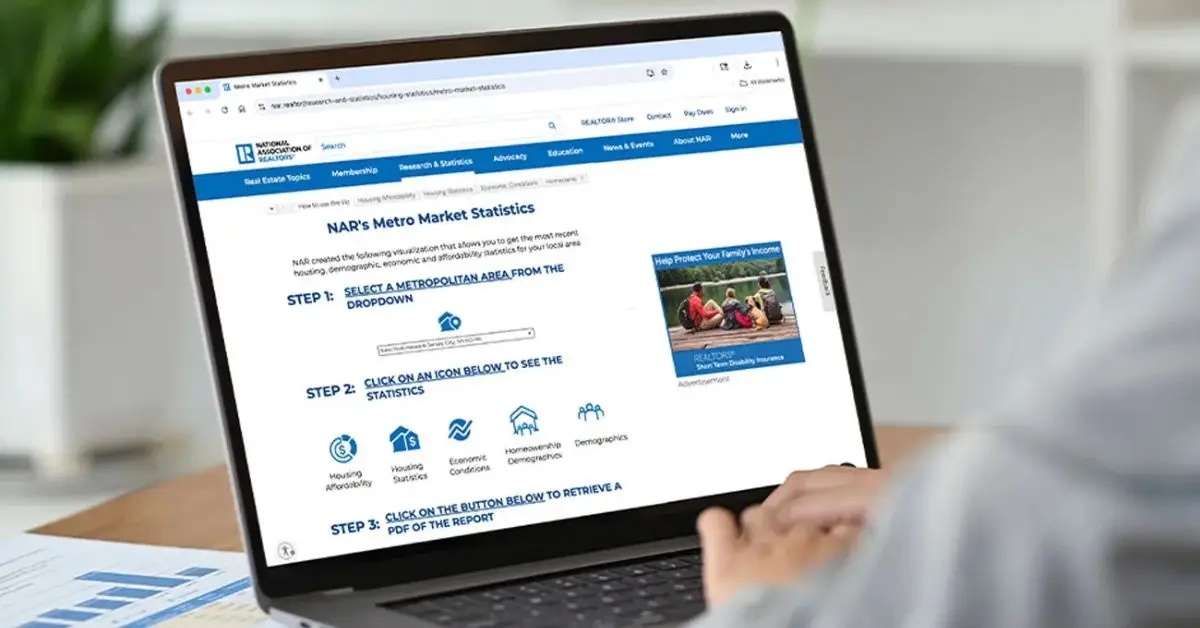
- National Association of Realtors (NAR) reports for market data and trends
- IRS tax guidelines for capital gains and homeowner exemptions
- Professional appraisers for accurate valuation
- Local government property databases for recent sales and assessments
For a detailed look at pricing strategies and how overpricing can hurt your sale, check out The Wall Street Journal’s guide on pricing mistakes.
Summary of Smart Selling Decisions
Let me wrap this up: selling your new home too soon can quietly cost you money, even if the market looks good. The key takeaways:
- Understand how equity grows and account for transaction costs
- Avoid common mistakes like emotional pricing, poor renovations, or low-quality listings
- Time your sale carefully and make data-driven decisions
- Use experts, resources, and checklists to protect your investment
If you want to stay smart about home ownership and learn practical ways to build and maintain value, I’d love for you to check out my site, Build Like New, where I share actionable advice for homeowners like you.
Have you ever considered selling your home sooner than planned? Share your experience in the comments below—I read every one.
Disclaimer: The information in this article is for general informational purposes only and should not be considered financial, tax, or legal advice. Always consult a qualified professional before making decisions about buying or selling real estate.