Your Home Collects More Dust in Winter — Here’s Why (and 8 Easy Fixes)
Every winter, I hear the same thing from homeowners: “I just cleaned—so why does my house already look dusty again?” If that sounds like you, you’re not imagining it. Winter genuinely changes what’s happening inside your home.
When the temperature drops, windows stay shut, heaters run longer, and indoor air gets drier. All of that traps dust and keeps it moving around instead of letting it settle or escape. You’re also indoors more, which adds to the buildup. The result? Dust shows up faster and feels harder to control, even when you’re cleaning regularly.
I’ve spent years studying how seasonal changes affect indoor air and cleaning routines, and winter always stands out. The problem usually isn’t effort — it’s timing and approach. Dusting the same way you do in summer often doesn’t work once cold weather sets in.
In this guide, I’ll walk you through why winter makes homes dustier, how often you actually need to dust during this season, and what adjustments make the biggest difference. Nothing complicated — just practical fixes you can use right away.
Before we dive in, tell me this: after you dust in winter, how long does it take before you notice it creeping back?
The Winter Dust Problem — What Changes Indoors in Cold Months
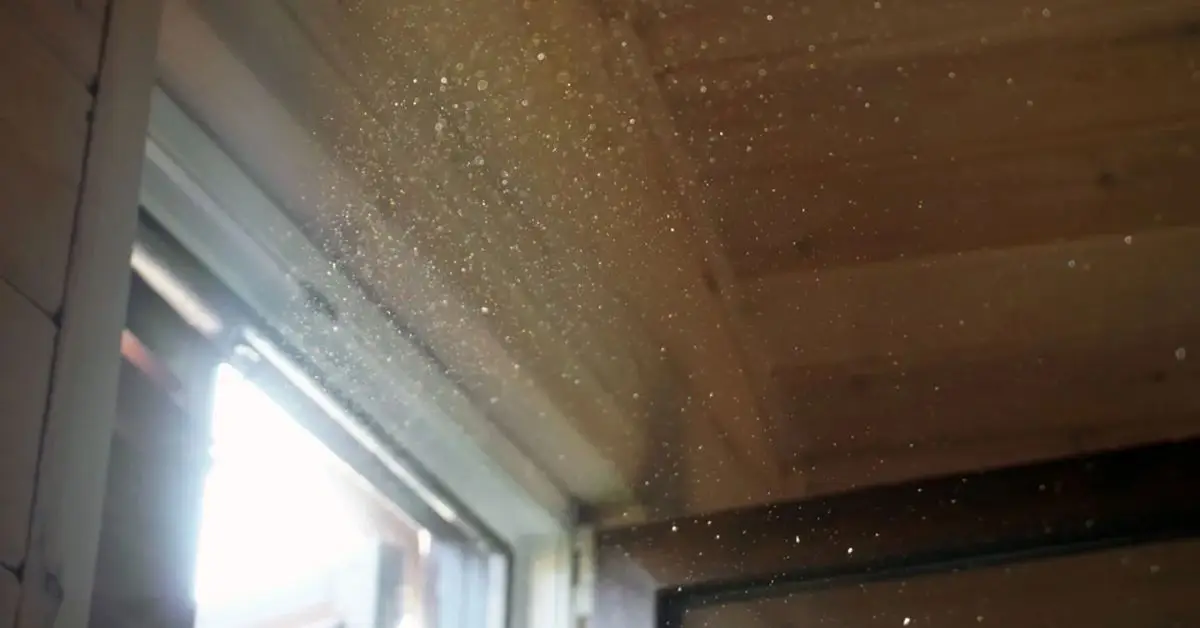
If you’ve ever felt like dust suddenly gets out of control the moment winter starts, you’re not wrong. I see this every year. The season quietly changes how your home “breathes,” and dust takes advantage of it.
Let me walk you through what’s really happening indoors once cold weather sets in — because understanding this makes your cleaning routine make a lot more sense.
Tightly Sealed Homes and Poor Ventilation
In winter, you and I both do the same thing: we shut the windows, seal drafts, and keep the cold air out. That helps with heating bills, but it also traps everything inside — including dust.
Fresh air stops cycling through your home, so dust from:
- Skin cells
- Fabric fibers
- Pet dander
- Outdoor particles tracked inside
has nowhere to go. It just keeps circulating and settling on surfaces again and again.
Indoor air quality experts at Oransi explain that reduced ventilation during winter is one of the biggest reasons dust buildup feels worse indoors.
Heating Systems Circulate Dust Constantly
Once your heater kicks on, it doesn’t just warm the air — it moves it. Every time warm air pushes through your vents, it picks up dust sitting inside ductwork, around filters, and near vents.
That means:
- Dust gets redistributed room to room
- Recently cleaned surfaces don’t stay clean for long
- You may notice buildup near vents, baseboards, and furniture edges
If your filter isn’t changed often enough, this cycle gets even worse. The dust never really leaves your home — it just keeps doing laps.
Dry Air Keeps Dust Airborne Longer
Winter air is dry, both outside and inside. When humidity drops, dust particles don’t settle quickly. Instead, they float longer and move more easily through the air.
This is why:
- Dust seems to reappear overnight
- You see it more clearly on dark furniture and electronics
- Your home feels dusty even shortly after cleaning
Dry air doesn’t create more dust — it just makes it harder to control. Winter isn’t the only reason dust builds up indoors — if your home feels dusty year-round, some of these less obvious causes of constant dust buildup might be working against you without you realizing it.
How Often You Should Dust in Winter — Expert Guidelines
Now that you know why winter dust behaves differently, let’s talk about the question you actually care about: how often you should dust during this season.
I’ll keep this practical and realistic — no perfection required.
Baseline Weekly Dusting — The Minimum Standard
For most homes, once-a-week dusting is the baseline in winter. That’s usually enough to prevent heavy buildup and keep allergens under control.
Weekly dusting works well if:
- You don’t have pets
- No one in your home has allergies
- Your HVAC filter is changed regularly
- Dust doesn’t reappear quickly
Think of this as maintenance, not deep cleaning.
When to Dust More Often (2–3 Times per Week)
Some homes need more attention — and that’s normal.
You may need to dust more often if:
- You have pets that shed
- Someone in your home has allergies or asthma
- You work from home and spend more time indoors
- You notice visible dust within a few days
In these cases, quick touch-ups between full cleanings matter more than doing one long session.
Special Cases — Deep Dusting vs Quick Touch-Ups
Not all dusting is the same, and this is where many people burn out.
Here’s how I separate it:
- Quick dusting: visible surfaces like tables, shelves, and electronics
- Deep dusting: vents, ceiling fans, baseboards, light fixtures, and high shelves
In winter, quick dusting keeps things looking clean. Deep dusting — done occasionally — helps reset the environment so dust doesn’t come back as fast.
Once you match the frequency to how your home actually functions in winter, dust stops feeling like a losing battle.
Fix 1 — Tune Your HVAC and Change Filters More Often in Winter
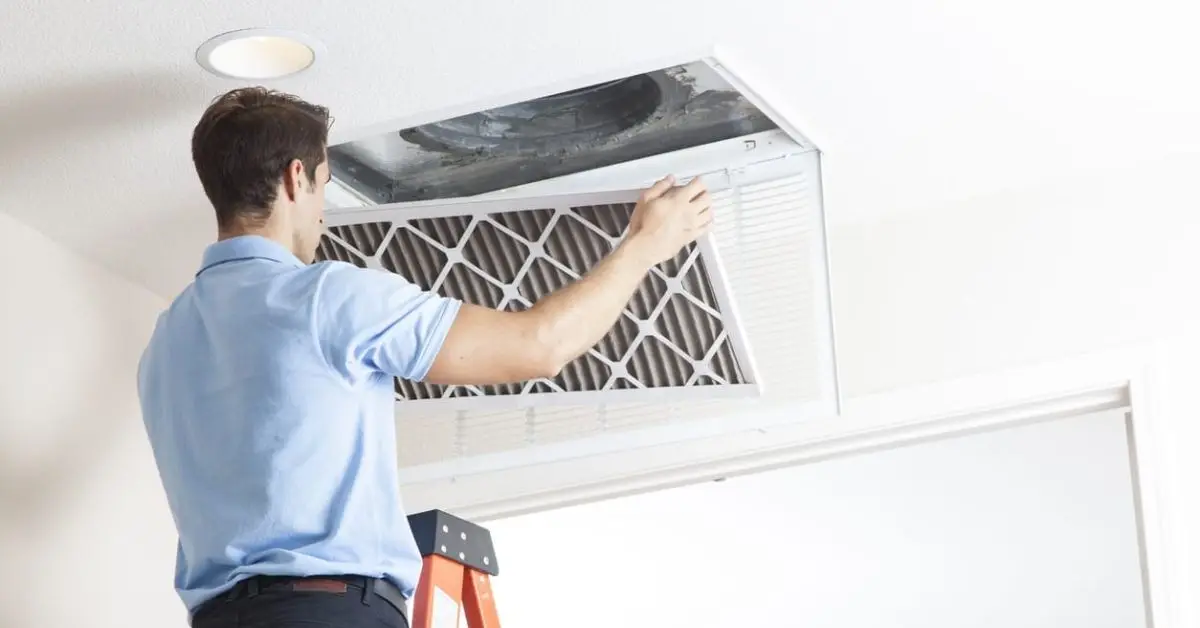
If there’s one thing I always check first when a home feels dusty in winter, it’s the HVAC system. In cold months, your heater runs far more than it does in summer — and that changes everything.
Here’s the key shift most people miss:
a filter that lasts three months in summer often shouldn’t last that long in winter.
In winter, I recommend:
- Changing HVAC filters every 30–45 days, not quarterly
- Using higher-quality pleated filters instead of basic fiberglass ones
- Checking vents for visible dust buildup
Your HVAC system is constantly pulling air in and pushing it back out. If the filter is dirty or weak, dust doesn’t get trapped — it gets redistributed across your home.
Fix 2 — Use the Right Tools: Damp Microfiber Beats Dry Dusting
I’ll be blunt here: dry dusting looks productive, but it often makes the problem worse.
When you use a dry cloth or feather duster:
- Dust gets lifted into the air
- Particles resettle on nearby surfaces
- You end up cleaning the same spots again
What works better — especially in winter — is slightly damp microfiber or tools designed to trap dust.
According to home cleaning experts cited by Yahoo Home, dry winter air keeps dust airborne longer, which is why trapping it matters more than sweeping it away.
Better winter tools:
- Lightly damp microfiber cloths
- HEPA-equipped vacuums for furniture and floors
- Vacuum brush attachments for shelves and baseboards
Fix 3 — Maintain Indoor Humidity (30–50%)
This fix doesn’t get enough attention, but I’ve seen it make a noticeable difference within days.
Winter air is dry. Dry air lets dust float longer. When humidity drops too low, dust doesn’t settle — it stays suspended and keeps landing on surfaces.
The sweet spot is 30–50% indoor humidity.
You can get there by:
- Using a humidifier in main living areas
- Running bathroom fans briefly after showers (then turning them off)
- Avoiding over-drying the air with constant heat
You don’t need tropical humidity — just enough moisture to help dust fall instead of hover.
Fix 4 — Target High-Dust Surfaces and Forgotten Spots

If dust keeps coming back fast, it’s often because it’s hiding in places you’re not touching.
From real homeowner experiences and cleaning discussions, these spots come up again and again:
High and overlooked areas
- Ceiling fans
- Light fixtures
- Top edges of shelves
Low and ignored zones
- Baseboards
- Crown molding
- Vent covers
Daily dust magnets
- Window sills
- Electronics and TV screens
- Computer desks
When these areas are skipped, they slowly release dust back into the room — undoing your regular cleaning. If you’ve done any DIY repairs or home projects recently, fine dust from sanding can linger far longer than expected — which is why using dust-reducing methods like wet sanding drywall helps prevent long-term dust issues.
Fix 5 — Better Entryway Habits to Stop Dust at the Door
If dust keeps coming back no matter how often you clean, I always look at the entryway next. Winter brings in more than cold air — it brings dirt, salt, pollen residue, and fine particles on shoes and boots.
Small habit changes here go a long way:
- Leave outdoor shoes at the door
- Use a heavy-duty mat outside and another inside
- Keep winter boots in a tray so dried debris doesn’t spread
Every step taken inside with outdoor shoes adds dust you later have to clean up.
Fix 6 — Wash Fabrics More Often Than You Think You Need To
Soft surfaces quietly produce a lot of dust, especially in winter when you’re using them more.
I’m talking about:
- Bedding and pillowcases
- Throw blankets on sofas
- Area rugs and fabric cushions
Curtains are another major dust collector that often gets ignored — especially in winter — and following these simple steps to remove dust from curtains can noticeably improve indoor air quality.
These fabrics collect skin cells and shed fibers, which turn into dust over time. Washing them weekly or biweekly during winter can noticeably reduce how fast dust builds up on hard surfaces.
Fix 7 — Boost Air Purification Between Cleanings
You can’t dust every hour — and you shouldn’t have to. This is where air purifiers help.
A purifier with a true HEPA filter works quietly in the background, pulling dust out of the air before it lands on shelves and tables. I’ve seen the biggest difference in:
- Bedrooms
- Living rooms
- Home offices
According to indoor air health guidance referenced by Healthline, improving indoor air quality during winter can reduce airborne particles that contribute to dust buildup.
Fix 8 — Do a Seasonal Deep Clean Before (and During) Winter

This step sets the tone for the entire season.
A pre-winter deep clean removes dust that’s been hiding all year — the kind that keeps resurfacing once heating starts. Focus on:
- Closets and cupboards
- Storage shelves
- Behind large furniture
- Vent covers and fan blades
You don’t need to do this monthly. Once before winter, and once midway through the season, is usually enough.
Winter dust feels frustrating because it builds quietly and fast. But once you block it at the door, clean the fabrics, improve the air, and reset your space seasonally, it stops feeling endless.
Let me ask you — which of these do you not currently do, but feel could make the biggest difference in your home?
Common Mistakes That Make Dust Problems Worse
I’ve seen people clean more in winter and still feel like their home never stays dust-free. Most of the time, it’s not effort — it’s a few habits quietly working against them.
Here are the biggest ones I run into:
- Using feather dusters or dry cloths: These don’t remove dust. They lift it into the air, where it floats around and settles back down hours later.
- Ignoring vents and HVAC upkeep: You can wipe every surface, but if vents and filters are dirty, dust keeps getting pushed back into your rooms.
- Waiting until dust is visible: By the time you see it, a lot more is already in the air and on hidden surfaces.
These mistakes undo even frequent dusting and make winter cleaning feel pointless.
Optional Tools and Product Picks That Actually Help
I’m not big on buying things just for the sake of it, but a few tools genuinely make winter dust easier to manage — especially when they’re used correctly.
Here’s what I usually recommend:
- Humidifier (set between 30–50%): This range is backed by indoor air quality guidance from the EPA and helps dust settle instead of floating.
- HEPA air purifier: Useful for bedrooms, living rooms, and home offices where dust keeps returning between cleanings.
- Microfiber cloths over traditional dusters: Microfiber traps particles instead of spreading them, which matters more in dry winter air.
A Cleaning Routine That Works With Winter, Not Against It
Winter dust isn’t a sign that you’re doing something wrong. It’s a sign that your home behaves differently this time of year.
When you:
- Adjust how often you dust
- Stop dust at the door
- Control dry air
- Clean fabrics and hidden spots
- Support everything with better airflow and filtration
dust becomes manageable instead of constant.
That’s the same approach I follow — and the same mindset we focus on at Build Like New: practical habits that keep homes feeling fresh without turning cleaning into a full-time job.
I’d love to hear from you in the comments — Which part of winter dust frustrates you the most right now? And if you want more realistic, no-nonsense home care guides, explore more tips on Build Like New and make your space feel new again, season after season.
Disclaimer: The information shared in this article is for general home care and educational purposes only. Cleaning needs can vary based on home size, HVAC systems, health conditions, and lifestyle. For medical or air-quality–related concerns, consult a qualified professional.