Too Many Flies in Your Home? 3 Simple Fixes That Work
You walk into your kitchen, and there they are again. Flies. On the counter, near the sink, buzzing like they belong there. You clean your home, take the trash out on time, and don’t leave food lying around—so this doesn’t make sense.
I’ve dealt with this issue in real homes for years, and one thing is clear: flies don’t appear without a reason. When they keep showing up indoors, there’s always a trigger—sometimes obvious, sometimes hidden in plain sight. And no, it doesn’t automatically mean your house is dirty.
What usually happens is that people focus only on the visible stuff—trash cans, food crumbs, open windows. But flies are smarter than that. They’re drawn to warmth, moisture, and tiny food sources most people never think about, and once they find a way in, they multiply fast.
In this guide, I’ll walk you through why your house is full of flies and what’s actually causing them to stick around. Then I’ll share three fast ways to get rid of them—practical steps that work in real life, not just on paper.
Before we get into solutions, take a moment to think: are the flies gathering around one specific area of your home, or do they seem to be spreading everywhere?
What Kind of Flies Are We Talking About? (Quick Identification)
Before I talk about causes or fixes, I always start here—and you should too. Every fly problem looks the same at first, but the solution changes based on what kind of fly you’re dealing with. If you misidentify them, you end up trying random tricks that don’t work.
Here’s a quick way I help people figure it out.
Different types of flies you might be seeing:
- House flies: Medium to large in size, loud buzzing, usually seen near trash cans, kitchen counters, or windows. They move fast and rarely stay in one place.
- Fruit flies: Very small, light brown, and often hovering around fruits, wine glasses, or garbage bins. If you notice a swarm-like behavior, these are likely it.
- Drain flies: Tiny, fuzzy-looking flies that stick close to sinks, showers, or floor drains. They’re weak flyers and often sit on walls.
- Cluster flies: Larger and slower, commonly found near windows or attics, especially during seasonal changes. They tend to gather in groups.
This step matters more than most people realize. Pest experts at Orkin explain that different flies are attracted to different environments—and that’s why one-size-fits-all fixes fail. When you know the type, you save time, money, and frustration.
If you’re unsure right now, keep reading. The causes below usually make the answer obvious.
Top Causes — Why Your House Is Suddenly Full of Flies
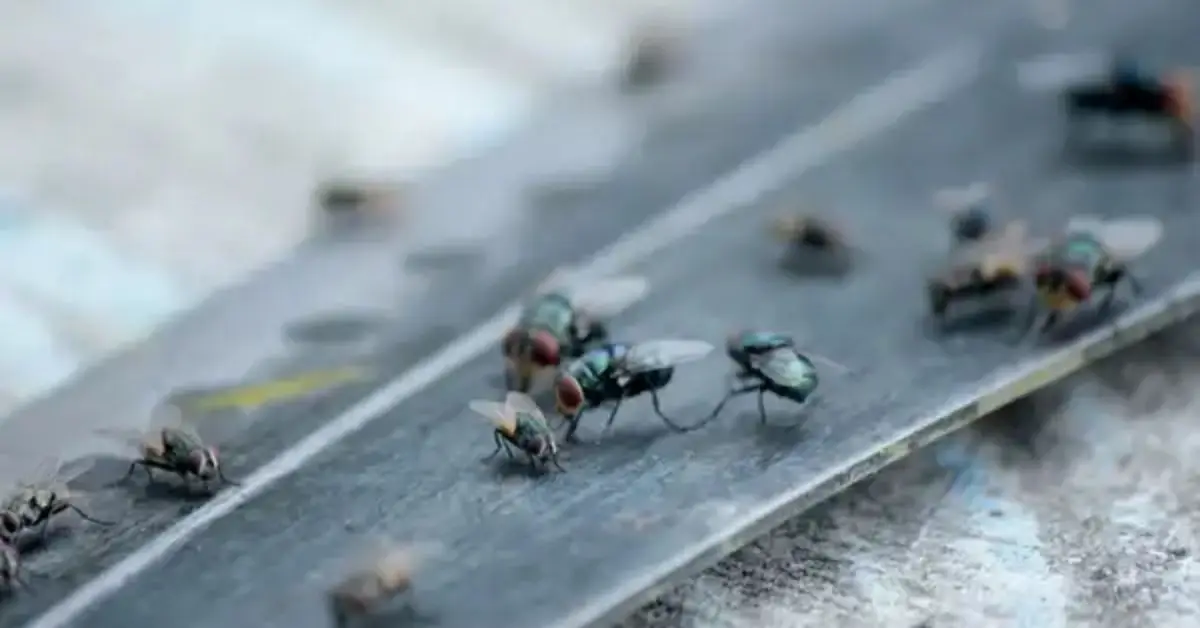
I hear this question all the time: “My house was fine, then suddenly—flies everywhere.”
That doesn’t happen by accident. Flies follow food, moisture, warmth, and access.
Ignored Attraction Points That Invite Flies Inside
1) Food Waste, Garbage & Organic Debris
You don’t need a dirty home to attract flies—just small opportunities.
Common triggers include:
- Overripe fruit left out
- Trash cans without tight lids
- Pet food bowls sitting overnight
- Tiny spills or crumbs that build up over time
Once flies find food, they don’t just hang around. They start laying eggs, which is why numbers increase so quickly.
2) Moisture and Hidden Breeding Sites
This is one of the biggest reasons flies won’t go away.
Look closely at:
- Slow or clogged drains
- Damp sink pipes
- Overwatered indoor plants
- Moist areas in bathrooms or laundry rooms
Moisture plus organic residue creates a perfect breeding spot that most people never notice.
3) Structural Entry Points & Warmth Seeking
Even clean homes can have fly problems if entry points are ignored.
Check for:
- Torn or loose window screens
- Gaps around doors or vents
- Small openings near cables or pipes
Flies are drawn to warmth, especially when seasons change, and your home becomes an easy shelter. Seasonal shifts often trigger pest problems, and many homeowners unknowingly follow seasonal home habits that quietly invite pests indoors.
4) Pets & Waste You Didn’t Think About
This one surprises a lot of people.
Flies are often attracted to:
- Litter boxes that aren’t cleaned daily
- Pet waste near doors or windows
- Feeding areas with leftover food
If you have pets, flies may be reacting to smells you’ve stopped noticing.
Before moving ahead, think about this for a second: where do you see the flies the most—kitchen, bathroom, near windows, or around pet areas?
3 Fast — but Effective — Ways to Get Rid of Flies Now
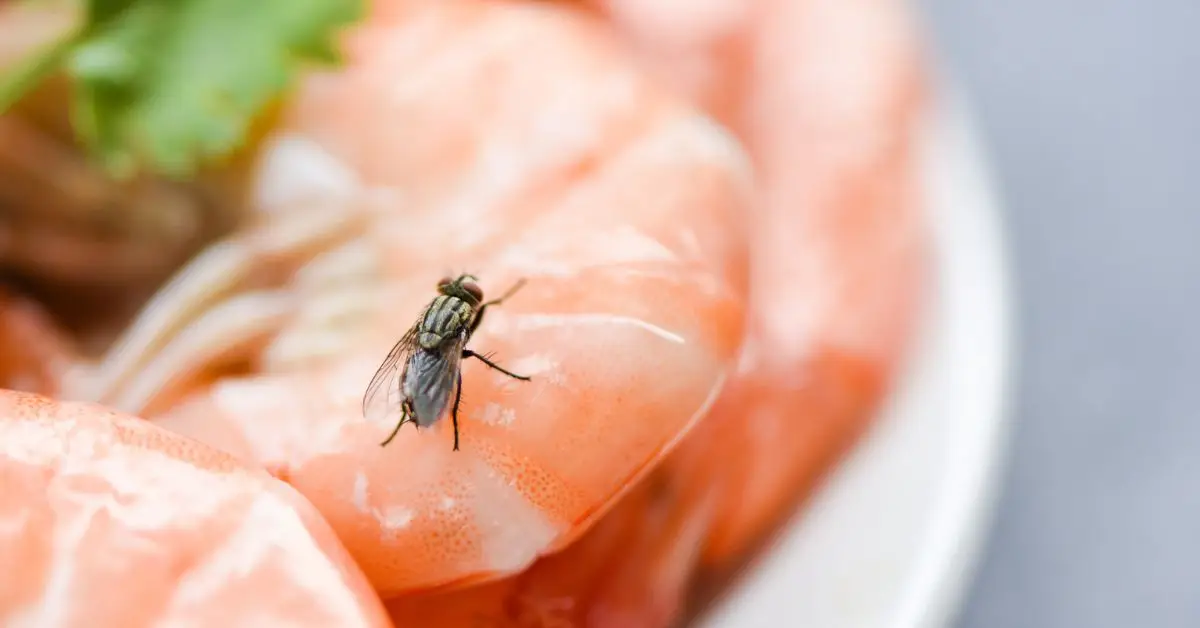
If you’re here, you’re probably not just curious. You want the flies gone—now. I get it. When flies are buzzing around your food or face, long checklists don’t help. What actually works is doing the right few things first, in the right order.
That’s exactly what this section is about.
Solution #1 — Flies Gone Fast: Eliminate the Source
Before traps, sprays, or hacks, I always start here. If the source stays, flies keep coming back—no matter what you try.
Sanitize and Remove What Attracts Them
Focus on these first:
- Wipe spills the moment they happen
- Use tight-lid garbage bins and empty them often
- Remove overripe fruits from counters
- Scrub sink and floor drains where residue builds up
This works fast because flies don’t just visit food—they breed around it. Once you cut off food and breeding spots, their numbers drop quickly. Health experts at Healthline point out that decaying organic matter is the main reason flies multiply indoors, even in clean homes.
If you do only one thing today, make it this.
Solution #2 — Trap or Repel Flies Quickly
Once the source is handled, this is how you reduce what’s already flying around.
DIY Traps That Work Today
These aren’t fancy—but they work.
- Apple cider vinegar mixed with a few drops of dish soap
- DIY bottle traps with sweet liquid bait
Traps are effective because they target flies that are already inside, not just future ones. They’re simple, cheap, and give quick results.
Repellents That Drive Flies Out
If traps aren’t enough, repelling helps push flies away from living areas.
- Basil or lavender near windows
- Lemongrass or essential oil sprays in problem zones
Strong smells disrupt how flies navigate, making your space less inviting almost immediately.
Solution #3 — Stop Them Coming Back — Barriers & Prevention
This is where most people slip. Flies are gone for a few days, then suddenly… they’re back.
Seal Entry Points & Upgrade Screens
Check and fix:
- Torn window screens
- Gaps under doors
- Loose vents or frames
Blocking entry is one of the fastest long-term fixes, especially if flies keep returning despite cleaning. Pairing this with a few smart home habits that keep pests out year-round makes the results last longer.
Strategic Airflow & Fans
This sounds simple, but it works.
- Place fans facing outward near doors or windows
- Keep airflow moving in fly-heavy rooms
Flies struggle against strong air currents, and steady airflow can keep them from settling indoors.
When You Might Need Professional Help
I’m all for DIY fixes—but I’ll be straight with you. Sometimes flies aren’t just a household nuisance. They’re a sign of a deeper problem that cleaning and traps won’t fully solve.
Signs It’s Beyond DIY
Pay attention if you’re dealing with any of these:
- Flies keep coming back even after deep cleaning, traps, and sealing entry points
- Visible maggots in trash bins, drains, or hidden corners
- Cluster flies that return season after season, especially near windows or attics
At this point, it’s usually not about effort—it’s about access. Professional pest teams are trained to find breeding sites you can’t see, like wall voids or structural gaps. Large pest-control providers such as Rentokil consistently point out that recurring infestations often need professional inspection to fully break the cycle.
If you’ve tried everything and the flies still win, getting help isn’t failure—it’s efficiency. This is also true for other common household pests that show up quietly, which can often be handled early without calling pest control.
Prevention Checklist — Long-Term Fly Control

Once flies are gone, this is how you keep them from coming back. I like to think of this as maintenance, not overkill.
Daily & Seasonal Habits That Keep Flies Away
Use this as a simple checklist:
- Keep trash bins sealed tightly and emptied often
- Clean sink and floor drains regularly
- Don’t leave pet food or water bowls out overnight
- Place herb planters like basil or mint near doors and windows
- Seal small gaps and repair screens before warm weather starts
Most articles dump prevention tips in a long list. What actually works is consistency—and knowing when to do what. Small habits, done regularly, make your home uninviting to flies.
Unexpected Fly Attractors to Watch For
This is where things get interesting—and where many people feel stuck.
Hidden Triggers Most Sites Don’t Cover
I’ve seen fly problems continue even when homes look spotless. These are the quiet causes people miss.
Pet Litter Box Zones
Even if you clean regularly, lingering odors can attract flies—especially in warm weather.
Damp Indoor Plants & Soil
Overwatered plants create moisture and organic matter, which flies love more than you’d expect.
Neighboring Waste Areas
If a neighbor’s trash, compost, or outdoor bins are close to your windows or doors, flies may be coming from outside—not your home.
These patterns show up again and again in real homeowner stories shared on forums like Reddit, where people describe fly issues with no obvious indoor cause. That real-world context matters because it explains why “doing everything right” doesn’t always fix the problem.
Now let me ask you something important: have you been treating the flies—or have you been fighting the same cycle over and over without knowing why?
Conclusion
You’re not dealing with flies because you’re careless or messy. In most cases, flies show up because of small things that go unnoticed—moisture hiding in drains, tiny entry points, pet areas, or seasonal changes that turn your home into an easy shelter. Once you understand why they’re there, getting rid of them stops feeling random and starts feeling controllable.
The key is simple: identify the type of fly, remove what’s attracting them, act fast with the right methods, and block their way back in. Do that consistently, and flies stop being a recurring problem instead of a constant frustration.
If you’re working on making your home cleaner, healthier, and more livable overall—not just fly-free—you’ll find more practical home guidance on Build Like New, where the focus is on real fixes, not quick hacks.
Now I want to hear from you. What kind of flies are you seeing in your home right now—and which area do they show up in the most? Drop your experience in the comments.
Disclaimer: The information shared here is for general home-care guidance only. Results may vary based on the type of fly, home conditions, and severity of infestation. For persistent or large-scale fly problems, professional pest control advice may be necessary.