Winter Bugs Are Spreading at Home — 5 Things You Should Do Today
Every winter, it starts the same way. One person in the house gets sick, then another. Someone’s coughing, someone’s exhausted, and suddenly you’re disinfecting door handles and wondering how it spread so fast. I’ve seen this pattern repeat year after year, and it’s rarely random.
When we talk about “winter bugs,” we usually think of colds or the flu. But it’s more than that. Viruses spread faster in dry indoor air, germs stick around longer on everyday surfaces, and even household pests find their way inside looking for warmth. All of it adds up, quietly and quickly.
What I’ve learned over time is that prevention isn’t about doing everything—it’s about doing the right few things early. Small habits, when timed well, make a bigger difference than last-minute cleaning or panic remedies after someone’s already sick.
If you’re here, you probably want clear, practical steps you can trust. Not scare tactics. Not long explanations. Just things that actually help protect your home and the people in it. That’s exactly what I’ll walk you through next.
Before we begin, think about this for a moment: what’s the one daily habit in your home that could be making winter bugs spread without you realizing it?
1. Strengthen Your Defenses: Immune Support First
Before I talk about cleaning sprays or wiping surfaces, I always start here—your immune system. Because if your body is already run down, even the cleanest home won’t fully protect you.
Winter puts your immune system under real pressure. Less sunlight, more time indoors, poor sleep schedules, and constant exposure to others all add up. If you want to keep winter bugs away, this is where the work actually begins.
Vaccines: timing matters more than people think
I know vaccines can feel like old news, but their timing still matters. Flu, COVID, and RSV shots don’t just lower your chances of getting sick—they reduce how severe the illness gets and how easily it spreads at home. That’s especially important if you live with kids, older adults, or anyone with a weaker immune system.
Medical experts at Stanford News explain that winter viruses spread faster indoors, which is exactly why prevention before peak season makes such a difference.
Nutrients that actually support immunity
You don’t need a shelf full of supplements, but a few basics matter more than others:
- Vitamin D – supports immune response, especially when sunlight is low
- Zinc – helps your body fight viruses early
- Vitamin C – supports immune cells under stress
- Probiotics – help gut health, which plays a role in immunity
I always tell people this: supplements help most when your diet or lifestyle is lacking. They’re support tools, not shortcuts.
Daily habits that quietly protect you
This part sounds simple, but it’s where most people slip:
- Sleeping less than 6–7 hours weakens immune response
- Not drinking enough water dries out nasal passages, making it easier for viruses to enter
- Skipping balanced meals lowers your body’s ability to recover
If you take care of these basics, your body does a lot of the work for you.
2. Habit-Proof Your Home: Hygiene and Surface Defense
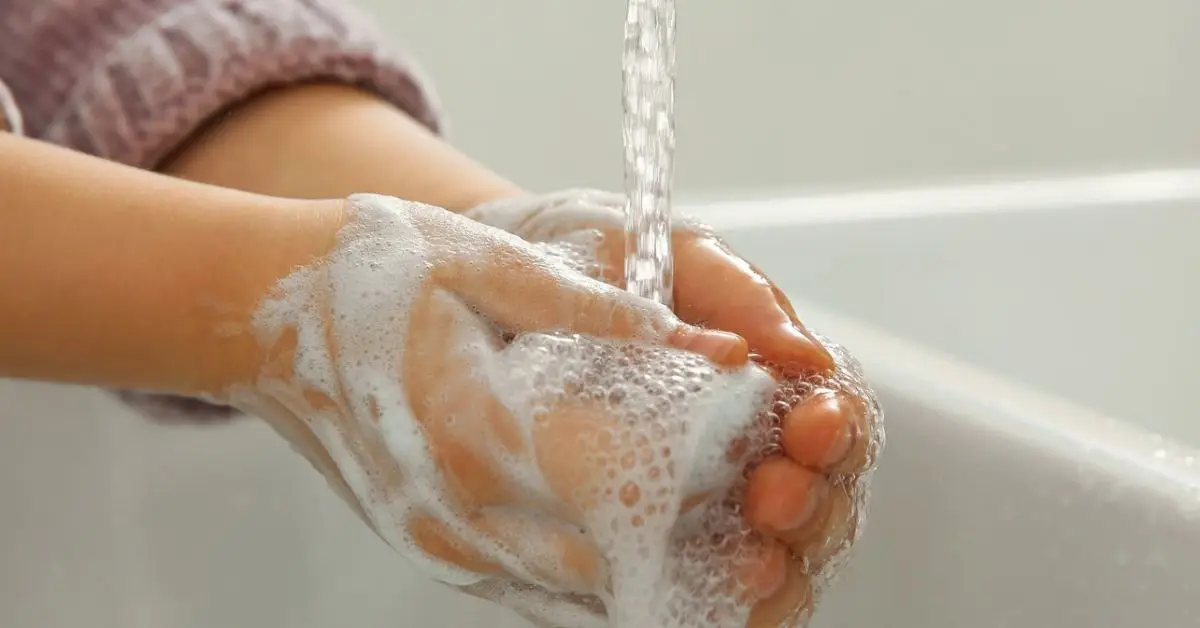
Once your body is supported, the next layer is stopping bugs from spreading inside your home. This isn’t about deep cleaning every day—it’s about focusing on the right habits.
I’ve seen people clean the wrong things very thoroughly and still get sick. The issue isn’t effort. It’s targeting.
Wash your hands the right way, not just often
Handwashing only works if it’s done correctly. That means:
- Before eating or cooking
- After coming home from outside
- After coughing, sneezing, or blowing your nose
Use soap and water, scrub for about 20 seconds, and don’t rush it. Hand sanitizer helps when you’re out, but it doesn’t replace proper washing at home.
Focus on high-touch areas people forget
Viruses can survive on surfaces longer than most people realize. I recommend paying extra attention to:
- Door handles and light switches
- TV remotes and phone screens
- Faucet handles and fridge doors
- Keyboards and mouse pads
A quick wipe once a day in winter goes further than a full clean once a week.
Laundry habits that reduce reinfection
Sheets, pillowcases, and towels collect more than dirt—they trap germs and allergens. Washing them weekly during winter helps stop bugs from cycling back into your system when you’re trying to recover.
If someone in the house is sick, separating their laundry and towels can quietly reduce spread without making life complicated.
These habits work together. When your immune system is supported and your home stops helping germs move around, winter bugs lose their biggest advantage.
Let me ask you something—if you had to guess, which surface in your home gets touched the most but cleaned the least?
3. Air Quality and Moisture: Control What You Can’t See
This is the part most people never think about—and honestly, it’s one of the biggest reasons winter bugs spread so easily. You can’t see dry air or stale air, but your body feels it. Your nose, throat, and lungs are your first defense, and winter air quietly weakens them.
I’ve noticed that homes feel “clean” in winter but still make people sick. Air is usually the missing piece.
Manage indoor humidity (this matters more than you think)
When indoor air gets too dry, viruses survive longer, and your nasal passages dry out. That makes it easier for germs to enter your system.
What actually helps:
- Aim for 40–60% humidity indoors
- Use a humidifier in bedrooms if the air feels dry
- Watch for signs of too much moisture, like condensation on windows
Balanced humidity supports your body’s natural defenses instead of fighting against them.
Ventilation without freezing your house
I’m not telling you to keep windows wide open in January. Small changes work:
- Crack windows for 5–10 minutes once or twice a day
- Use bathroom and kitchen exhaust fans regularly
- Avoid sealing your home so tightly that air never refreshes
Fresh air lowers the concentration of airborne germs without dropping your indoor temperature much.
Air filtration basics—what filters can and can’t do
HEPA filters can reduce airborne particles, including viruses attached to droplets. But they’re not magic. They work best when combined with humidity control and ventilation.
The Washington Post breaks down this balance clearly—air filters help, but only as part of a system, not a single fix.
If your air feels dry, stale, or heavy in winter, that’s a signal—not something to ignore.
4. Winter Pest Prevention: Keep Critters Out and Away
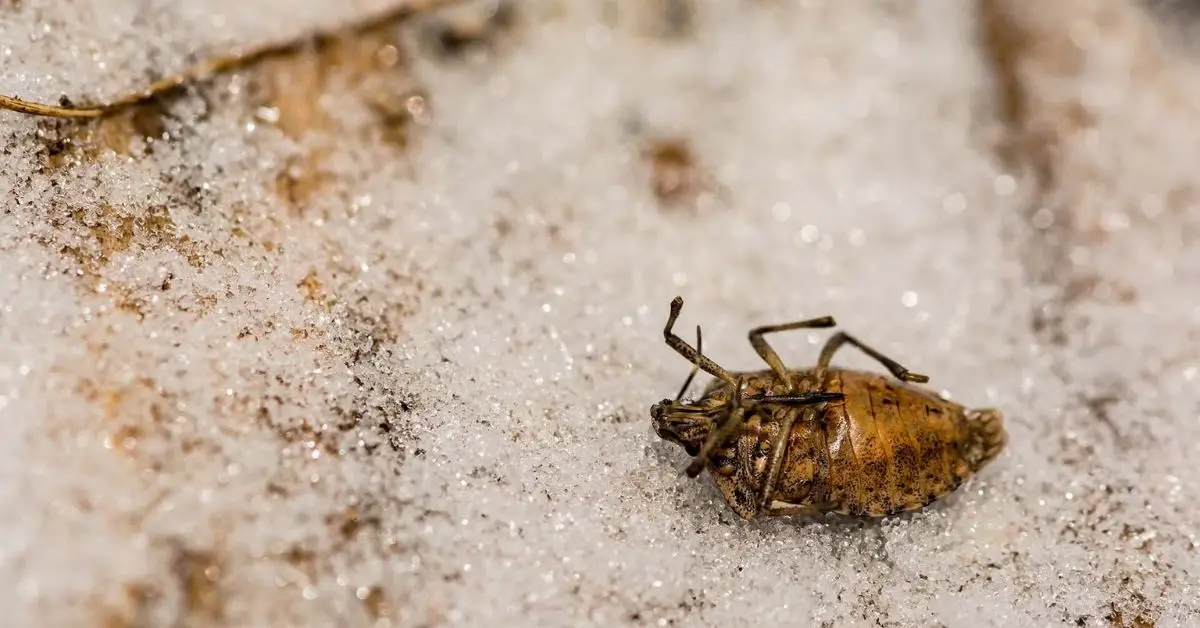
When people hear “winter bugs,” they often think sickness. But every winter, I also hear complaints about ants, roaches, mice, and spiders suddenly showing up indoors. That’s not a coincidence—it’s survival.
Cold weather pushes pests toward warmth, food, and moisture. And once they’re inside, they’re hard to get rid of.
Seal entry points before pests find them
Tiny gaps are all pests need. Start with:
- Weatherstripping around doors and windows
- Sealing cracks near pipes, vents, and baseboards
- Repairing torn screens or loose siding
This is the most effective step—and the one people delay the longest.
Declutter and protect food zones
Pests don’t wander randomly. They follow food.
Focus on:
- Sealing dry foods in airtight containers
- Wiping crumbs from counters and floors nightly
- Keeping pet food sealed and off the floor
A clean pantry isn’t about looks—it’s about removing incentives.
Control moisture and hidden warm spots
Bugs love damp, warm areas, especially in winter:
- Under sinks
- Behind refrigerators and dishwashers
- Basements and laundry areas
Homeowners often mention on community forums that these spots get overlooked until pests become visible. By then, the problem’s already grown.
When you control air, moisture, and access points, you’re not just reacting to winter bugs—you’re staying ahead of them.
Quick question before we move on: have you checked the areas in your home that never get attention, like behind appliances or under sinks, this winter?
5. Smart Daily Habits That Prevent Catching and Spreading Bugs
By this point, you’ve done the big things. Now this is where it all comes together—your daily habits. These are the small actions that decide whether winter bugs stop with one person or move through the whole house.
I’ve seen again and again that it’s not the lack of information that causes spread. It’s the few habits people slip on when they’re busy or tired.
Avoid touching your face and cover coughs properly
It sounds basic, but it works. Your eyes, nose, and mouth are the fastest entry points for germs.
Try to:
- Keep hands away from your face when out or in shared spaces
- Use a tissue or your elbow when coughing or sneezing
- Wash hands right after, even if you think you “didn’t touch anything”
Once this becomes automatic, your risk drops without extra effort.
Be smart about crowds and masking
You don’t need to isolate all winter. Just be intentional.
- Avoid packed indoor spaces when you’re feeling run down
- Mask in crowded places if someone at home is sick
- Give yourself space when others are coughing or visibly unwell
It’s about reducing exposure, not avoiding life.
Build a simple self-check routine
Pay attention to early signals:
- Scratchy throat
- Unusual fatigue
- Mild congestion or body aches
When you notice these early, slowing down matters. Resting, staying home when possible, and avoiding close contact can stop bugs from spreading further. Reporting from AP News shows that early isolation during symptom onset significantly reduces household transmission.
These habits don’t take time—they save it.
Bonus: What Doesn’t Help (and Wastes Your Energy)
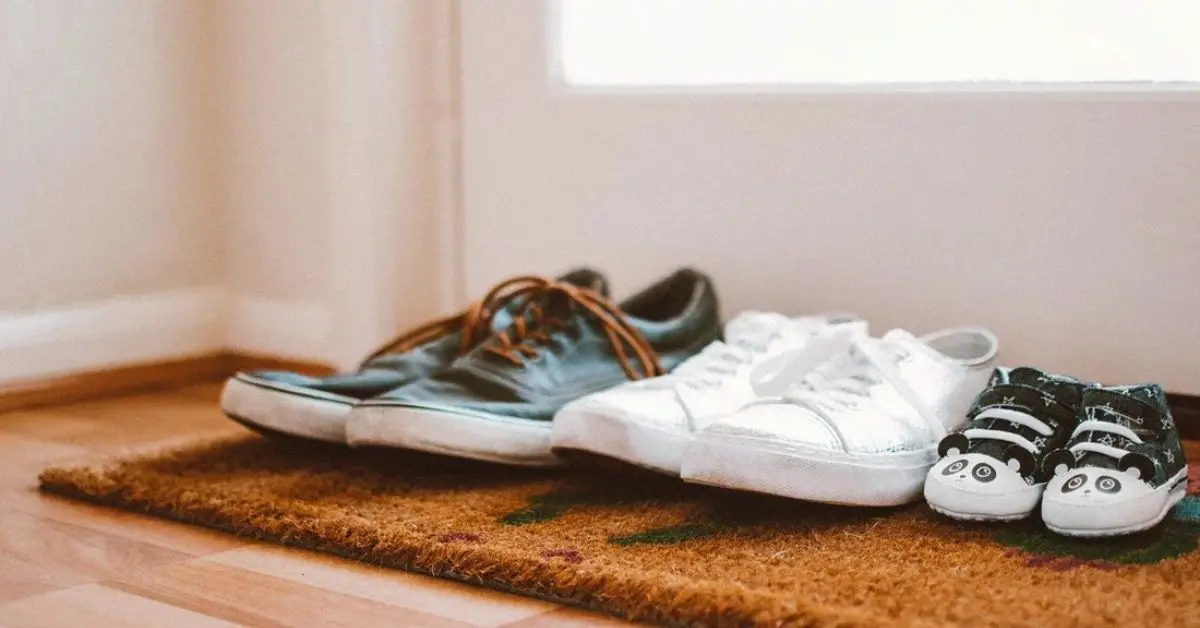
Not everything that sounds “healthy” actually helps. Some habits feel productive but don’t reduce winter bugs at all. Let’s clear a few up.
Taking shoes off at the door? It keeps floors clean, but it doesn’t lower your risk of catching colds or flu. Freezing your house to “kill germs”? That only dries out the air and weakens your defenses.
I’ve also seen people share stories online about following these old habits for years without any real benefit. Energy spent on myths is energy taken away from what actually protects you.
So here’s my question for you: which habit are you still doing just because you’ve always done it—and are you ready to replace it with something that actually works?
Final Key Takeaways
Winter bugs don’t spread because you missed one perfect step. They spread when small things add up—dry air, tired bodies, skipped habits, and delayed action. The good news is that you don’t need to overhaul your life to stop them.
If you focus on:
- Supporting your immune system early
- Keeping hands, surfaces, and air in check
- Managing humidity and airflow
- Blocking pests before they settle in
- Practicing a few smart daily habits
you give winter bugs far fewer chances to take hold. These are practical, proven tips for keeping winter bugs at bay—and they work best when you start before problems snowball.
Now I’d love to hear from you.
What’s the one habit from this list you’re going to start today—or the one you’ve been overlooking all winter? Drop it in the comments and let’s talk.
And if you want more practical home-care and prevention guides that actually work in real life, visit Build Like New. Everything there is built to help you protect, maintain, and improve your home—without the noise or nonsense.
Disclaimer: This article is for informational purposes only and is not a substitute for professional medical advice. Always consult a healthcare provider for guidance on illness prevention, treatment, or vaccination.