Dust Taking Over in Winter? 7 HVAC Checks That Instantly Improve Air Quality
Every winter, I see the same pattern in homes—windows shut tight, heater running nonstop, and dust everywhere no one can explain. You clean the shelves, but the dust comes back. You sneeze more, your throat feels dry, and the air just feels heavy. That’s not bad luck. That’s your HVAC system working overtime during the most dust-prone season of the year.
Most HVAC winter articles talk only about heating efficiency or energy bills. That’s useful, but it misses the real issue you feel every day—what you’re breathing. In winter and dusty conditions, your HVAC doesn’t just heat your home. It recirculates air, dust, allergens, and whatever has been sitting inside filters and ducts for months.
I’ve worked around HVAC systems long enough to tell you this: winter dust problems are usually not about how often you clean your house. They’re about what your HVAC is pushing back into the air. Small checks done before or early in winter can make a real difference in how clean, comfortable, and breathable your home feels.
So before you assume dry skin, allergies, or stuffy air are “just part of winter,” let me walk you through 7 specific HVAC checks that actually help you breathe easier during dusty winter months. Some are simple. Some are overlooked. All of them matter.
Before we dive in—have you noticed your home getting dustier after switching to heating mode?
1. Replace or Deep-Clean Your Air Filters (Before Heating Season)
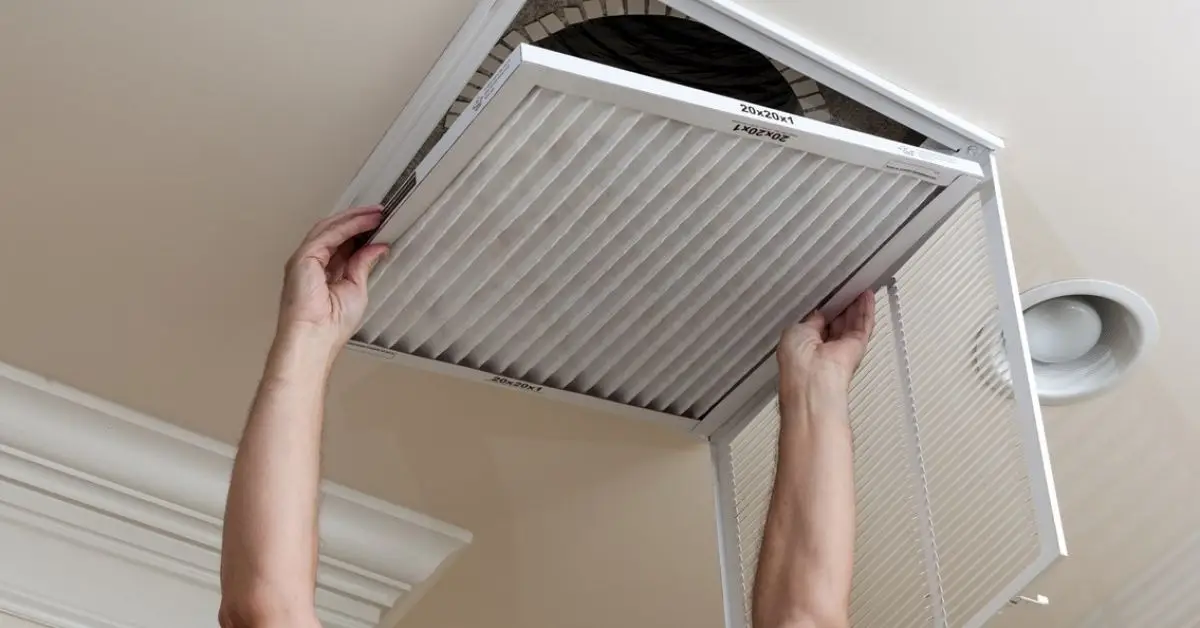
I always start here, because nothing impacts winter dust more than your air filter. The moment you switch from cooling to heating, your HVAC begins pulling in dry indoor air over and over again. If the filter is already loaded with dust, pollen, pet hair, or construction residue, all of that gets pushed straight back into the air you’re breathing.
If you’ve ever felt your home got dustier after turning the heat on, this is usually why.
Why winter and dusty season need more frequent filter changes
In summer, some dust escapes through open windows and ventilation. In winter, everything stays sealed. Your HVAC keeps recycling the same air, and dust has nowhere to go but back into circulation.
This often leads to:
- Faster filter clogging
- Reduced airflow
- More airborne dust and allergens
- Dry, irritated nose and throat
I’ve seen filters that looked “okay” from the outside but were silently blocking airflow once heating season started.
Choosing the right filter for dust control
Not all filters work the same, and this is where many homeowners unintentionally make things worse.
What actually helps in dusty winter conditions:
- Pleated filters instead of basic fiberglass ones
- MERV 8–11 ratings for most homes — good dust capture without choking airflow
- HEPA filters only if your system is designed for them
If anyone in your home struggles with allergies or breathing issues, filter quality matters more than how often you vacuum.
How often you should check or change filters
The standard “change it every 90 days” advice doesn’t hold up in dusty winters.
A more realistic approach:
- Check filters every 30 days
- Replace them every 30–60 days in dusty conditions
- Replace sooner if you have pets, nearby construction, or outdoor dust
Quick DIY check I use myself:
- Hold the filter up to a light source
- If light barely passes through, it’s time
- Weak airflow or uneven heating across rooms is another warning sign
When these issues keep coming back even after basic maintenance, it often means something deeper is going on—this guide shows how to know your HVAC system needs repairs fast before winter problems get worse.
2. Clean Air Vents, Registers, and Visible Duct Openings
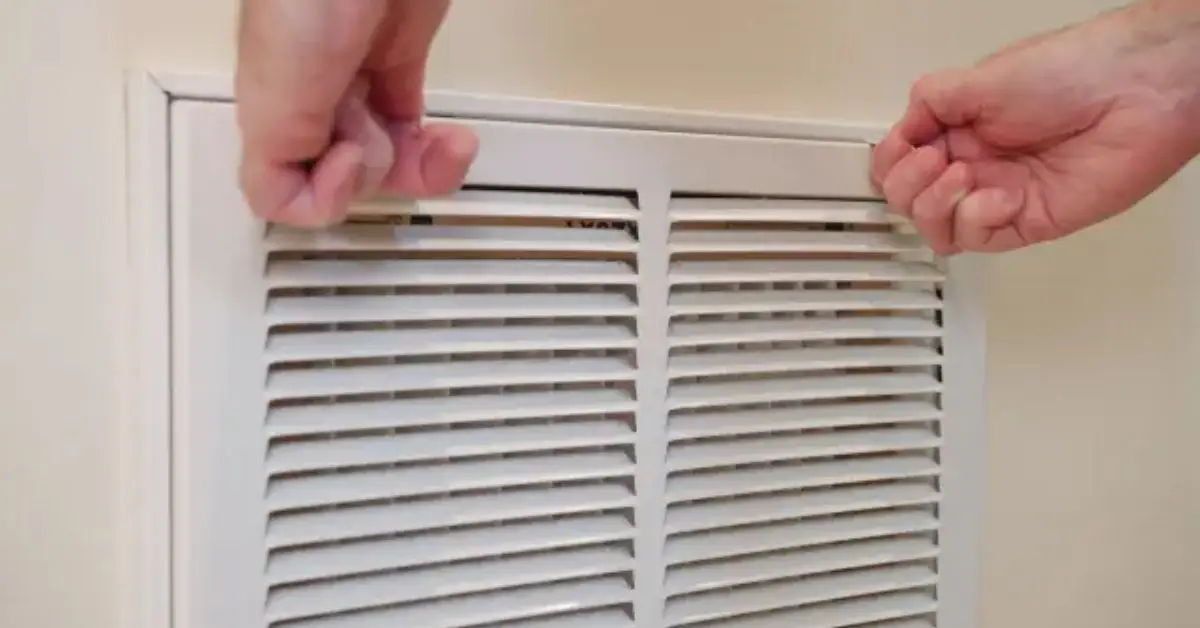
This step is often skipped, even though it’s one of the biggest contributors to visible dust.
Every time your heater turns on, air rushes over those vent covers. If dust is sitting there, it doesn’t disappear—it spreads.
Safe vent cleaning you can do without special tools
You don’t need chemicals or professional equipment. Basic cleaning, as recommended by home-maintenance experts in this guide on cleaning air vents before winter, works well if done properly.
Here’s what I suggest:
- Turn off the HVAC system
- Remove vent covers where possible
- Vacuum with a soft brush attachment
- Wipe with a slightly damp cloth
- Let everything dry completely before turning the heat back on
This avoids pushing dust deeper into the system or back into the room.
When professional duct cleaning is worth considering
I’m cautious about recommending duct cleaning, because it’s not always necessary.
It makes sense when:
- Dust reappears within days of cleaning
- You see buildup inside duct openings
- You recently moved into the home or renovated
- Someone in the household has strong allergies
If vents stay clean but dust doesn’t, the issue may be deeper than surface cleaning.
3. Inspect and Seal Your Ductwork (Prevent Leaks and Dust Infiltration)
This is the hidden dust source most people never think about.
Leaky ducts don’t just waste heat. They pull dirty air from walls, basements, crawlspaces, and attics—and then blow that dust straight into your living space.
What to look for during a basic inspection
You don’t need technical knowledge to catch common issues:
- Loose duct connections
- Gaps or cracks at joints
- Old or peeling tape
- Dust buildup near duct seams
If dust keeps collecting near vents even after cleaning, leaks are often the cause.
DIY fixes vs calling a professional
Some small sealing work can be done safely.
DIY-friendly options:
- Foil HVAC tape (not standard cloth duct tape)
- Mastic sealant for minor gaps
Call a technician if:
- Ducts are hard to access
- You suspect leaks inside walls or ceilings
- Heating bills stay high despite basic maintenance
An overlooked benefit of sealed ducts
When ducts are properly sealed:
- Heating becomes more even
- The system runs with less strain
- Less dust enters the airflow
- Energy bills usually drop over time
Stopping dust at the source always works better than trying to clean it later.
4. Calibrate Your Thermostat & Test the Heating Unit Before Heavy Use
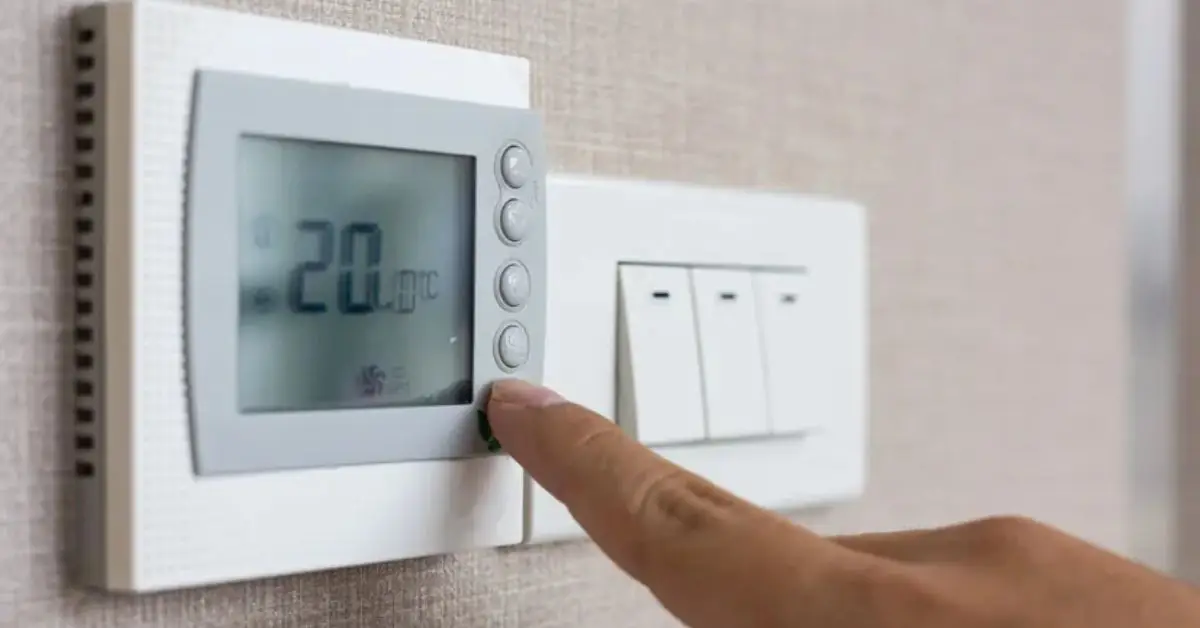
I’ve seen many winter HVAC problems start with something simple—a thermostat that’s slightly inaccurate or a heating unit that hasn’t been tested since last year. When the system isn’t calibrated properly, it runs longer than necessary. That extra runtime doesn’t just increase energy use—it also stirs up more dust inside your home.
Many homeowners worsen this problem by keeping heating on continuously at night—HVAC experts explain in detail why you shouldn’t leave your heater on all night and how it leads to system strain, poorer air quality, and uneven heating in winter.
Fixing this early helps you avoid surprise winter breakdowns and keeps indoor air from feeling heavy or stale.
Check thermostat accuracy and heating behavior
If your thermostat isn’t reading the room temperature correctly, your HVAC may short-cycle or overwork itself. Both situations increase airflow and push more dust through the vents.
Here’s what I suggest you check:
- Does the set temperature match how the room actually feels?
- Is the system turning on and off too frequently?
- Are some rooms noticeably warmer or colder than others?
A programmable or smart thermostat helps smooth out heating cycles, which reduces unnecessary airflow and limits dust disturbance.
Run a trial heating cycle before winter begins
This is one of the most practical checks—and one many homeowners skip.
Before winter sets in:
- Turn the heat on and let it run for 15–20 minutes
- Listen for rattling, buzzing, or grinding noises
- Walk through each room and confirm warm air is coming out evenly
- Check that airflow doesn’t feel weak or inconsistent
American Home Shield recommends testing your heating system before winter to catch small issues early and avoid mid-season failures.
Keep blower motors and moving parts clean
Dust doesn’t just sit in filters. It builds up on blower fans and moving components inside the system. When heating starts, that dust gets pulled into circulation.
Routine maintenance usually includes:
- Cleaning the blower assembly
- Lubricating moving parts
- Making sure airflow paths are clear
When these components run smoothly, the system circulates air more gently—and that means less dust floating around your home.
5. Maintain Proper Indoor Humidity & Ventilation — Because Dry Air Makes Dust Worse
This is where many HVAC articles miss the real problem.
Winter air is naturally dry. Dry air allows dust to stay airborne longer. When your HVAC keeps recirculating that dry air, dust doesn’t settle—it spreads.
Keep indoor humidity in a healthy range
For most homes, the ideal humidity range is 30–50%.
At this level:
- Dust particles settle faster
- Breathing feels easier
- Skin and throat dryness is reduced
- Static electricity decreases
A simple hygrometer can tell you where your home stands. If humidity stays low, a portable or whole-home humidifier can make a noticeable difference.
Ventilate strategically, not constantly
You don’t need to keep windows open all day. But you do need some air exchange.
When outdoor air quality is reasonable:
- Short ventilation periods help refresh stale indoor air
- Bathroom and kitchen exhaust fans pull dust-heavy air out
- Avoid ventilation on high-dust or high-pollution days
The goal is balance—refreshing the air without inviting more dust inside.
6. Schedule a Professional HVAC Inspection Before or Early in Winter
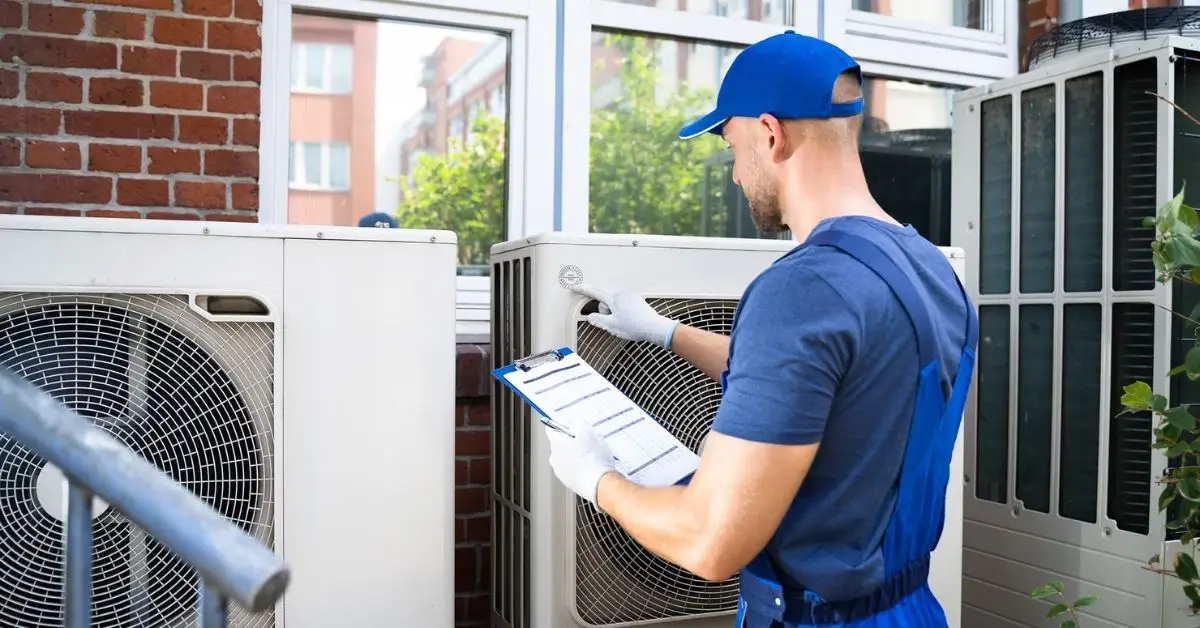
This is the step many homeowners delay—and often regret later.
Not all dust problems come from filters or vents. Some originate inside the system itself, from worn components or incomplete combustion.
What a professional inspection typically checks
A proper winter inspection usually includes:
- Burners and heat exchanger condition
- Gas or electrical connections
- Ignition system performance
- Blower motor and internal airflow
- Venting and exhaust safety
These checks are about more than comfort—they’re about safety. Winter safety doesn’t stop with HVAC inspections—many home fires happen due to everyday habits, which is why it’s important to know about appliances you must unplug after every use to reduce fire risk, especially during colder months.
7. Keep Your Living Space Clean — Dusting, Vacuuming, and Everyday Habits That Support Your HVAC
I’ll say this plainly: even the best HVAC maintenance won’t solve dust problems if your living space keeps feeding dust back into the system. Every surface that collects dust eventually sends some of it into the air—and straight into your HVAC return vents.
In winter, when windows stay closed, that cycle speeds up.
Clean in ways that actually reduce airborne dust
Some cleaning habits feel productive but make air quality worse by lifting dust back into the air.
What actually works:
- Vacuum with a HEPA-filter vacuum, not a standard one
- Use damp cloths for dusting instead of dry wipes
- Focus on dust-heavy areas like curtains, rugs, bedding, and upholstered furniture
Home and tech experts explain this clearly in their breakdown of why homes get dustier in winter and what really helps fix it.
How often you should clean during winter and dusty seasons
Winter dust builds faster, so cleaning routines need to adjust.
A realistic schedule:
- Light dusting once a week in main living areas
- Vacuum rugs and carpets weekly
- Deeper fabric cleaning every two weeks
- More frequent HVAC filter checks if you have pets or allergies
If dust shows up again within days, that’s not bad luck—it’s a sign frequency needs to increase.
Stop dust before it ever reaches your HVAC
Some of the most effective dust control steps are also the simplest.
Habits that make a real difference:
- Use entry mats at all exterior doors
- Remove shoes indoors whenever possible
- Keep vents and return registers fully open
- Never block vents with furniture, rugs, or curtains
Clear airflow means less dust buildup and more even circulation.
Bonus Tips — Small Upgrades That Improve Air Quality Long Term
Homes with cleaner air usually don’t rely on extreme solutions. They make a few smart upgrades and stick to them.
Use higher-efficiency filters if your system allows
Better filters trap finer dust and allergens before they spread—just make sure airflow remains strong.
Let your thermostat reduce system stress
Programmable or smart thermostats help your HVAC run in steadier cycles, which limits sudden air blasts that kick dust back up.
Add an air purifier in dusty environments
If you live near construction, dry soil, or high-traffic areas, a standalone air purifier can reduce the load on your HVAC system.
Keep vents unobstructed at all times
Blocked vents cause uneven heating, dust buildup, and extra strain on the system. Open airflow always supports cleaner air.
What Happens If You Skip This Checklist — The Winter Risks People Usually Ignore
When dust control and HVAC care get delayed, the impact builds quietly.
Skipping these steps often leads to:
- Persistent dusty indoor air
- Worse allergy or asthma symptoms
- Higher heating bills due to system strain
- Mid-winter breakdowns when service is hardest to get
- Uneven heating and daily discomfort
Winter dust problems rarely appear overnight—but they never fix themselves.
Wrapping It All Together — Breathe Easier This Winter
If there’s one thing I want you to take away from this, it’s this: winter dust problems are rarely random. They’re almost always the result of small things being ignored—filters left too long, vents collecting dust, dry indoor air, or a system that hasn’t been checked before heavy use.
The good news is that none of these fixes are complicated. When your HVAC is clean, calibrated, and supported by smart home habits, the air in your home feels lighter, warmer, and easier to breathe. You’ll notice fewer dust layers, more even heating, and a home that simply feels healthier during winter.
I’ve shared this checklist because it works in real homes—not just in manuals or sales brochures.
Let’s talk
Which of these steps do you think your home needs the most right now?
Is it filter changes, dust control, humidity, or a full system check?
Drop your thoughts or questions in the comments—I read them all, and your situation might help someone else too.
And if you want practical home, HVAC, and maintenance advice explained simply, you’ll find more clear, no-fluff guides on my website Build Like New. Everything there is written to help you fix problems before they become expensive repairs.
Disclaimer: This article is for general information only and does not replace professional HVAC inspection or repair. HVAC systems vary by home, so always follow manufacturer guidelines and consult a licensed HVAC professional for specific issues, safety concerns, or major maintenance work.