Massive 4-Alarm House Fire in Queens Leaves Woman Dead, 9 Injured
When I first went through everything officials and witnesses shared, one thing became clear — this wasn’t just another fire story. It was fast, violent, and devastating in a way that hits you the moment you imagine being there.
On the evening of Feb. 9, a heavy fire broke out inside a two-story home on Dongan Avenue in Elmhurst. It started on the first floor, but within minutes it grew so aggressively that it jumped to two neighboring buildings. By the time FDNY ramped it up to a four-alarm response, families were already scrambling out of windows, firefighters were pulling people from the second floor, and smoke had taken over the entire block.
By the end of the night, one woman — just 34 years old — was found dead in the basement. Nine others were hurt, including two children and a firefighter. And one more person is still unaccounted for. The city later issued full vacate orders for all three damaged homes, leaving more than 40 people suddenly displaced.
I’m sharing this upfront because you deserve a clear, honest picture of what really happened — not just numbers and headlines. This quick snapshot helps you understand the scale of the tragedy before we get into how it unfolded and what the community is now dealing with.
What part of the story hits you the hardest — the spread, the loss, or the fact that someone is still missing?
How the Queens House Fire Started — And How It Grew Out of Control
When I looked deeper into how this fire began, the first thing that stood out was how fast everything escalated. According to CBS News, the fire started on the first floor of the two-story home. There’s nothing unusual about a residential fire starting low — but the speed at which it moved was the real danger.
FDNY officials said the flames didn’t stay contained for even a few minutes. They spread to what they call “exposures” — basically the homes directly beside the burning property. In this case, exposure 1, 2, and 4 all caught fire one after another. For a neighborhood like Elmhurst, where houses sit close together, this is every resident’s worst nightmare.
And because the volume of fire was already heavy by the time the first crews arrived, FDNY had to push this to a four-alarm response. That means dozens of units, more manpower, and a fight that goes well beyond a single structure.
When you imagine how quickly this unfolded — from a single-floor fire to three homes engulfed — you realize how little time anyone had to react. That’s why understanding the start matters. It sets the tone for the chaos that followed.
FDNY Response Timeline — What Happened in Those Crucial Minutes
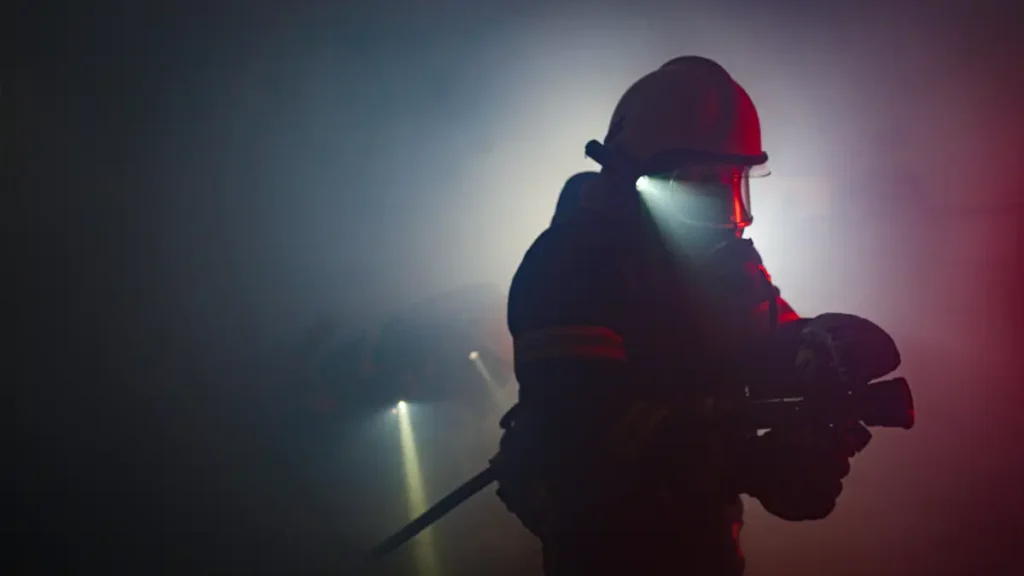
The timeline here tells you everything about how intense the situation was. At 6:45 p.m., FDNY got the first call about a heavy fire inside the Dongan Avenue home. They reached quickly, but by then, people were already trapped on the upper floors.
According to Assistant Chief David Simms, four people jumped out of the rear windows in an attempt to escape the flames. If you pause and think about that — you only jump when staying inside feels like a death sentence.
At the same time, firefighters from the first-due ladder company got to the second floor and rescued two more people who had no way out. These are the kinds of moments when seconds decide everything.
As more units arrived, the alarms kept rising. The fire was moving too quickly, through too many points of the structure, and FDNY needed every available crew. Their specialized rescue team was sent in to search the basement after reports that two people lived down there.
This timeline isn’t just a series of events — it’s a reminder of how real the stakes were for every person in that home.
Victims — One Woman Dead, One Missing, and Several Injured
This is the part that stays with you the longest. FDNY’s rescue team found a 34-year-old woman dead in the basement. They found her almost immediately, but they couldn’t complete the rest of the search because a section of the basement had collapsed. And that’s why one person is still missing — no one could safely reach deeper into the debris.
Out of the nine injured, NBC New York confirmed that two of them were children — a 10-year-old and a 13-year-old. Both were taken to the hospital and are now stable. Another adult was in critical condition. Even a firefighter was hurt, which tells you how dangerous the interior conditions were.
What hits me hardest is imagining the people who lived in the basement. When you’re living below ground, your escape routes are limited. Smoke moves down fast. Collapse risk is higher. And once the fire reaches you, everything becomes a fight against time.
You and I both know numbers never capture the real pain, but knowing who was affected helps us understand the depth of what this community is dealing with.
Building Damage — Collapse, Destruction, and Three Homes Lost
If you saw the condition of the main home after the fire, you’d understand why officials called it a structural disaster. The entire second floor collapsed, and the roof was completely destroyed. The Fire Department and the Department of Buildings agreed the house couldn’t be lived in — not even temporarily.
But the damage didn’t stop there. The fire didn’t stay inside one home; it spread to two neighboring properties, leaving them unsafe too. All three buildings were hit with full vacate orders. That means families who lived there lost everything in a single evening — their home, belongings, stability, and sense of safety.
When you think about the tight spacing in Queens, it makes sense. Houses here are close enough that one fire can become a chain reaction. But knowing the reason doesn’t make the outcome any easier.
Eyewitness Accounts — The Panic, the Smoke, and the Night Nobody Will Forget
When I went through what neighbors described, the fear in their voices felt real even on paper. Caitlin Clarke said she smelled smoke first. When she stepped outside, she saw flames at the end of the block — a sight she compared to something out of a history book. You don’t say that unless the fire looked unreal, almost cinematic in how violently it tore through the home.
Her family ran out immediately — her sister, her mom, everyone. That kind of instinctive panic tells you how fast the smoke moved across the block.
Another neighbor, Subash Gurung, said his entire apartment filled with smoke, even though he lived next door. He and his family have nowhere to go now. Imagine being in your own home — safe one moment, forced out the next.
And then there was Rachel Ji, who said what many people were thinking: she felt awful for the victims because “they lost their everything.” Sometimes, simple words hit the hardest.
Eyewitness accounts give you what raw numbers don’t — a sense of how this night felt for the people who lived through it.
Community Impact — More Than 40 People Suddenly Displaced
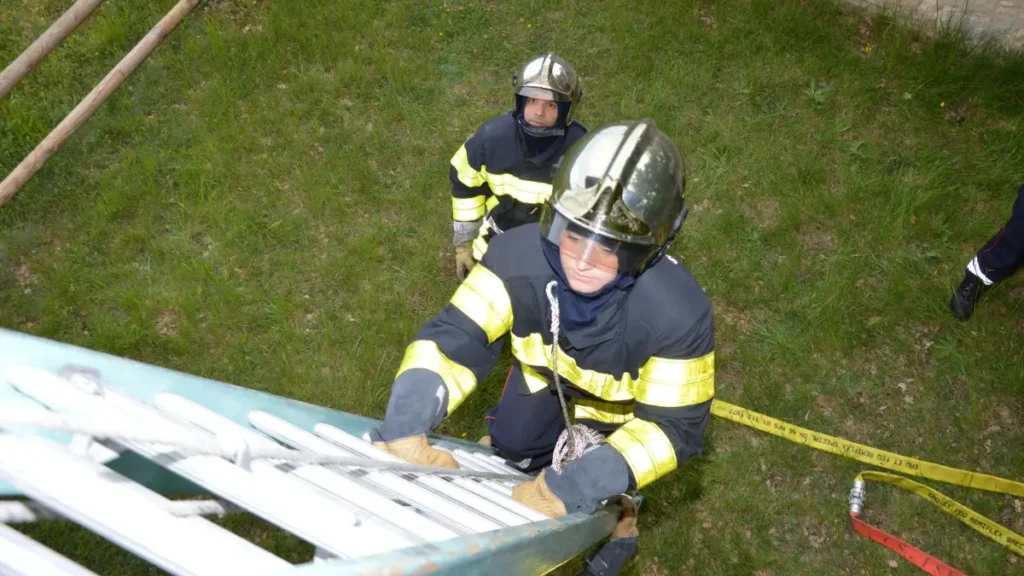
What stays with me is how much this one fire reshaped an entire block overnight. The Red Cross stepped in and helped more than 40 people, and that number alone tells you how many families were living across those three damaged homes.
Think about it — you and I might walk past a row of houses and never realize how many lives are inside. Bedrooms, kids’ backpacks, family photos, groceries, clothes, memories… all gone in a matter of hours.
Some neighbors didn’t even have time to grab essentials. Others watched as smoke filled their homes and realized there was no going back inside. In a city where finding a stable place to live is already a fight, losing your home like this is more than a temporary setback — it’s a shock that follows you long after the flames go out.
This is the kind of impact most headlines don’t talk about, but it’s the part people feel the deepest.
For real-time updates and discussions on local fire incidents and community safety alerts, people often turn to instant updates like this WhatsApp feed.
Why the Fire Spread So Quickly — The Harsh Reality of Queens Housing
When you look at the way homes sit in Elmhurst, a pattern becomes clear. Houses are close together, often sharing walls or separated by just a few feet. That layout is great for community life — but during a fire, it becomes the perfect path for flames to jump.
The FDNY calls neighboring houses “exposures,” and in this case, exposure 1, 2, and 4 all caught fire within minutes. Fire needs space and oxygen to move, and Queens homes unintentionally offer both: narrow gaps, shared roofing angles, wood framing, and older construction.
If you’ve ever walked through these neighborhoods, you know the homes feel almost connected. During a fire, they practically are.
You and I don’t usually think about this until something awful happens, but understanding these conditions explains why this wasn’t just a single-home fire — it became a chain reaction, and everyone on the block paid the price.
The Investigation — Cause Still Unknown, and Why Answers Take Time
Right now, investigators still haven’t announced what started the fire. And honestly, that’s not surprising. When a home collapses, when rooms burn down to the frame, and when debris buries major areas — finding the exact cause becomes a slow, careful process.
Fire marshals usually check electrical lines, heating systems, appliances, extension cords, possible accelerants, and even illegal basement setups if any existed. But here, the basement collapse made certain areas impossible to reach safely.
So yes, the public wants answers — you probably do too — but real investigations don’t move at headline speed. They move at safety speed. And until the missing resident is found and the structure is stabilized, the cause might stay unknown.
It’s frustrating, but it’s also how fire science works.
Sadly, stories like this aren’t rare; in a recent Fairfield County home fire, one person was killed and two others injured, highlighting how quickly residential fires can turn deadly.
What This Fire Teaches Us — Real Safety Steps Every Household Should Take
I always feel that tragedies like this leave behind lessons we shouldn’t ignore. And you don’t need to be paranoid — just prepared.
Here’s what matters most:
1. Smoke alarms on every floor. Not just one. Not “somewhere.” Every floor needs one, especially near sleeping areas.
2. Know your exits. Basements are the most dangerous place during a fire. If you live or sleep there, you need a clear escape path.
3. Don’t block windows with grills or heavy furniture. It sounds small, but it’s often the difference between escaping and being trapped.
4. Talk about an escape plan. If you live with family, roommates, or kids — walk through what you’d do in a real emergency. You’d be surprised how many people never discuss it.
5. Don’t ignore early signs. Strange smells, flickering lights, overloaded outlets — these aren’t “small issues.” They’re warnings.
If this fire reminds us of anything, it’s that you and I have less time than we think when something like this starts.
Even a morning fire in Jefferson County took the life of a 71-year-old man, showing how quickly a house fire can escalate.
Similar Queens Fires in Recent Years — And What They Tell Us About Local Risk
If you’ve been following NYC incidents over the last few years, you know Queens has seen several major fires caused by a mix of heating issues, old wiring, basement units, and even lithium-ion batteries.
Looking at those patterns, you start seeing three consistent risks:
1. Older homes + dense spacing = fast spread. Many Queens houses were built decades ago. Once a fire starts, it moves through shared beams and close gaps.
2. Basement living is widespread. People live in basements because space is limited. But during fires, basements become the deadliest spots.
3. Winter months are the worst. Space heaters, closed windows, holiday wiring — you’ve seen these stories too.
I’m adding this context because a single fire can feel isolated, but the reality is that Queens deals with this more often than people realize. And understanding the pattern helps you understand why this story matters beyond one night.
Looking back, the dangers of basement and multi-floor fires have tragically claimed lives before, such as the Evansville house fire that killed two children aged 14 and 10.
What Happens Next — Search Efforts, Structural Checks, and Community Recovery
As of now, FDNY is still searching for the missing resident, but they can only move as fast as the building allows. That basement collapse changed everything. Safety comes before speed.
The Department of Buildings will continue assessing whether any part of the structures can be saved, though honestly, much of the damage looks beyond repair. Families will have to rebuild their lives from scratch — new housing, new belongings, new routines.
You and I often read these stories and move on, but the people living on Dongan Avenue won’t move on for months. Maybe years.
This is the part no one sees — the long, slow recovery that lasts long after the last fire truck leaves.
If you want to stay updated on incidents like this and other breaking news, follow us on X and join our Facebook community to stay informed and discuss with others.
Disclaimer: The information in this article is based on reports from official sources and news outlets at the time of publication. Details may change as the investigation into the Queens house fire continues. This content is for informational purposes and does not replace official updates from authorities.