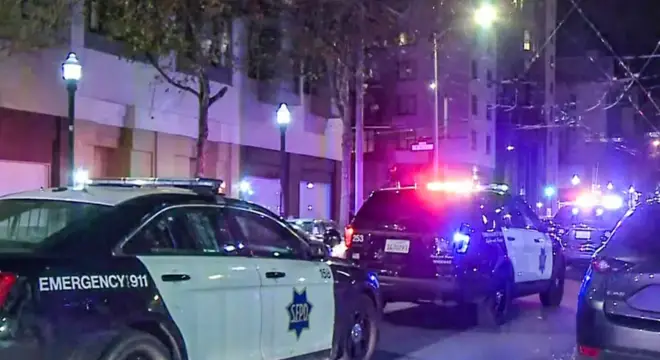
Woman Found Dead After Mobile Home Fire in Florida
When I first read through the official reports from Polk County Fire Rescue and the local news teams, one thing became clear: this wasn’t just another Florida fire headline. A woman lost her life inside a mobile home on Scenic View Street, and the details show how fast a small spark can turn into something deadly.
Firefighters say the home was already burning heavily when they got there. That part hit me—because when a mobile home catches fire, you don’t get much time. The crews went in, did everything they could, but they found the woman inside and couldn’t save her. At the same time, they made sure no firefighter was hurt, which isn’t always guaranteed in a fire like this.
Right now, investigators are still piecing together what exactly caused it. Early notes hint at the possibility of a discarded cigarette, but nothing is confirmed until the fire marshal closes the case. If you’ve ever lived in or been around mobile homes, you know how quickly things can go wrong. And that’s what makes this story so heavy—one small mistake can change everything.
Before we move on, tell me—have you ever lived in a mobile home or known someone who does?
What First Responders Saw When They Arrived?
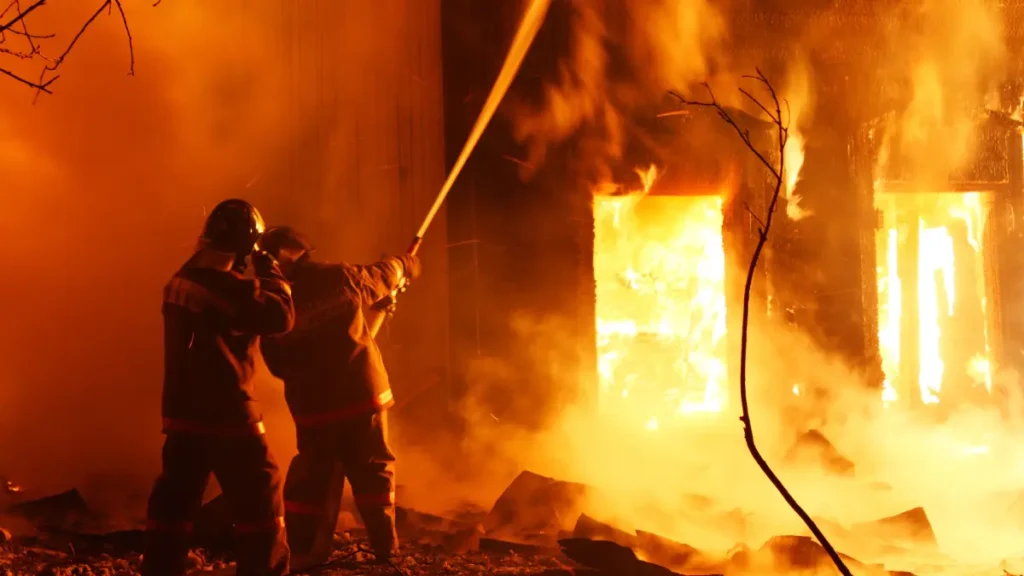
When I looked at the FOX13 Tampa report, one detail stood out: the fire wasn’t a small, contained flame by the time help arrived — the entire mobile home was already engulfed. That tells you how fast the situation escalated. FOX noted that neighbors had called 911 after seeing heavy smoke and flames pouring out, but by the time Polk County Fire Rescue reached the home, the fire had a strong head start.
You can imagine the scene — thick smoke, zero visibility, and a structure that becomes unstable within minutes. Mobile homes don’t give firefighters the same margin of safety as regular houses. According to the FOX account, crews pushed in quickly, trying to reach anyone still inside. And that’s when they found the woman who didn’t make it out in time.
I’m mentioning this because it shows you why mobile home fires feel so unforgiving. Even with fast response times, the fire had already taken control. This isn’t about fear — it’s about understanding the reality so we can talk about what actually helps prevent situations like this.
What Officials Confirmed — Direct From the Polk County Report
Whenever there’s a fatal fire, I like to look at the official documentation, not just news snippets. Polk County Fire Rescue released a detailed breakdown, and it clears up a lot of questions people usually have.
Their report confirms a few key points:
- Firefighters found the woman inside the home and confirmed she had already died.
- No firefighters were injured during the response.
- The Polk County Sheriff’s Office and the State Fire Marshal are jointly investigating the cause.
- An autopsy is pending to officially determine how she died.
The county statement also noted something important — the structure was already burning aggressively when crews arrived. That matches what local report described, and it reinforces how quickly the fire spread.
I’m adding the Polk County source here because official reports often carry details that never make it into news stories. They help separate facts from assumptions and give us the most reliable picture of what happened.
Why Mobile Home Fires Spread So Fast — The Part No One Talks About
If you’ve ever lived in a mobile home or visited one, you know they feel compact and lightweight. That’s exactly why fires inside them move differently. Mobile homes are built with thinner walls, tighter layouts, and fewer escape routes. Once a fire starts, smoke doesn’t drift slowly — it fills the space like a wave.
And I’m not saying this to create fear. I’m saying it because most news coverage stops at “a fire happened,” but people actually need the “why.” Why did it burn so fast? Why didn’t she have time to get out? Why are mobile homes more vulnerable?
Here are a few real-world reasons:
- Older mobile homes often have aging wiring or outdated smoke alarms.
- Lightweight materials burn faster than traditional construction.
- Heat builds quickly in a small space, cutting escape time down to seconds.
When you put all of that together, it becomes clear why fires like this turn deadly so often. This context matters because it gives you a better understanding of the risks — and what can actually reduce them.
Fatalities in mobile homes aren’t rare — similar to the case of a 31-year-old woman in California, where fire spread faster than anyone expected, highlighting the urgent need for safety measures.
What Often Causes Mobile Home Fires — And What Might Have Happened Here
I’ll be careful with this part because the official cause of this fire isn’t confirmed yet. Investigators are still working on it. But early chatter — from some media outlets referencing law enforcement — mentioned the possibility of a discarded cigarette.
If that’s true, it fits a larger pattern. Smoking materials are one of the most common causes of fatal fires in mobile homes. A tiny ember on furniture or bedding is all it takes. Combine that with fast-burning materials and limited ventilation, and you have a disaster brewing in seconds.
But cigarettes aren’t the only culprit. Most deadly mobile home fires come from:
- Cooking left unattended
- Portable heaters placed too close to bedding or furniture
- Electrical failures
- Smoking materials
I’m giving you this breakdown not to speculate, but to show the patterns investigators look for. When you understand the patterns, the story makes a lot more sense — and so do the solutions.
The Simple, Life-Saving Steps Most People Overlook
Here’s something I’ve learned after years of covering incidents like this: most people don’t survive fires because help didn’t come — it’s because the warning came too late.
A few basics can literally double your chances of getting out alive:
- Make sure smoke detectors work and have fresh batteries.
- Keep heaters away from anything that can burn.
- Don’t smoke in bed or near soft surfaces.
- Have at least two escape routes mapped out — even in a small home.
- Keep a small fire extinguisher in the kitchen or hallway.
These aren’t fancy tips. They’re simple, boring things. And they save lives every single year.
And if you live in a mobile home or know someone who does, these habits matter even more because of how quickly fires spread in that environment.
If you want quick, real-time safety alerts and tips, many readers also subscribe to fire safety updates delivered straight to their WhatsApp — it’s an easy way to stay prepared.
How the Community Responded — Shock, Fear, and a Wake-Up Call
Whenever there’s a fatal fire, especially in a close-knit area like Lakeland, the community feels it immediately. Even though the official reports don’t dive into neighbor reactions in detail, you can imagine how fast the word spread. Mobile home communities tend to be small, familiar places — people know each other’s routines, who wakes up early, who sits outside in the evenings.
From what I’ve seen in similar local incidents, neighbors often talk about how they smelled smoke before they understood what was happening, or how they tried calling out to check if anyone was inside. Moments like that stay with people for a long time.
And while this fire involved one home, events like this usually push the entire community into “what if it was us?” mode. You start checking your smoke alarm. You rethink where you keep your heater. You look at your exit routes differently.
Stories like this remind me of the Harrison fire that left an entire home destroyed — and how communities rally together afterward.
What Investigators Will Look for Next?
When you hear that the Sheriff’s Office and the State Fire Marshal are still investigating, it’s easy to assume nothing new is happening. But the truth is, this phase is one of the most detailed parts of a fire case.
Here’s what investigators are usually checking in a case like this:
- Point of origin: The exact spot where the fire started.
- Burn patterns: How the flames traveled through the structure.
- Possible ignition sources: Cigarettes, wiring, appliances, heating units.
- Toxicology results: The autopsy will show whether the victim was conscious, asleep, or affected by smoke before the fire reached her.
- Smoke alarms: Whether a working detector was present or damaged.
They’ll piece together these details like a timeline. And once the autopsy comes back, they’ll have a clearer picture of the victim’s final moments.
I’m saying this because a lot of news reports stop at “investigation ongoing,” but you deserve to understand what that actually means. These steps matter, not for blame, but for learning what could prevent the next fire.
Investigators follow careful procedures to prevent another tragedy, much like they did in the Marion house fire where both a child and an elderly woman sadly lost their lives.
Why This Story Matters Beyond One Tragic Night?
I know it’s easy to scroll past local fire reports — they show up, disappear, and get replaced by the next headline. But this one matters for a bigger reason.
A woman lost her life inside a home that burned faster than most people expect. It happened in minutes, not hours. And her story isn’t an isolated case; Florida sees mobile home fires every year, and many of them look painfully similar.
If you live in a mobile home, or have family or friends who do, this isn’t just news — it’s a reminder. A reminder to check your alarms. A reminder not to smoke inside. A reminder that small habits can change outcomes more than we realise.
And if you don’t live in a mobile home, this still matters because safety isn’t something any of us should take lightly. Fires don’t discriminate — they only need a spark and a few seconds of the wrong conditions.
Before we wrap up the final sections, I want to ask you something — Do you want the next part to focus more on safety education, or should I move toward closure and final takeaways?
For more safety stories, updates, and real-life alerts, follow us on X and join our Facebook community where we share the latest news and safety tips.
Disclaimer: This article is based on information available from official reports and credible news sources at the time of writing. Details may change as investigators release new updates. Nothing here should be taken as legal or investigative conclusions.