Tragic Three-Alarm Fire in New Jersey Leaves 1 Resident Dead
When I first went through the details of the Rahway fire, what stayed with me was how fast an ordinary evening turned into something no family ever imagines. One person didn’t make it out, and that fact alone changes the way you read every line that follows.
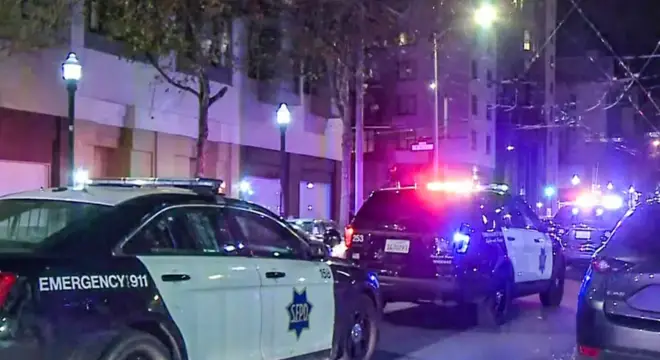
The fire broke out a little before 9 p.m. on West Scott Avenue. If you know the area, you can picture how quiet that block usually is at that hour. Firefighters arrived to heavy smoke pushing out from the back of the house — the kind of scene that tells you the fire has already taken control of the inside.
By the time they got in, the structure was already weakening. Crews had to push through the smoke and heat because an occupant was still unaccounted for. When they finally reached the basement, they found the victim there. The person was pronounced dead on the scene. Officials haven’t released a name yet.
This wasn’t just another house fire. It was the second fatal one in Rahway this year, and you can feel that weight in every official statement.
How the Fire Escalated Into a Three-Alarm Emergency
When I went through how this fire unfolded, what struck me was how quickly things spiraled. You expect a small kitchen flare-up or a smoke scare at that hour — not a full three-alarm emergency. But that’s exactly what crews faced.
Responders reached the home on West Scott Avenue within minutes, and the moment they pulled up, they saw heavy smoke pouring from the back. According to a report from News12 New Jersey, the conditions inside were already collapsing. That tells you how aggressively the fire had taken hold before anyone even dialed 911.
As I read through the timeline, it became clear that firefighters didn’t have the luxury of easing in. They went straight into an interior attack because someone was missing. That’s the kind of moment where training meets instinct — you go in because someone’s life might still be reachable.
But the fire inside wasn’t behaving in a predictable way. The basement and first floor were already compromised. Heat, smoke, and structural weakening forced a third alarm to be called, and at one point, crews had to pull back because the house itself was becoming dangerous to stand inside.
If you’ve ever watched firefighters work up close, you know how rare and difficult those decisions are — stepping back when everything in you wants to push forward.
Firefighter Injuries and the Massive Mutual Aid Response
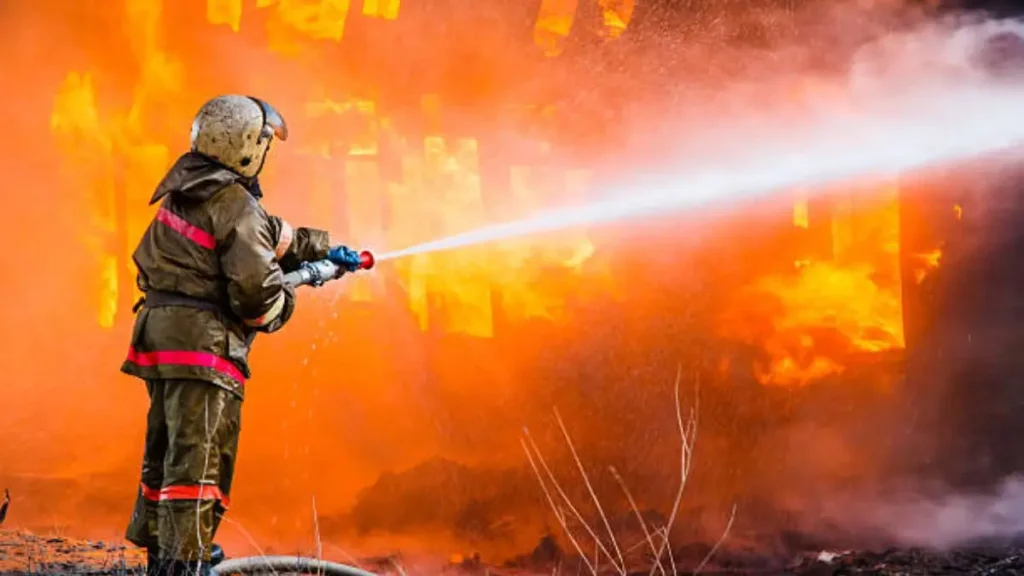
As I followed the details, I kept thinking about the firefighters who showed up expecting a routine night. Three of them ended up in the hospital. Thankfully, they were treated for minor injuries and released, but it’s a reminder you can’t gloss over — even “minor” injuries come from brutal conditions.
What also stood out to me was how many surrounding departments raced in to help. Crews from Linden Fire Department, Roselle Fire Department, Cranford Fire Department, Clark Fire Department, Elizabeth Fire Department, Garwood Fire Department, and Westfield Fire Department assisted — either on scene or covering the city.
You don’t get a response of that scale unless the fire is overwhelming. And honestly, the cooperation says something about how these towns operate. When one community goes underwater, everyone else shows up with whatever they have.
It’s something most readers never see but should — these multi-department responses are the backbone of fire safety in smaller cities.
What City Officials Said After the Tragedy
When I read the official statement from Raymond Giacobbe, it had a different tone from the typical “thoughts and prayers” lines we often see in press releases. There was weight in his words — the kind that only comes when a city loses a neighbor, not just a name in a report.
In coverage by MyCentralJersey, the mayor said the city “mourns the loss of a resident” and extended sympathies to the family. When I read that, it didn’t feel like political language. It felt like someone trying to speak to a community that has already seen too many sirens this year.
He also praised the Rahway Fire Department and Rahway Police Department for stepping into a situation that could have easily injured more people. And honestly, after seeing how the structure was deteriorating, I understand why he emphasized it.
This wasn’t a moment for polished statements. It was a moment to acknowledge bravery and loss at the same time — and he did.
The Second Fatal House Fire in Rahway This Year
This part stopped me for a moment. It’s only February, and this is already the second fatal fire in the city. You don’t need to be an investigator to feel how unsettling that is.
When fires turn deadly this early in the year, residents start asking different questions — not just “what caused it,” but “could it happen here next?” And honestly, I get that concern. Two fatal fires in such a short window force you to see the pattern, even if authorities haven’t officially linked anything.
This context is something many quick news stories skip, but you can’t ignore it. A single tragedy shakes a neighborhood. A second one shakes the entire city.
If you live anywhere near Rahway, I’m sure you’re thinking about your own home right now — your smoke detectors, your basement wiring, the things you keep meaning to check but never do.
A few weeks ago, a man also died in a similar late-night incident in Washington County, and the details were just as unsettling.
What Investigators Know So Far About the Cause
Right now, officials haven’t released a cause. And I want to be clear about something — when investigators hold back information, it’s not evasive. It’s standard. Especially in fires where structural collapse, basement involvement, and fatality overlap.
The Union County Fire Investigation Team and local authorities are still going through what’s left of the home. Basement fires are notoriously difficult to read because they burn hotter, faster, and often wipe out early clues.
I’ve learned over the years that the first 24–48 hours rarely give clear answers. What you get instead is patience, testing, and a lot of debris that has to be documented piece by piece.
For now, the official word is simple: The cause and origin are still under investigation.
And until investigators say more, the most important thing we can do is stay grounded in facts rather than assumptions.
If you follow emergency updates or fire-safety alerts, you might find WhatsApp channels that share verified incident summaries useful — they make it easier to stay aware without scrolling through long news feeds.
How the Night Unfolded: A Straightforward Timeline
As I pieced together the timeline, what stood out to me was how long firefighters fought this fire. You don’t realize the scale of a call like this until you see the hours laid out.
- 8:46 p.m. — The first 911 call comes in. Smoke condition reported. Crews are dispatched immediately.
- Minutes later — Responders arrive to heavy smoke and fire at the back of the home. A second alarm is struck almost right away because an occupant is reported missing.
- Inside the home — Firefighters push in for a search-and-rescue effort. Conditions deteriorate faster than expected — the kind of rapid shift that tells you the fire had been burning unnoticed for some time.
- Third alarm activated — This isn’t a decision made lightly. A third alarm usually signals either overwhelming fire conditions or a structural threat. Here, it was both.
- Evacuation ordered — Crews pull back at one point because the structure is unstable. You can only imagine the frustration they must have felt.
- Victim found in the basement — Eventually, after re-entry and continued search efforts, firefighters locate the missing occupant. The person is already dead.
- 2:56 a.m. (Feb. 25) — After hours of exhausting work, the fire is declared under control.
When you look at this timeline as a whole, the biggest takeaway is that this wasn’t a quick emergency. It was an all-night battle — the kind that leaves a mark on everyone involved.
How the Fire Affected the Neighborhood
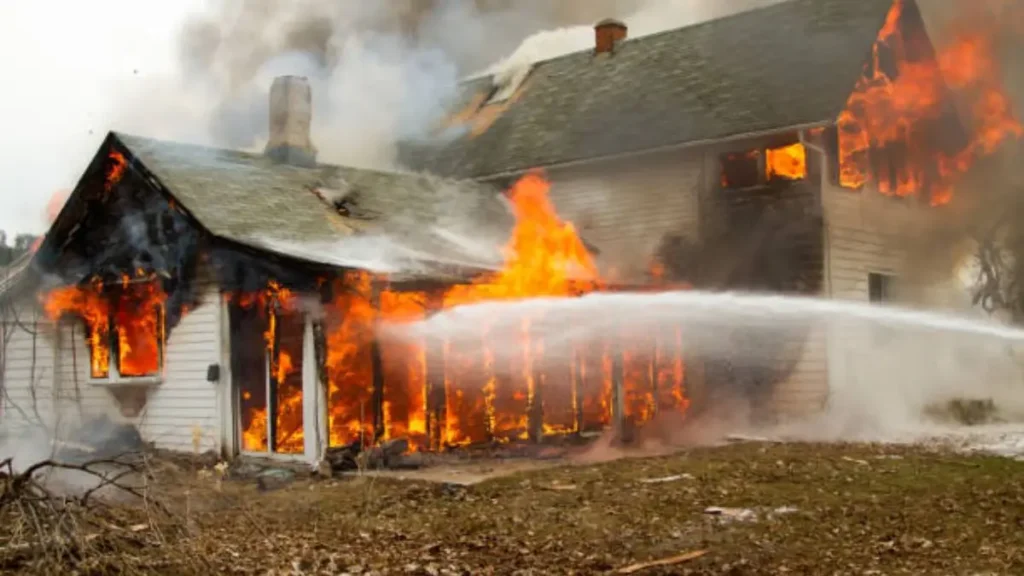
Anytime a fire drags on for nearly six hours, the whole street feels it. And when I think about the neighbors on West Scott Avenue, I can imagine what they saw from their windows — the glow, the sirens, the constant movement of crews rotating in and out.
With multiple departments responding, it’s common for streets to be blocked, hydrants to be tapped, and emergency lighting to stay on deep into the night. For a quiet residential block, that changes everything. Even if your home is untouched, that kind of scene stays with you.
What I keep thinking about is how a neighborhood shifts after something like this. The next morning, people walk outside a little slower. They look at their own homes differently. Conversations happen that wouldn’t normally happen — “Did you hear what time they finally cleared?” or “I didn’t sleep at all last night.”
Events like this ripple. Not in dramatic ways, but in real ones.
It reminded me of a fire I covered recently where two women died in a Cook County home — the entire neighborhood there described the same eerie silence the next morning.
What This Fire Teaches Us About Home Safety
I’ve covered enough fire incidents over the years to know we always circle back to one question: Could this have been prevented? And the honest answer is usually complicated.
But what tragedies like this do is push all of us — you, me, your neighbors — to look at the small things we ignore.
Basements, for example, are often where the most dangerous problems quietly live. Old wiring. Stored chemicals. Space heaters plugged into the wrong outlet. All the things we “know” are risky but put off dealing with because nothing has gone wrong yet.
And then there’s smoke detection. After going through fire data year after year, one pattern never changes: Homes with working smoke alarms save lives. Homes without them don’t.
I’m not saying a detector would have changed the outcome here — investigators haven’t released that level of detail. But I am saying that whenever I read about a fatal fire, it makes me check my own home. And I hope you check yours too.
If there’s one takeaway from this section, it’s simple: The small things matter long before the big emergencies ever show up.
I wrote about a Nebraska fire not long ago where firefighters rescued a woman trapped inside — and just like this case, it raised tough questions about what we overlook at home.
What Comes Next for the Community
Right now, the city is waiting for two things: the official cause of the fire and the identification of the victim. Both are handled carefully, and both take time.
What happens next is usually quiet but important. Investigators sift through debris. The family begins dealing with a kind of loss most of us hope we never experience. And the community slowly settles back into its routine, even though the memory of the fire lingers.
If you live in Rahway or anywhere nearby, you’re probably thinking about what this means for you. I think that’s a healthy reaction. Fatal fires remind you how close these situations really are — not in a dramatic way, but in a practical one.
As the city moves forward, updates will come out. There may be safety reminders, community support efforts, maybe even local fundraisers. These things tend to grow naturally after tragedies like this.
For now, the most helpful thing any of us can do is stay informed, stay patient, and stay connected to what matters in our own homes.
Let me ask you something as you finish this section: Do you think most people take fire safety seriously enough, or do we only pay attention after a tragedy like this?
If you want updates on similar incidents, safety reminders, and community stories, you can follow us on X and join our Facebook community.
Disclaimer: This article is based on information released by officials at the time of writing, and details may change as the investigation continues. I’ve avoided speculation and used only confirmed facts to keep the story accurate and respectful. For the most reliable updates, always follow statements from local authorities and emergency officials.