10 Warning Signs Your Floors Are Still Dirty After You Mop
I’ve mopped my floors plenty of times thinking, “That’s done.” The room looks shiny. The bucket is dirty. The mop goes back in the closet. But then I walk barefoot… and something feels off.
Maybe my socks turn gray within minutes. Maybe the floor feels sticky instead of clean. Or maybe the dust comes back so fast it feels pointless. If you’ve ever had that moment, you’re not imagining things — and you’re definitely not alone.
Here’s the uncomfortable truth most cleaning articles don’t say clearly enough: mopping does not automatically mean your floors are clean. In many cases, it just spreads residue, pushes dirt around, or masks the problem for a few hours.
I’ve gone through the top search results on this topic — House Digest, Martha Stewart, Mental Floss, professional cleaning brands, and real conversations from cleaning communities. They all repeat the basics: mop more often, use the right cleaner, avoid common mistakes. Helpful, yes — but incomplete.
What’s missing is the human side of this problem. The small, everyday signs that tell you something isn’t working — even when you’re doing everything “right.”
This article is about those signs. The quiet signals your floor gives you after mopping. The ones most people ignore until frustration kicks in.
As you read, I want you to think about your own floors — not what they look like, but how they actually behave. By the end, tell me honestly: which sign made you realize your floors might not be as clean as you thought?
What “Not Clean Enough” Really Means
For a long time, I thought clean floors meant one thing: they look clean.
No visible dirt. No stains. A bit of shine under the light.
But here’s what I’ve learned the hard way — visible clean and actually clean are not the same thing.
If your floor only looks clean, it usually means:
- Loose dirt got moved around
- Grime settled back once the water dried
- Cleaning solution stayed behind as residue
What didn’t happen?
The dirt didn’t fully lift. The residue didn’t rinse away. And bacteria or buildup didn’t truly get removed.
That’s why so many people feel stuck in this cycle: “I just mopped… so why does it still feel dirty?” You’re doing the work, but something still feels off — and that frustration shows up again and again in real cleaning discussions online, especially on Reddit.
Real cleanliness shows up in how your floor behaves after mopping, not just how it looks at first.
That’s where these signs come in.
Sign 1 — Your Socks Still Pick Up Dirt
I always tell people this: your socks don’t lie.
If you walk across the floor in clean socks and they turn gray, brown, or dusty, that’s not “normal wear.” That’s leftover dirt still sitting on the surface.
This usually means:
- Dirt was loosened but not removed
- Mop water was already dirty
- The floor wasn’t pre-cleaned before mopping
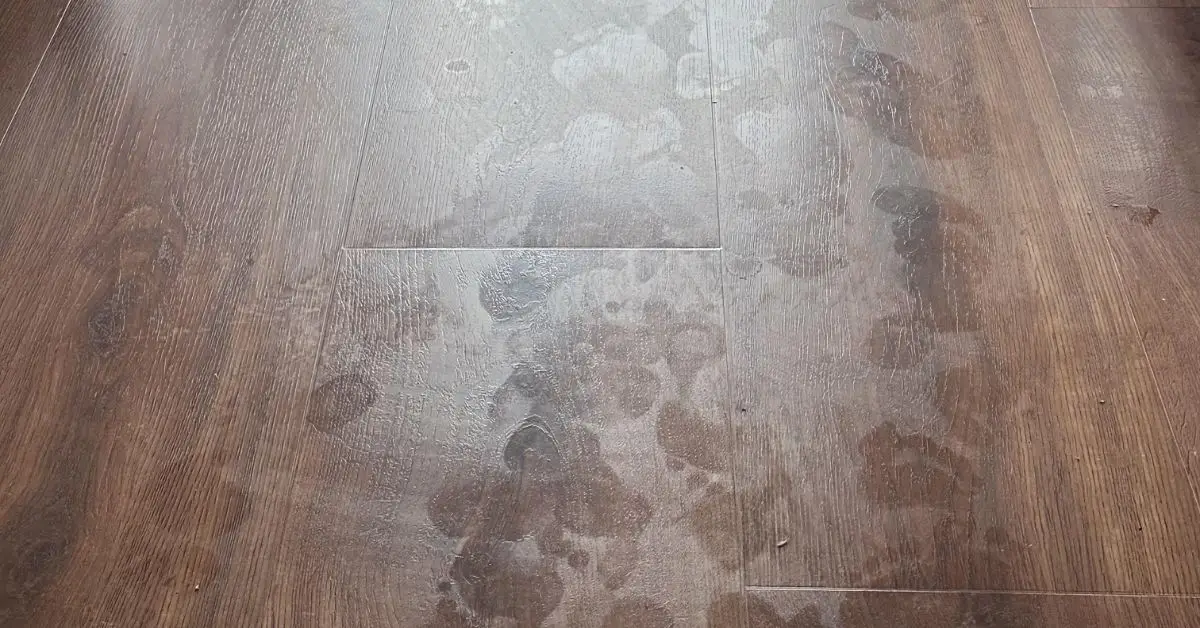
Sign 2 — Footprints Show Up Right After You Finish
This one confuses a lot of people.
You finish mopping. The floor dries. You walk across it.
And suddenly… footprints.
That’s not because your feet are dirty.
It’s usually because:
- Soap residue is sitting on the floor
- The cleaner wasn’t diluted correctly
- The mop didn’t rinse the surface properly
When residue dries, it creates a slightly tacky surface. Your footprints don’t add dirt — they reveal what was already there.
Sign 3 — The Floor Feels Sticky or Slimy Under Bare Feet
This is the one most people feel before they can explain.
You step on the floor barefoot and think, “Why does this feel… wrong?”
Sticky or slimy floors almost always come down to residue buildup, not dirt alone. If your floors smell off or feel sticky even after cleaning, part of the problem may be what you’re adding to your bucket — these simple, safe add-ins that improve mop water without leaving residue can make a real difference. That’s something professional cleaners talk about in detail — for example on the ServiceMaster Clean blog talking about how floors can stay sticky no matter how much you mop:
This happens when:
- Too much cleaning solution is used
- The wrong cleaner is used for the floor type
- Floors aren’t rinsed with clean water after mopping
A clean floor should feel neutral — not sticky, not slick, not greasy. That sticky feeling is a sensory red flag that mopping didn’t remove contaminants. It trapped them instead.
If your floor feels worse after cleaning instead of better, your routine isn’t just annoying — it’s ineffective.
Sign 4 — Streaks or a Cloudy Film That Never Fully Goes Away
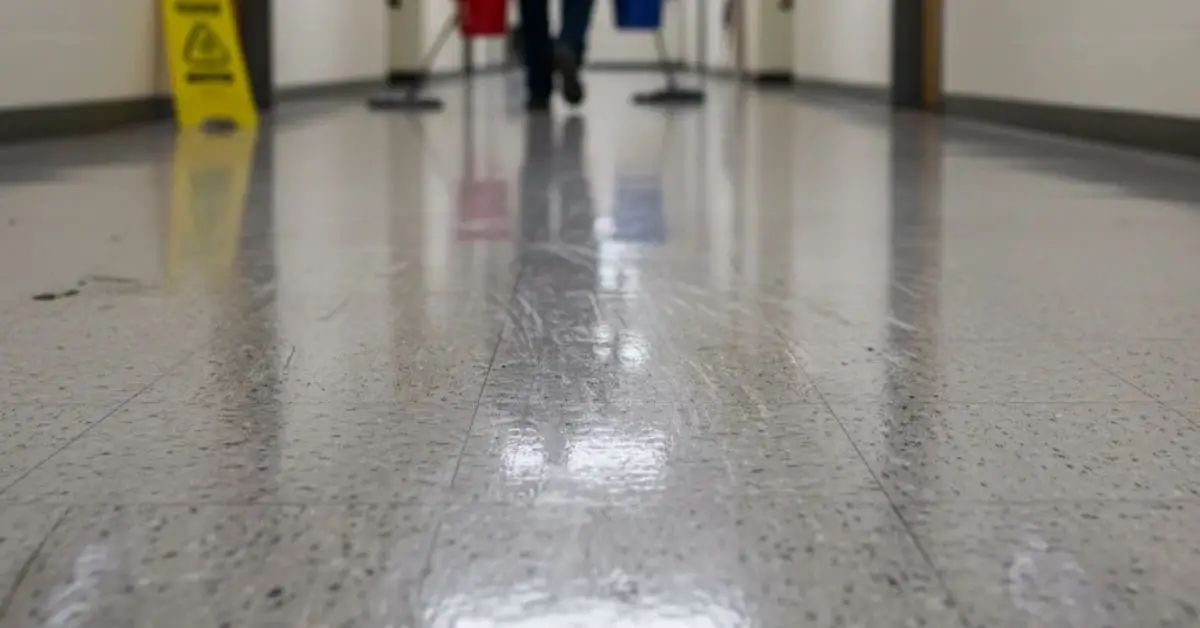
I used to think streaks were just bad lighting or a rushed mop job.
But when the same cloudy film kept showing up no matter how carefully I cleaned, I knew something else was going on.
This isn’t just streaking. It’s usually:
- Leftover cleaning solution drying on the surface
- Minerals from hard water settling after evaporation
- Too much water being used without a proper rinse
Cleaning experts have pointed out that floors can still look dirty after mopping because residue and minerals don’t disappear on their own — they layer up. You can see this explained clearly in this breakdown from Things You Didn’t Know.
Sign 5 — Dust or Debris Comes Back Within Hours
This one feels especially defeating.
You mop in the morning.
By afternoon, the floor already looks dusty again.
I’ve been there — and it’s not because your house is extra dirty.
This usually happens when:
- Floors aren’t swept or vacuumed first
- Fine dust gets wet, spreads, then resettles
- The mop pushes debris into corners instead of removing it
If loose dirt isn’t picked up before mopping, water just turns it into a thin muddy layer. Once dry, it becomes dust again — sometimes worse than before.
Sign 6 — Grout Lines or Textured Areas Still Look Dirty
Whenever someone tells me, “But I mop regularly,” I ask them one thing:
What do your grout lines look like?
If dirt is still visible in:
- Tile grout
- Textured vinyl
- Grooves or seams
…it means the mop never reached the grime in the first place.
Sign 7 — The Floor Looks Shiny but Feels Dull
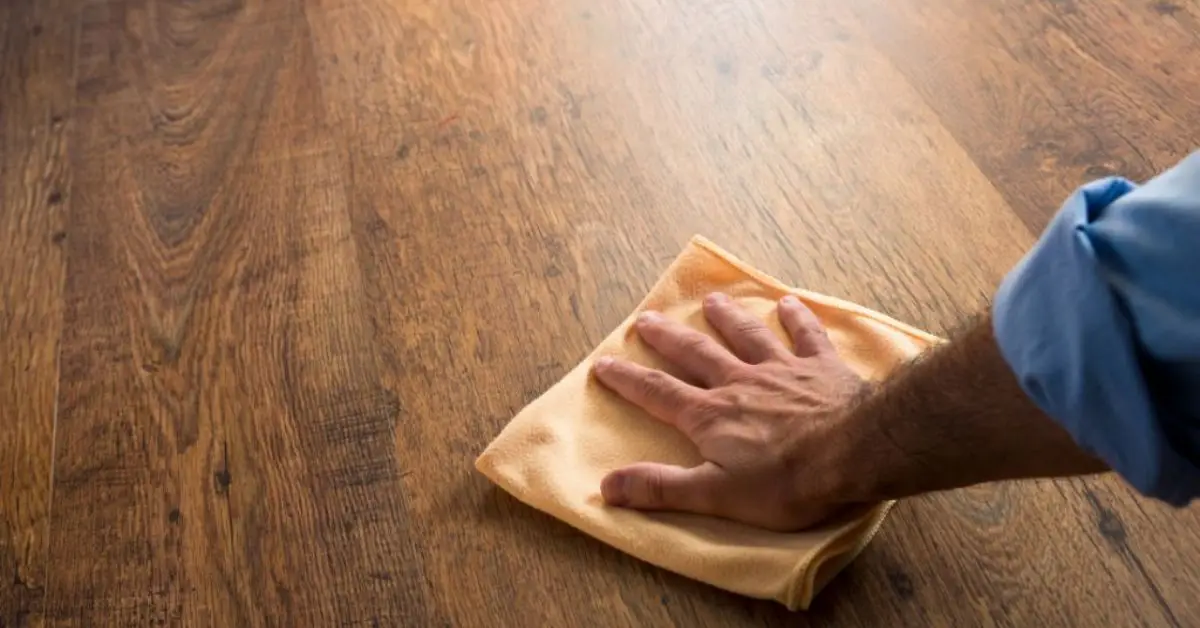
This sign messes with people’s heads the most.
The floor reflects light.
It looks clean.
But something feels lifeless about it.
That dull feeling usually comes from:
- Residue coating the surface
- Old buildup never fully removed
- Dirt trapped under layers of product
Shine doesn’t always equal cleanliness. Sometimes it’s just a smooth layer of leftover cleaner reflecting light.
Sign 8 — You Notice Allergies or Irritation After Cleaning
This one surprised me when I first connected the dots.
You clean the floors, expecting the house to feel fresher.
Instead, you start sneezing. Your eyes feel itchy. The air feels dusty again.
That’s not a coincidence.
If mopping were truly removing dust and allergens, cleaning should reduce irritation — not trigger it. When it doesn’t, it usually means:
- Fine dust wasn’t picked up before mopping
- Allergens got spread around with water
- Residue trapped particles instead of removing them
Mopping alone doesn’t pull allergens out of the home. If anything, it can lift them briefly and let them settle again once the floor dries.
Sign 9 — Your Mop Water Turns Dirty Almost Immediately
This is one of the simplest tests — and one of the most telling.
You dip the mop.
You make a few passes.
You look at the bucket… and it’s already dark.
When mop water turns dirty that fast, it usually means:
- Loose dirt wasn’t removed beforehand
- The mop is spreading debris instead of lifting it
- You’re cleaning too large an area with the same water
Consumer cleaning guides, including one from Yahoo Shopping, point out that dirty mop water early in the process is a sign you’re redistributing grime rather than removing it.
Sign 10 — Floors Look Clean but Get Dirty Way Too Fast
This is usually the final straw.
You clean.
The floor looks fine.
Then — within a day or two — it feels dirty again.
That fast re-soiling usually points to:
- Residue left on the surface attracting dust
- Old buildup that never got removed
- Deep dirt still sitting under a “clean” layer
Clean floors don’t just look better for an hour. They stay cleaner longer. When they don’t, it’s a sign that mopping improved appearance without solving the real problem.
Why Mopping Alone Often Fails
I used to think mopping was the solution.
If floors weren’t clean, I’d just mop again — harder this time.
That’s exactly where most people get stuck.
The truth is, mopping often fails not because you’re lazy or careless, but because mopping is usually the last step — and people treat it like the first.
Here’s what’s really going wrong behind the scenes.
1. Floors aren’t prepped before mopping
If dust, hair, and fine debris aren’t vacuumed or swept first, water turns them into a thin layer of grime. Yahoo’s home cleaning coverage points out that skipping prep is one of the fastest ways to make floors look dirty again. You’re not removing dirt — you’re liquefying it and spreading it.
2. Dirty mop water spreads soil, not removes it
Cleaning specialists at Microfiber Wholesale explain this clearly: once your mop water is dirty, every pass puts that dirt back onto the floor. This is why floors can feel worse after mopping than before.
3. The wrong mop or cleaner does more harm than good
Tom’s Guide has interviewed cleaning experts who confirm that mismatched tools are a huge problem. Using too much cleaner, the wrong solution for your floor type, or a mop that doesn’t lift debris leads straight to residue and streaking. Most of these problems don’t happen because people don’t clean — they happen because of small habits done the wrong way, like the ones covered in these worst mopping mistakes that are quietly making floors filthy.
4. Residue and hard water don’t evaporate — they build up
As explained by Things You Didn’t Know, minerals from hard water and leftover product dry into a thin film. Over time, this dulls floors, traps dirt, and makes cleaning feel pointless.
Pro Tips: How to Really Clean Floors (Beyond Just Mopping)
Once I fixed these basics, everything changed. Floors stayed cleaner longer, felt better underfoot, and stopped fighting back.
Here’s what actually works.
Start with proper prep every single time
- Vacuum or sweep slowly, not quickly
- Focus on edges, corners, and traffic paths
- Don’t mop until loose dirt is gone
Use the right cleaner for your floor
- Tile and vinyl need different solutions
- Wood floors need minimal moisture
- More product does not mean more clean
Rinse — even if the bottle doesn’t say to
- A second pass with clean water removes residue
- Change mop water often, even mid-room
- If water looks dirty, it is dirty
Know when mopping isn’t enough
- Grout lines need scrubbing
- Textured floors need agitation
- Old buildup may need machine cleaning
Before going that route, it’s worth knowing that steam isn’t safe for every surface — especially the ones listed in this guide on floors you should never clean with a steam mop.
These aren’t just expert tips — they’re constantly backed up by real experiences shared in cleaning communities on Reddit, especially when it comes to rinsing floors to remove that sticky residue people can’t figure out.
When It’s Time for Professional Help
Most floors don’t need professional cleaning often — but some situations do.
You might want expert help if:
- Grout stays dark no matter what you try
- Floors feel sticky even after rinsing
- Old buildup won’t come off
- Shine looks uneven or patchy
Professionals have tools that reach where mops can’t. Sometimes one deep reset is all it takes to make regular cleaning work again.
Wrapping It All Together
If there’s one thing I want you to take away, it’s this:
Clean floors aren’t about mopping more — they’re about cleaning smarter.
Your floors have been giving you signs all along — dirty socks, streaks, dust, irritation, fast re-soiling. Once you understand why those signs happen, fixing them becomes much easier.
If you found this helpful, I’d love to hear from you.
Which sign made you stop and rethink your cleaning routine? Drop a comment below.
And if you want more practical, no-nonsense home guidance like this, visit Build Like New — where we focus on real fixes that actually work.
Disclaimer: This article is for general information and educational purposes only. Cleaning results can vary based on floor type, products used, and household conditions. Always follow manufacturer guidelines for your specific flooring, and consult a professional if you’re unsure or dealing with severe buildup or damage.