Stop Ruining These 10 Garage Items — Storage Mistakes Homeowners Make
I’ve spent years helping homeowners organize their spaces, and one thing I keep seeing is the same mistake over and over: treating the garage like a “catch-all” storage room. You know the type—paint cans stacked in the corner, old electronics piled up, and boxes of stuff you haven’t touched in years. It seems harmless, but your garage can actually be one of the riskiest spots in your home if you’re not careful.
You might think, “It’s just a garage—what’s the worst that could happen?” But heat, cold, pests, and even a stray spark can turn everyday items into serious hazards. Flammable liquids, chemicals, or even simple household objects can cause fires, mold, or irreversible damage if stored the wrong way. I’ve seen it firsthand, and trust me, it’s not worth the risk.
In this guide, I’ll walk you through 10 things you should never store in your garage—and just as importantly, what you can do instead. I’ll share practical alternatives, safety tips, and real-life examples so you can keep your garage organized, safe, and stress-free. By the end, you’ll not only know what to avoid but also how to reclaim your garage without losing valuable stuff.
Core List of Items You Should Never Store
1) Gasoline & Fuel Containers
Problem: High fire risk + fumes
I can’t stress this enough—gasoline is one of the most dangerous things you can keep in a garage. Even a sealed container can leak vapors that are highly flammable. For more winter-specific risks, check out our guide on 5 things you should never leave in your garage this winter to protect your money and valuables. One tiny spark from a car battery or electrical outlet can turn your garage into a disaster zone.
Why this matters to you: Gasoline vapors are explosive, and accidents often happen when homeowners think “it won’t happen to me.”
What most lists miss: People rarely explain how to store fuel safely or prevent spills.
What to do instead:
- Use approved outdoor fuel lockers or ventilated sheds.
- Only buy what you need and avoid long-term storage.
- Check with your local fire department about safe disposal or hazardous waste programs.
For official fire risk statistics and safety guidance, you can see NFPA’s home structure fires report.
2) Paints and Solvents
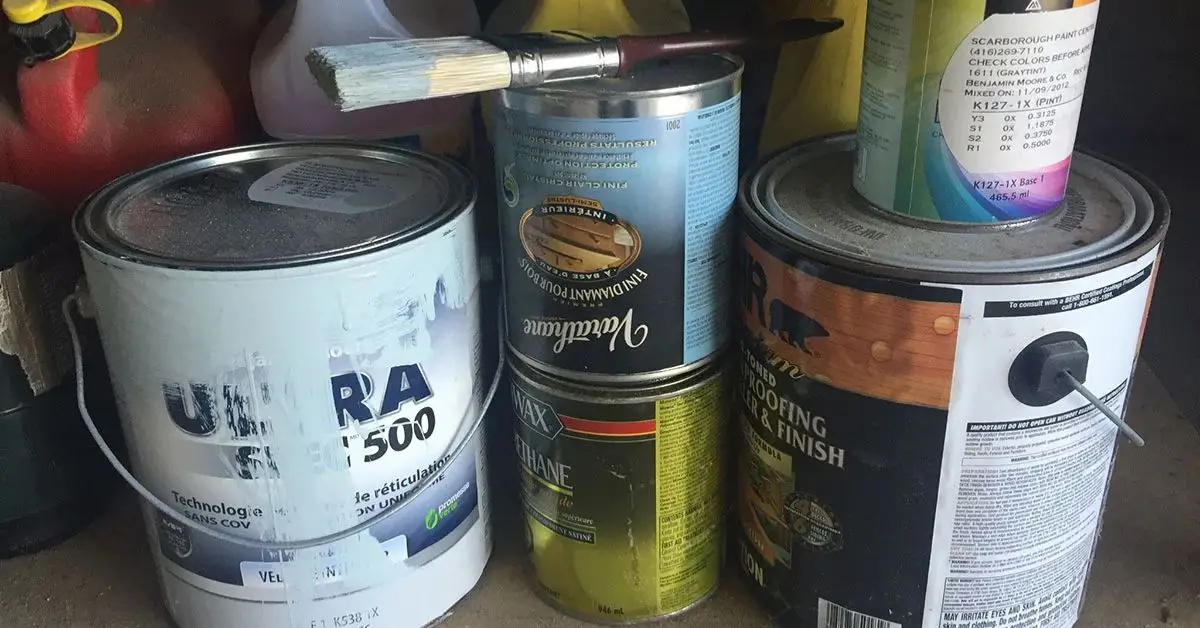
Problem: Flammable + toxic fumes
Storing paint in your garage might seem convenient, but heat makes it off-gas, and freezing winters can ruin the quality. Those fumes aren’t just smelly—they’re harmful if you inhale them repeatedly.
Why this matters to you: You don’t want ruined paint or a toxic environment for yourself and your family.
What to do instead:
- Keep paints in a climate-controlled basement or interior closet.
- Use clearly labeled totes to separate colors and types.
- Take old cans to your local recycling center instead of letting them linger.
3) Electronics and Appliances
Problem: Moisture damage + short lifespan
Garages are notorious for humidity and dust, which can wreck electronics faster than you’d expect. I’ve seen small appliances get fried or start rusting simply from being left in a corner for months.
Why this matters to you: You invest in these items—you want them to last.
What to do instead:
- Store electronics on shelves inside your home where temperature and humidity are stable.
- If you must keep them in a garage, use sealed bins with desiccant packs.
- Avoid stacking heavy items on top of delicate gadgets.
4) Paper Products & Documents
Problem: Susceptible to mold and pests
Important papers—like tax returns, warranties, or old family photos—can vanish if left in the garage. Mold and rodents can destroy them faster than you’d think.
Why this matters to you: Losing these documents is frustrating and sometimes expensive to replace.
What to do instead:
- Scan and back up documents to the cloud.
- Keep originals in a fire-proof safe indoors.
- For sentimental items, consider archival-quality storage boxes.
5) Clothing & Fabric
Problem: Pests, mildew, odor retention
I’ve seen perfectly good clothes ruined just by leaving them in a garage over a season. Mildew, odors, and even insects can make your favorite outfits unusable.
Why this matters to you: It’s wasteful and frustrating to lose clothing that could have been stored safely.
What to do instead:
- Use vacuum-sealed bags for seasonal storage—but keep them inside your home closets.
- Wash and dry everything before storing to prevent odors.
- Rotate seasonal clothing so nothing sits too long.
6) Food & Beverages
Problem: Attracts rodents + spoils quickly
I’ve seen it countless times—someone stores cereal boxes or canned goods in their garage, thinking it’s convenient. Before long, pests have found a way in, or humidity has ruined the food.
Why this matters to you: Rodent infestations and spoiled food are not just wasteful—they can also spread bacteria and create an unsafe environment.
What to do instead:
- Keep food in a pantry inside your home.
- If you must store items in the garage short-term, use airtight, sealed containers.
- Check items regularly to avoid forgotten spoilage.
7) Tires & Rubber Goods (Long-Term)
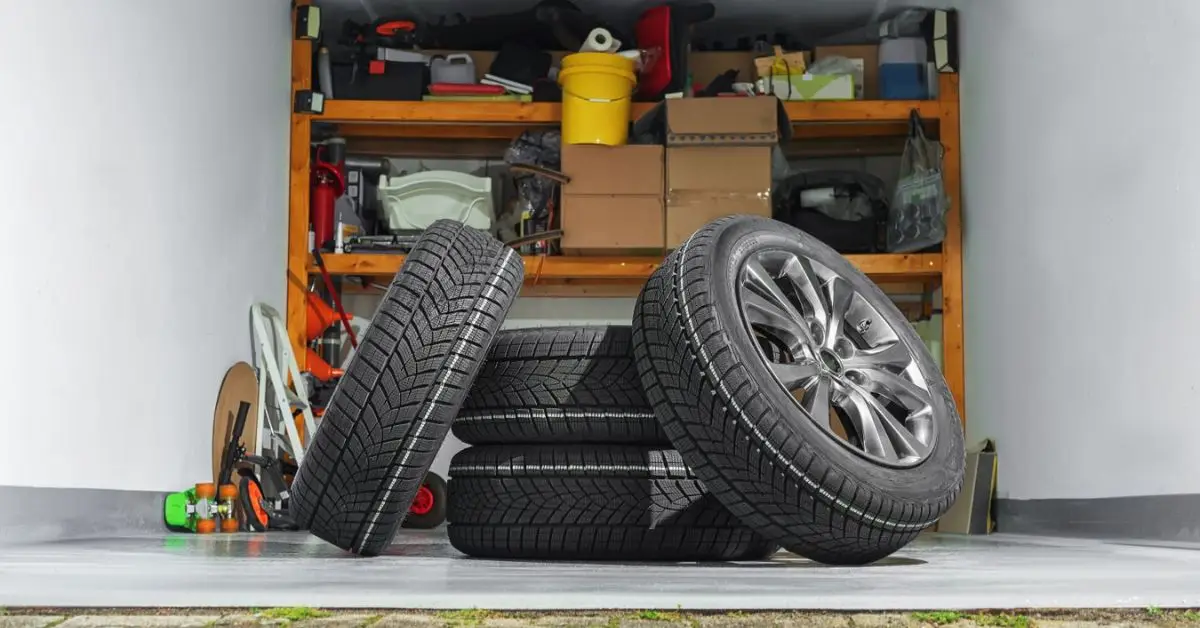
Problem: Heat and ozone degrade rubber
Leaving tires or rubber mats in the garage can seem harmless, but heat and sunlight damage the material over time. That means your tires might lose grip or crack unexpectedly.
Why this matters to you: Compromised tires are a safety risk and can be expensive to replace.
What to do instead:
- Store tires on racks in a cool, shaded spot.
- Rotate tires occasionally to avoid flat spots.
- Keep them off direct sunlight or concrete floors for long-term storage.
8) Propane Tanks
Problem: Explosion risk + temperature extremes
Propane tanks might seem like they can sit anywhere, but garages are full of potential ignition sources. Even small temperature swings can increase pressure inside the tank, creating risk.
Why this matters to you: Insurance policies may not cover damage caused by indoor propane storage, and accidents can be catastrophic.
What to do instead:
- Keep tanks outside in a ventilated, shaded area.
- Ensure they are upright and away from any heat source.
- Only bring them inside when actively using for grilling or appliances.
9) Household Cleaners & Chemicals
Problem: Toxic fume buildup + chemical reactions
Mixing cleaners or storing incompatible chemicals can produce harmful gases—or worse, start fires. Many homeowners underestimate this risk until an accident happens.
Why this matters to you: It’s a hidden danger that can harm your family or pets, even without open flames.
What to do instead:
- Use a lockable indoor cabinet for hazardous chemicals.
- Clearly label and separate incompatible substances.
- Follow disposal instructions for old or expired chemicals.
10) Valuables & Irreplaceables
Problem: Theft, humidity, temperature swings
Items like jewelry, heirlooms, or rare collectibles are tempting to stash in the garage, but humidity, temperature changes, and opportunistic theft make it a poor choice.
Why this matters to you: Protecting what matters to you is about more than money—it’s about peace of mind.
What to do instead:
- Use a safe deposit box for high-value items.
- Keep collectibles in a climate-controlled room at home.
- For sentimental items, consider archival-quality storage with moisture protection.
For extra guidance on safely storing items in your garage or basement, check out FEMA’s advice on basement and garage safety.
Bonus: Seasonal Items Most People Mishandle
Not everything in your garage is a hazard. Some items can stay there safely—but only if you store them the right way. Most articles stop at listing “don’ts,” but I want to show you the “can dos” that make a real difference.
Here’s what I recommend:
- Lawn care tools: Clean and dry metal tools before storage. Apply a light rust protection spray and hang them on a wall-mounted rack to prevent contact with moisture.
- Workout gear: Yoga mats, dumbbells, or resistance bands should be stored off the floor and in breathable containers to prevent mold and odor.
- Holiday decorations: Use airtight bins, label them clearly, and stack carefully to avoid crushing fragile items.
These small steps keep seasonal items usable year after year—and prevent your garage from turning into a cluttered mess.
Practical Storage Tips
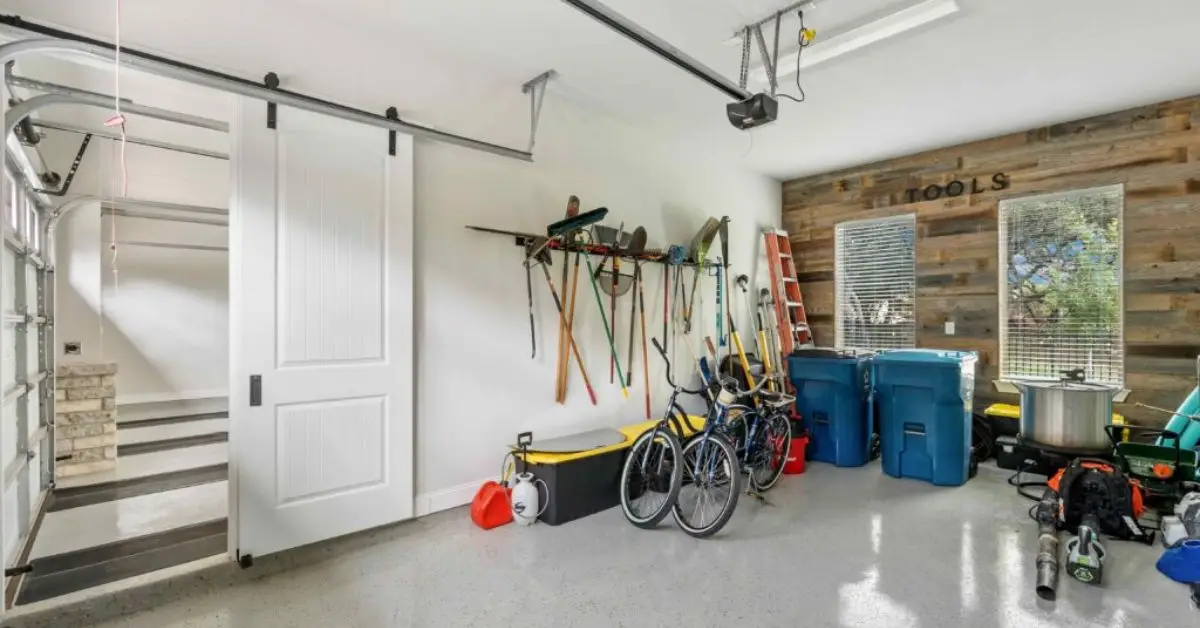
I’ve visited countless garages, and the difference between chaos and order often comes down to a few smart systems. You don’t need a full remodel—just practical methods to protect your stuff and make your garage functional.
Here’s what works:
- Climate control:
- Install a small dehumidifier to prevent moisture buildup.
- Insulate walls or doors if your garage experiences extreme heat or cold—this protects electronics, paint, and fabrics. Since garages can experience extreme temperatures, you’ll also want to read about 5 ways your uninsulated garage could cost you big this winter, so you can protect your items and avoid unexpected damage.
- Pest prevention:
- Use natural deterrents like cedar blocks or essential oils.
- Seal cracks and gaps around doors and windows to keep rodents out.
- Keep bins off the floor to avoid easy access for pests.
- Labeling and organization:
- Use clear bins with printed labels or color-coded stickers.
- Group items by category—tools, sports gear, seasonal decor—so you can find them quickly.
- Rotate frequently used items to the front and long-term storage to the back. If you want to take your garage organization further, try these 8 easy DIY garage storage hacks to clear clutter fast, which complement the labeling and shelving tips above.
For step-by-step garage organization strategies, check out Bob Vila’s guide to garage storage and organization.
Conclusion
Your garage doesn’t have to be a risky catch-all for hazardous or easily damaged items. By avoiding flammable liquids, chemicals, electronics, and other sensitive stuff—and storing seasonal items the right way—you can keep your space organized, safe, and functional. Small changes like using climate-controlled bins, proper shelving, and pest prevention make a huge difference over time.
I’d love to hear from you: What’s the one thing you’ve found tricky to store in your garage? Drop a comment below and share your experience—I read every single one.
And if you want more practical tips and step-by-step guides on home storage, organization, and safety, check out my website, Build Like New, where I cover everything from garages to full home renovations. Your garage can be safer, smarter, and stress-free—you just need the right approach.
Disclaimer: This article is for informational purposes only. Always follow manufacturer instructions and local safety regulations when storing hazardous materials. Build Like New is not responsible for accidents or damages resulting from improper storage. When in doubt, consult professionals for handling flammable, toxic, or valuable items.