12 Unexpected Things About Owning a Home You Should Know
When I bought my first home, I thought I knew what I was getting into—mortgage, some bills, maybe a few minor repairs. I couldn’t have been more wrong. Owning a home is like stepping into a world of unexpected twists: some are exciting, like seeing your equity grow faster than you imagined, and some are… well, shocking, like discovering hidden repair costs you never budgeted for.
Over the years, I’ve learned that every homeowner faces surprises—big and small—that textbooks and real estate agents rarely warn you about. From maintenance headaches to emotional rollercoasters and the quirky realities of your neighborhood, these surprises can shape your experience far more than the home itself.
In this article, I’m breaking down the 12 biggest surprises every homeowner faces, sharing what I’ve seen, what experts warn about, and what real homeowners are saying online. You’ll walk away prepared, armed with tips, and maybe even a few “aha” moments you didn’t see coming.
1. Maintenance Is More Than You Imagined
When I first moved into my home, I thought maintenance would be occasional—maybe a leaky faucet here, a clogged drain there. I quickly realized it’s a full-time reality you don’t fully appreciate until it hits you. Suddenly, there’s a roof that needs inspecting, HVAC filters to change, gutters to clean, and that quiet hum in the basement that you hope isn’t a bigger problem.
The real shock? Even homes that look “move-in ready” hide surprises. A small crack in the foundation, a failing water heater, or worn-out wiring can show up months—or even years—after purchase. These aren’t just minor annoyances; they can hit your budget and your peace of mind. I’ve personally seen friends face thousands of dollars in unexpected repairs within the first year.
Here’s what I do now: I set aside 1–2% of my home’s value every year just for maintenance. It feels like a lot at first, but it’s nothing compared to the stress and cost of ignoring small issues until they explode. And honestly, treating maintenance as part of homeownership—not an afterthought—changes your mindset and keeps surprises manageable.
Practical tip: Walk through your home at least once a month. Look for small issues—loose tiles, dripping faucets, minor leaks, or anything unusual. Fixing these early prevents them from becoming a major headache later.
2. Hidden Costs Hit Hard After Closing

You might think that once your mortgage is paid, you’re done budgeting for your home. Trust me—I’ve been there, thinking I finally had financial breathing room… and then the bills started rolling in. Even after closing, homeowners face costs that catch them off guard. According to The Motley Fool, many first-time buyers underestimate how much money they’ll need for repairs, appliance replacements, and outdoor maintenance.
Here’s what I’ve learned you should keep in mind:
Repairs and Appliance Replacements:
- Water heaters, furnaces, and refrigerators don’t last forever. The average lifespan of a water heater is 10–12 years, and ignoring small warning signs can lead to emergency replacements.
- According to Zillow, roughly 30% of homeowners report unexpected appliance failures within the first two years of ownership. That’s a lot of stress if you aren’t financially prepared.
- Small fixes like leaky faucets or broken door locks might seem minor but can add up over time.
Landscaping and Outdoor Maintenance Costs:
- Seasonal tasks like lawn care, tree trimming, and snow removal are often overlooked in your initial budget.
- Outdoor repairs such as deck staining, fence maintenance, or sprinkler system upkeep are location-dependent and can fluctuate seasonally.
- A tip I swear by: Schedule a quarterly check of your outdoor spaces—this saves money and prevents larger problems.
I’ve realized that factoring these hidden costs into your budget before closing gives you a much smoother transition into homeownership. It’s not glamorous, but it saves a lot of headaches.
If you want to understand how some buyers reduce upfront expenses, you might find this helpful: The 0-Down Home Loan Everyone Should Know About—it breaks down options most first-time buyers never hear about.
3. Property Taxes and Insurance Rise Over Time
When I bought my first home, I assumed my property taxes and insurance premiums would stay more or less the same year after year. Boy, was I wrong. Over time, both can climb higher than you expect, sometimes hitting your budget like a surprise storm.
Many competitors mention taxes and insurance, but they rarely explain how often they rise or how much it affects your finances long-term.
Escrow Account Surprises:
- If your lender manages your taxes and insurance through an escrow account, you might not notice small increases immediately. But annual adjustments can add hundreds—or even thousands—to your monthly payment.
- Example: I’ve seen homes where property taxes increased by 8–10% in one year due to local assessments, and insurance premiums rose after a single severe weather season.
What you can do:
- Review your escrow statement every year. Don’t just assume the numbers are right.
- Ask your insurance agent or local assessor about upcoming changes that could affect your premiums.
- Planning ahead gives you control over surprises that could otherwise disrupt your budget.
Zillow experts also highlight that keeping a reserve fund specifically for tax and insurance hikes is a lifesaver for any homeowner.
4. Your Neighborhood Can Surprise You
Buying a home isn’t just about the house—it’s about the community you step into. I’ve learned the hard way that even a neighborhood that looks perfect on paper can bring unexpected challenges once you’re living there.
Noise, traffic, and local rules can make or break your experience. Reddit threads and advice from pros like Barbara Corcoran repeatedly emphasize this reality.
Noise, Community Vibes & Local Rules:
- A quiet street during your viewing might turn out to be a shortcut for school traffic during mornings and evenings.
- Local rules and HOA restrictions can surprise you—like strict rules on paint colors, outdoor decorations, or parking limitations.
- Talking to neighbors or spending a weekend in the area before committing helps uncover these hidden truths.
Upcoming Developments and Zoning Changes:
- A vacant lot next door might seem fine now, but future construction can change your view, noise levels, and even property value.
- I always check city planning websites for upcoming developments. It’s a simple step that can save a lot of future frustration.
Your neighborhood sets the stage for your daily life. The more research you do upfront, the fewer unwelcome surprises you’ll face after moving in.
5. Inspection Doesn’t Catch Everything
When I first bought my home, I thought a professional inspection would cover every possible issue. I trusted the inspector completely, only to discover months later that my basement had a slow leak and some wiring didn’t meet current codes. Even Zillow highlights that inspections are crucial—but user stories show that surprises still happen behind walls or with systems inspectors can miss.
Hidden Structural or Plumbing Issues:
- Pipes hidden in walls can corrode or leak without obvious signs during a standard inspection.
- Structural weaknesses like small foundation cracks or roof underlayment issues may be missed, especially in older homes.
- Reddit threads from first-time homeowners show these kinds of defects are more common than you’d think—and can cost thousands if ignored.
Why You Should Attend Every Inspection:
- Seeing issues firsthand helps you understand the seriousness and negotiate repairs or pricing with the seller.
- You can ask the inspector questions on the spot, getting clarity on maintenance timelines and warning signs.
- Take notes and photos—trust me, it’s useful later when unexpected repairs pop up.
Tip from my experience: Never treat an inspection as a formality. You and your inspector should walk every corner together—you’ll catch more than you expect and save yourself stress down the road.
And if you’re heading into negotiations soon, this guide—Buying a Home? Here’s How to Negotiate a Lower Price—shows how inspection findings can actually strengthen your leverage.
6. Closing Costs Often Catch Buyers Off Guard
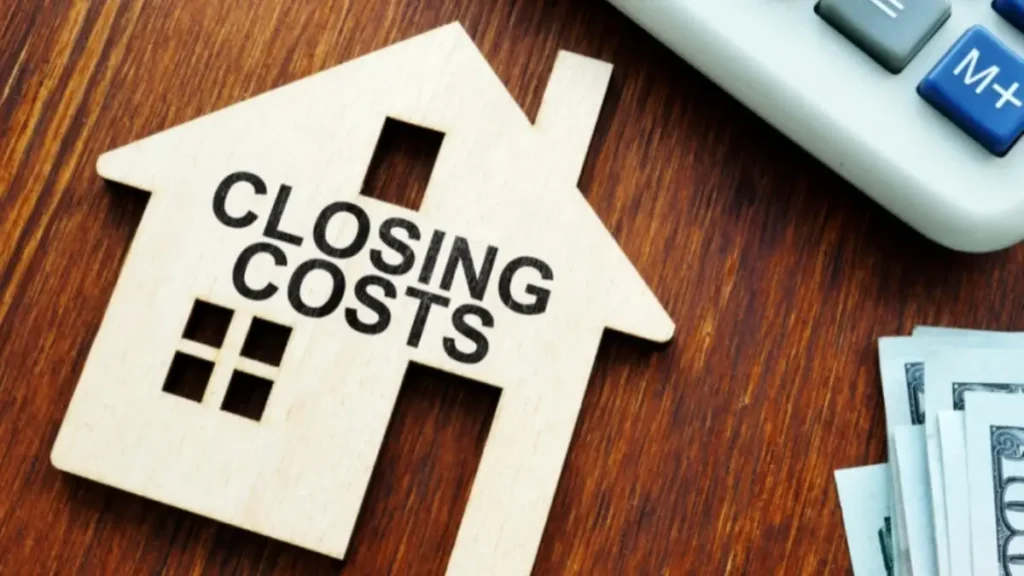
Just when you think you’ve budgeted everything—down payment, mortgage, and a little extra—closing costs sneak in like a silent shockwave. Reddit discussions show that first-time buyers are consistently surprised by these fees.
Here’s what you should know:
- Typical closing costs: Loan origination fees, title insurance, appraisal fees, recording fees, and sometimes pre-paid property taxes or homeowners insurance.
- Unexpected additions: Some lenders may include processing or courier fees, and legal or escrow charges can vary by state.
- Practical tip: Request a Loan Estimate early and compare it to your Closing Disclosure. This helps you spot extra charges and plan accordingly.
From my own experience, budgeting 3–5% of your home’s purchase price for closing costs is a safe rule. It prevents that “I thought I was done paying” moment, which can be stressful if your funds are tight.
7. Emotional Roller Coaster: Attachment and Stress
Owning a home isn’t just a financial journey—it’s an emotional one. I remember the excitement when I first got my keys, followed quickly by moments of stress over decisions I hadn’t anticipated. Zillow and other experts highlight the emotional side of homeownership, but most articles gloss over just how intense it can be.
Here’s what I’ve learned:
- Attachment hits hard: You’ll start to see your house as your home, and even small problems can feel bigger than they are. That leaky faucet? Suddenly, it’s personal.
- Decision fatigue is real: Choosing paint colors, flooring, or even which contractor to hire can feel overwhelming when every choice seems permanent.
- Unexpected joy: On the flip side, there are small wins—your first successful DIY repair, or the perfect backyard setup—that make it all worth it.
Practical tip: Keep a “home journal” or checklist for decisions and repairs. It helps track progress, celebrate small wins, and reduces stress when surprises pop up.
8. Equity Growth Can Be a Pleasant Surprise
Not all surprises are stressful. One of the best ones? Watching your equity grow faster than you expected. I didn’t fully appreciate this when I bought my first home, but over time, it became one of the most rewarding parts of homeownership.
- What’s equity? It’s the portion of your home that you actually own—the part not owed to your lender.
- Why it surprises you: Home values can rise due to market demand, neighborhood improvements, or upgrades you make yourself.
- Practical insight: Even small renovations—like updating a kitchen or bathroom—can increase your home’s value and your equity significantly.
Practical tip: Track your home’s value annually and compare it to your mortgage balance. You might be surprised how much wealth you’re building without even noticing it.
Take a moment: Think about this—every payment you make, every improvement you do, adds to your long-term financial growth. That’s one surprise you can happily embrace.
If you like getting short, practical homeowner tips without digging through long articles, I share quick updates on a WhatsApp channel I follow regularly—it’s been genuinely helpful for staying ahead of repairs and market changes.
9. New Construction Has Its Own Surprise Costs
When I first considered a brand-new home, I assumed “new” meant flawless. Turns out, new construction comes with its own surprises. Even though the house is fresh, hidden upgrade costs and workmanship issues can hit unexpectedly. According to Investopedia, things like unfinished landscaping, missing appliances, or minor defects can add up quickly.
Here’s what I’ve noticed:
- Upgrades add up: Standard models often look perfect on paper, but if you want premium finishes, the costs pile up fast.
- Hidden defects: Even new plumbing, electrical, or roofing work can have flaws that aren’t obvious until you’ve moved in.
- Delayed warranties: Some items aren’t covered immediately, meaning small issues could cost you out-of-pocket.
Practical tip: Walk through your new construction home multiple times, and ask for a detailed list of what’s included versus optional upgrades. Document any minor issues before closing—they can save you headaches later.
I’ve learned: “brand new” doesn’t always mean “problem-free.” Planning ahead keeps your budget realistic.
10. Time and Effort of Homeownership Are Underestimated

Owning a home isn’t just about money; it’s about time. When I moved in, I underestimated how much effort daily upkeep and decision-making would require. Reddit threads from homeowners reinforce this—many realize only later how much time is consumed by repairs, scheduling contractors, or even learning new systems like smart thermostats or irrigation controls.
Key surprises about time commitment:
- Learning your home’s systems—plumbing, heating, security—takes longer than expected.
- Coordinating contractors and repair schedules is a job in itself.
- Small chores, like seasonal maintenance or cleaning gutters, quietly demand hours each month.
Practical tip: Treat your home like a project with weekly and monthly tasks. Even 30 minutes a week can prevent bigger problems.
Ask yourself: Are you ready to invest time, not just money, to keep your home running smoothly?
If you’re still in the early months of owning your home, here’s something that will help you stay organized: What Smart Homeowners Do Right After Buying a Home—a checklist of small tasks that prevent bigger problems later.
11. Utilities and Ongoing Bills Are Unexpectedly High
Even if you budgeted for your mortgage and property taxes, many homeowners are shocked by utility bills. Electricity, water, internet, trash, and even HOA fees can quickly exceed expectations. Users on forums repeatedly share stories of miscalculating these costs, especially in older homes or homes with large yards and multiple systems.
Common surprises:
- Heating and cooling costs fluctuate with weather more than expected.
- Older appliances or poor insulation can drive energy bills higher.
- Internet, cable, and security subscriptions add up faster than anticipated.
Practical tip: Track your utility bills for the first 3–6 months, and adjust your monthly budget accordingly. Consider energy-efficient upgrades where possible—they pay off in the long run.
Quick thought: Have you factored in these recurring costs before your home purchase? Many homeowners regret not doing this early.
12. You Need to Become Your Own Project Manager
Once you own a home, you quickly realize you’re not just a homeowner—you’re a project manager. I found myself juggling renovation plans, maintenance schedules, and long-term improvement priorities. Most buyers don’t anticipate this shift until they’re in the middle of it.
Things I learned the hard way:
- Prioritize projects: Decide what needs urgent attention versus what can wait.
- Schedule effectively: Contractors, deliveries, and DIY timelines all require planning.
- Track your budget: Every project affects your finances, and small costs can snowball if untracked.
Pro tip: Follow real estate professionals on Twitter or LinkedIn for homeownership tips—they often share practical hacks and checklists that can save time and stress.
Remember: Managing your home like a project keeps surprises manageable and ensures you stay in control.
Expert Tips to Avoid or Prepare for These Surprises
Owning a home doesn’t have to feel like a series of surprises if you plan ahead. I’ve learned that a little preparation goes a long way, and most competitors skip this entirely. Here’s how you can protect yourself and enjoy your home without constant stress.
Financial Planning Checklist Before You Buy
- Savers fund: Have at least 3–6 months of living expenses set aside before closing. Unexpected costs can hit fast.
- Inspection budget: Even a thorough inspection can leave minor surprises; allocate $500–$1,000 for minor fixes immediately after moving in.
- Maintenance reserve: Plan 1–2% of your home’s value annually for ongoing repairs—roofing, appliances, HVAC, and seasonal upkeep.
- Upgrade cushion: For new construction, factor in optional upgrades or corrections to workmanship that may appear after moving in.
Tip from experience: Treat this as an ongoing investment in your peace of mind—it’s cheaper and less stressful than reacting to problems as they arise.
Questions to Ask at Inspection
- Are there any signs of hidden water damage, mold, or plumbing issues?
- How old are the roof, HVAC system, and major appliances?
- What repairs should I expect in the next 2–3 years?
- Are there any neighborhood or zoning issues I should be aware of?
Attending the inspection in person and asking these questions lets you catch problems early and negotiate effectively. It’s one of the smartest moves I made as a homeowner.
Final Thought — Homeownership Is a Journey, Not Just a Purchase
Buying a home isn’t just a transaction—it’s a journey filled with learning, growth, and yes, a few surprises. From hidden costs and maintenance to emotional ups and downs, every homeowner experiences moments they didn’t see coming.
But here’s the thing: with preparation, awareness, and a proactive mindset, you can turn these surprises into manageable challenges—and even opportunities. I’ve learned that tracking maintenance, budgeting wisely, attending inspections, and staying engaged in your neighborhood doesn’t just protect your finances; it helps you enjoy the home you’ve worked hard to buy.
I’ll leave you with this: What’s the one thing you think might surprise you the most about homeownership—and how would you prepare for it?
If you enjoy practical, no-fluff homeownership advice, you can follow along on X and join the community discussions on Facebook. I share daily tips, checklists, and real stories from homeowners just like you.
Disclaimer: The information in this article is for educational and informational purposes only. It is not financial, legal, or professional advice. Always consult qualified experts before making home buying or financial decisions.