12 Reasons Your Water Pressure Is Lower Than It Should Be
You don’t really think about water pressure—until your shower turns into a slow drip.
I’ve seen this happen in brand-new homes and 40-year-old houses alike. One day everything works fine. The next day, your washing machine takes forever, your sink barely rinses dishes, and your shower feels like standing under weak rain.
That’s when most homeowners start searching for answers.
Here’s the thing: low water pressure isn’t just annoying. It’s often a signal. Sometimes it’s simple—like a clogged aerator. Other times, it points to corroded pipes, a failing pressure regulator, or even a leak hiding behind your walls.
And not all pressure problems are the same.
Is the issue happening in just one faucet? Only with hot water? At certain times of the day? Or everywhere in the house, all at once?
Those details matter.
In the U.S., most homes should run between 40 and 60 PSI. If you’re consistently below that, you’re not just dealing with inconvenience—you may be stressing appliances or masking a bigger plumbing issue.
In this guide, I’ll walk you through the 12 most common causes of home water pressure problems—what they look like, how to test for them, and what you can realistically fix yourself.
Before we jump into the causes, let me ask you something:
Is your pressure low everywhere… or just in one spot?
How Water Pressure Is Measured and What’s Considered Normal
Before you assume something’s wrong, you need a baseline.
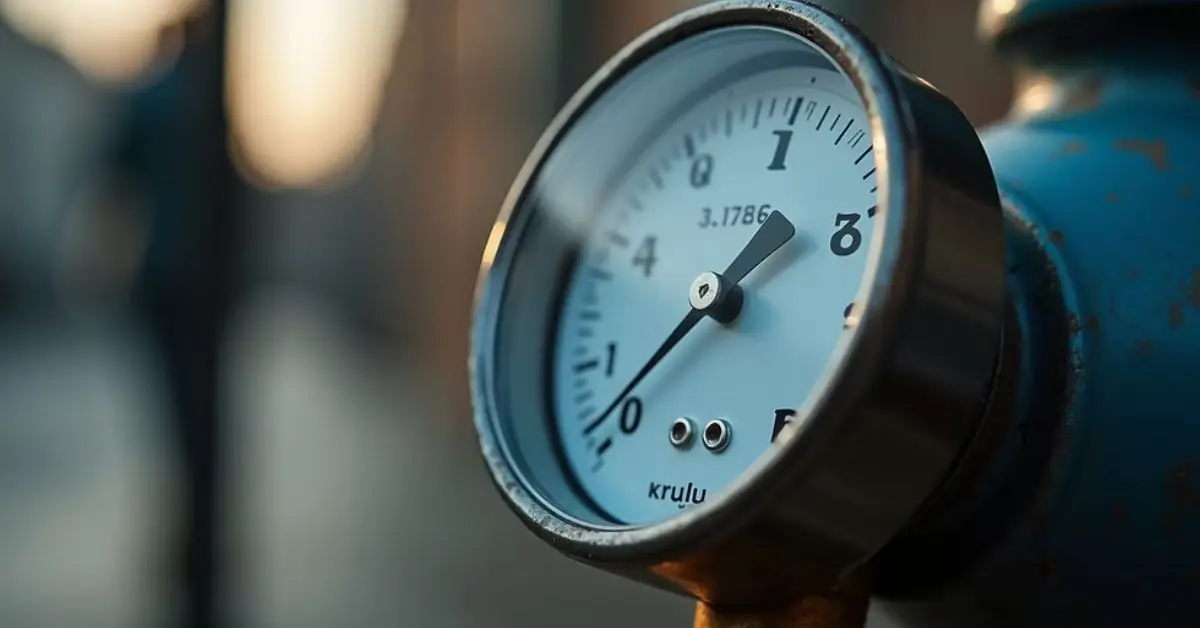
Water pressure is measured in PSI — pounds per square inch. Think of PSI as the force pushing water through your pipes. The higher the PSI, the stronger the flow.
In most U.S. homes, normal water pressure falls between 40 and 60 PSI. That’s the sweet spot. Strong enough for showers and appliances, but not so high that it damages pipes.
Here’s how I look at it when diagnosing a home:
- Below 40 PSI → You’ll likely feel weak flow in showers and faucets.
- 40–60 PSI → Healthy residential range.
- Above 80 PSI → Too high. This can stress plumbing and shorten appliance life.
If you want to verify official residential pressure guidance, the American Water Works Association provides technical standards on municipal water systems.
Municipal vs. Well Systems
Your water source changes everything.
If you’re on city water:
- Pressure is controlled by the municipal supply.
- A pressure reducing valve (PRV) may regulate it before it enters your home.
- City maintenance or demand spikes can affect you.
If you’re on a private well:
- Pressure depends on your well pump and pressure tank.
- A failing pump or misconfigured pressure switch can cause fluctuations.
- The problem is almost always inside your property line.
This matters because the fix for a city-pressure issue is very different from a well-system issue.
Before you chase causes, let’s confirm whether you actually have a pressure problem.
How to Test Your Home’s Water Pressure Yourself
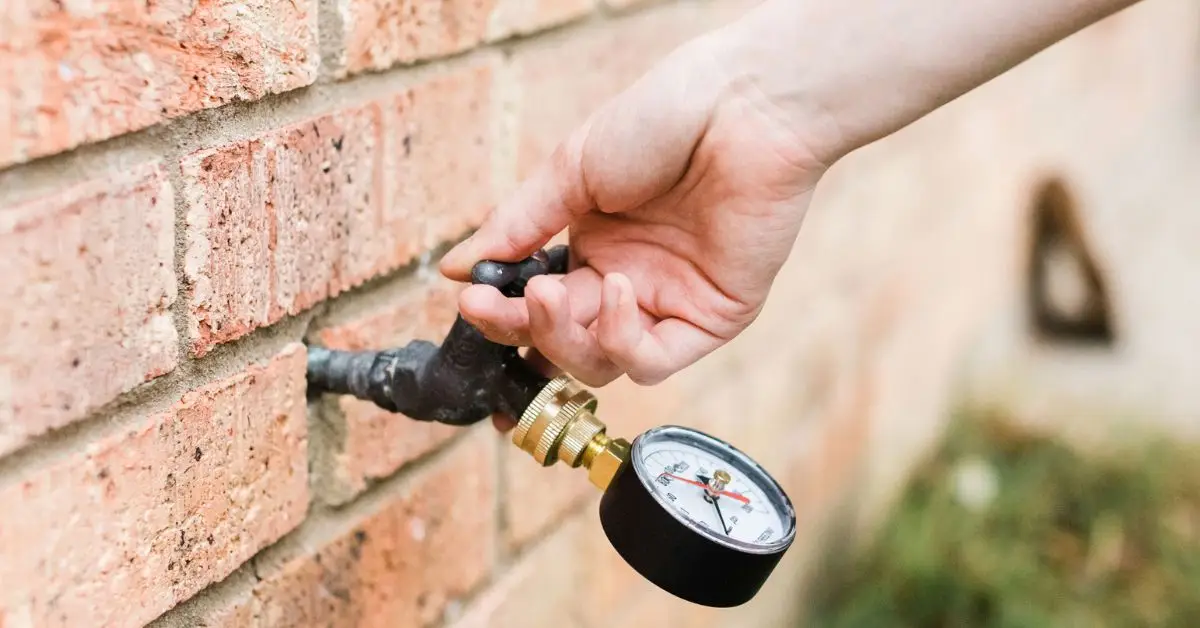
I always tell homeowners this:
Don’t guess. Test.
It takes about five minutes and costs less than dinner out.
What You’ll Need
- A water pressure gauge (with a hose-thread connection)
- Access to an outdoor hose bib or laundry sink faucet
You can find a reliable gauge at any hardware store.
Step-by-Step: The Hose Bib Test
- Turn off all running water inside the house.
(No dishwasher, washing machine, or showers running.) - Attach the pressure gauge to an outdoor spigot (hose bib).
- Tighten it by hand—no wrench needed.
- Turn the spigot fully open.
- Read the PSI number on the gauge.
That number is your home’s static water pressure.
How to Record It Properly
To get a clear picture, I suggest:
- Test in the morning.
- Test again in the evening.
- Write both numbers down.
- Note whether pressure feels different inside the house.
If your readings consistently fall below 40 PSI, you likely have a true pressure issue.
If the PSI is normal but your shower still feels weak, the problem may be isolated to a fixture—not your whole plumbing system.
Now that you have real numbers, the next step is identifying what’s actually causing the drop.
So tell me—what did your gauge reading show?
1. Low City / Municipal Water Supply Pressure
If you’re on city water, your pressure doesn’t start inside your house — it starts at the municipal line.
I’ve seen homeowners replace fixtures, regulators, even water heaters… only to find out the issue was outside their property.
Low municipal pressure can happen because of:
- High neighborhood demand (mornings and evenings)
- Aging infrastructure
- Elevation differences
- Temporary utility adjustments
Here’s how you can tell it’s likely a city issue:
- All faucets are weak — not just one.
- Your neighbors mention the same problem.
- The issue appeared suddenly without any plumbing work inside your home.
Before you touch anything inside, check your local water utility’s website or social feed. Many cities post pressure advisories or service updates in real time.
2. Water Main Breaks or System Maintenance
If your pressure dropped overnight, this is one of the first things I’d suspect.
Water main breaks or scheduled maintenance can temporarily reduce pressure across an entire block — sometimes even wider.
Common signs:
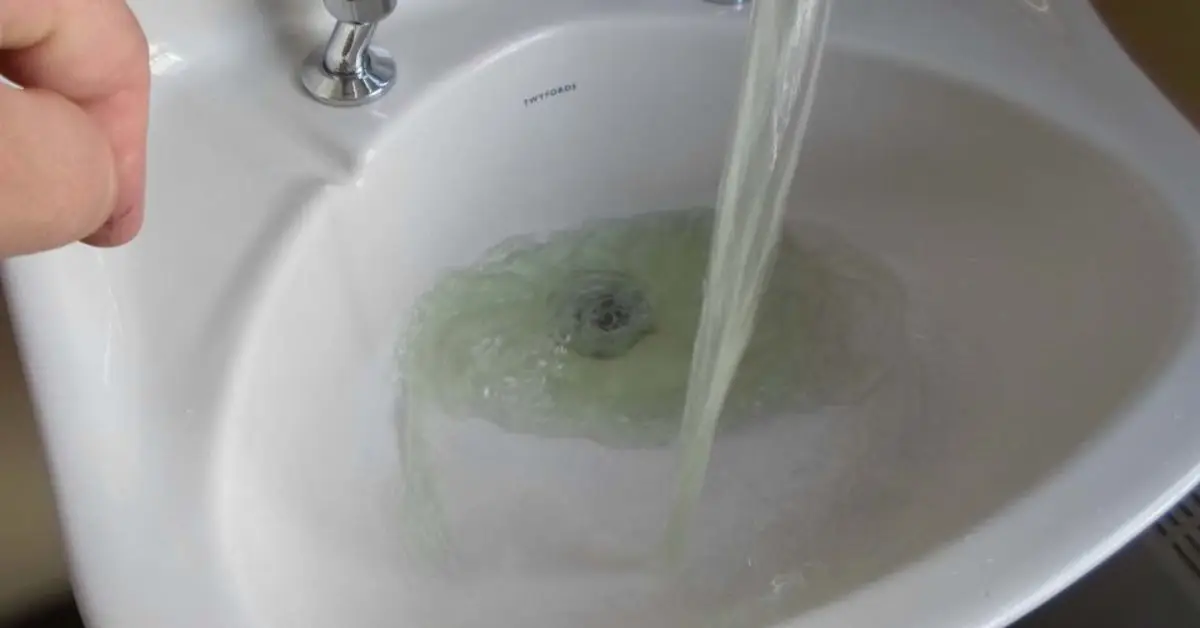
- Discolored water along with low pressure
- Street construction nearby
- Fire hydrants being flushed
- Neighbors experiencing the same drop
You can often confirm this by checking your city’s water outage map or social updates.
For example, utilities like American Water publish maintenance alerts and service notices.
If it’s a main break, there’s nothing for you to fix. You just wait it out.
3. Water Company Valve Partially Closed
This one surprises people.
After plumbing repairs or city line work, the curb valve supplying your home may not be reopened fully.
That small restriction can quietly reduce pressure throughout the house.
Clues:
- Pressure dropped right after meter work.
- No signs of leaks inside.
- Pressure is low but steady (not fluctuating).
In many areas, only the utility company can adjust that valve. A quick call can save you hours of unnecessary troubleshooting.
4. Corroded or Old Pipes (Galvanized Steel)
If your home was built before the 1980s and still has galvanized steel pipes, this is a serious possibility.
Corrosion builds slowly inside the pipe. Over time, the internal diameter shrinks.
Less diameter = less water flow.
Signs I look for:
- Gradual pressure decline over years
- Brown or rusty water
- Strong pressure in one area but weak in others
- Visible corrosion on exposed pipes
This isn’t a quick fix. If corrosion is advanced, pipe replacement may be the long-term solution.
5. Clogged Pipes Due to Mineral or Sediment Buildup
Even if your pipes aren’t corroded, mineral buildup can choke them from the inside.
Hard water areas are especially prone to this.
Calcium and sediment slowly restrict flow — not dramatically, but enough to notice weaker showers and longer fill times.
Watch for:
- White crust around faucets
- Reduced hot water pressure first
- Scale buildup inside aerators
In early stages, flushing systems or cleaning fixtures may help. In severe cases, sections of pipe may need cleaning or replacement.
6. Partially Closed or Faulty Main Shut-Off Valve
I always check this early.
It sounds basic, but I’ve seen it cause countless service calls.
If your main shut-off valve isn’t fully open, water flow gets restricted before it even branches through your plumbing.
This can happen:
- After plumbing repairs
- After inspections
- If someone accidentally bumps the valve
What to do:
- Locate your main shut-off (usually near where the main line enters your home).
- Confirm it’s fully open.
- For gate valves, turn counterclockwise until it stops.
- For ball valves, the handle should be parallel to the pipe.
It takes 30 seconds to check — and it could save you hundreds.
7. Faulty Pressure Regulator (PRV Problems)
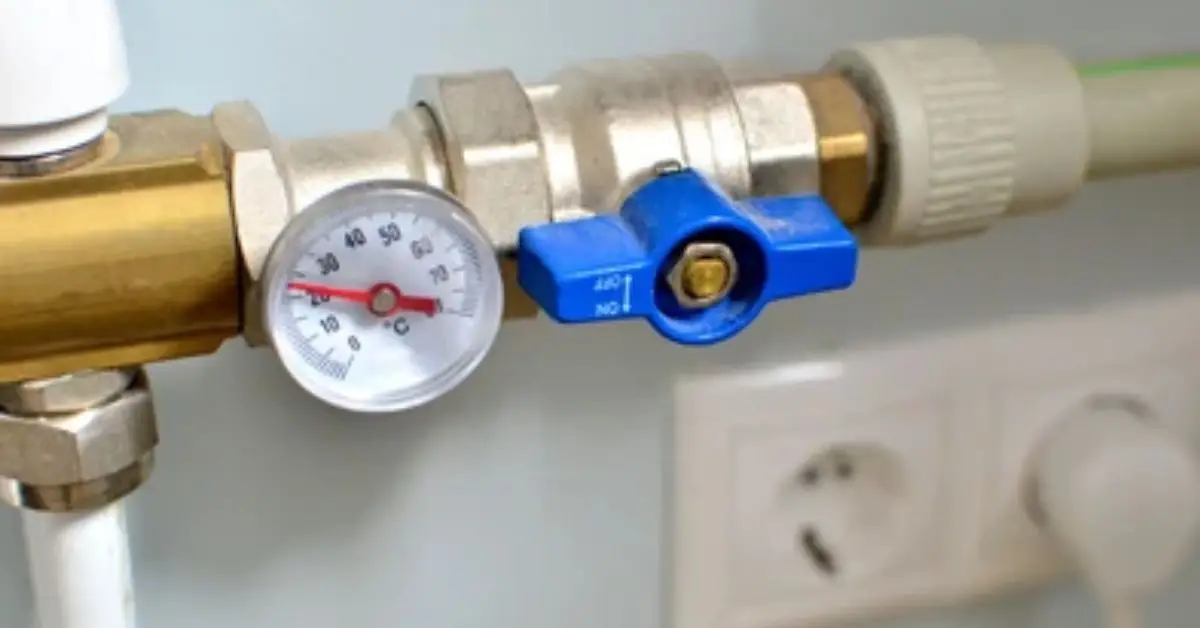
If your home has a pressure reducing valve (PRV), it controls the PSI entering your plumbing.
When it starts failing, pressure may:
- Drop suddenly and stay low
- Fluctuate throughout the day
- Feel strong at first, then weaken
A bad PRV can mimic municipal problems, which is why testing PSI is so important.
8. Clogged Aerators and Shower Heads
This is the easiest fix on this list.
Every faucet has a small screen (aerator) at the tip. Over time, debris and minerals collect there.
The result?
It feels like your whole house has low pressure — when it’s just one fixture.
Quick check:
- Unscrew the aerator.
- Rinse out debris.
- Soak in vinegar if there’s mineral buildup.
I’ve seen this restore full pressure in under 10 minutes. If the weak flow is only happening at your kitchen faucet, I’ve covered detailed step-by-step solutions in this guide on 10 easy fixes for low water pressure in your kitchen sink.
9. Faulty or Partially Closed Internal Valves
Under your sinks and behind toilets are small shut-off valves (angle stops).
If one is partially closed, it restricts flow to that specific fixture.
This usually causes:
- Low pressure in one sink
- Weak toilet refill
- Isolated appliance issues
Check that the valve is fully open. If turning it changes pressure, you’ve found your issue.
Now let me ask you — is your pressure weak everywhere, or just in one room?
10. High Simultaneous Water Demand in the Home
Sometimes, nothing is “wrong” with your plumbing.
You’re just asking too much from it at once.
If someone is showering, the dishwasher is running, and the washing machine kicks on — your system has to split that water flow. And since dishwashers are often part of that load, it’s also worth knowing what not to run through them — here’s a helpful breakdown of 7 items you should never put in the dishwasher to avoid damage.
The result feels like low pressure. But technically, it’s normal distribution under load.
This is how I help homeowners tell the difference:
- Pressure weak all the time? Likely a system issue.
- Pressure weak only during heavy use? Likely demand-related.
- Pressure strong when only one fixture runs? System is probably fine.
Older homes with smaller supply lines feel this more.
If this sounds like your situation, you may not need repairs — just smarter water scheduling or, in some cases, a plumbing upgrade.
11. Leaks Causing Pressure Drops
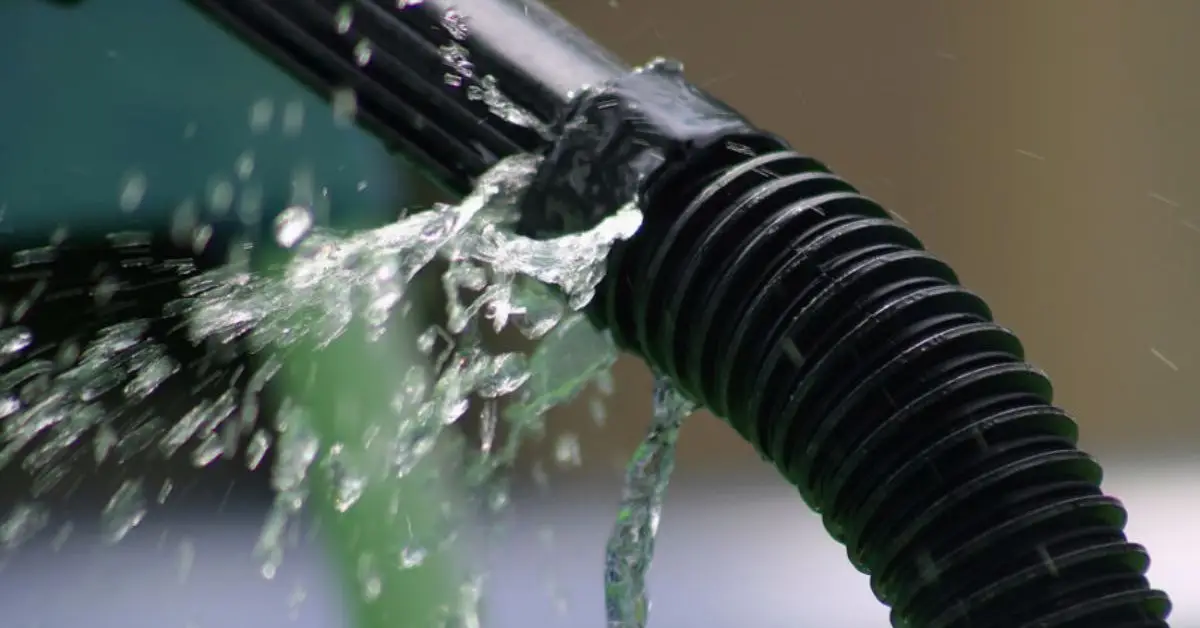
A hidden leak doesn’t just waste water. It steals pressure.
If water is escaping somewhere in your system, less of it reaches your fixtures.
Small leaks cause subtle drops. Bigger leaks cause dramatic changes.
Watch for:
- Unexplained spikes in your water bill
- Damp drywall or flooring
- Moldy smells
- The sound of running water when nothing is on
Here’s a quick test I use:
- Turn off all water inside the house.
- Check your water meter.
- Wait 30–60 minutes without using water.
- Check the meter again.
If it moved, water is going somewhere.
According to the U.S. Environmental Protection Agency’s leak awareness program, household leaks waste nearly 1 trillion gallons of water nationwide each year.
Low pressure might be your early warning sign.
12. Well System Pressure Tank or Pump Issues (For Well Homes)
If you’re on a private well, everything changes.
There’s no city supply to blame. Your pressure depends on:
- The well pump
- The pressure tank
- The pressure switch
One common issue I see is short cycling.
That’s when:
- The pump turns on and off rapidly
- Water pressure fluctuates
- Showers feel strong, then suddenly weak
Many well owners describe this exact symptom in homeowner forums and plumbing communities.
Other signs of well-related problems:
- Air sputtering from faucets
- Sudden pressure drops after a few minutes of use
- Pump running constantly
With wells, the fix may involve adjusting the pressure switch, recharging the tank, or replacing a failing pump.
If you’re rural, this section matters more than any municipal explanation.
When DIY Troubleshooting Is Not Enough
I’m all for homeowners diagnosing smartly.
But there’s a point where guessing costs more than calling someone.
Here are red flags I don’t ignore:
- Loud banging noises (water hammer)
- Gurgling in pipes
- Visible leaking joints
- PSI readings below 30 or above 80
- Rapid pressure swings
Typical professional costs in the U.S. can range roughly:
- PRV replacement: $250–$800
- Leak detection: $150–$400
- Pipe replacement (partial): $500–$2,500+
- Well pump replacement: $800–$3,000+
Prices vary by state, but knowing the range helps you plan instead of panic.
If you’re seeing structural damage or persistent low PSI after basic checks, it’s time.
Daily and Seasonal Maintenance Checklist
The best way to deal with home water pressure problems?
Prevent them.
Here’s the simple routine I recommend:
Every 3–6 months:
- Remove and clean faucet aerators
- Check under-sink valves are fully open
- Look for visible leaks
Annually:
- Flush your water heater
- Inspect exposed pipes for corrosion. While you’re checking exposed pipes, you’ll often notice dust buildup in those utility areas — if you’re out of supplies, here are 6 everyday household items that work as a duster when you’re out of refills.
- Test your PSI with a gauge
- For well owners: check pressure tank settings
These small checks take less than an hour total each year.
But they prevent major pressure headaches later.
Now be honest — when was the last time you tested your home’s PSI?
Low Water Pressure Myths That Waste Time and Money
Over the years, I’ve noticed something interesting.
Most homeowners don’t just struggle with pressure problems. They struggle with bad assumptions.
And those assumptions cost time and money.
Let’s clear up two of the biggest myths I hear all the time.
Myth #1: “If my shower feels strong, my home pressure is fine.”
Not necessarily.
A strong shower doesn’t automatically mean your system pressure is healthy.
Modern shower heads are designed to concentrate flow, which can feel powerful even if overall PSI is low.
You might have:
- Weak kitchen sink pressure
- Slow washing machine fill times
- Low outdoor hose flow
But the shower masks it.
The only real way to know is with a gauge test — not by feel.
Myth #2: “Hot and cold water pressure should always be equal.”
In theory, yes.
In reality, not always.
If your hot water pressure is lower, that often points to:
- Sediment buildup in the water heater
- Partially closed heater valves
- Mineral scale in hot lines
If cold water is fine but hot is weak, your issue isn’t city supply. It’s likely internal.
This distinction saves people from replacing the wrong parts.
Very few guides talk about these myths directly — but I’ve seen homeowners chase the wrong solution for weeks because of them.
Now let’s simplify everything we’ve covered.
12 Causes of Low Water Pressure — At-A-Glance Table
Below is a practical breakdown you can use to quickly narrow down your situation.
| Cause | Likelihood | Ease of Fix | Typical Cost Range |
|---|---|---|---|
| Low municipal supply | Common | Not DIY | $0 (utility issue) |
| Water main break | Occasional | Not DIY | $0 (temporary) |
| Utility valve partially closed | Occasional | Utility handles | Usually $0 |
| Corroded galvanized pipes | Common in older homes | Difficult | $1,500–$8,000+ |
| Mineral buildup in pipes | Common (hard water areas) | Moderate | $150–$1,500 |
| Main shut-off valve partially closed | Very common | Easy | $0 |
| Faulty pressure regulator (PRV) | Common | Moderate | $250–$800 |
| Clogged aerators/shower heads | Very common | Very easy | $0–$50 |
| Partially closed fixture valves | Very common | Very easy | $0 |
| High simultaneous demand | Very common | Behavioral fix | $0 |
| Hidden leak | Common | Professional recommended | $150–$3,000+ |
| Well pump or pressure tank issue | Common (well homes) | Professional | $800–$3,000+ |
Use this table as your quick filter:
- Whole house + constant? Think supply, PRV, or pipes.
- One fixture only? Think aerator or valve.
- Only during heavy use? Think demand load.
- On a well? Focus on pump and tank first.
Now I’m curious.
What symptom are you seeing in your home right now — weak everywhere or just one spot?
Drop a comment and describe it. I read them.
And if you want more straight, practical home guidance like this, explore more resources at Build Like New.
Disclaimer: This guide is for general informational purposes only. Every home’s plumbing system is different, and conditions can vary based on location, age, and installation. If you’re dealing with severe pressure issues, active leaks, structural damage, or safety concerns, consult a licensed plumber in your area for a proper inspection and repair.