Court Sentences 24-Year-Old to 25 Years After Everett Home Invasion
I’ve reported on crime cases long enough to know that the most disturbing stories often begin in the one place people believe they’re safest — their own home. That’s exactly what makes the Everett home invasion case so unsettling.
This week, the case reached a major turning point. A 24-year-old man, Christopher Johnson, was sentenced to 25 years in prison for his role in a violent home invasion that left Everett mother Irah Sok dead in 2022.
Prosecutors say Johnson was part of a robbery crew that targeted families during the summer of that year. The group allegedly broke into homes at night, sometimes pretending to be police officers while carrying firearms. Once inside, investigators say victims were restrained and their homes were searched for valuables.
The Everett break-in turned deadly when Sok was fatally shot during the invasion of a home near Everett Mall. What investigators later uncovered was even more troubling — the crime was not an isolated incident but part of a series of organized robberies across western Washington.
If you’re trying to understand how this happened and why the sentence is so significant, the details of the case reveal a much larger story behind the Everett home invasion.
What Happened During the Deadly Everett Home Invasion

When I started digging into this case, the timeline quickly showed how terrifying the situation must have been for the people inside that home. The incident happened in August 2022, when a group of men forced their way into a house on 96th Street Southeast in Everett, not far from Everett Mall and Interstate 5.
According to investigators, the suspects entered the home late at night while people were inside. That detail matters. This wasn’t an empty-house burglary — it was a home invasion, which means the attackers knew they were confronting real people.
Authorities say the suspects were armed and moved quickly through the house, restraining victims and searching for valuables. During the chaos inside the home, a gun was fired. That shot would turn the robbery into a homicide.
The victim, Irah Sok, died from a gunshot wound during the break-in. What began as another robbery in a string of crimes across western Washington suddenly became the most serious charge investigators could face — murder.
Local reporting from KING5 News confirmed that the break-in happened at a residence just east of Interstate 5 in unincorporated Everett, where multiple suspects entered the home before the fatal shooting occurred.
When you step back and look at the details, you start to see why this case shook the community. A quiet residential street turned into a crime scene within minutes — and a family’s life changed forever.
The Killing of Everett Mother Irah Sok
When I read through the case files and reports, one part of the story stands out more than anything else — the victim behind the headlines.
Irah Sok, an Everett mother, was inside the home when the suspects broke in. She wasn’t a suspect, a witness to another crime, or someone involved with the attackers. She was simply at home when armed men forced their way inside.
During the invasion, Sok was shot and killed. Investigators later confirmed that she died from a gunshot wound sustained during the break-in.
Cases like this remind you that crime stories are never just about arrests or court sentences. They’re about real people. In another tragic incident, a 37-year-old woman died following an Ohio home burglary, highlighting how quickly these crimes can escalate when suspects enter occupied homes. A mother lost her life inside her own home — the one place you and I expect to feel safest.
That human impact is also why the case received so much attention from prosecutors and investigators. For them, it wasn’t just about stopping a robbery crew. It was about delivering justice for the victim and her family.
Robbery Crew Behind the Everett Home Invasion
When you look deeper into the case, it becomes clear this was not a single robbery gone wrong. Investigators say the Everett attack was part of a larger criminal operation that had been targeting homes across western Washington.
Christopher Johnson, the 24-year-old who was sentenced to 25 years in prison, admitted he was part of a robbery crew. Prosecutors say the group included Kevin Thissel and several other co-conspirators, all working together to carry out a series of armed home invasions.
From what authorities uncovered, the group operated with coordination. Different members had specific roles during the break-ins — some forced entry, others controlled victims, while others searched the house for valuables.
Federal prosecutors later described the group as part of a violent robbery ring responsible for multiple home invasions and assaults across several counties in Washington. Details from the federal case outline how the crew carried out a pattern of organized robberies during that period.
When you step back and look at the bigger picture, the Everett case starts to make more sense. Investigators weren’t just dealing with one suspect — they were dealing with an organized group committing repeated crimes.
How the Group Carried Out the Home Invasions
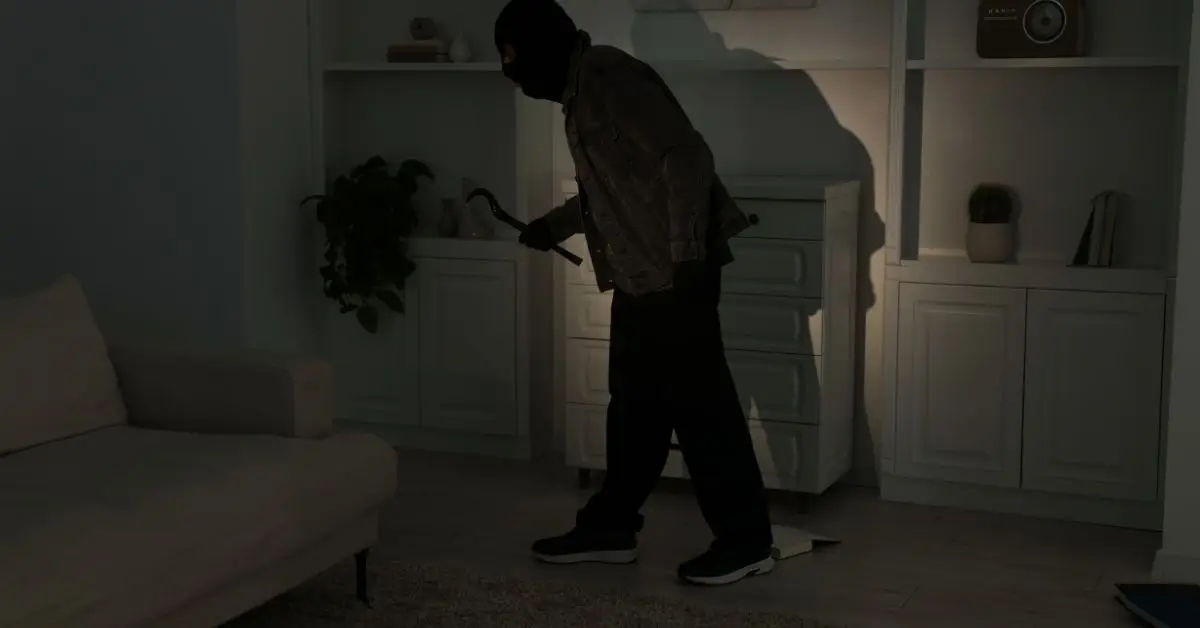
One of the most disturbing parts of the investigation is how carefully these crimes were carried out. The suspects didn’t randomly break into homes during the day. According to investigators, the crew targeted houses at night, when families were most vulnerable.
In several cases, the suspects reportedly approached homes pretending to be police officers. That tactic allowed them to get closer to the house without immediately raising suspicion.
Once inside, things escalated quickly. Authorities say the suspects brandished firearms to control the victims, creating immediate fear and confusion inside the home.
Victims were often restrained with zip ties, preventing them from moving or calling for help while the suspects searched the house. With the victims tied up, the crew could move through rooms looking for cash, valuables, or anything they believed could be quickly stolen.
When you read through the details, you can see why investigators described the robberies as highly dangerous. These weren’t simple thefts — they were armed home invasions planned to intimidate and overpower families inside their own homes.
You can also keep track of similar crime investigations and safety-related reports as they unfold through our real-time updates channel on WhatsApp, where major crime stories and court developments are shared as they happen.
String of Armed Robberies Across Western Washington
When I looked further into the investigation, it became clear that the Everett incident was only one piece of a much larger crime spree. Prosecutors say the robbery crew had been operating across multiple counties in western Washington, carrying out a series of violent break-ins.
According to investigators, the suspects were linked to at least seven robberies and assaults connected to the same group. These incidents weren’t confined to one city. Authorities traced the crimes across South King County, Snohomish County, and Skagit County, showing how widely the crew had been operating. Large burglary sprees like this have also appeared in other states, including a recent case where a daytime burglary spree hit multiple homes in California, showing how organized property crime groups often operate across several neighborhoods before investigators connect the cases.
Law enforcement agencies eventually began connecting the cases through evidence, witness statements, and federal investigations. As more details emerged, authorities realized they were dealing with a regional robbery operation, not isolated break-ins.
Federal RICO Charges Filed Against the Suspects
As the investigation expanded, federal prosecutors stepped in with a powerful legal tool that’s usually used against organized crime groups — RICO charges.
RICO stands for the Racketeer Influenced and Corrupt Organizations Act, a federal law designed to prosecute criminal groups that commit repeated illegal acts as part of an organized operation.
In August 2024, federal authorities charged Christopher Johnson, Kevin Thissel, and others in connection with the robbery spree. The charges alleged that the suspects were part of a violent group responsible for multiple armed robberies across the region.
For prosecutors, using RICO was significant. Instead of treating each robbery as a separate case, the law allows investigators to connect the crimes together and show they were part of a coordinated criminal enterprise. In another major case, an Iowa mother and son were found guilty in a violent burglary case, demonstrating how courts increasingly pursue serious penalties when multiple offenders coordinate violent property crimes.
If you want to understand how RICO laws work and why they are used against organized crime groups, the U.S. Department of Justice explains the law and how it allows prosecutors to pursue entire criminal networks rather than just individual offenses.
This legal approach helped authorities present the robberies as part of a broader operation that terrorized multiple communities.
Investigators Say Asian Families Were Targeted

Another detail that caught investigators’ attention was who the victims were. Federal prosecutors say the robbery crew specifically targeted Asian families in several of the home invasion cases.
According to investigators, the suspects believed these households might have cash or valuables inside their homes. That belief reportedly influenced which homes the group chose to attack.
When you look at the pattern described in federal documents, the robberies were not random. Authorities say the suspects repeatedly focused on households belonging to Asian families while carrying out their armed break-ins.
This allegation added another layer of seriousness to the investigation. It suggested the crimes were not only organized but may have involved targeted victim selection, which drew greater attention from federal prosecutors and law enforcement agencies.
For many people following the case, that detail raised larger concerns about safety and how certain communities can become targets during organized robbery sprees.
Law Enforcement Investigation Into the Everett Home Invasion
When I looked into how authorities actually solved this case, one thing became clear — it wasn’t a quick arrest. The investigation took time, coordination, and evidence gathered across multiple counties.
Local law enforcement agencies first began piecing together the Everett home invasion after the fatal shooting of Irah Sok. But as detectives dug deeper, they started noticing similarities with other robberies happening across western Washington. That’s when the case expanded beyond a single city investigation.
Eventually, local police departments and federal investigators began working together, sharing evidence and connecting incidents that appeared linked. Witness accounts, crime patterns, and investigative leads helped authorities identify suspects connected to several robberies.
Over time, investigators built a timeline that tied the suspects to multiple home invasions and assaults across the region. By the time federal prosecutors stepped in, the evidence pointed to a coordinated robbery crew operating across county lines.
That growing body of evidence ultimately led to federal charges in 2024, allowing prosecutors to pursue the suspects as part of a larger organized crime case rather than treating each robbery separately.
Key Facts About the Everett Home Invasion Case
If you want to quickly understand the major details of the case, here are the key facts investigators confirmed:
- Location: Everett, Washington
- Year of the crime: 2022
- Victim: Everett mother Irah Sok
- Primary defendant: Christopher Johnson
- Sentence: 25 years in prison after pleading guilty to second-degree murder
- Related crimes: Investigators linked the suspects to seven robberies and assaults
- Federal charges: Racketeer Influenced and Corrupt Organizations (RICO) charges filed against members of the robbery crew
These details show why the case received significant attention from both local and federal authorities. What began as a single violent break-in ultimately exposed a broader robbery operation spanning several counties.
What the Case Means for Everett and Western Washington
Cases like this tend to leave a lasting impact on communities. For many residents in Everett and surrounding areas, the sentencing represents an important step toward accountability after a crime that shook the region.
The 25-year prison sentence sends a strong message about how seriously the justice system treats violent home invasions, especially when they result in loss of life. Prosecutors argued that the severity of the punishment reflects the danger the robbery crew posed to multiple communities.
At the same time, the case may not be completely over. Some suspects connected to the robbery ring still face legal proceedings tied to the broader investigation. That means the full scope of the crime spree could continue to unfold in court.
For law enforcement agencies, the investigation also highlights the importance of tracking patterns across cities and counties. Organized robbery crews rarely operate in just one place, and identifying those patterns early can help prevent more crimes from happening.
If you live in western Washington, stories like this naturally raise questions about safety and how communities respond to organized crime.
What are your thoughts about this case and the 25-year sentence?
Do you think penalties like this help deter violent home invasions?
Share your perspective in the comments — I’d genuinely like to hear what you think.
And if you want more clear, fact-based breakdowns of important news stories and investigations like this, you can explore more articles on Build Like New, where we cover real events with context that helps readers understand the bigger picture.
Disclaimer: This article is based on publicly available news reports, law enforcement statements, and federal court information related to the Everett home invasion case. Details may continue to evolve as legal proceedings progress. The content is provided for informational and reporting purposes only.