Protect Your Home: 3 Surprising Vulnerabilities You Should Know About
You might think your home is safe. You’ve locked the doors, set up a few cameras, maybe even installed a smart lock. But here’s the thing — safety isn’t just about what you see. There are hidden ways homes get compromised that most people overlook until it’s too late.
Over my 20+ years in home security consulting, I’ve seen people with “perfect” setups still get exposed — not because their locks were weak, but because they ignored subtle vulnerabilities. From overlooked structural weak points to habits we don’t even notice, your home can be at risk in ways that surprise you.
In this article, I’ll walk you through three categories of security risks that often get missed. You’ll get practical examples, real-life context, and actionable steps you can take right now to protect your home. By the end, you’ll see your home through a lens most people never consider — and understand how to truly secure it.
Risk 1 — Everyday Structural Vulnerabilities Most Homeowners Overlook
You might think your home is “safe” just because you’ve locked the doors and installed an alarm. But here’s the truth: even well-kept homes have hidden weak spots that burglars love. These aren’t obvious — they’re structural, easy to miss, and can turn a secure-looking house into an open invitation.
Let’s break down the most common areas I’ve seen overlooked over my years in home security consulting. Once you know them, you can take practical steps to fortify your home.
Garage Doors — A Backdoor Most Burglaries Exploit
If your garage door opens with a remote, you might be giving burglars an unexpected entry point. Here’s why:
- Many universal remotes can open multiple garage doors in the neighborhood if they share the same frequency.
- Automatic openers sometimes fail to lock completely when the door isn’t fully closed.
- Tools or simple devices can manipulate older door mechanisms.
What you can do:
- Install a mechanical lock or latch as a backup to your automatic system.
- Regularly check that your garage door fully locks when closed.
- Consider updating older openers to ones with rolling code technology, which changes the access code each use.
This is a small fix that can make a huge difference — and most homeowners completely overlook it.
Doggy Doors & Small Access Points — Hidden Entry Routes
It might sound harmless, but that cute little pet door could be a serious security gap. Burglars can use it to:
- Reach in and unlock doors from the inside.
- Slide in tools or manipulate locks without being seen.
- Gain access to garage or basement areas connected to your home.
What I recommend:
- Reinforce pet doors with locks or alarms.
- Consider smart pet doors that only open for your pet’s microchip.
- Always check smaller openings like vents, crawl spaces, or laundry room doors.
Many people overlook these tiny entry points because they don’t seem dangerous — but they’re some of the easiest ways someone can slip in unnoticed.
If you’re looking for simple, low-tech ways to secure your home without spending much, these low-cost security tricks can complement your existing setup.
Roof & Vent Weaknesses — Seasonal Risk Most Ignore
This one surprises a lot of homeowners. Attics, vents, and even nearby trees can create opportunities for opportunistic burglars:
- Attic vents without locks can be lifted or pried open.
- Overhanging tree branches allow someone to access windows or roof entry points.
- Seasonal maintenance often leaves roof ladders, tools, or gates unsecured.
What you can do:
- Secure attic vents and check them regularly.
- Trim tree branches near windows and roofs.
- Store ladders and tools out of reach — especially during vacations or winter months.
Key takeaway: Most homes look secure at first glance, but subtle structural weaknesses — like garage doors, pet doors, and roof access points — are where burglars often get in. By addressing them, you drastically reduce the chances of being targeted.
Risk 2 — Your Digital Ecosystem Could Be an Open Door
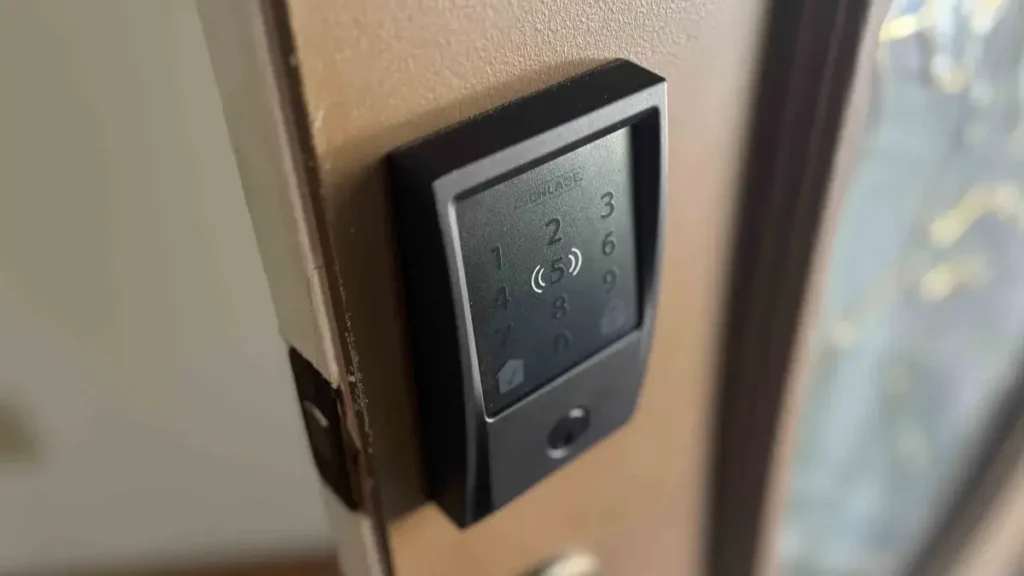
If you think home security stops at doors and windows, think again. These days, your smart devices — locks, cameras, even your fridge — can be exploited to get physical access to your home. I’ve seen many homeowners secure every corner physically but leave their digital front door wide open.
The reality is simple: digital vulnerabilities often translate into real-world break-ins. Let’s look at the most common weak points and what you can do about them.
Smart Locks & Connected Entry Systems — Convenience vs. Vulnerability
Smart locks are incredibly convenient, but they’re not foolproof:
- If your phone is hacked or stolen, someone could unlock your door remotely.
- Weak Wi-Fi passwords or unsecured networks can be exploited.
- Older models without encryption are surprisingly easy to bypass.
What you can do:
- Use strong, unique passwords for all devices.
- Enable two-factor authentication (2FA) where possible.
- Invest in locks with end-to-end encryption and regular firmware updates.
This is one of those risks most homeowners completely underestimate — convenience should never compromise security.
Smart home automation isn’t just convenient — it can also improve safety for your whole family. Here are smart automation ideas for child safety that double as extra security measures.
IoT Devices as Hidden Backdoors
Even devices you wouldn’t think of — smart fridges, thermostats, vacuums — can be leveraged as entry points:
- Many come with default passwords that are rarely changed.
- Outdated firmware or protocols create vulnerabilities.
- Hackers can use them as stepping stones into your home network.
Practical steps you can take:
- Change default passwords immediately when setting up a device.
- Update firmware regularly — many devices prompt for this but people ignore it.
- Consider isolating IoT devices on a separate Wi-Fi network.
It’s eye-opening, but the truth is that your digital ecosystem can become the easiest access point for intruders.
Many homeowners share real-time tips, device updates, and DIY security ideas through WhatsApp — it’s a handy way to stay on top of small but important security fixes.
Router & Network Weaknesses — The Real Front Door
Most people don’t think of their router as a security risk, but it’s often the weakest link:
- Routers with default logins make it incredibly easy for attackers to infiltrate your network.
- A compromised router can give access to smart locks, cameras, and other devices.
- Guest networks aren’t just convenient — they protect your main network from exposure.
What you can do:
- Change default usernames and passwords immediately.
- Keep router firmware updated.
- Set up a separate guest network for visitors or less-secure devices.
Even small steps like these dramatically reduce your risk of someone exploiting your digital setup to get inside your home.
According to YellowPages, many homeowners focus on alarms and locks but completely overlook smart device and network vulnerabilities. That gap is exactly where burglars can strike — and it’s why addressing these risks is just as important as physical security.
Key takeaway: Your home isn’t just walls and doors anymore. Each connected device is a potential entry point. Secure them the same way you would a front door, and you’ll cut your vulnerability dramatically.
Risk Scorecard — How Vulnerable Is Your Home Really?
By now, you can probably see that home security isn’t just locks and alarms. It’s a combination of structural weaknesses, digital vulnerabilities, and everyday behaviors. But how do you know how exposed your home really is? Let’s do a quick self-check.
Check Your Structural Security
- Are garage doors fully secured with mechanical locks as well as automatic openers?
- Do pet doors, vents, or crawl spaces have reinforced covers or alarms?
- Are roof access points and trees trimmed so no one can sneak up unnoticed?
Check Your Digital Security
- Are all your smart devices updated with strong, unique passwords?
- Do you have two-factor authentication on smart locks, cameras, and key devices?
- Is your Wi-Fi router secured with a separate network for IoT devices?
Check Your Behavioral Habits
- Do you avoid posting your travel plans or real-time location online?
- Have you varied routines enough to prevent predictability?
- Are deliveries and keys managed so they don’t signal an empty home?
Each “yes” or “no” here can help you see where you’re strong and where you might need to take action.
Even an old smartphone can serve as a makeshift security camera — a practical DIY approach for monitoring smaller areas in your home. Here’s a guide to turning old devices into security cameras.
Mitigation Strategies — Simple Steps You Can Take Today
You don’t need a massive overhaul to improve home security. A few smart steps can drastically reduce risk:
Layered Security: Physical + Digital + Behavioral
- Reinforce doors, locks, and small access points.
- Secure smart devices and Wi-Fi networks.
- Adjust routines and online behavior to reduce exposure.
Regular Checks and Updates
- Test your alarm system and cameras regularly.
- Update device firmware and passwords.
- Walk around your property like an intruder — look for weak spots.
Community & Awareness
- Know your neighbors and participate in neighborhood watch programs.
- Share alerts and observations — vigilance multiplies safety.
Key takeaway: The safest homes are the ones that combine strong locks, smart digital practices, and conscious behavior. By addressing all three areas, you can prevent most of the risks that burglars rely on.
When Technology Alone Isn’t Enough — A Real-Life Example
I came across a real story recently from Reddit who thought their home was completely secure. They had a Vivint security system with four cameras and multiple motion detectors. Sounds solid, right? But while they were out of town, their home was technically “robbed” — thankfully nothing was taken — and it happened in a way most people wouldn’t expect.
Here’s what went wrong:
- The power was cut, which shut down Wi-Fi and disabled the cameras.
- The alarm wasn’t armed, so it didn’t go off.
- Their app only notified them that the system wasn’t connected to power and that the garage door was open.
- They initially thought it was just a normal power outage and didn’t take immediate action.
Even with cameras, motion detectors, and a high-tech system, a few overlooked details left their home vulnerable. The lesson? Technology is only as effective as the plan behind it.
What you can take away from this:
- Always arm your system when you’re away, even if you assume cameras will catch intruders.
- Consider backup power solutions — like battery backups for cameras and alarms — so they stay active during outages.
- Secure access to circuit breakers or power panels, especially if they’re located outside or easily reachable.
- Review your security routine: a system is powerful only when it’s consistently used as intended.
Stories like this hit home because they remind us that even expensive, high-tech setups can fail if small details are missed. You want to protect your home, but that means combining tech, planning, and awareness.
Ethical & Psychological Layer — Why We Ignore These Risks Until Too Late
You might be thinking, “I’ve locked my doors, checked my cameras, and I’m careful online — I’m safe.” But here’s the tricky part: our own minds often blind us to real risks. I’ve worked with homeowners who had all the right tools but ignored small vulnerabilities because of how we naturally perceive danger.
Cognitive Biases Around Security Complacency
Our brains tend to underestimate risks we don’t experience directly. For example:
- You assume a break-in won’t happen to you because it hasn’t yet.
- You think cameras and alarms are enough, so you skip checking minor entry points.
- Familiarity with your home can make you blind to weaknesses that a stranger would spot immediately.
Actionable takeaway: Take a step back and audit your home like an outsider. Walk around, note every weak point, and challenge the assumption that “it can’t happen here.”
Social Norms vs Actual Threats
We often let social behavior dictate our sense of security, instead of facts:
- Neighbors might all leave doors unlocked, so you think it’s fine — but patterns don’t equal safety.
- You might delay installing backup power or updating firmware because “everyone else does nothing.”
Actionable takeaway: Question what’s considered “normal” in your community. True security isn’t about fitting in — it’s about anticipating the unusual.
Key takeaway: Most of the time, people aren’t careless — they’re psychologically blind to risks. Recognizing these biases lets you act before it’s too late, rather than reacting after an incident occurs.
Quick Security Checklist
Use this checklist to quickly assess your home and make sure you’re covering all the hidden vulnerabilities:
Structural Security
- Ensure garage doors have mechanical locks in addition to automatic openers.
- Reinforce pet doors, vents, and crawl spaces with locks or alarms.
- Trim tree branches near windows and roofs.
- Secure ladders, tools, and outdoor access points.
Digital Security
- Use strong, unique passwords for all smart devices.
- Enable two-factor authentication on smart locks, cameras, and key devices.
- Keep firmware updated for all connected devices.
- Set up separate Wi-Fi networks for IoT devices and guests.
Behavioral Habits
- Avoid posting real-time travel updates or extended absences online.
- Vary daily routines to reduce predictability.
- Manage deliveries and hidden keys to avoid signaling an empty home.
- Always arm your alarm system when leaving home or on vacation.
Psychological Awareness
- Walk through your home like an outsider to spot overlooked weak points.
- Question what “normal” security habits are — don’t assume common patterns are safe.
This checklist is short, actionable, and easy to follow — you can literally go room by room and mark off points.
Final Thoughts
At the end of the day, home security isn’t just about alarms, cameras, or smart locks — it’s about thinking like someone trying to get in. Small, overlooked details — a garage door left unlocked, a routine that’s too predictable, or a smart device without a backup — can turn a “safe” home into a target.
The good news? Once you know where the risks are, you have the power to fix them. Walk through your home, check your digital setup, adjust habits, and use the checklist we covered. These steps aren’t complicated, but they make a huge difference in keeping your home truly secure.
Remember: security is a combination of structure, technology, and awareness. Take action today, and sleep better knowing you’ve covered the angles most people miss.
Want to stay updated on more home security tips and real-life examples? Join the conversation on X and connect with our community on Facebook for more practical advice.
Disclaimer: This article is for informational purposes only and does not replace professional security advice. Homeowners should assess their own risks and consult experts if needed. The author is not responsible for any incidents resulting from the use or non-use of these tips.