Can’t Install a Home Security System? These Low-Tech Fixes Might Help
I’ll be honest with you — most people don’t skip home security because they don’t care. They skip it because the price feels unfair. Monthly fees, contracts, devices you don’t understand. I’ve seen this again and again, especially with renters, young families, and anyone living paycheck to paycheck.
Here’s the truth most alarm companies won’t tell you: burglars don’t break into homes randomly. They look for easy targets. Dark houses. Quiet doors. No signs of activity. If your home doesn’t look easy, they usually move on.
I’ve spent years studying crime reports, homeowner stories, and real break-in patterns. What stands out is this — many homes without security systems still stay safe, simply because they use smart, low-tech habits. No apps. No subscriptions. Just common sense applied the right way.
You don’t need to turn your house into a fortress. You just need to send the right signals: someone might be home, someone might hear you, and getting inside won’t be quick or quiet.
That’s what this guide is about. Not theory. Not expensive gear. Just cheap home security ideas that normal people actually use — things you can start today, using what you already have or can buy for the cost of a meal.
Before we jump into the tricks, let me ask you something: If someone were watching your home from the outside right now, what would they see — an easy target or a risky one?
Understanding the Core Threats
Before I throw cheap tricks at you, let me slow you down for a second. Most people jump straight to “what to buy” without understanding what they’re protecting against. That’s where they mess up.
I’ve gone through crime reports, homeowner stories, and real break-in patterns. One thing is clear: burglars are lazy, not brave. They don’t want drama. They want speed and silence.
Here’s what they usually look for:
- Dark, unmonitored entry points
Side doors, back doors, ground-floor windows. If it’s hidden from the street, it’s attractive. - No clear signs of activity
No lights, no movement, no sound. A house that looks asleep feels safer to them. - No visible deterrents
Things like dogs, lights turning on, or even small noises increase their risk. Most won’t take that chance.
Why does this matter for you?
Because once you understand this mindset, cheap home security ideas stop feeling random. You’re no longer guessing. You’re matching each low-tech trick to a real threat.
Think of it like this: You’re not trying to stop every criminal. You’re just trying to not be the easiest option on the street.
Make Your Home Look “Occupied” Without Spending Much

If there’s one thing I’d tell you to fix first, it’s this: your home should never look empty for long periods of time.
Burglars don’t knock. They observe. And the biggest red flag for them is a house that looks frozen in time.
Light Scheduling & Timing Tricks
You don’t need smart systems or apps. You just need to break patterns.
Use Timers for Lights
This is one of the simplest and most effective tricks I’ve seen work in real life.
A basic plug-in timer can:
- Turn lights on and off automatically
- Create the illusion that someone is moving around
- Make your schedule harder to predict
Security experts at Deep Sentinel have repeatedly pointed out that sudden light changes are enough to make many intruders back off, because it suggests human presence — not automation.
Where to place timed lights:
- Living room (visible from outside)
- Bedroom during evening hours
- Near entry points, not hidden corners
The key isn’t brightness. It’s timing that feels human, not perfect.
TV / Mimic Lights & Flicker Devices
Here’s a trick many people underestimate.
TV mimic lights and flicker devices don’t try to light the room. They copy the random glow and color changes of a television. From outside, it looks like someone is watching TV.
Why this works:
- Human activity is messy and unpredictable
- Burglars can’t easily tell if someone is awake
- They don’t want to risk being seen
Home design experts at Homes and Gardens have highlighted how these mimic lights are especially useful for people who travel or come home late.
You can use them:
- In apartments
- In rentals
- In rooms facing the street
No cameras. No subscriptions. Just psychology.
If someone passed your house tonight and saw lights turning on and off, shadows shifting, maybe a TV glow — would they feel confident enough to try the door?
Take a moment and tell me: Which area of your home looks the most “empty” right now?
Low-Tech Physical Security Hacks (No Subscription Needed)
Let me be straight with you — this is the part where cheap home security actually becomes effective.
Most break-ins don’t fail because of alarms. They fail because something slows the intruder down, makes noise, or creates resistance. And you don’t need a subscription for any of that.
Zero Cost to <$20 Tricks
These are practical fixes you can start today. No tech skills. No commitment.
Door Brace & Wood Blocks for Sliding Doors
If you have a sliding door, pay attention.
A simple wood block or metal rod placed in the door track can:
- Stop the door from being forced open
- Prevent lift-and-slide entry
- Cost almost nothing
I’ve seen people spend money on gadgets while ignoring this basic weakness. Sliding doors are easy targets when left unblocked. Once you brace them, they’re suddenly not worth the effort.
Heavy-Duty Screws in Door Frames
Here’s something most people don’t realize: Doors usually don’t fail at the lock. They fail at the frame.
What actually helps:
- Replace short screws in hinges and strike plates
- Use longer, stronger screws that bite into the frame
- Reinforce the area that takes the impact
This is one of those fixes no one brags about, but it quietly does its job. It turns a quick kick-in into a loud, difficult attempt — and that alone can stop someone.
Cheap Door Stop Alarms
These are simple devices you place behind a door. That’s it.
What they do for you:
- Trigger a loud alarm when pressure is applied
- Wake you up if someone tries to enter at night
- Scare off anyone expecting a silent entry
No apps. No Wi-Fi. No setup headache. If your goal is early warning, this works.
Visible Deterrents That Make Burglars Think Twice

You don’t have to catch anyone. You just have to look risky enough to avoid.
Most intruders don’t want surprises. They want easy wins.
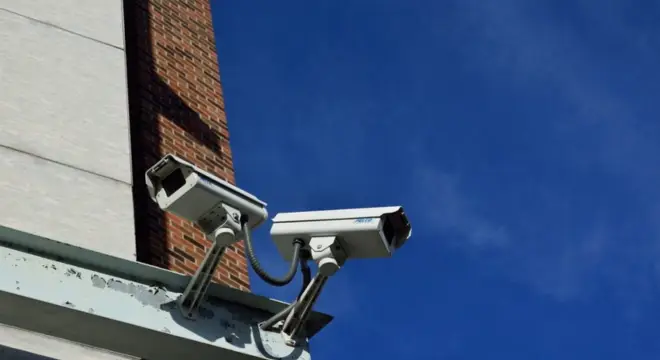
Security System Decals & Fake Cameras
This might sound too simple, but it’s effective.
A visible sign or a fake camera:
- Adds doubt
- Makes someone pause
- Changes the risk calculation
Burglars rarely stop to investigate. If something looks monitored, they move on. You’re not trying to prove security — just suggest it.
Some people rely heavily on doorbell cameras for deterrence, but they’re not always the best solution for every home. I’ve broken down the real pros and limits in detail here.
“Beware of Dog” Signs (With or Without a Dog)
This works because dogs mean noise and chaos.
From real-world behavior:
- Noise attracts attention
- Attention increases risk
- Risk sends burglars elsewhere
You don’t need a big dog. You don’t even need a dog.
The idea alone is often enough to make someone rethink their choice.
Smart Landscaping & Environment Hacks
This is where many articles drop the ball — but it matters more than people think.
Your surroundings can either hide someone or expose them.
Trim Shrubs Near Windows
Overgrown bushes might look nice, but they:
- Create hiding spots
- Block visibility
- Make windows easier targets
Clear sightlines make people uncomfortable. That’s exactly what you want.
Add Thorny Bushes Under Vulnerable Windows
This isn’t about style. It’s about friction.
Thorny or dense plants:
- Make access painful
- Slow movement
- Send a clear “not worth it” signal
Passive deterrents like this work 24/7 without effort.
Gravel or Noisy Ground Features
Silence helps intruders. Noise doesn’t.
Loose gravel or crunchy ground:
- Makes footsteps obvious
- Alerts you early
- Raises stress for anyone sneaking around
Sometimes, being heard is enough to stop someone before they try the door.
Now think about this honestly:
If someone approached your home quietly tonight, what would give them away first — a noise, resistance, or nothing at all?
Tell me which spot you’d fix first.
Budget Tools That Feel Low-Tech But Boost Security
I know what you might be thinking — “I don’t want gadgets.”
Fair. I’m not talking about smart systems or apps that track you. I’m talking about simple tools that behave like old-school security, but quietly do more work for you.
Think of these as helpers, not upgrades.
Inexpensive Gadgets That Still Feel Low-Tech
I’m not pushing you to buy anything. These are just examples of what people use when they want extra awareness without complexity.
Motion-Activated Outdoor Lights
This is one of the few “gadgets” I almost always recommend.
Why it works:
- Light turns on suddenly when someone approaches
- It removes darkness — which intruders rely on
- It draws attention without you doing anything
You don’t need a powerful floodlight. Even a basic motion light near doors or walkways changes how your home feels at night. Sudden light equals risk in the mind of someone sneaking around.
If you do plan to mix in any smart devices later, it’s important to understand the digital risks too. I’ve explained that side in this guide.
Window or Glass-Break Alarms
These are small, battery-powered alarms you stick on windows or doors.
What they give you:
- A loud alert the moment something opens or breaks
- Immediate awareness, especially while sleeping
- No setup beyond peeling and sticking
They don’t stop someone physically. They do something just as important — they remove silence.
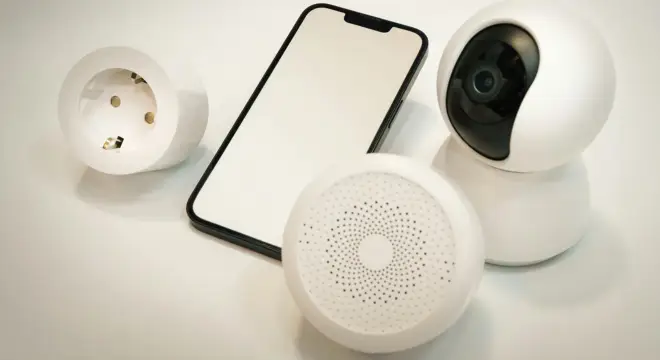
Reusable Timer Plugs for Lights or TV Simulation
If you want your home to feel lived-in without touching an app, this is your friend.
Timer plugs let you:
- Turn lights or a TV on and off automatically
- Break predictable patterns
- Create presence without effort
The beauty here is simplicity. Once set, they work in the background. No updates. No learning curve.
I regularly share quick home-safety reminders and real-life examples that don’t need long explanations. Some of those ideas actually came from short updates I read recently — they’re easy to apply and don’t overwhelm you.
Everyday Items as Security Aids

Motion Sensing Lights Using Old Phones or Flashlights
If you have an old phone lying around, don’t throw it away.
You can:
- Use basic motion or flashlight apps
- Place it facing an entry point or hallway
- Let it act as a sudden light source
It’s not perfect. But sudden light is still sudden light — and that alone can stop someone.
Create Noise Traps & Early Alerts With Household Items
Noise is one of the most underrated deterrents.
Simple ideas:
- A bell tied to a door handle
- A string with coins or metal pieces near an entry
- Lightweight objects that fall when a door opens
These aren’t meant to scare intruders away dramatically. They’re meant to alert you early, before someone gets comfortable.
Avoid These Common Mistakes
This part is important. Cheap security should never mean careless security.
Don’t Rely on Fake Cameras Alone in High-Risk Areas
Fake cameras can help, but they’re not magic.
The problem:
- They don’t make noise
- They don’t slow anyone down
- They can create false confidence
Use them as a visual deterrent, not your only line of defense.
Don’t Leave Exterior Lights On All Night
It feels safe, but it backfires.
Why:
- Constant light removes contrast and shadows
- It signals predictability
- It increases power bills and neighbor complaints
Timed or motion-based lighting works better than lights that never change.
A lot of security decisions fail because of assumptions that sound logical but aren’t true. I’ve covered some of the most common misunderstandings here.
Quick Action Plan (Do This Today)
If you want something simple, start here:
- Set timers on visible lights
- Add a door stop alarm to your bedroom or main entry
- Trim bushes near windows
- Place a sign or deterrent where it’s clearly visible
You don’t need to do everything. Just do one or two things consistently.
Safety Reminder
One last thing — don’t cross the line.
Never use:
- Traps meant to injure
- Anything illegal
- Anything that could harm emergency responders
The goal is deterrence and awareness, not danger.
Now I want to hear from you: Which one of these feels easiest to start with — a light, a sound, or a physical barrier?
If you found this useful, I share similar no-nonsense home safety ideas and real-world breakdowns regularly. You can follow the updates on X and if you prefer discussions and shared experiences, there’s an active community on Facebook as well.
Disclaimer: This article is for general awareness and practical safety ideas only. It does not replace professional security advice or local safety guidelines. Always choose measures that are legal, safe, and suitable for your home and situation.