5 Easy Fixes for Entryway Mistakes That Shrink Your Home
Walking into my own home, I noticed something I hadn’t paid much attention to before: my entryway felt smaller than it should. And I realized it wasn’t the square footage—it was the way I’d been arranging things, choosing colors, and even picking furniture. If you’ve ever felt that your entryway is cramped, dark, or just “off,” you’re not imagining it. The good news?
Most of these problems aren’t about the space itself—they’re about the small mistakes we make, often without even realizing it. If you want a quick guide on easy fixes that instantly make your entryway look bigger and brighter, check out this step-by-step guide. In this article, I want to walk you through the five biggest entryway mistakes that shrink your space and show you how designers fix them, so you can make your home feel welcoming, open, and effortless from the moment you step inside.
Mistake #1: Congested Clutter and Overcrowding

I’ve seen it happen in so many homes, including my own at one point—stuff piles up near the door, shoes spill over, keys, bags, mail… it’s like the entryway becomes a catch-all for everything we don’t know where else to put. And even if your space isn’t tiny, all this clutter makes it feel cramped and overwhelming the moment you walk in.
Here’s why clutter really shrinks a space:
- Visual compression: When the eye hits too many objects at once, it feels boxed in. Even a small bench can seem massive if surrounded by a jumble of shoes and coats.
- Blocked flow: Overcrowding interrupts the natural path into your home, making a narrow corridor feel even tighter.
- Stress factor: A messy entryway doesn’t just look small—it subconsciously signals chaos, which makes you feel cramped mentally too.
And here’s what usually causes it:
- Daily drop‑zone habits: tossing mail or keys anywhere, leaving shoes on the floor instead of designated spots. To know exactly which items to remove to make your entryway fall-ready, check out our detailed guide on essential decluttering
- Overstuffed storage: baskets and shelves filled past capacity, which just adds to the visual chaos.
How designers tackle this problem:
- Concealed storage: Use built-in cabinets, storage benches, or hidden cubbies to keep daily essentials out of sight.
- One-in, one-out rule: For shoes, coats, or bags, try to remove or rotate items regularly. This keeps the entryway visually light.
- Dedicated drop zones: Assign a basket or tray for mail and keys; it’s small but makes a huge difference.
You can see more tips and examples on how designers approach clutter in entryways on Livingetc. I’ve personally tried a mix of these strategies, and the difference was immediate—the space felt wider, calmer, and welcoming. You can also explore 5 must-have products to transform your entryway from messy to inviting in our guide, which makes implementing these strategies much easier.
Mistake #2: Wrong Scale Furniture and Poor Layout
Another mistake I’ve made—and I see it in many homes—is choosing the wrong furniture for the space. A bench that’s too deep, a console that’s too wide, or even a small table placed in the wrong spot can make a perfectly fine entryway feel like a maze.
Here’s what to watch out for:
- Scale errors: Furniture that’s too large dominates the room, while too-small pieces get lost and don’t support function. The trick is to strike a balance that complements your space.
- Pathway blockage: Even a well-sized table can feel intrusive if it blocks natural walking lines or the flow of traffic.
- Light interruption: Large items near windows or doors can prevent natural light from spreading, making the space feel darker and smaller.
Designers often fix these issues by:
- Choosing streamlined pieces with slim profiles.
- Using open-leg benches or floating furniture to keep visual space open.
- Opting for custom-built storage tailored to the exact width and height of the entryway.
I’ve noticed that even minor tweaks, like repositioning a bench or swapping for a narrower console, completely change how roomy a space feels. For a more detailed guide on layout and furniture scale mistakes, check out RealCraft.
Mistake #3: Poor Lighting Strategy

If I’ve learned one thing about entryways, it’s that lighting can make or break the first impression. I’ve walked into spaces that were technically fine in size, yet felt cramped and uninviting—mostly because the lighting was all wrong. A single overhead bulb casting harsh shadows can shrink a space just as much as clutter or oversized furniture.
Here’s what usually goes wrong:
- Single fixture mistakes: One ceiling light may not reach all corners, leaving dark pockets.
- Harsh shadows: Poorly positioned lights can make walls and furniture feel heavy and confining.
- Lack of task lighting: No focused light near hooks, benches, or key drop areas adds friction to daily routines.
Designers often solve these issues with a layered approach:
- Pendants: Provide general overhead illumination while adding style.
- Wall sconces: Brighten corners and eliminate shadows.
- Accent LEDs: Highlight art, mirrors, or architectural features to visually expand the room.
For spaces where natural light is limited, simple tricks like sheer window treatments or reflective surfaces can instantly amplify daylight. You can see some clever ways to make the most of natural light in tight entryways on Home Decor Bliss.
Once you start thinking in layers rather than a single light source, the space feels immediately brighter and more open.
Mistake #4: Color and Surface Choices That Close In Space
I’ve also learned that color and finishes are not just about style—they directly affect how big or small your entryway feels. Dark walls, heavy curtains, or matte surfaces that absorb light can make even a moderately sized entryway feel boxed in.
Common pitfalls:
- Blocking light with dark decor: Furniture, rugs, or curtains in deep tones can shrink visual space.
- Overdoing moody palettes: While moody colors can work, if used on all walls in a small entryway, they make the room feel heavy.
- Non-reflective surfaces: Matte finishes absorb light rather than bouncing it, which reduces the sense of openness.
Designer-approved fixes:
- Reflective surfaces: Glossy tiles, mirrors, and light-toned furniture reflect both natural and artificial light.
- Accent rather than full coverage: Darker tones work best on a single wall or in accessories rather than the entire room.
- Coordinated color palette: Light walls paired with subtle contrasts on furniture and décor create depth without shrinking the space.
For a practical breakdown of which tones work in small entryways and how to pair them effectively, check out Livingetc.
With just a few adjustments in color and surface finishes, you can make your entryway feel brighter, taller, and much more inviting the moment someone steps in.
Mistake #5: Missing Strategic Mirrors and Reflective Surfaces
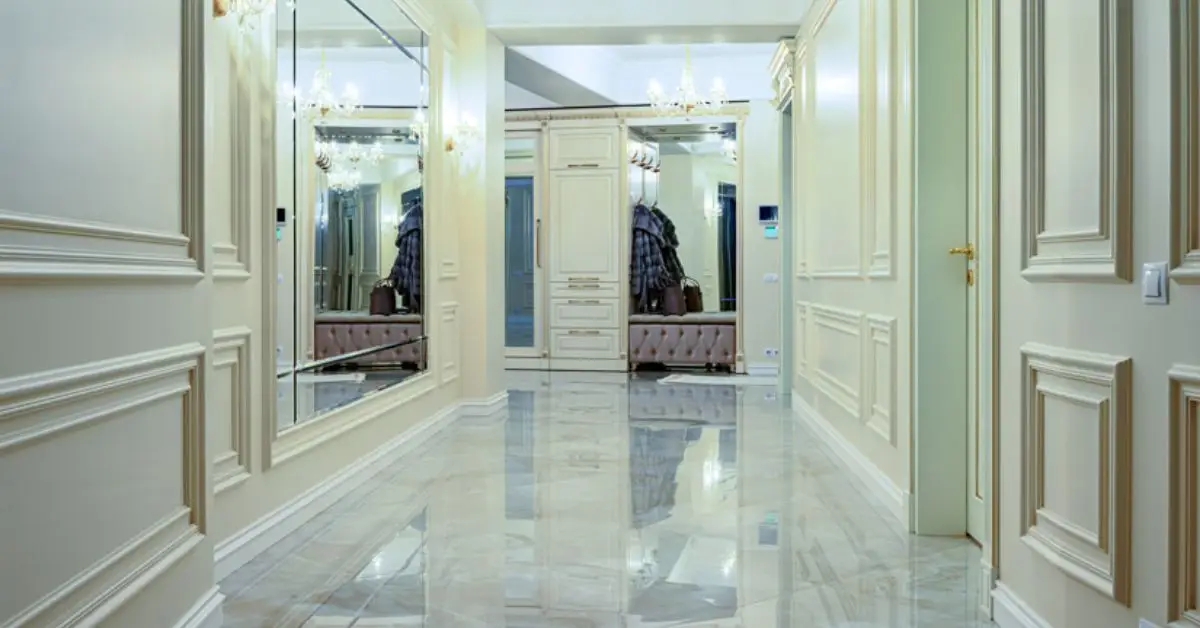
I can’t tell you how many entryways I’ve seen where mirrors were either missing or awkwardly placed, and the space instantly felt smaller and dimmer. Mirrors aren’t just decorative—they’re one of the easiest ways to make a narrow or dark entryway feel wider, brighter, and more intentional.
Here’s why they work:
- Add depth: A well-placed mirror creates the illusion of a larger space, tricking the eye into thinking the room continues beyond the wall.
- Bounce light: Mirrors amplify both natural and artificial light, instantly lifting a room that feels boxed in.
- Create a focal point: A stylish mirror can draw attention and elevate the look of your entryway, making it feel curated rather than cluttered.
Placement matters, too. I’ve learned to avoid putting mirrors directly opposite the front door if you’re sensitive to feng shui advice—it can feel unbalanced. The best approach is:
- Hang a mirror at eye level to reflect what’s entering the space.
- Consider vertical mirrors for narrow hallways or horizontal mirrors above a console to elongate the wall.
- Match the size proportionally: too small, and it feels lost; too large, and it can overwhelm the space.
Even a simple mirror swap transformed my own entryway—suddenly it felt open, welcoming, and brighter without touching a single wall color or light fixture.
Bonus: Small Finishing Details That Impact Perception
Once you’ve tackled the big mistakes, these finishing touches make a surprisingly big difference. They’re subtle, but they help your entryway feel thoughtfully designed rather than “thrown together.”
- Rugs for zoning: A well-placed runner or small mat defines the entry area, keeping it distinct from the rest of the home while guiding foot traffic naturally.
- Texture and art: Lightweight décor, wall art, or small decorative pieces add personality without creating clutter. Think tactile elements like a woven basket or a subtle piece of artwork.
- Hooks and hidden bins: Everyday essentials like coats, bags, and shoes belong somewhere. Hidden bins, under-bench storage, or wall hooks keep items off the floor, maintaining openness and flow.
When I applied these little tweaks to my entryway, the difference was subtle but unmistakable—the space felt organized, intentional, and instantly more welcoming.
Actionable Checklist

Before you start rearranging or redecorating, here’s a quick checklist you can follow to make your entryway feel bigger, brighter, and more functional:
- Declutter first: Remove unnecessary items, keep only daily essentials visible.
- Check furniture scale: Make sure benches, tables, or consoles don’t block pathways.
- Layer lighting: Combine overhead lights, wall sconces, and accent lighting to brighten all corners.
- Use mirrors strategically: Hang at eye level, reflect light, and create depth.
- Choose smart colors & surfaces: Light walls, reflective finishes, and subtle contrasts expand perception.
- Add functional finishing touches: Rugs to define zones, hooks for everyday items, hidden bins for storage.
- Test the flow: Walk in and out of your entryway—does it feel open and welcoming? Adjust as needed.
This checklist isn’t just theory—I use it myself when planning spaces, and it consistently makes a small entryway feel intentional, airy, and stress-free.
Closing Thought
At the end of the day, your entryway is the first thing you and your guests see. It sets the tone for your home and can either feel chaotic and cramped or calm and inviting. By addressing these common mistakes and applying a few strategic fixes, you can transform your space without knocking down walls or spending a fortune.
I’d love to hear from you: which of these fixes do you think will make the biggest difference in your entryway? Share your thoughts in the comments below, or visit Build Like New to see more practical tips and step-by-step guides for creating spaces that feel fresh, functional, and built to last.
Disclaimer: The tips and suggestions in this article are for informational purposes only. Results may vary based on your home’s layout and personal preferences. Always consider professional advice for major renovations or structural changes.