5 Effortless Ways to Stop Mold in Your Humidifier This Winter
Winter is here, and with it comes dry, scratchy air that makes running a humidifier feel like a must. But here’s the thing—I’ve seen so many people struggle with mold growing inside their humidifiers without even realizing it. It starts small, a little film on the water tank, and before you know it, the mist you’re breathing is carrying spores into your home.
I know how frustrating it can be. You want cozy, healthy air, not a machine that’s secretly making your air worse. That’s why I’m sharing five simple, practical ways to keep your humidifier spotless all winter. These aren’t vague tips—you’ll get actionable steps that actually work, so you can breathe easy and focus on enjoying the season.
Before we dive in, let’s quickly talk about why winter makes humidifiers a breeding ground for mold, so the rest of the tips will make perfect sense. If you want a concise, step-by-step version of these tips, check out our guide on 5 easy tips to stop mold in your humidifier this winter.
Why Humidifiers Get Moldy in Winter
If you’ve ever noticed a weird smell coming from your humidifier or a slimy film in the water tank, you’re not imagining things. Winter makes these machines a perfect little mold factory. Here’s why:
- Stagnant water + warm surfaces: When water sits too long in a warm tank, mold and bacteria love it. It’s basically their playground.
- Minerals from tap water: Those little white flakes you see? They’re more than just an eyesore—they feed mold and bacteria, helping them grow faster.
- Over-humidifying your space: Running your humidifier at full blast or in a small, poorly ventilated room doesn’t just affect the machine—it raises humidity on walls and windows, encouraging mold elsewhere.
- Health impacts: Breathing in mold spores can trigger allergies, asthma flare-ups, and other respiratory issues.
Understanding these causes makes the solutions I’m about to share a lot easier to follow—and trust me, once you get a routine in place, mold will be the least of your worries.
Core Principle #1 – Use Distilled or Demineralized Water Only
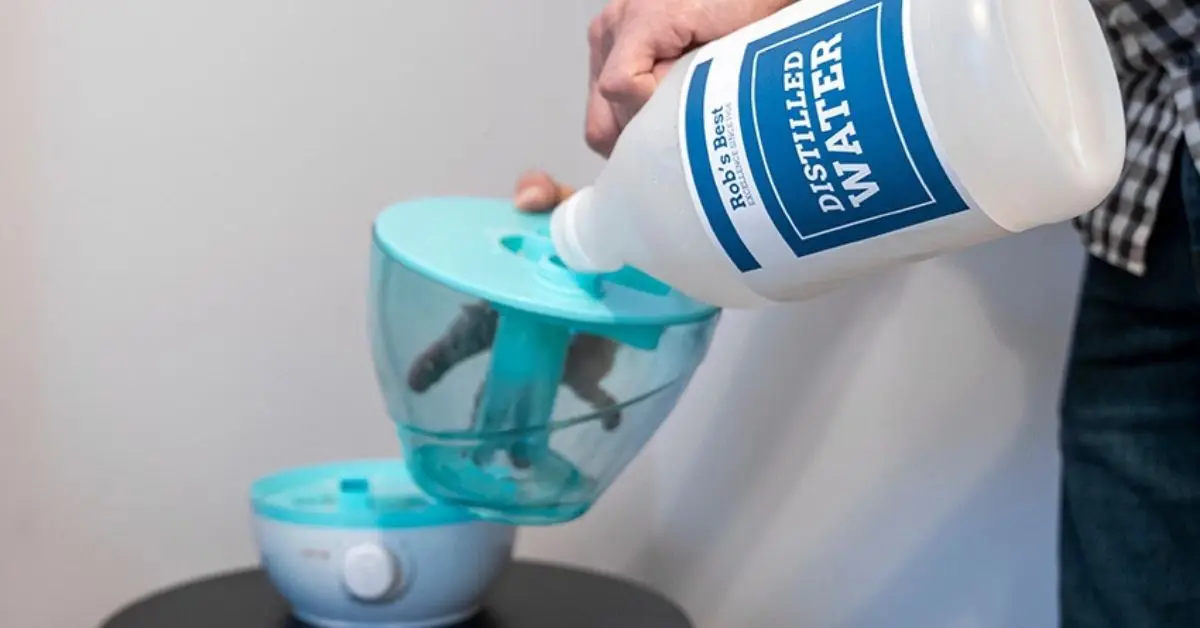
If I had to give you one tip that makes the biggest difference, it’s this: ditch tap water. Seriously. Using distilled or demineralized water is a game-changer. Here’s why:
- Stops minerals from feeding mold: Tap water contains calcium, magnesium, and other minerals that quickly turn your humidifier into a mold buffet.
- Cuts mold growth dramatically: Distilled water doesn’t have the minerals, so mold has far less to thrive on.
- Cost vs. convenience: A gallon of distilled water isn’t expensive, and it’s a small price to pay compared to scrubbing mold out every week. Using distilled water for humidifier maintenance is one of the simplest ways to keep your humidifier clean all season.
I like to keep a small jug ready so I never have to think twice. Once you switch to distilled water, you’ll notice cleaner mist and fewer headaches from mold odors almost immediately.
Core Principle #2 – Daily Water Changes and Drying
If I’ve learned one thing from talking to experienced humidifier users, it’s this: daily maintenance beats deep cleaning once in a while. Mold starts small, and it multiplies fast if water sits too long.
- Empty and rinse: Every evening, pour out any leftover water and give the tank a quick rinse.
- Air dry the reservoir: After rinsing, let it sit upside down or on a towel to dry. Moisture left inside is basically a mold playground.
- Practical routine: I usually run my humidifier at night, empty it first thing in the morning, then leave it to dry while I get ready.
- Reddit tip: Many users swear by a quick daily rinse plus wick drying—it cuts down buildup dramatically and saves hours of scrubbing later. You can see examples of these practical routines on Reddit’s cleaning communities.
Doing this daily might feel tedious at first, but once it becomes habit, your humidifier will stay much cleaner, and the mist you breathe will be fresher.
Core Principle #3 – Weekly Deeper Cleaning Routine
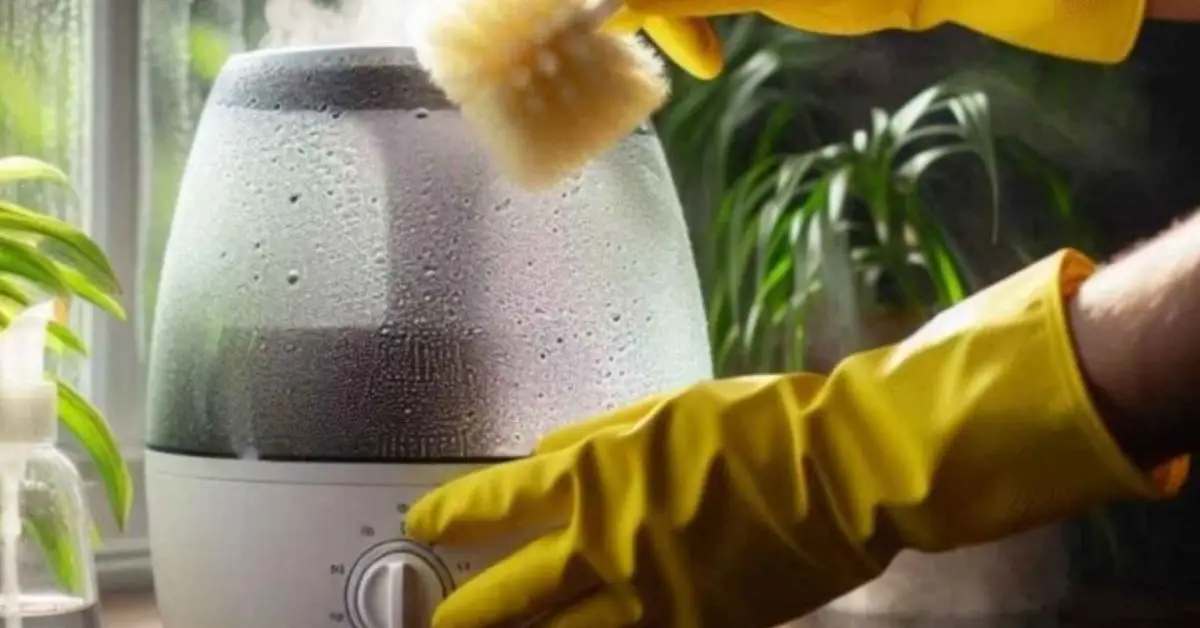
Daily maintenance is great, but once a week, you need to give your humidifier a proper scrub. This is where most guides fall short—they tell you to “clean weekly” without showing exactly how. Here’s my step-by-step approach:
- Disassemble safely: Take apart the tank, base, and any removable components. Keep track of small pieces so nothing gets lost.
- Mild cleaning solutions: I usually use a 1:1 white vinegar and water solution or a little hydrogen peroxide to soak parts and remove buildup.
- Bleach caution: Only use a diluted bleach solution if stubborn mold appears, and always rinse thoroughly afterward.
- Tools for the job: Soft brush, toothbrush for tight corners, microfiber cloth for wiping surfaces.
- Why it matters: This routine removes mold spores before they become visible or airborne, keeping your air and family safer.
Once you get the hang of this weekly routine, your humidifier will stay almost as clean as the first day you bought it—and you won’t have to worry about that musty winter smell anymore. Once winter is over, it’s important to know how to properly clean and store your humidifier for the off-season — our guide on how to clean and store your humidifier for the off-season walks you through it.
Core Principle #4 – Install and Replace Filters Properly
If you’ve cleaned the tank and reservoir but still notice musty smells or weak mist, your filter might be the hidden culprit. Filters trap the tiny particles and minerals that your water picks up, and if they get clogged or moldy, they can undo all your hard cleaning.
- Filters catch impurities: As air passes through the humidifier, the filter pulls out dust, minerals, and other gunk — but over time, that’s exactly where mold and bacteria like to hide.
- Know when to act: There’s no single timeline for every model, but a good rule of thumb is when the mist output drops, the filter smells musty, or it just looks grimy. That’s your cue to clean or swap it out.
- Washable vs replaceable: Some filters you can rinse and reuse; others you throw away and replace. Always check your model’s manual for recommendations.
- Pro tip: If your filter can be cleaned, soak it briefly in a vinegar solution — that loosens mineral buildup and helps extend its life. It’s a small step that stops mold before it ever reaches the air you breathe.
Taking proper care of filters combines with your cleaning routine to keep your humidifier running efficiently and healthily all winter.
Core Principle #5 – Maintain Correct Indoor Humidity Levels (30–50%)
Cleaning your equipment is one part of the puzzle — the air around your home matters too. If your room stays too humid, mold isn’t just a problem inside the machine; it can set up shop on your walls, windows, and fabrics.
- Use a hygrometer: This inexpensive meter tells you your room’s humidity level. Aim for 30–50% — that sweet spot where air feels comfortable but mold can’t thrive.
- Why too much humidity is risky: When indoor humidity stays above about 50%, mold spores become more active and can settle on surfaces throughout your space, not just in the humidifier.
- Adjust depending on conditions: A small room might need less mist than a large family room. Ventilation and outdoor temperatures also change how much moisture your air can hold.
- Linking hygiene with environment: As Healthline explains so well in their guide on how to clean and maintain your humidifier, keeping a balance of humidity — along with proper cleaning — is essential to preventing both mold growth and harmful particles from being released into the air.
Think of humidity control not as a separate chore but as part of your overall strategy to keep your indoor air clean and comfortable — and your humidifier doing exactly what you bought it for. Before putting your humidifier away for months, make sure you follow the checklist in 7 things you must do before storing a humidifier to prevent mold and damage.
Mistakes That Actually Make Mold Problems Worse
Even if you’re following some of these tips, there are common missteps that can undo all your efforts. I’ve seen people frustrated because they kept cleaning but still ran into mold problems—most of the time, it’s one of these mistakes:
- Leaving water overnight: Stagnant water is basically inviting mold to grow. Always empty the tank daily.
- Using hot water or essential oils: These can damage the humidifier’s components and actually accelerate mold growth. Stick to clean, cool, distilled water.
- Ignoring humidity monitors: Guessing how humid your space is can lead to over-humidification, which encourages mold on walls and ceilings.
- Skipping manufacturer instructions: Each model has specific guidelines for cleaning and filter replacement—ignore them, and you’re giving mold an advantage.
Quick Checklist to Keep Your Humidifier Mold-Free
Let’s wrap this up with a simple, actionable checklist you can use every day and every week. I like keeping this on my fridge as a reminder—it makes the routine effortless:
- Daily rinse & dry: Empty, rinse, and air-dry the tank every morning.
- Weekly deep clean: Soak and scrub with vinegar or hydrogen peroxide.
- Use distilled water only: Keeps minerals (and mold food) out.
- Monitor humidity: Keep indoor levels between 30–50% with a hygrometer.
- Filter care: Clean, soak, or replace as recommended for your model.
Mold prevention really doesn’t have to be complicated. Once these habits become part of your routine, your humidifier will stay clean, and your indoor air will be healthier all winter long.
I’d love to hear from you—what’s your biggest struggle with keeping your humidifier clean? Drop a comment below or visit Build Like New to see more expert tips, product recommendations, and step-by-step guides to keep your home running perfectly this season.
Disclaimer: This article is for informational purposes only. Always follow your humidifier manufacturer’s instructions and consult a healthcare professional if you have concerns about mold exposure or respiratory health.