Are These 6 Bedroom Decor Habits Secretly Keeping You Awake?
I used to think that sleepless nights were all about stress, late-night scrolling, or too much caffeine. But over the years, I’ve realized that sometimes, the problem is hiding in plain sight—right in your bedroom. Little choices in lighting, furniture placement, color, and even how you arrange your pillows can silently mess with your sleep without you even noticing. I’ve spent time digging through research, talking to designers, and listening to real people’s experiences, and what I found surprised me.
Some of the most common mistakes we make with bedroom decor are exactly the ones keeping us from that deep, restorative sleep we all crave. In this article, I want to walk you through six decor mistakes that may be sabotaging your nights and share practical ways to fix them—so you can finally wake up feeling truly rested.
Mistake #1 – Lighting Choices That Signal “Daytime” to Your Brain
I used to think a bright ceiling light was fine for my evening routine, but I quickly realized it was keeping my brain in “daytime mode.” The wrong lighting can actually confuse your circadian rhythm and suppress melatonin, making it harder to fall asleep—even if you’re exhausted.
Here’s what to watch out for:
- Harsh overhead lights and cool tones – those white or bluish LEDs might look modern, but they trick your brain into thinking it’s daytime.
- Too little natural light during the day – if your room doesn’t get enough daylight, your body clock can’t properly anchor, leaving you restless at night.
What works better:
- Use layered lighting—combine table lamps, floor lamps, and dimmable ceiling lights.
- Stick to warm light bulbs around 2700K, especially in the evening.
- Position lights so they illuminate softly, avoiding glare that keeps your brain alert.
For more tips from experts, check out this guide on how decor choices can affect your sleep.
Lighting isn’t just decoration—it sends your body signals about when it’s time to wind down. Most guides mention it briefly, but paying attention to both day and night lighting can make a huge difference.
Mistake #2 – Cluttered and Visually Stimulant Decor
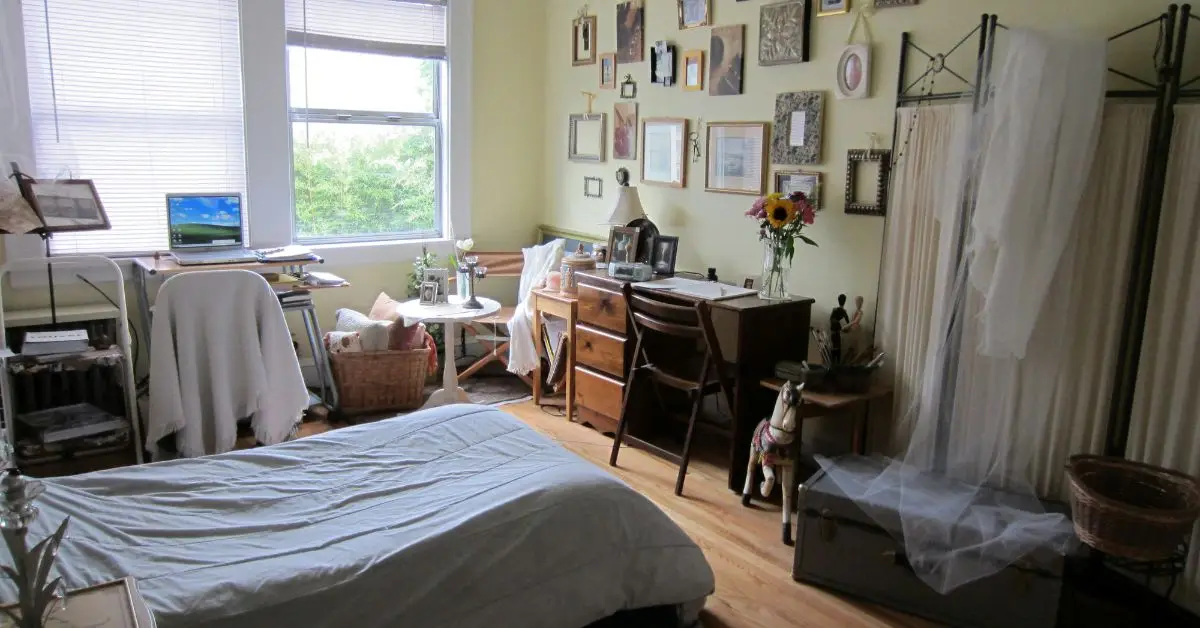
If you’re like me, it’s easy to let your bedside table or shelves get crowded with books, gadgets, or random trinkets. But I’ve noticed that all that visual clutter keeps my mind “on” even when I lie down to sleep.
Here’s what you need to notice:
- Open storage and visible piles – seeing clothes, papers, or accessories makes your brain stay active.
- Too many decorative items or pillows – overdecorating might look pretty, but it actually increases mental stimulation.
How to fix it:
- Opt for minimalist storage that hides clutter, like built-in drawers or baskets.
- Keep surfaces mostly clear—choose a few intentional decor pieces instead of everything at once. For a full rundown, check out 10 bedroom cleaning habits that sleep experts say could be ruining your sleep.
By cutting down visual chaos, you’re telling your brain it’s okay to relax. Even small changes, like hiding piles or limiting pillow numbers, can make your bedroom feel calmer.
Mistake #3 – Colors That Energize Instead of Calm
I’ve learned the hard way that your wall color can make or break a night’s sleep. Bright reds, neon yellows, or high-contrast combinations might look fun during the day, but at night, they keep your brain alert when it should be winding down.
Watch out for these pitfalls:
- Bold or high-contrast colors – these stimulate neural activity and make it harder to fall asleep.
- Mixing too many intense shades – even small accents in overly bright colors can prevent your mind from relaxing.
Here’s how to make colors work for you:
- Stick to cool tones, muted blues, greens, and neutrals to lower stress and promote calm.
- Incorporate color psychology principles, like pairing soft walls with slightly warmer accents, so your room never feels dull.
- Use accessories—pillows, throws, or rugs—to add personality without overwhelming the senses.
For science-backed guidance, check out what the Sleep Foundation says about how colors affect your sleep.
The right palette doesn’t just look pretty—it actually signals your brain that it’s time to rest. Most articles mention “calming colors,” but few explain the neuroscience behind why they work.
Mistake #4 – Furniture Layout That Disrupts Flow and Comfort
I used to push my bed under the window because it “fit better,” only to wake up feeling tense and restless. Turns out, how you place your furniture affects more than aesthetics—it impacts your subconscious sense of safety and flow.
Here’s what to consider:
- Beds under windows or aligned with doors – can increase subtle anxiety and disrupt sleep.
- Blocked pathways or cramped spaces – make your brain feel trapped, keeping you mentally alert.
- Overcrowded corners or misaligned furniture – even if it looks cozy, your body reads the imbalance and stays on edge.
Tips for better flow:
- Position your bed to allow a clear line of sight and unobstructed pathways.
- Keep enough space around key furniture so moving around feels effortless.
- Use symmetry and balance to give your room a calm, organized feel.
For practical advice from sleep and design experts, check out Bedstar’s guide on bedroom layout and sleep quality.
Good layout isn’t just about decoration—it sets a tone your mind reads subconsciously. Adjusting placement can feel like a small tweak but often makes a noticeable difference in how easily you drift off.
Mistake #5 – Bedding and Material Choices That Impact Temperature and Touch
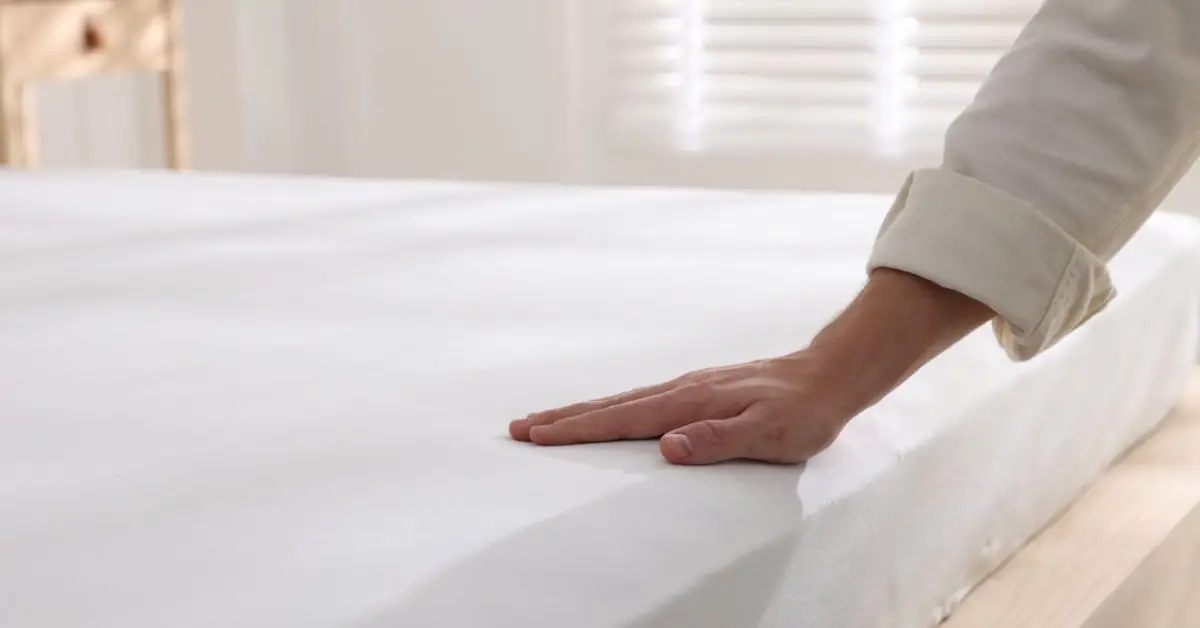
I used to think any cozy blanket would do, but I quickly learned that heavy or non-breathable bedding can sabotage sleep. Your body temperature plays a huge role in falling and staying asleep, and the wrong textiles can keep you tossing and turning.
Key things to notice:
- Heavy, non-breathable bedding – materials like thick synthetics trap heat, disturbing your natural thermoregulation.
- Too many pillows or mismatched mattress firmness – inconsistent support and overstuffed pillows can lead to frequent wake-ups.
How to make your bedding sleep-friendly:
- Choose lightweight, breathable fabrics like cotton or linen for blankets and sheets.
- Keep pillow and mattress firmness aligned with your sleep position.
- Layer strategically—enough warmth without overheating. If you want more ideas on how to make your bedroom warmer without cranking the heat, check out this guide.
Good bedding isn’t just comfort—it’s a physiological signal to your body that it’s time to rest. When you combine the right textures, layers, and weight, falling asleep feels natural instead of a struggle.
Mistake #6 – Ignoring Light Blockage and External Disruptions
Even the best-decorated bedroom can fail if you let light or noise sneak in. Even small disturbances, like pests or unwanted visitors, can subtly interrupt sleep—here are some simple natural ways to keep mice out of your bedroom to create a truly restful space. I’ve noticed that early morning sun or streetlights can wake me up before I’m ready, and that subtle disruption can snowball into restless nights.
Things to watch:
- Thin curtains – early sunlight or outside lights can prematurely interrupt sleep cycles.
- Blue light from electronics and LEDs – even small device screens emit light that suppresses melatonin.
- Poor airflow or lack of natural daylight – stagnant air and inconsistent daylight exposure confuse your circadian rhythm.
Quick fixes:
- Invest in blackout curtains to keep early morning light out.
- Keep electronics out of reach or use night-mode/filters in the evening.
- Ensure your room gets some daylight during the day and good ventilation at night.
For expert-backed advice on controlling bedroom light for better sleep, check out Homes and Gardens’ guide on sleep-friendly room setups.
Controlling light and external distractions isn’t just about aesthetics—it’s about creating an environment your body recognizes as safe and restful. Small changes can transform how deeply and consistently you sleep.
Actionable Checklist: Quick Fixes for Better Sleep Through Decor
Here’s a checklist you can start implementing today:
- Lighting: Swap harsh overhead lights for dimmable, warm-toned lamps (around 2700K).
- Clutter: Clear surfaces and use concealed storage to reduce visual stimulation.
- Colors: Stick to soothing tones like muted blues, greens, or neutrals.
- Furniture: Position your bed away from windows and doors, and keep pathways open.
- Bedding: Choose breathable cotton or linen sheets and keep pillows aligned with your mattress firmness.
- Light Control: Install blackout curtains and minimize blue light from devices in the evening.
Following this checklist can immediately make your bedroom a more restful space. Small steps here often lead to noticeably better sleep within days.
How to Prioritize These Changes Based on Your Bedroom Today

Not every change needs to happen at once. Here’s how I suggest you prioritize:
Quick Wins:
- Declutter surfaces and hide open storage items.
- Replace harsh bulbs with warm, dimmable lighting.
- Add blackout curtains or blinds.
Medium-Term Updates:
- Adjust wall colors or accents to calming tones.
- Reorganize furniture for better flow and symmetry.
Long-Term Projects:
- Upgrade bedding and mattress for optimal comfort and thermoregulation.
- Redesign the room layout if natural light or airflow is poor.
Tackling changes in this order helps you see immediate improvements while planning bigger updates strategically.
Conclusion
Your bedroom has more power over your sleep than you probably realize. From lighting to color, clutter to bedding, each decision subtly communicates to your brain whether it’s time to rest or stay alert. By identifying and correcting these six common decor mistakes, you can finally create a space that encourages deep, restorative sleep.
I’d love to hear from you: Which of these changes will you try first? Drop your thoughts in the comments below. And if you want more expert tips on creating rooms that feel brand-new and sleep-friendly, check out Build Like New for inspiration, guides, and practical ideas you can implement today.
Disclaimer: This article is for informational purposes only and reflects general advice on bedroom decor and sleep. It is not a substitute for professional medical or sleep consultation. Individual results may vary.