6 Smart Ways to Support Your Neighbors After a Major Snowstorm
Snowfall looks calm and beautiful from the window, but I’ve seen how quickly it can turn daily life upside down. Sidewalks ice over. Entrances get blocked. Simple things—like getting mail or taking out trash—suddenly become risky. And for some neighbors, especially older adults, people with disabilities, or new parents, a snowstorm can quietly cut them off from the world.
This is usually the moment when people think, “I’ll just handle my own driveway.” I get that. But after analyzing what most articles and official guides miss, one thing is clear: what really matters after a snowstorm isn’t just cleanup—it’s community awareness. Small, thoughtful actions can prevent injuries, keep emergency access open, and help neighbors who may not be able to ask for help themselves.
If you’ve ever wondered how to be helpful after snowstorms without overstepping or putting yourself at risk, you’re in the right place. I’m going to walk you through practical, realistic ways to show up for your neighbors—things that actually make a difference, not just look good on paper.
Before we get into the six actions, let me ask you this: when the next storm hits your area, what’s one small thing you could do that would make your block safer for everyone—not just you?
1. Clear High-Traffic Areas That Everyone Relies On
When I think about being helpful after a snowstorm, this is always the first place I start—and I suggest you do the same. Clearing high-traffic areas isn’t about making things look nice. It directly affects safety, accessibility, and how quickly your neighborhood can function again.
Snow becomes dangerous when people walk over it repeatedly. It compresses, freezes, and turns into ice. If you and I act early, we reduce that risk before it becomes a real problem. If you’re using a snowblower to clear sidewalks or shared paths, it’s worth making sure it’s stored and handled correctly—because a few common mistakes can cause damage or safety issues later, as explained in this guide on snowblower storage mistakes homeowners often overlook.
Which Areas Should Be Prioritized First
Not all snow-clearing tasks carry the same weight. If time or energy is limited, I focus on areas that people depend on, not just what’s convenient.
Prioritize:
- Sidewalks that connect homes, parking areas, or bus stops
- Entryways and stairs, where slips happen most often
- Ramps used by strollers, wheelchairs, or walkers
- Paths leading to mailboxes, shared dumpsters, or building entrances
I always clear wide paths. I’m also careful about where that snow ends up—dumping it in the wrong place, especially onto a neighbor’s property, can cause disputes or even fines, which is why it helps to know what to consider before dumping snow in a neighbor’s yard. If someone can move through without twisting their body or stepping onto ice, you’ve done something genuinely helpful.
Don’t Forget Fire Hydrants
This step is easy to overlook, but it has serious consequences.
When fire hydrants are buried:
- First responders lose critical time
- Emergency access becomes harder in already dangerous conditions
I make it a habit to clear snow a few feet around the nearest hydrant, even if it’s not in front of my house. It’s one of those small actions that can matter when seconds count.
2. Prevent Slips by De-Icing Walkways the Right Way
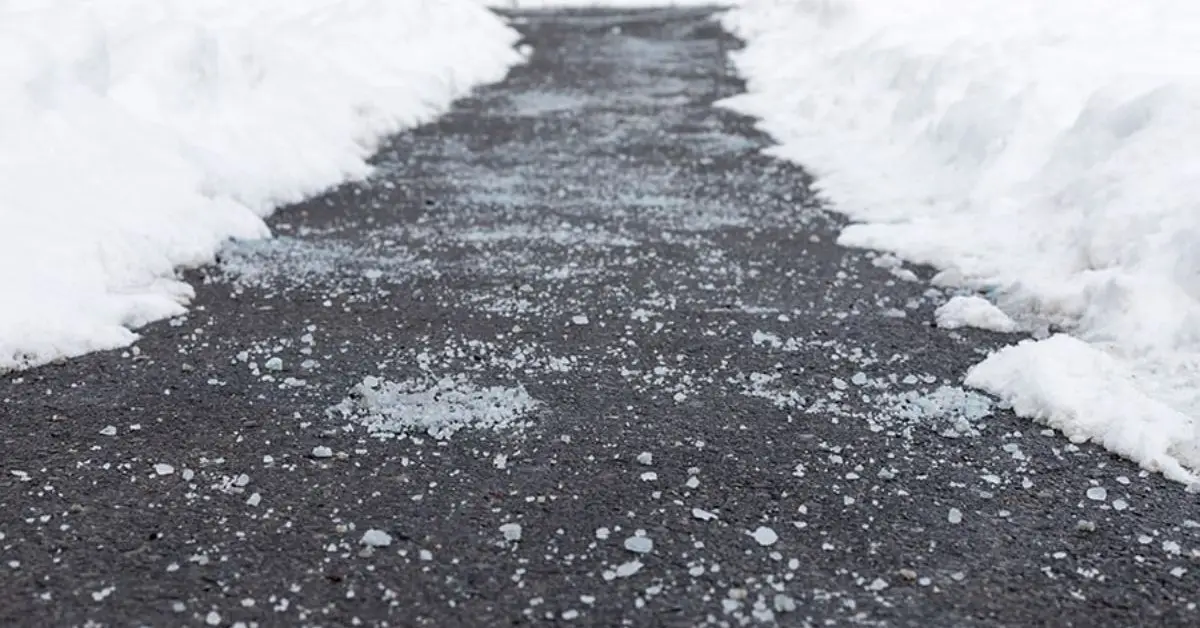
Most people stop after shoveling. I used to do the same—until I realized that many winter injuries happen after the snow is cleared.
De-icing isn’t optional if you care about preventing falls. It’s part of doing the job properly.
When Salting Works — and When It Doesn’t
Ice melt works best when you use it at the right moment. Timing matters more than quantity.
What actually helps:
- Pre-treatment: Applying ice melt before people walk on fresh snow
- Post-shoveling: De-icing only after loose snow is fully cleared
- Thin ice: Ice melt is effective here
- Compacted ice: Requires repeated treatment and patience
Salting thick, packed ice without shoveling first rarely works and gives a false sense of safety.
According to guidance from the Centers for Disease Control and Prevention slip-and-fall injuries increase significantly after winter storms, especially on stairs and sloped walkways. That’s why I always de-ice:
- Steps
- Ramps
- Inclined sidewalks
If you do just one thing beyond shoveling, make it this—it protects people who may never tell you they slipped.
Let me ask you something before we move on: is there a spot near your place where people always rush through, even when it’s icy?
3. Make Street Parking Easier for Snow Removal Crews
This is one of those things people rarely talk about, but I’ve seen it affect entire blocks. You might be doing everything right—shoveling, salting, checking on neighbors—and still end up stuck because the street itself never gets properly cleared.
Snow removal doesn’t just depend on plows showing up. It depends on whether they can actually do their job.
How Parked Cars Slow Down Plows
When cars line both sides of the street during or right after a storm, plows can’t clear the full width of the road. What usually happens is:
- Only the center of the street gets cleared
- Snow piles up along parked cars
- Ice forms faster near curbs
I’ve watched this lead to neighbors being unable to leave their homes for days—especially those who rely on street parking. Emergency vehicles and delivery trucks face the same problem.
If you’re able to move your car off the street, even temporarily, you’re helping more people than you might realize.
Follow Local Snow Emergency Rules
Most cities have snow emergency rules for a reason. Ignoring them doesn’t just risk a ticket—it slows down recovery for everyone.
These rules often include:
- Alternate-side parking
- Temporary parking bans during heavy snowfall
- Time limits for moving vehicles after plowing
According to guidance shared by the American Public Works Association street access is one of the biggest factors in effective snow removal. When streets are blocked, plows can’t clear curb-to-curb, which leaves behind dangerous, icy conditions.
Before the next storm, I always check local alerts. It takes a minute, and it can save your entire block a lot of frustration. What many homeowners don’t realize is that snow-related laws often go beyond parking rules, which is why it’s smart to understand this snow law most homeowners aren’t aware of before winter creates bigger problems.
4. Check In With Neighbors Who May Need Extra Help
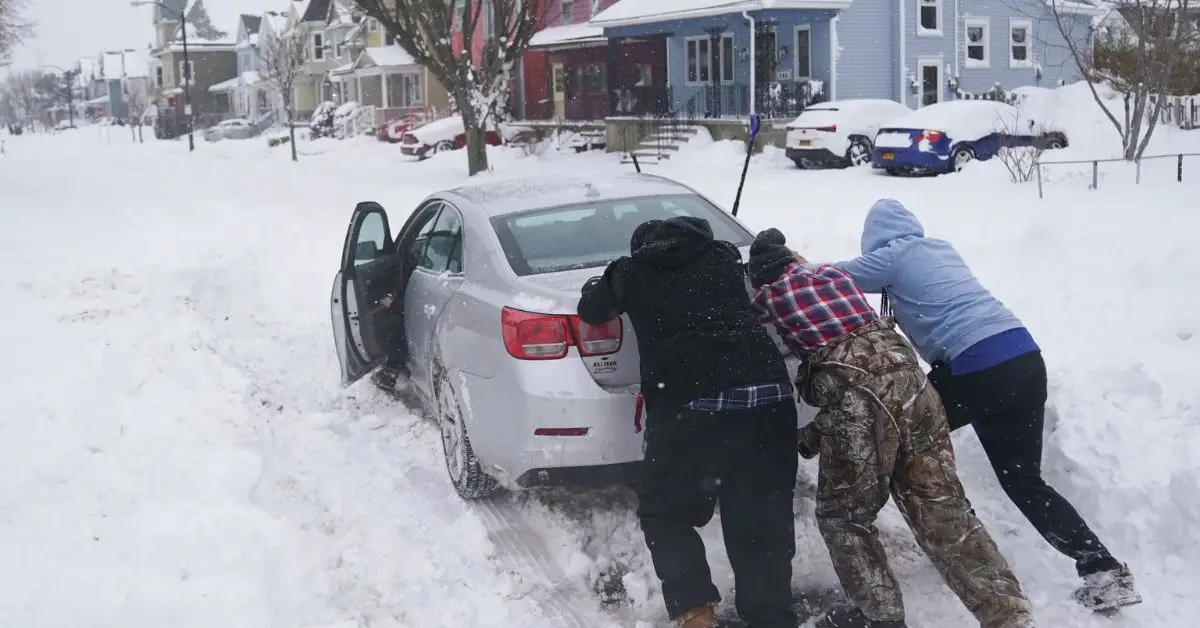
This is where being helpful stops being just a task—and starts becoming personal.
Snowstorms don’t affect everyone equally. While you and I might see snow as an inconvenience, some neighbors experience it as isolation.
Who Might Struggle Most After a Snowstorm
From experience, the people most affected are often:
- Older adults who can’t safely shovel or walk on ice
- Disabled residents who rely on clear paths and ramps
- New parents juggling mobility, childcare, and limited rest
They may not ask for help. Sometimes they don’t want to feel like a burden. That’s why checking in matters.
How to Offer Help Without Overstepping
The way you offer help makes all the difference. I’ve found that specific, low-pressure offers work best.
Instead of asking, “Do you need anything?”, try:
- “I’m clearing the sidewalk later—want me to do yours too?”
- “I’m heading to the store. Can I grab anything for you?”
This approach gives people:
- A clear choice
- Control over what they accept
- A sense of dignity
You’re not assuming their situation—you’re opening a door.
Let me ask you this: is there someone on your block who might need help but hasn’t said anything out loud yet?
5. Flag Snow Removal Issues to Property Management
If you rent, this step is more important than it sounds—and it’s something most articles quietly ignore. I’ve seen situations where everyone assumes snow removal is “someone else’s job,” and as a result, shared walkways stay icy far longer than they should.
Even when you’re not responsible for clearing snow yourself, you still play a role in keeping shared spaces safe.
Why Early Reporting Matters
Cities and local authorities usually expect snow to be cleared within a set time after a storm ends. When delays go unreported, hazards don’t just linger—they multiply.
Here’s why flagging issues early helps:
- It reduces slip-and-fall risks in common areas
- It protects neighbors who rely on clear access
- It creates accountability for property owners or managers
The National Weather Service regularly stresses that post-storm conditions—especially refreezing and compacted snow—are a major safety risk if cleanup is delayed.
I look at it this way: sending a quick message or email isn’t complaining. It’s a practical step toward shared safety.
6. Offer Comfort With a Simple, Warm Gesture
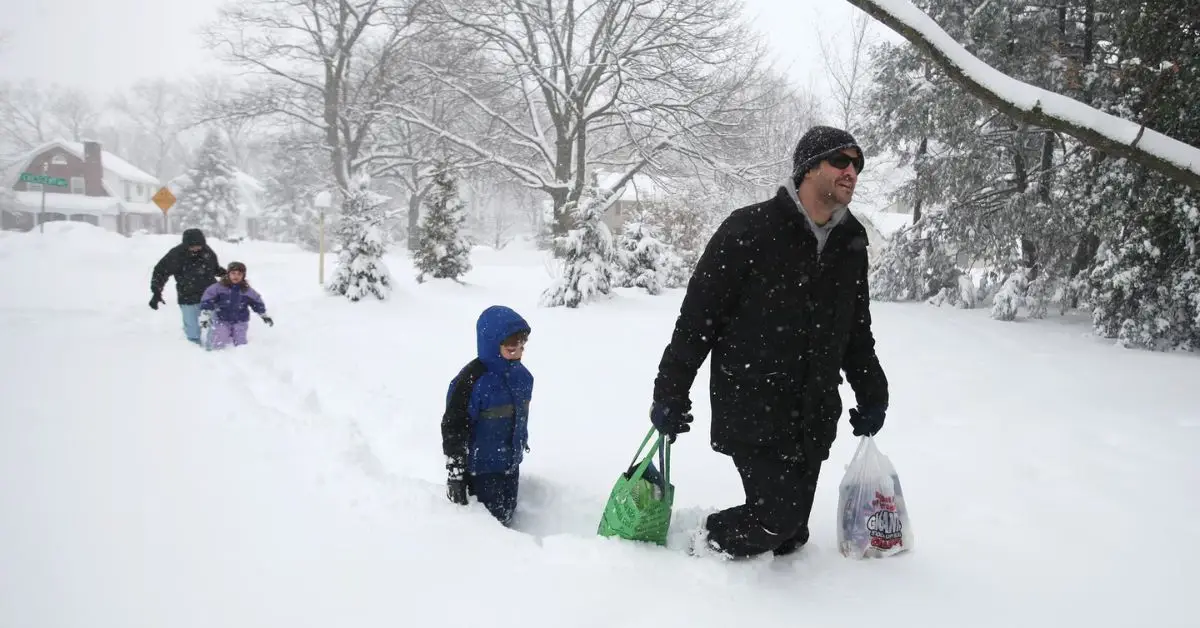
Once the physical work is done, this is where real neighborliness shows up.
After a storm, people are tired. Routines are off. Groceries might be low. I’ve noticed that what sticks with people isn’t who had the best shovel—it’s who showed up with a little kindness.
Food as Community Care
You don’t need to overthink this. Simple, warm gestures often mean the most.
A few ideas that genuinely help:
- Dropping off a hot meal or soup
- Sharing baked goods when stores are picked over
- Offering a warm drink like tea or hot chocolate
These moments create connection when winter tends to isolate people. And honestly, they’re often remembered long after the snow melts.
So before you close this article, think about it: after the next storm, what’s one small comfort you could offer that would make someone’s day easier?
One Storm, Six Ways to Show Up
When I step back and look at everything we’ve covered, one thing stands out: you don’t need to do all of this to make a difference. Even one small action—clearing a path, moving a car, checking in, or offering something warm—can change how safe and supported your neighbors feel after a storm.
Snowstorms test more than our patience. They test how we show up for the people around us. And the truth is, being helpful after a snowstorm isn’t about grand gestures. It’s about noticing what others might be struggling with and stepping in where you can.
Now I’d love to hear from you.
Which one of these six actions feels most realistic for you the next time it snows? Drop your thoughts or experiences in the comments—your ideas might help someone else too.
And if you care about practical, real-world ways to take better care of your home and your community, you’ll find more helpful guides over at Build Like New. That’s where I share advice that’s meant to be used, not just read.
Disclaimer: This article is for general informational purposes only. Local weather conditions, safety rules, and snow removal responsibilities can vary by area, so always follow guidance from your local authorities and use your own judgment when helping after a snowstorm.