Cold Without Power? HVAC Pros Reveal 6 Heating Methods That Can Save Lives
I’ve lived through winter power outages, and if you’ve ever felt your house go silent while the cold creeps in, you know how fast comfort turns into stress. The heat shuts off, lights are gone, your phone battery is precious—and suddenly the big question hits: how do I keep my home and my family warm without doing something dangerous?
Most advice online throws out long lists of “tips,” but skips the part that actually matters—what’s safe, what actually works, and what can quietly put you at risk. I’ve seen people rely on candles, ovens, or random heaters because “someone online said it was fine.” That’s how fires start. That’s how carbon monoxide incidents happen. And that’s exactly where a lot of existing articles fall short.
If you’re here, you’re not looking for survival fantasy or panic-driven hacks. You want clear, real-world options that make sense for a normal home, backed by how HVAC pros and safety agencies actually think. I’m going to walk you through practical ways to heat your space during a winter power outage—methods that balance warmth and safety, without pretending everyone has a cabin, a wood stove, or military-grade gear.
Before we get into what to use, let’s get one thing straight: staying warm in a power outage isn’t about brute force heat. It’s about smart choices, heat control, and knowing what not to do just as much as what to do.
Have you ever dealt with a winter outage before—or is this your first time preparing for one?
What Happens When Your Heat and Power Fail?
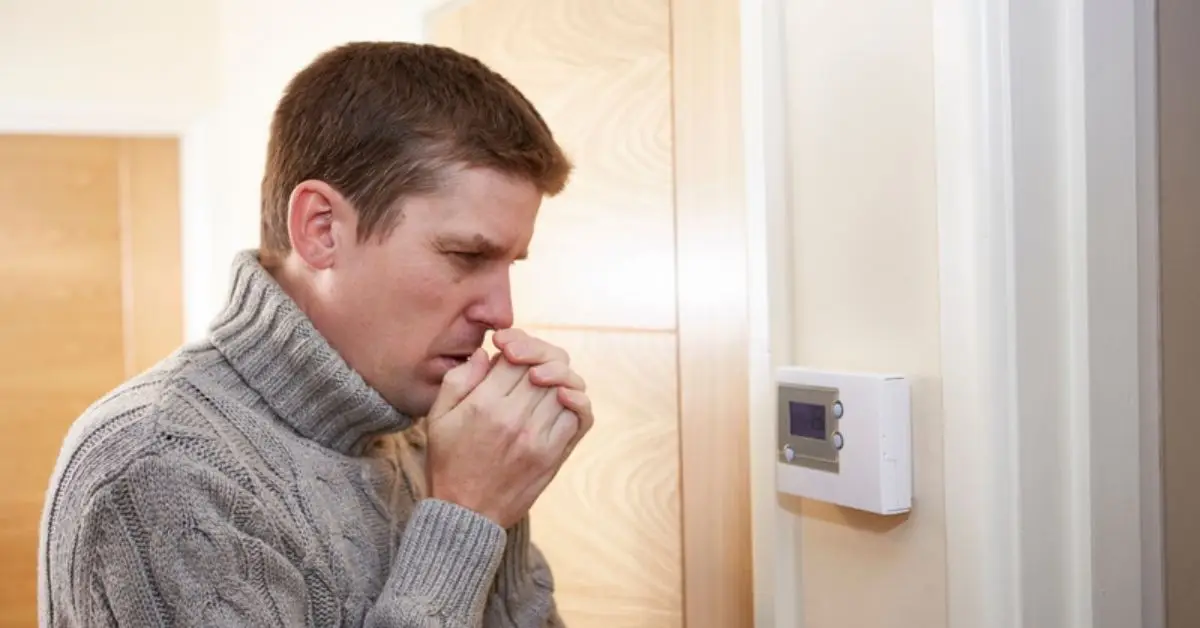
When winter power goes out, the house doesn’t cool down slowly—it starts losing heat almost immediately. I’ve seen homes feel manageable for a few hours and then become dangerously cold overnight. Once your furnace, heat pump, or boiler shuts off, there’s no system circulating warm air. Heat begins escaping through windows, doors, walls, and even the floor.
What’s really happening inside your home:
- Indoor temperatures can drop 10–20°F within the first 24 hours, depending on insulation and outdoor conditions
- Rooms with exterior walls cool down first
- Basements, bathrooms, and hallways turn into cold zones quickly
Now comes the part most people don’t expect—cold indoor air is a health risk, not just discomfort.
- Your body burns energy faster just to stay warm
- Sitting still in cold air raises the risk of hypothermia, even indoors
- Fingers, toes, ears, and nose are at higher risk of frostbite when heat is uneven
And while you’re focused on staying warm, your house is taking damage too.
- Water in pipes can freeze once indoor temperatures drop
- Frozen pipes often burst when they thaw, causing sudden flooding
- One outage can lead to costly structural and water damage
This urgency is why Consumer Reports’ winter power outage guidance emphasizes preparation and early action instead of last-minute fixes.
People searching for this topic aren’t just chasing comfort. You’re trying to protect your health, your family, and your home—fast.
Key Safety Rules Before Any Heating Method
Before we talk about how to heat your home, we need to be very clear about what should never be used indoors. This is where a lot of online advice quietly puts people in danger.
When it’s freezing, it’s tempting to use anything that makes heat—but some heat sources can be deadly inside a closed space.
One rule you should never break:
Do not use outdoor combustion devices indoors.
That includes:
- Charcoal or gas grills
- Camp stoves
- Outdoor propane heaters
- Fire pits or improvised burners
These devices release carbon monoxide, which builds up silently and can overwhelm you before you realize anything is wrong.
Why carbon monoxide is so dangerous:
- You can’t smell or see it
- It replaces oxygen in your bloodstream
- Early symptoms feel like fatigue or a mild headache
Before using any heating method, stop and check these basics:
Non-negotiable safety steps
- Make sure smoke alarms and carbon monoxide detectors are working
- Place CO detectors near sleeping areas and on every level of the home
- Test alarms before storms, not during outages
If kids or pets are in the house:
- Keep heaters stable and out of reach
- Never leave heaters or open flames unattended
- Avoid heating methods that can tip over or overheat nearby materials
Cold pushes people to improvise—but improvisation causes fires, poisonings, and emergency calls. Setting safety rules first keeps you in control instead of reacting out of fear. Remember, many winter heating accidents happen because hidden electrical hazards are ignored—checking for common winter electrical fire risks before an outage can prevent dangerous situations.
Quick question for you: if the power went out tonight, do you already know which heat sources are safe—or would you be guessing?
HVAC‑Approved Heating Methods When the Power’s Out
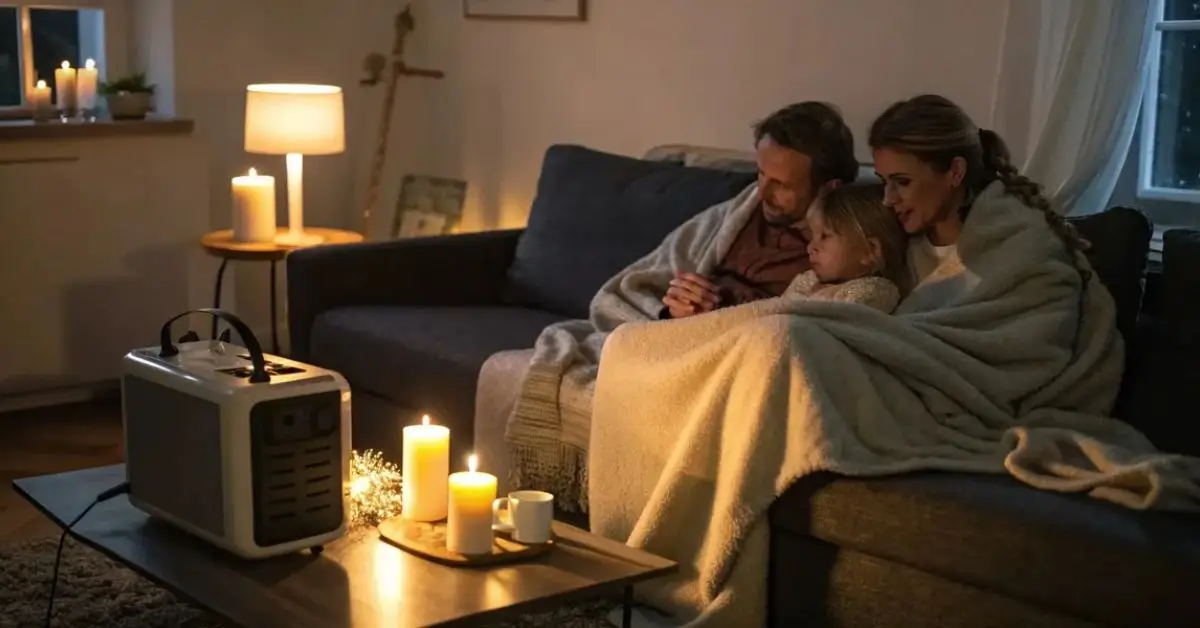
When the power’s out, knowing what actually works—and what’s safe—is everything. Let’s go through practical, HVAC‑approved ways to heat your home without putting yourself or your family at risk. I’ll walk you through each option, how to use it safely, and what to prep in advance.
1) Use Your Fireplace or Wood Stove Properly
If you have a fireplace or wood stove, don’t assume it’s automatically safe. I’ve seen people pile logs in, light a fire, and wonder why the room never feels warm—or worse, set off smoke alarms. Here’s what really matters:
- Pre-outage prep: Make sure your chimney is clean, flue and damper are functional, and your fireplace tools are ready.
- Burn efficiently: Schedule your wood in small batches; keep the fire hot but controlled. A roaring fire wastes heat and fuel.
- Safety perimeter: Keep flammable items at least three feet away. Use spark screens to prevent embers from escaping.
- Airflow: Proper ventilation ensures heat circulates and smoke doesn’t build up inside.
2) Indoor‑Rated Gas or Propane Heaters That Don’t Need Electricity
Many online guides mention “propane heaters,” but the key is whether they’re indoor-rated. Using outdoor-only models inside is a carbon monoxide disaster waiting to happen.
- What counts as indoor-rated: Look for certified models like vented propane heaters or Mr. Heater indoor-safe units.
- Ventilation rules: Keep a window slightly cracked for fresh air; don’t seal the room airtight.
- Placement: Always place on stable, non-flammable surfaces and maintain a clear zone around the unit.
- CO safety: Keep a working carbon monoxide detector nearby—it’s non-negotiable.
Think of it this way: it’s better to run a smaller heater safely than risk a big one that could harm you.
3) Backup Generator to Power Electric Heaters
A generator can be a lifesaver, but only if you use it correctly. Many homeowners assume they can just plug a space heater into an extension cord and call it a day—that’s dangerous. Before using any backup generator or indoor heater, it’s smart to understand common mistakes homeowners make during power outages—mistakes that electricians say could put your home at risk.
- Generator sizing: Make sure your generator can handle the wattage of your heater plus other essential appliances.
- Transfer switch vs extension cords: A transfer switch is safer; avoid running cords indoors from outdoor outlets.
- Placement: Keep the generator outside, away from doors, vents, and windows to prevent carbon monoxide from entering.
Consumer Reports has a solid guide on sizing and safely using generators for winter heating, which can help you avoid common mistakes.
4) Passive Heat Retention Strategies (No Fire or Fuel)
Sometimes, the safest option is to trap the heat you already have. Most guides barely cover this, but it works surprisingly well if done right:
- Focus on one insulated room: Pick a smaller room, close doors, and keep windows covered.
- Block drafts: Use towels or blankets at door bottoms, seal windows with plastic or curtains.
- Maximize body heat: Indoor tents or layered blankets can keep a small group warm efficiently.
- Use sunlight during the day: Open south-facing blinds to capture warmth, then close them at night.
Homes and Gardens emphasizes heat retention but often misses why these techniques work. When done correctly, you can maintain a surprisingly comfortable space with minimal energy.
5) Heat With Hot Water (Safe Thermal Mass)
A method most people overlook is using water as a heat source:
- Boilers or hot water tanks: If your system can run without electricity, fill containers with hot water and place them in living spaces.
- Hot water bottles or tubs: Even a small heat source can radiate warmth for hours.
- Radiant effect: Arrange bottles strategically to warm the room evenly.
On Reddit and other prepper communities, people swear by this simple, low-tech trick—but always double-check for spillage or burns.
6) Long-Term Power Independence Solutions
For those who want to avoid the panic entirely, planning ahead pays off:
- Solar panels + battery storage: Can keep essential HVAC running during extended outages. For extended outages, pairing a backup generator with a battery storage system can give your space heater or HVAC system a reliable power source—even when the grid is down.
- Whole-house generator vs hybrid systems: Consider your budget and energy needs.
- Cost vs. benefit: Emergency heating solutions are investments in safety, not just comfort.
By combining short-term strategies with longer-term preparedness, you can handle a winter outage with confidence instead of fear.
Layered Personal Heat and Comfort Boosters
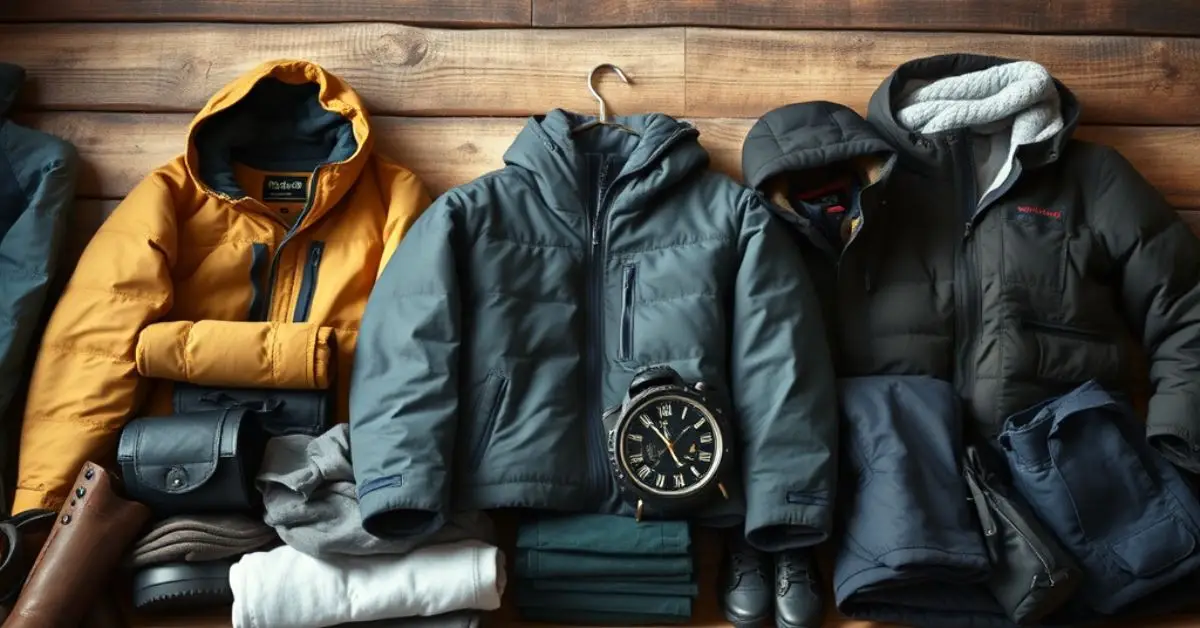
I’ve found that layering your clothing and using simple heat tricks can make a huge difference:
- Layer clothing strategically: Start with a moisture-wicking base layer, add insulation like fleece or wool, and top with a windproof layer indoors if needed. Don’t forget a hat, gloves, and thick socks—your head and feet lose the most heat.
- Hand warmers, heated blankets, and insulated sleeping bags: These help focus warmth where you need it most. Position them near your core or feet for maximum effect.
- Hot drinks and food: Warm liquids and high-calorie snacks help maintain core body temperature and energy levels.
When Heating Isn’t Enough — Survival Thresholds
Sometimes your heat sources just aren’t enough. Knowing when to evacuate or seek outside help is critical.
- Safe indoor temperature minimums: Experts suggest staying above 60°F for short periods. Below 50°F, risks of hypothermia increase rapidly.
- Vulnerable populations: Infants, elderly, and people with certain medical conditions are most at risk.
- When to call for help: If temperatures keep dropping, if CO alarms go off, or if you can’t maintain a safe environment, seek a warming center or head to a family/friend’s home.
Quick Safety Checklist
Here’s a one-screen reference you can keep handy for quick decisions during a winter outage:
Before Outage
- Test smoke and carbon monoxide detectors
- Stock indoor-safe heating devices
- Prepare blankets, sleeping bags, and layered clothing
- Seal drafts on doors and windows
During Outage
- Use only indoor-rated heat sources
- Keep proper ventilation for CO where needed
- Concentrate people in one insulated room
- Monitor temperature regularly
After Power Returns
- Inspect pipes and the home for freeze damage
- Gradually turn heating systems back on
- Check all safety devices for proper function
This checklist is simple enough to print or save on your phone, making sure you don’t forget critical steps when stress is high.
Helpful Tools, Gear, and Prep List
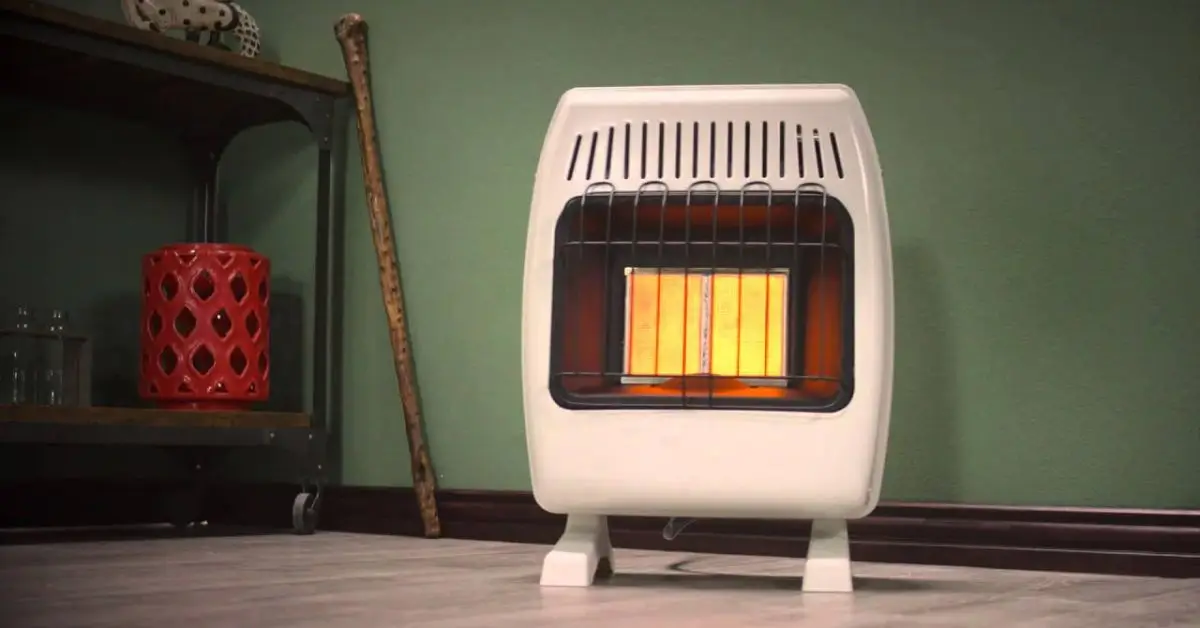
Having the right gear ahead of time can save you stress, risk, and even money during an outage:
- Backup heaters: Indoor propane heaters, vented gas heaters, or certified space heaters—only indoor-rated models.
- CO and smoke detectors: Ensure they’re functional with fresh batteries, placed on every level and near bedrooms.
- Draft sealing kit: Towels, foam tape, or plastic window insulation to trap heat in your occupied room.
- Additional items: Flashlights, extra batteries, insulated sleeping bags, hot water bottles.
For a full list of essential emergency preparedness gear and winter survival tools, you can check FEMA’s winter power outage guidance.
Conclusion: Staying Safe and Warm When the Power Goes Out
Winter power outages can be stressful, but with the right preparation, you don’t have to face the cold helplessly. I’ve walked through HVAC-approved heating methods, passive heat strategies, layered personal heat, safety thresholds, and must-have gear—all designed to help you stay warm without risking your health or your home.
Remember: it’s not just about comfort—it’s about safety, smart planning, and keeping your family protected. Even small steps, like sealing drafts, using indoor-rated heaters correctly, or layering clothing, can make a huge difference in how your home feels when the power’s out.
I’d love to hear from you: what’s your go-to method for staying warm during an outage? Share your experiences or tips in the comments below—I read every one and your advice could help someone else stay safe.
And if you want more practical home improvement and safety guides, visit my website Build Like New for step-by-step tips, checklists, and expert-backed solutions for making your home smarter, safer, and more resilient.
Staying warm in winter isn’t magic—it’s preparation. Let’s make sure you and your home are ready for anything.
Disclaimer: The information in this article is for general safety and preparedness purposes only. Always follow official guidance from local authorities, FEMA, and product manufacturers. Build Like New is not responsible for accidents or damages resulting from misuse of heating devices or failure to follow safety instructions.