6 Cleaning Myths That Are Secretly Damaging Your Home
I’ve spent years cleaning, testing products, and listening to every tip under the sun—and honestly, not everything you hear about cleaning is true. Some of the advice we take for granted doesn’t just waste time—it can actually make your home dirtier or even damage surfaces.
You’ve probably tried scrubbing with extra detergent, sprinkling vinegar everywhere, or using bleach like it’s a magic cure-all. I know I have. And while these methods sound smart, they often backfire in ways most people don’t realize.
In this article, I’m going to walk you through six popular cleaning myths that are secretly hurting your home. I’ll explain why they fail, what really works, and how you can save time, money, and frustration in the process. By the end, you’ll see cleaning in a whole new, smarter way.
Myth 1 — “More Cleaner Means Better Cleaning”
I used to think that pouring extra detergent or scrubbing with half a bottle of cleaner would somehow make my home sparkle faster. Maybe you’ve tried it too—thinking more soap equals more cleanliness. It’s a common trap, and I’ve learned the hard way that it doesn’t work.
The truth is, dumping more chemicals doesn’t magically remove dirt. It can actually leave a layer of residue that attracts even more dust and grime over time. Just like some home cleaning myths can backfire, there are plenty of common home security myths that homeowners fall for—checking them can save you money and stress.
Why It Actually Hurts Your Home
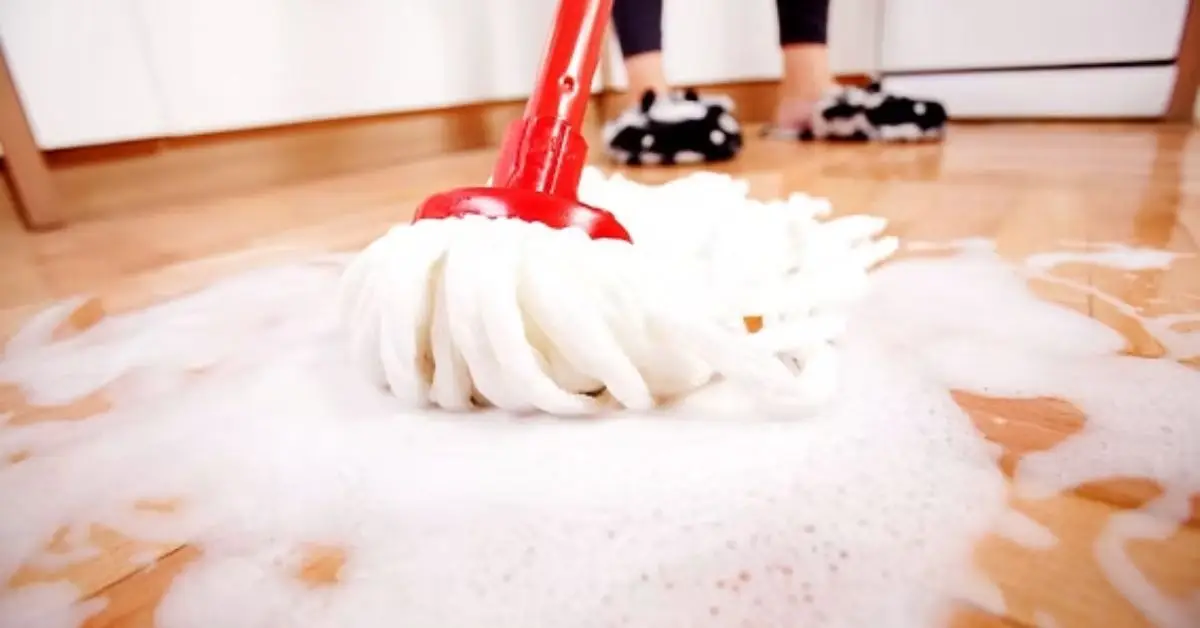
Here’s what happens when you overdo it:
- Residue buildup: Extra detergent or soap dries into a sticky layer that dirt clings to.
- Dull surfaces: Your counters, floors, or glass might look hazy or grimy after cleaning.
- Wasted money and effort: You’re spending more on cleaning products and scrubbing harder for the same—or worse—results.
- Air quality impact: Some chemical residues can release fumes or particles that linger indoors.
I found a great explanation of this on Breaking AC, where they show exactly how overusing cleaners can backfire.
What To Do Instead
Here’s how I handle it now, and you can too:
- Follow the recommended amount: Most products are formulated to work with a specific dose.
- Repeat short cycles: Clean in smaller sections rather than flooding everything with cleaner at once.
- Focus on technique: Sometimes scrubbing in circular motions or letting the product sit for a few minutes works better than using more soap.
This approach saves money, protects your surfaces, and even improves indoor air quality. Trust me—you’ll notice a difference after a few weeks of doing it right.
Myth 2 — “Vinegar and Baking Soda Are Universal Cleaners”
I get why this myth is everywhere. You see viral posts or DIY tips claiming vinegar and baking soda can clean everything—from your counters to your shower tiles. It sounds safe, natural, and inexpensive. You might have tried mixing them in every corner of your home. I did.
But “natural” doesn’t always mean harmless. Just because a hack goes viral doesn’t mean it’s the best way to clean.
The Hidden Damage
Here’s what I’ve learned about vinegar and baking soda:
- Vinegar: Its acidity can erode delicate surfaces like granite, marble, and some hardwood floors.
- Baking soda: While mild, it’s abrasive enough to scratch soft materials like aluminum, glass, or certain plastics.
- Combination risk: Mixing them might fizz and look fun, but it won’t necessarily improve cleaning—and can damage finishes over time.
For a clear explanation of these risks, check out Forbes’ guide on cleaning myths. They break down where these DIY solutions are safe—and where they’re not.
Smart Use Cases (Not Myths)
Instead of avoiding vinegar and baking soda completely, here’s how I now use them safely:
- Degreasing stovetops or kitchen surfaces: Vinegar helps cut through oil without harsh chemicals.
- Odor reduction: Baking soda works well in trash cans, refrigerators, and carpets.
- Drain maintenance: Pouring baking soda followed by hot water can help prevent clogs.
By understanding the limits, you get the benefits without harming your home. You don’t have to give up natural cleaners—you just have to use them wisely.
Myth 3 — “Bleach Cleans Everything”
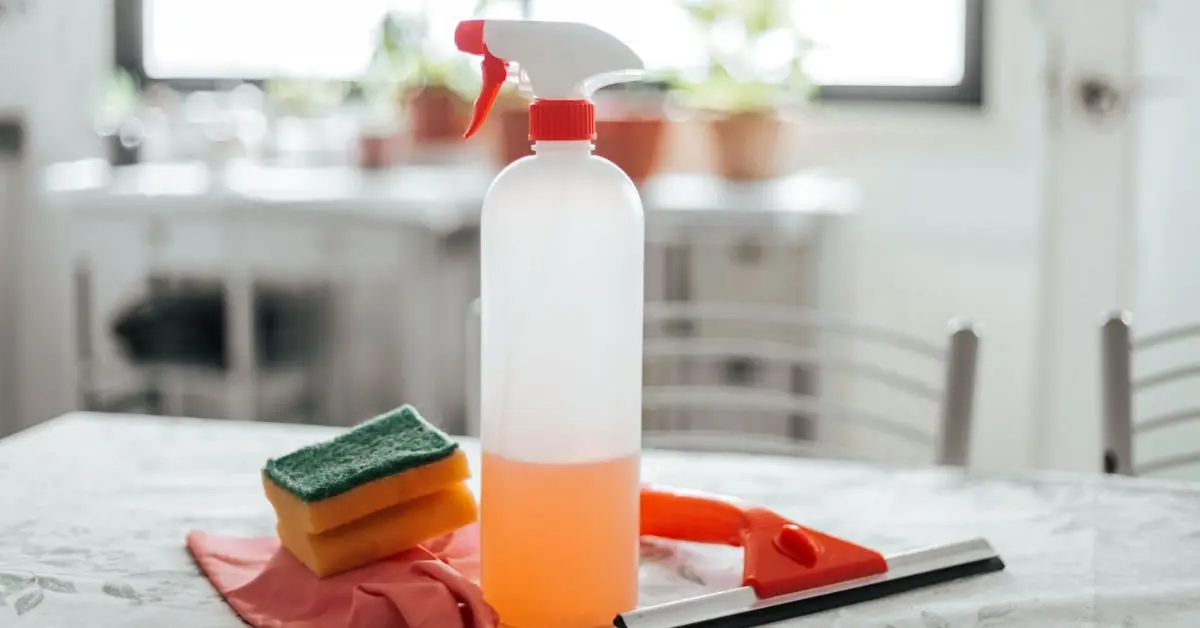
I used to think bleach was the ultimate cleaning hack—just pour it on, and everything would be spotless and germ-free. You might feel the same way. After all, bleach is advertised as a disinfectant powerhouse, so it’s easy to assume it handles every cleaning job.
But here’s the catch: bleach doesn’t remove grime. It only disinfects, which means dirt, grease, and residue remain on your surfaces even if germs are gone.
Why It Backfires
Overusing bleach or mixing it with other cleaners can cause more harm than good:
- Surface damage: Bleach can discolor fabrics, dull countertops, and corrode metals.
- Toxic fumes: Mixing bleach with ammonia or acidic cleaners releases harmful gases that are dangerous to breathe.
- False sense of cleanliness: You may think everything is sanitized, but the grime is still there.
Professionals at Amenify explain exactly why bleach alone isn’t enough and how many people misuse it without realizing the risks.
Better Alternatives or Correct Usage
Here’s how I handle bleach safely—and you can too:
- Limit it to non-porous surfaces: Countertops, sinks, or tiled bathrooms are okay; wood or fabrics are not.
- Consider gentler options: Hydrogen peroxide or alcohol-based sprays work well on delicate surfaces.
- Use it strategically, not liberally: A small amount goes a long way—don’t over-saturate. Just as using the wrong cleaner can damage surfaces, even something as simple as LED lights can cause unexpected issues—find out can LED lights catch fire in your home.
By following these guidelines, you can disinfect safely without harming your home or exposing yourself to unnecessary chemicals.
Myth 4 — “Newspaper and Random Cloths Give Streak‑Free Windows”
I remember reading old tips suggesting you could use newspaper or any cloth lying around to get streak-free windows. It sounded clever and cost-effective. You might have tried it too. But modern windows and surfaces aren’t the same as they were decades ago.
Why It Harms Your Home
Here’s what I discovered when I switched to proper tools:
- Ink stains: Newspaper can smear ink onto glass or frames, leaving marks you then have to clean again.
- Scratches and lint: Random cloths or paper towels often leave lint behind, or worse, scratch delicate glass.
- Wasted effort: You spend more time trying to fix streaks than actually cleaning.
What Tools Work Best
Here’s what I do now for streak-free windows every time:
- Microfiber cloths: Soft, absorbent, and reusable—perfect for glass and mirrors.
- Squeegee: Works best for large panes and sliding glass doors.
- Top-to-bottom cleaning pattern: Prevents drips from ruining sections you’ve already cleaned.
Using the right tools is a small change, but it completely transforms your cleaning results—and saves you from frustrating streaks and smudges.
Myth 5 — “Air Fresheners Eliminate Odors”
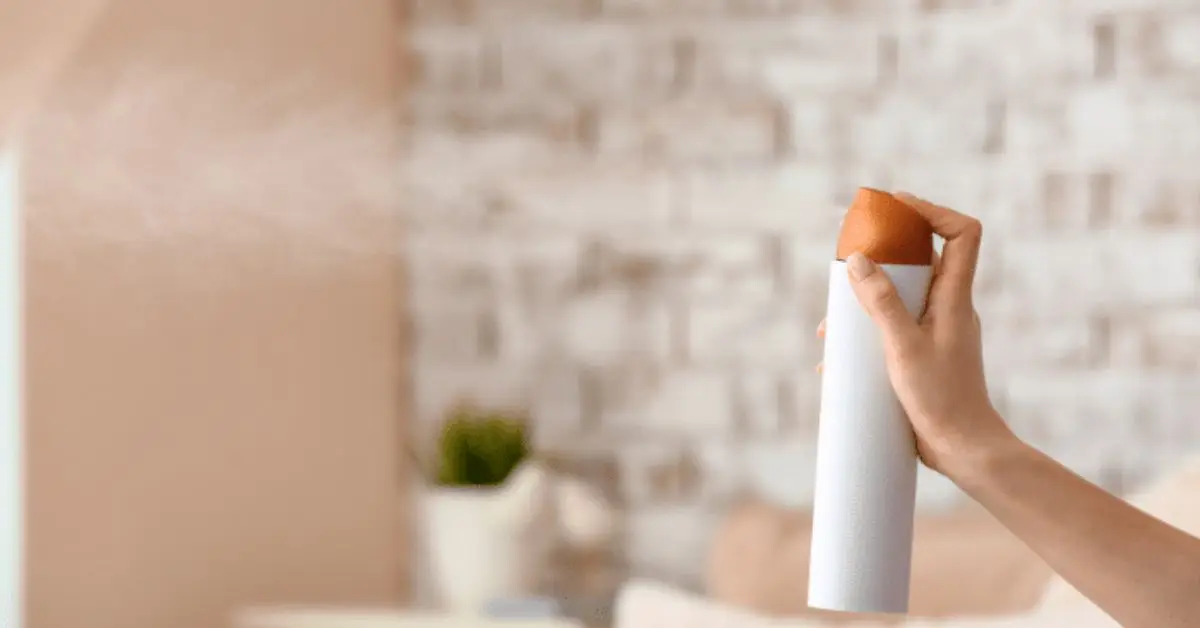
I used to think spraying air freshener would instantly make my home smell clean. You might have done the same—just a quick spritz and it feels like the room is fresh. It’s a simple trick, but here’s the reality: fragrance does not equal cleanliness.
Why It’s Misleading
Here’s what I learned after paying closer attention:
- Masks odors, doesn’t remove them: The underlying smell still lingers.
- Adds indoor pollutants: Some sprays introduce chemicals that can irritate the lungs or worsen air quality.
- Creates a false sense of cleanliness: You might think your home is clean because it smells nice, but germs and grime are still there.
Real Odor Elimination
Instead of relying on sprays, here’s what really works for me—and it can work for you too:
- Identify and remove the source: Dirty laundry, trash, or spills are the real culprits.
- Ventilate: Open windows, use fans, and encourage natural air circulation.
- Air purifiers and filters: HEPA filters and activated charcoal absorbers help remove particles and odors effectively.
Taking these steps creates a healthier, genuinely fresher environment—not just a temporary mask of fragrance.
Myth 6 — “Dusting and Surface Cleaning Is All You Need”
I’ve noticed many people, myself included, focus only on wiping surfaces or dusting, thinking that’s enough to keep a home clean. You might do the same after a busy day. But surface cleaning alone leaves a lot of hidden dirt behind.
Hidden Cleaning Zones Most People Miss
These are the areas I now pay extra attention to:
- High-touch spots: Light switches, fridge handles, remote controls, and door knobs.
- Appliances and tools: Vacuum filters, dishwasher strainers, and washing machine doors often accumulate dust and grime.
- Forgotten corners: Behind furniture, under sinks, and vents.
Ignoring these can lead to accumulated dust, allergens, and even bacterial buildup over time.
Layered Cleaning Approach
Here’s how I handle it to stay ahead:
- Dry prep first: Dust and vacuum to remove loose particles.
- Wet cleaning: Wipe surfaces, disinfect high-touch areas, and handle sticky spots.
- Schedule deep cleaning: Do a more thorough clean weekly or monthly instead of relying on quick surface wipes alone.
This layered approach keeps your home not only looking clean but actually healthier—and it prevents hidden dirt from piling up unnoticed.
Practical Cleaning Routine Checklist
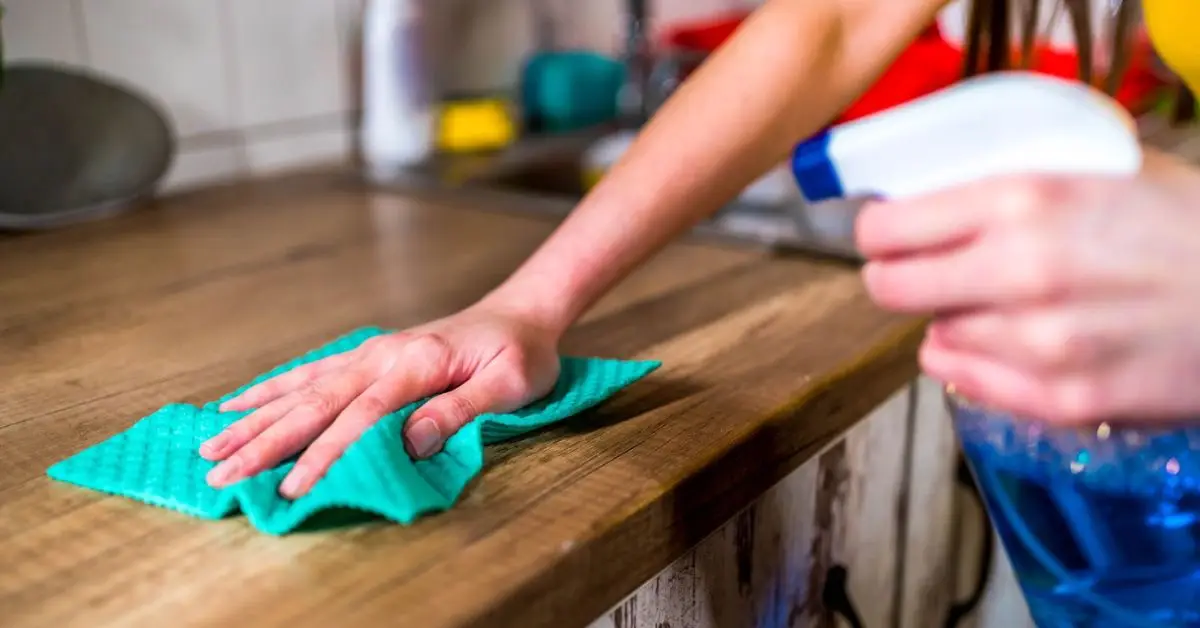
I’ve found that having a clear routine takes the stress out of cleaning and actually makes it easier to keep your home consistently fresh. Here’s what works for me, and you can adapt it for your space:
- Daily:
- Quick wipe of kitchen counters and bathroom surfaces
- Pick up clutter and do a fast sweep of high-traffic areas
- Weekly:
- Vacuum and mop floors
- Wipe down frequently touched surfaces with a microfiber cloth
- Refresh garbage bins and replace liners
- Monthly:
- Deep clean appliances like the oven, fridge, and dishwasher. If you’re tackling deep cleaning tasks like ceilings or high surfaces, these 7 simple steps to clean your popcorn ceiling without making a mess can make the process much easier.
- Wash windows and mirrors
- Rotate or clean air filters if needed
- Seasonal:
- Declutter closets and storage areas
- Wash curtains, rugs, and cushions
- Inspect and clean vents, ceiling fans, and behind large furniture
Tools & Products Worth Investing In
To make all of this easier, here are the items I swear by:
- Microfiber cloths – soft, reusable, and lint-free
- Squeegee – perfect for streak-free windows and mirrors
- EPA‑approved disinfectants – for safe, effective germ control
Having the right tools and a structured schedule turns all the myth-busting advice into a doable plan, making cleaning less stressful and more efficient.
Wrap-Up Summary
Not all cleaning wisdom is good, and following myths can actually make your home dirtier or damage surfaces. The key is to:
- Use the correct tools for each surface
- Apply the right amount of products—not more
- Understand what each cleaning product is actually doing
When you focus on these basics, cleaning becomes smarter, safer, and more effective.
I’d love to hear from you—what cleaning myth did you fall for, and what changed your routine? Share your experience in the comments below!
And if you want more practical home care tips and step-by-step guides to make your spaces look and feel refreshed, visit Build Like New for detailed advice and expert recommendations.
Disclaimer: The information in this article is for general cleaning guidance and educational purposes only. Results may vary depending on your home, surfaces, and products used. Always follow product instructions and exercise caution when using chemicals or cleaning tools.