6 Ways to Transform Your Cold Basement Into a Cozy Winter Space
I’ve spent more winters than I can count shivering in a basement that feels more like a cave than a cozy part of my home. If you’ve ever walked down there and felt that icy chill sink into your bones, you know exactly what I mean. Cold basements aren’t just uncomfortable—they can make you avoid using the space entirely, waste energy, and even create moisture problems that sneak up on you over time.
The good news? Warming up your basement in winter doesn’t have to be a guessing game or a massive renovation. Over the years, I’ve tested simple fixes and smarter upgrades that actually work—things that go beyond the usual “put down a rug” advice you see everywhere online. In this article, I’ll walk you through six proven ways to stop your basement from feeling freezing cold, using real solutions you can implement today. By the end, you’ll not only feel the difference in temperature but also gain strategies that make your basement a space you actually want to use.
1. Seal Air Leaks and Drafts Before Anything Else
Before you spend a dime on heaters or insulation, let’s tackle the easiest, quickest win: stopping cold air from sneaking in. You’ll be surprised how much difference a few well-placed seals can make.
Target Rim Joists, Windows, and Doors
These are the usual suspects when it comes to cold air infiltration. Rim joists, in particular, are easy to overlook but often the biggest culprits. You want to make sure every seam, corner, and crack is sealed. This prevents heat from escaping and keeps the room feeling balanced instead of icy patches popping up everywhere.
Weatherstripping and Spray Foam
Sometimes, the simplest tools give the biggest results. Weatherstripping around doors and windows, combined with a bit of spray foam in gaps and cracks, can make a noticeable difference—even on a tight budget. I’ve used this method myself, and it’s amazing how quickly the basement starts to feel warmer.
For a practical guide on sealing air leaks effectively, I personally trust Aire Serv’s tips on keeping your basement warm in winter, which show exactly where to focus and what materials work best.
2. Insulate Basement Walls, Floors, and Joists
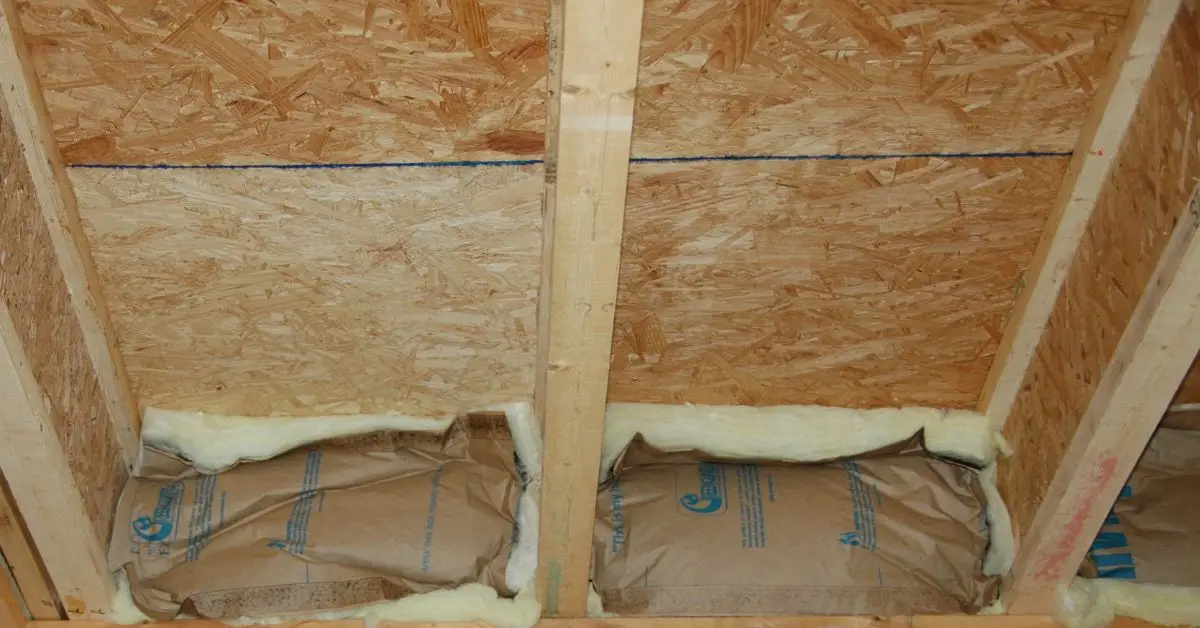
Once you’ve sealed all the drafts, insulation is the next step. It’s easy to think “walls only,” but where you place insulation really matters for keeping your basement warm.
Wall Insulation With Rigid Foam or Batts
Adding rigid foam panels or batt insulation to your basement walls forms a barrier between the cold ground and your living space. I’ve noticed that just insulating the walls can raise the temperature noticeably, especially near exterior walls where the chill sneaks in the most.
Insulate Floors and Between Floor Joists
Don’t overlook the floors and the spaces between joists. Heat naturally rises, and without insulation here, your warm air can escape to the ceiling below or the cold floor above. Even a thin layer can make the basement feel more balanced and comfortable. If you want a full step-by-step breakdown before starting, I’ve explained everything in detail in my guide on how to insulate a basement properly — including materials, cost ranges, and common mistakes to avoid.
For a detailed, practical guide on choosing the right insulation and installation tips, I recommend checking HVAC.com’s guide on basement insulation. They explain exactly which materials work best and how to avoid common mistakes.
3. Add Permanent or Supplemental Heating Sources
Sealing and insulating go a long way, but sometimes your basement still needs an actual heat source to feel cozy. The trick is balancing cost, efficiency, and safety.
Extend Existing HVAC to the Basement
If your furnace or central heating system can reach the basement, adding ductwork or adjusting vents is a game-changer. It gives you consistent warmth without relying solely on space heaters. I’ve done this in my own home, and it transformed the basement from “cold storage” to a usable space.
Radiant Floor Heating and Baseboard Heaters
For long-term warmth, radiant floor heating or electric/baseboard heaters provide uniform heat across the entire room. They’re a bigger upfront investment but pay off if you want the basement to feel cozy year-round.
Safe Space Heaters for Short-Term Warmth
Portable heaters are great for quick fixes or small areas, but always follow safety guidelines—keep them away from water, and don’t leave them unattended. Homeowners on Reddit share some clever setups for targeted warmth without risking anything.
For more tips on supplemental basement heating and practical installation ideas, I suggest looking at Estes Services’ guide to basement heating solutions. They break down cost-effective options and long-term strategies.
4. Improve Flooring and Window Treatments for Heat Retention
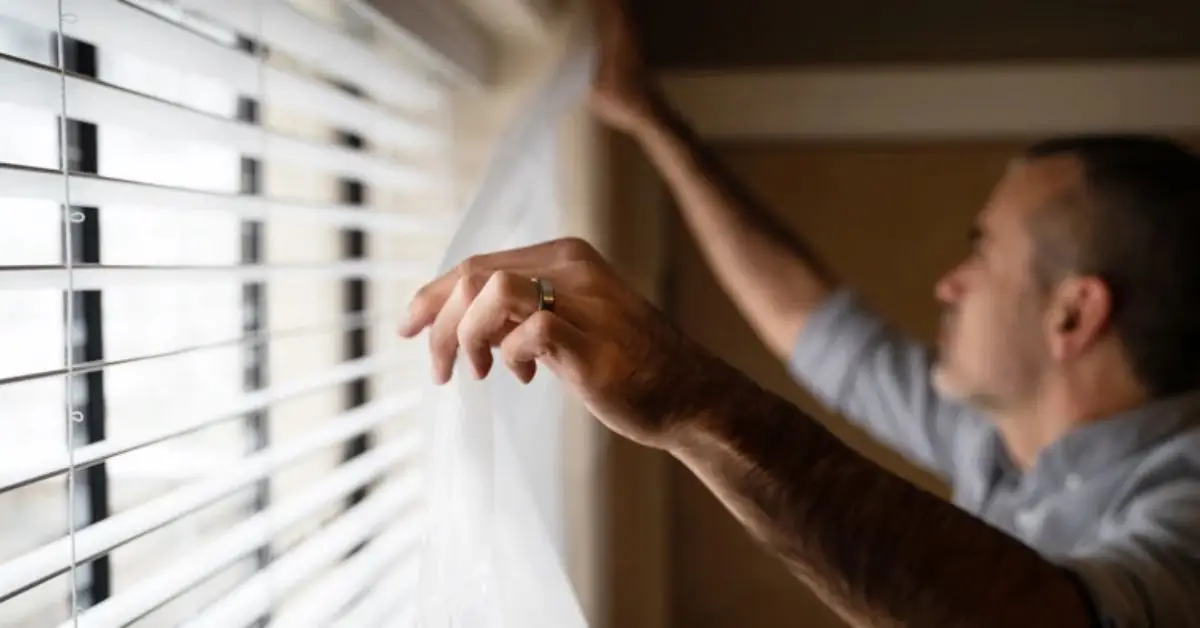
Sometimes the basement isn’t technically freezing — it just feels freezing. That feeling usually comes from cold floors and drafty windows.
Small upgrades here can instantly change how comfortable the space feels, even if the thermostat doesn’t move much.
Area Rugs, Carpets, and Thermal Curtains
Cold concrete floors pull heat right out of your feet. I’ve seen basements feel 10 times warmer just by adding thick area rugs or wall-to-wall carpet.
Here’s what works best:
- Thick area rugs with padding underneath
- Carpet tiles if you want something modular
- Thermal or insulated curtains for basement windows
- Draft-blocking curtains over basement doors
Rugs slow down heat transfer from the cold slab below. Curtains trap warm air inside instead of letting it escape through glass.
It’s not about decoration. It’s about comfort.
Consider Window Film or Double-Pane Upgrades
Basement windows are often older and poorly insulated. Even if they’re small, they leak heat.
You can:
- Apply insulating window film (budget-friendly)
- Upgrade to double-pane windows (long-term solution)
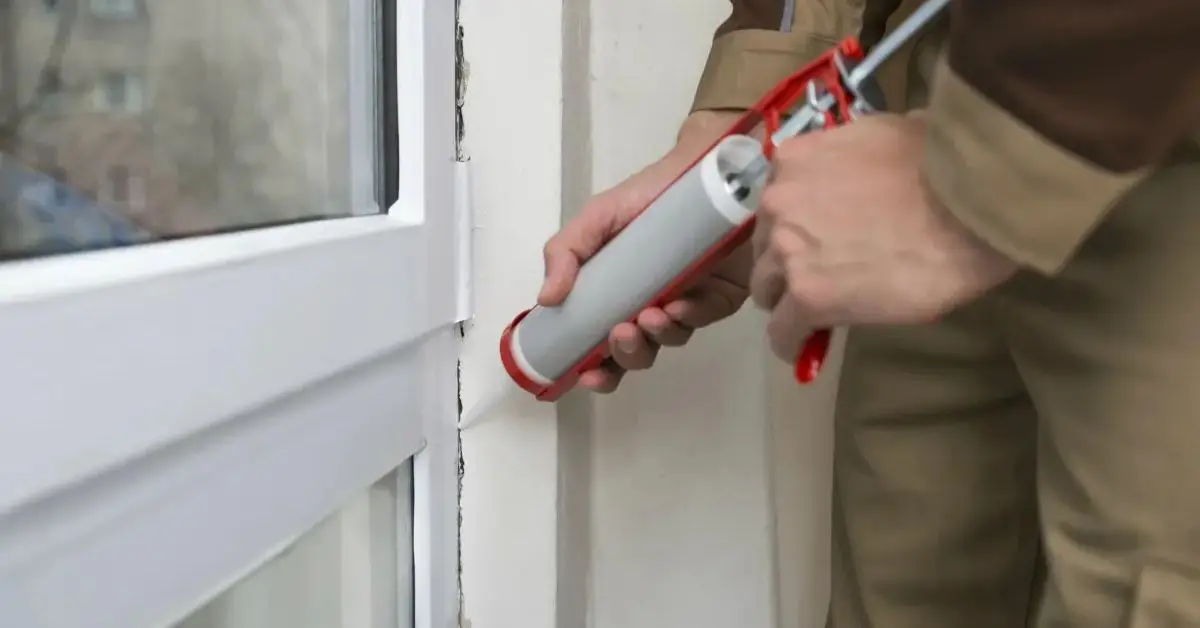
- Seal window frames with caulk
Heat loss at windows is one of the most overlooked reasons basements stay cold. Fixing that weak point makes every other heating effort more effective.
5. Control Moisture and Humidity for Better Warmth
Here’s something most articles don’t explain clearly: damp air feels colder than dry air.
I’ve walked into basements that were technically 65°F but felt icy because of humidity. Once the moisture was under control, the same temperature felt comfortable.
Here’s what I recommend:
- Use a dehumidifier sized properly for your basement square footage
- Make sure downspouts push water away from your foundation
- Check for cracks and add waterproof barriers if needed
- Seal foundation leaks early
When air is dry, your body retains heat better. When it’s damp, that chill sticks to you.
If your basement feels clammy and cold at the same time, humidity is probably part of the problem. And if you’re noticing a musty odor along with that damp feeling, I’ve shared 11 proven basement habit fixes that instantly make it smell fresh again — because smell and moisture almost always go together.
6. HVAC Optimization and Airflow Tricks Many Homeowners Miss
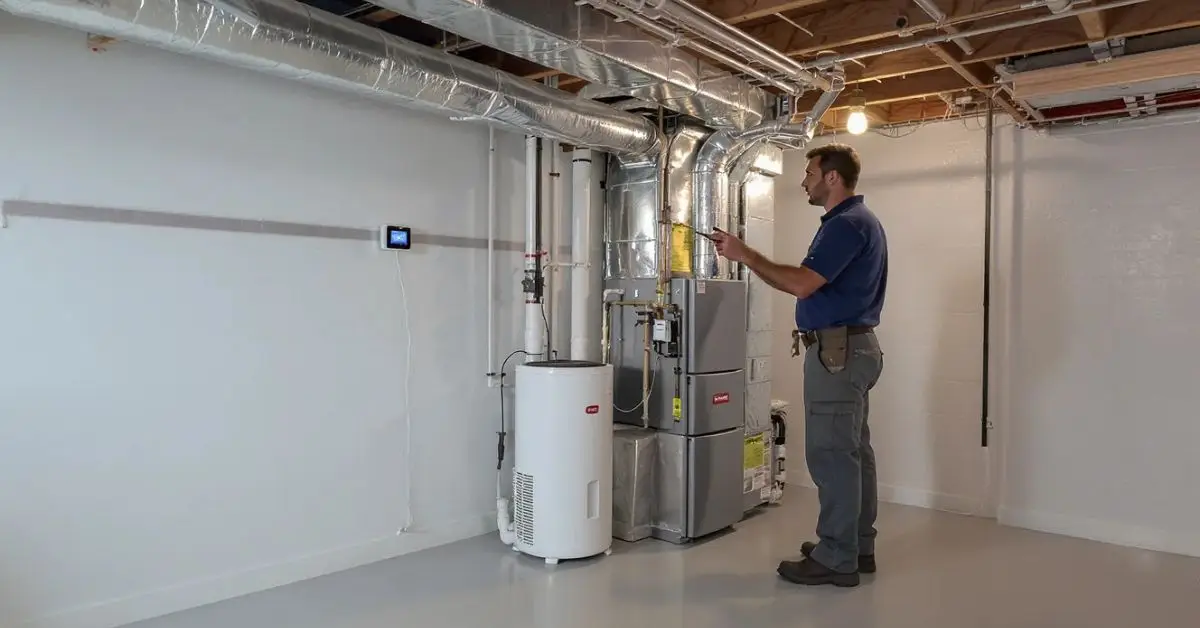
This is where things get interesting.
Homeowners often think their HVAC system “just doesn’t heat the basement.” In reality, it’s usually an airflow issue.
Run the Furnace Fan Continuously to Circulate Warm Air
Instead of setting your system to “Auto,” try running the fan continuously during cold spells.
Why this works:
- It mixes warm air from upstairs with cooler basement air
- It prevents cold pockets from forming
- It creates more consistent temperature balance
It’s a simple tweak, but I’ve seen it make a noticeable difference within hours.
Adjust Ductwork and Vents for Basement Bias
Most systems prioritize upper floors. If you want your basement warmer, you may need to shift airflow intentionally.
You can:
- Slightly close some upstairs vents to push more heat downstairs
- Add or adjust basement supply vents
- Install a cold air return in the basement
When warm air actually circulates properly, the space stops feeling like an afterthought.
Bonus: Safety and Cost Considerations for Winter Basement Heating
Before you start plugging in heaters or installing new systems, let’s talk real-world safety and budget.
Carbon Monoxide and Space Heater Safety
If you’re using space heaters:
- Never leave them unattended
- Keep them away from water and flammable materials
- Avoid extension cords
- Install carbon monoxide detectors if using fuel-based heating
Basements can trap gases more easily than open living areas. Safety isn’t optional.
Budget Comparison: What Costs What?
Here’s a rough breakdown so you can plan smart:
- Weatherstripping and sealing: Low cost
- Insulation upgrades: Moderate investment
- Radiant floor heating: Higher upfront cost
- HVAC duct adjustments: Moderate but high impact
If you plan to use your basement regularly — office, gym, living area — investing in insulation and proper heating gives long-term return through comfort and energy efficiency.
If it’s occasional use, smaller fixes may be enough.
Now I’m curious — what’s your basement currently used for? Storage, workspace, living area? That answer changes which solution will give you the biggest impact.
Quick Troubleshooting Checklist (Printable / Scan List)
If you’re standing in your basement right now wondering where to start, use this quick scan. I like simple checklists because they turn overwhelm into action.
Go step by step:
Air Leaks
- Check around basement windows for drafts
- Feel for cold air around rim joists
- Inspect door frames and thresholds
- Seal visible cracks with caulk or spray foam
Insulation
- Are exterior walls insulated?
- Are rim joists insulated?
- Is there insulation between floor joists?
- Does the basement ceiling feel noticeably colder than upstairs floors?
Moisture
- Does the basement feel damp or musty?
- Is a dehumidifier running consistently?
- Are gutters and downspouts directing water away from the foundation?
Heating & Airflow
- Is warm air actually reaching the basement vents?
- Have you tried running the furnace fan continuously?
- Are upstairs vents stealing most of the airflow?
- Is a safe supplemental heater needed?
If you check more than three boxes, your basement doesn’t need “one fix.” It needs a layered approach. And while you’re evaluating things, it might also help to review 11 basement items you should throw out today — clutter, old boxes, and unused items can quietly trap moisture and block proper airflow.
Start with sealing. Then insulation. Then airflow. Then heat.
That order matters.
Closing Note: When to Call a Professional HVAC or Insulation Expert
I’m a big fan of smart DIY work. But I’m also honest about limits.
Call a professional if:
- Your HVAC system can’t handle additional ductwork
- You suspect structural insulation issues
- You notice mold or ongoing moisture problems
- Your basement stays below 60°F even after sealing and insulating
- You’re considering radiant floor heating installation
Some upgrades look simple but can affect airflow balance, electrical safety, or long-term energy efficiency. A quick professional evaluation can save you from wasting money on the wrong solution.
At the end of the day, your basement shouldn’t feel like a cold storage room. It should feel like usable space.
Now I’d love to hear from you.
What’s the biggest issue in your basement right now — drafts, dampness, or just poor heating? Drop a comment and tell me what you’ve tried so far.
And if you want more practical, no-fluff home improvement strategies like this, visit Build Like New. I break things down the way I’d explain them to a smart friend — clear, honest, and built to actually work.
Disclaimer: This guide is for informational purposes only and is based on general home improvement best practices. Every basement and HVAC system is different. Before making structural, electrical, or heating modifications, consult a licensed professional. Always follow local building codes and safety guidelines when working with insulation, heating equipment, or power tools.