6 Easy Ways to Make Your Home Feel Like You Without Spending More Money
I’ve seen this happen a lot: a home can look put-together, clean, even stylish—and still feel oddly empty. Not unfinished. Just not yours. Most people assume the fix is buying new decor, following trends, or copying a room they saw online. That’s usually where things go wrong.
After years of studying how people actually live in their homes, I’ve learned this truth the hard way: personality doesn’t come from what you buy. It comes from what you do with what you already have. The habits you repeat every day matter far more than the decor you add once.
If your space feels generic, it’s rarely because you’re missing something. It’s more often because your home isn’t reflecting your routines, memories, or real life. And that’s good news—because it means you don’t need a shopping list to fix it.
In this guide, I’ll walk you through simple decorating habits that make a home feel more you—no new decor required. These are small shifts I’ve seen make a big emotional difference, especially for people who want their home to feel personal, not staged.
Before we dive in, let me ask you something: when you walk into your home at the end of the day, does it actually feel like you live there—or could it belong to anyone?
Why Your Home Might Not Feel Personal Right Now
I see this all the time—homes that look “done” but don’t feel lived in. The furniture fits. The colors work. Nothing is technically wrong. And yet, something feels off the moment you sit down.
If this sounds familiar, it’s usually not a decor problem. It’s a habit problem.
Most homes end up in a functional-first setup. You move in, place the couch where it fits, hang neutral art, and stop once everything works. The space does its job, but it doesn’t say anything about you.
A few common reasons your home might feel generic right now:
- You set things up once and never revisited them
- Your choices were driven by trends, not personal meaning
- Surfaces are either empty or filled with random items that don’t connect
- Nothing in the room tells a story about your life, interests, or memories
Sometimes a space feels off simply because important areas are poorly used—like when everyday items are hidden in places they don’t belong, such as storing the wrong things under your kitchen sink instead of where you can actually access them.
I’ve read countless real-life conversations where people describe their homes as feeling like they “just moved in”—even years later. Not because they lack style, but because their space never evolved with them.
Before changing anything, this section matters because it helps you spot the real issue:
your home may look designed, but it hasn’t been personalized yet.
Habit 1: Live With What Matters — Display Meaningful Items You Already Own
Here’s where personalization actually starts—and no, it’s not with shopping.
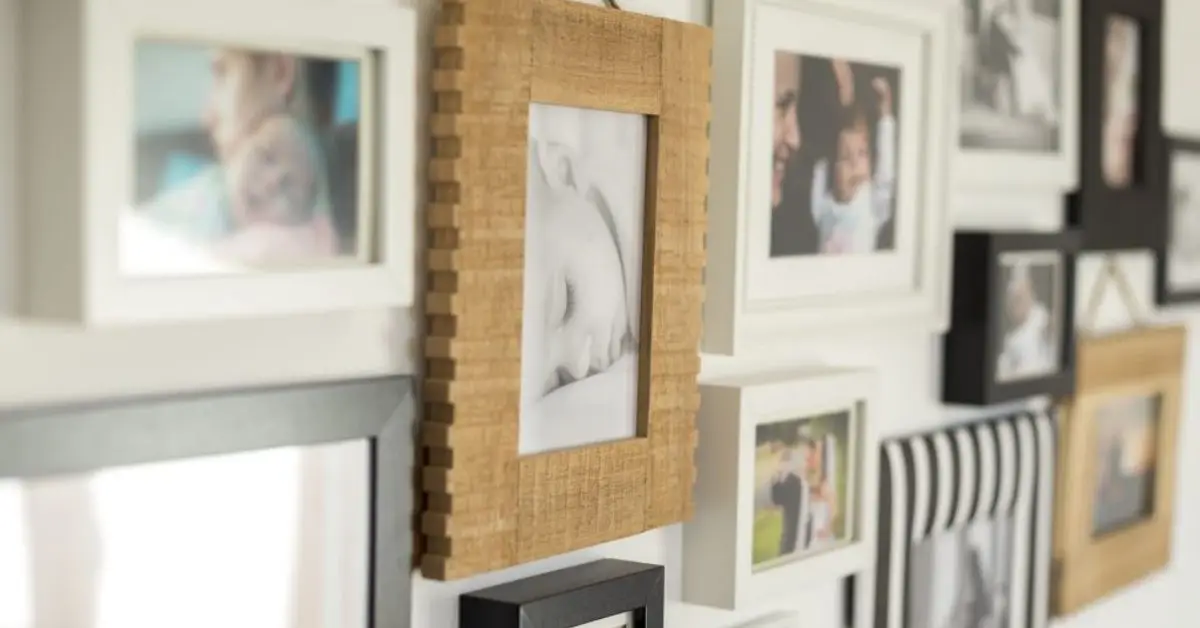
Every home already contains personal items. The problem is they’re often hidden away in drawers, boxes, or forgotten shelves. When I help people rethink their space, the biggest shift happens when they stop decorating for guests and start living with what matters to them.
According to advice shared by The Spruce, sentimental items are what make a home feel authentic—not trendy accents or matching sets. That lines up exactly with what I’ve seen in real homes.
Think about items you already own that mean something to you:
- Photos that remind you of a specific moment, not just a pose
- Travel pieces that bring back a feeling, not just a destination
- Objects tied to your hobbies, work, or achievements
- Family items that carry history, even if they’re imperfect
When you bring these into your everyday view, something changes. The room stops feeling staged. It starts feeling lived in.
This habit matters because emotional connection beats visual perfection every time. A space filled with meaning feels warmer, more grounding, and unmistakably yours—even if nothing matches.
Habit 2: Curate, Don’t Add — Group and Highlight What You Have
Once meaningful items are out, the next mistake I see is putting them everywhere.
Personal doesn’t mean cluttered. And it definitely doesn’t mean scattering objects across every surface.
Instead, I encourage you to curate, not add. This means creating small, intentional groupings that tell a story—what designers often call vignettes.
Here’s how to do it in a simple, no-overthinking way:
- Choose one surface at a time (shelf, table, dresser)
- Limit each grouping to 3–5 related items
- Mix sizes and textures, but keep a shared theme (memory, place, interest)
- Leave empty space around the grouping so it feels intentional
When you group items this way, you give them importance. You’re telling your brain, “These things matter.”
When you start curating instead of adding, systems like using FIFO to organize your home properly make it much easier to see what you already own—and actually use it.
This habit is important because most articles tell you what to display—but not how to display it without creating mess. Curation is what turns personal objects into a clear visual identity instead of noise.
Now I’m curious—when you look around your space, which meaningful item do you already own but never actually see every day?
Habit 3: Adjust Everyday Details That Make a Big Impact
This is where most people underestimate their home.
They focus on how it looks and forget how it feels. But the truth is, your brain connects to a space through daily sensory cues—not decor labels.
I’ve seen so many real-life stories where people said their home finally felt “right” after they stopped buying things and started tweaking how they used the space. Simple changes. Zero spending.
Here’s what that actually looks like in everyday life:
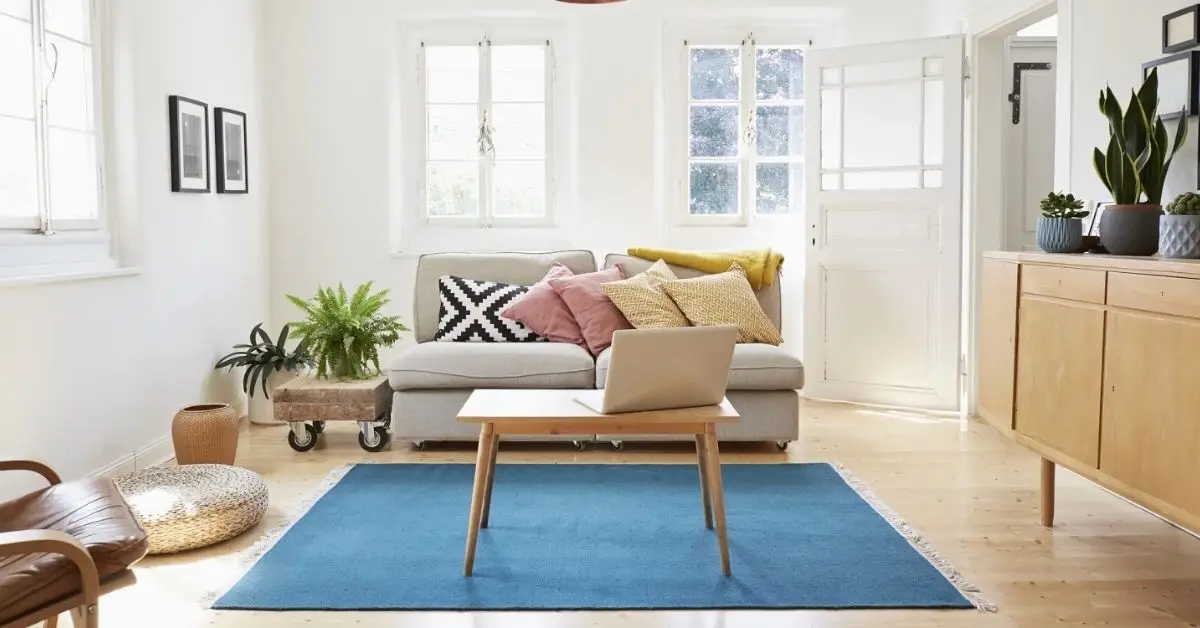
- Slightly rearranging furniture so conversation and movement feel easier
- Turning off harsh overhead lights and relying more on lamps at night
- Using a familiar scent that feels calming or nostalgic
- Playing background music that matches your mood, not the room style
None of this shows up in product roundups. But these habits quietly change how you experience your home.
People often share on Reddit how these small shifts made their place feel warmer almost overnight—like the space finally adjusted to them, not the other way around.
This habit matters because personalization isn’t visual first. It’s emotional. Once your space supports how you relax, focus, or unwind, it stops feeling generic—even if nothing “new” is added.
Habit 4: Re-Frame Walls and Shelving with What You Love
Blank walls are one of the biggest reasons a home feels temporary.
Not empty—temporary.
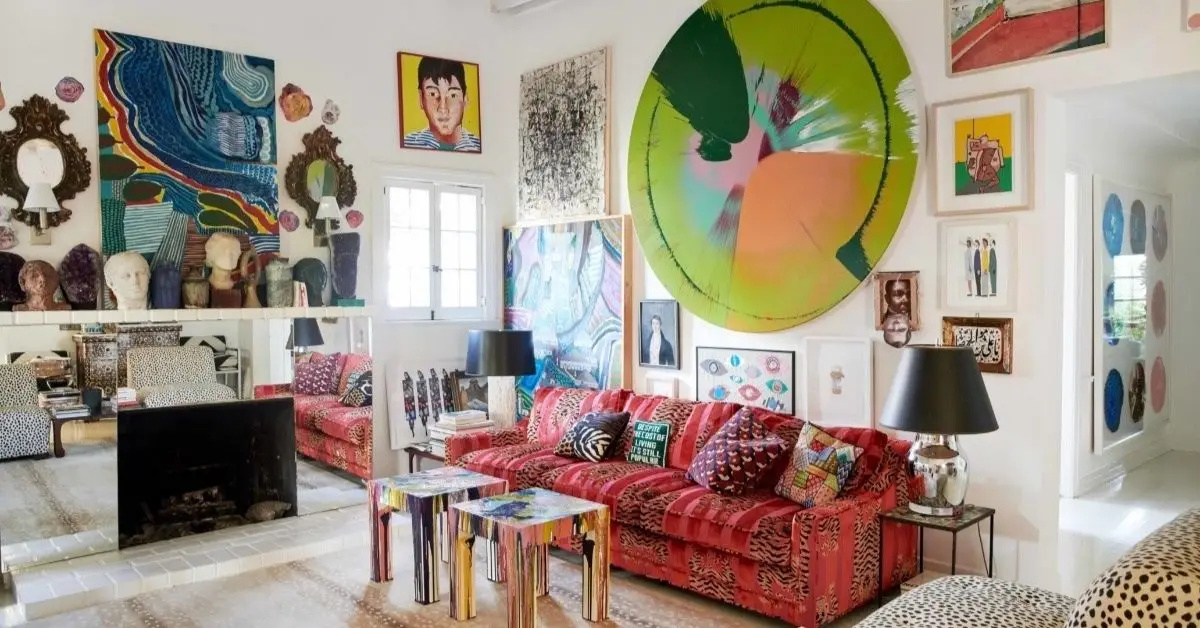
I’ve noticed that when walls only hold neutral art or nothing at all, the space doesn’t claim an identity. The fastest way to change that isn’t buying art—it’s reframing what already matters to you.
Instead of thinking “What should go here?” try asking, “What do I already love?”
That could be:
- Photos tied to real moments, not perfect poses
- Art you’ve kept for years because it still feels right
- Objects from places that shaped you
- Collections that reflect your interests, even if they’re small
Lifestyle experts at The Everygirl often point out that personal photos and meaningful objects do more for a home than trendy wall decor—and they’re right. These pieces act like visual fingerprints. No one else’s home looks the same.
This habit is important because walls and shelves are what you see every day. When they reflect your memories and interests, your home stops feeling borrowed and starts feeling owned.
Let me ask you this: if someone walked into your home today, what would your walls quietly tell them about you?
Habit 5: Let Your Space Evolve — Don’t Force a Look Overnight
One of the biggest mistakes I see is trying to “finish” a home too fast.
I get it. You want your space to look pulled together. But when everything is decided at once—matching colors, matching styles, matching timelines—the home often ends up looking polished but empty. Like it skipped the living part.
Your taste isn’t static. Neither is your life. And your home should reflect that.
I always tell people to stop asking, “Does this go with my space?” and start asking, “Do I still like this?”
Here’s what letting your space evolve actually looks like:
- Keeping items that still feel right, even if they don’t match everything else
- Allowing rooms to change as your routines and priorities change
- Adding pieces slowly, based on experiences—not trends
- Letting go of the pressure to have a “final version” of your home
This becomes especially helpful after busy seasons—taking time to declutter after the holidays allows your home to reset naturally instead of forcing rushed changes.
Design experts at Design Related consistently point out that the most personal spaces are built over time, not styled in a weekend. That’s because meaning comes from lived experience, not mood boards.
This habit matters because it removes the pressure to decorate perfectly. When you stop chasing a finished look, you give your home permission to grow with you—and that’s what makes it feel real.
Habit 6: Tune Your Home to How You Actually Live
This is where personalization becomes undeniable.
A home can look beautiful and still feel wrong if it doesn’t support your daily life. I’ve walked into many homes where everything looks great, but nothing feels easy.
Personalization clicks when your space works with you, not against you.
Instead of designing for how a room should look, design for how you actually use it:
- Create a reading corner where you naturally unwind
- Set up a plant spot where you already get good light
- Keep music, books, or hobbies where you use them most
- Arrange seating based on how you relax, not how it photographs
When your home reflects your routines, it starts to feel intuitive. Comfortable. Familiar.
This habit is important because it goes beyond surface style. It builds emotional comfort through function. And that’s something most generic decorating lists miss completely.
So here’s something to think about: If you redesigned just one corner of your home around how you actually live—not how it’s supposed to look—what would you change first?
Practical Checklist: 6 Daily Decorating Habits for Authentic Personalization
By now, you’ve probably realized this isn’t about changing your home—it’s about changing how you use it.
I like to end with a simple checklist because these are habits you can come back to anytime. No shopping. No pressure. Just small, intentional choices that add up over time.
You can scan this, save it, or even screenshot it.
Ask yourself regularly:
- Does this room reflect how I actually live right now?
- Have I displayed at least one item that has personal meaning to me?
- Are my favorite things visible—or hidden away?
- Does my lighting support how I relax, work, or wind down?
- Have I edited what no longer feels like me instead of adding more?
- Does my space feel comfortable to me, not just presentable to others?
If you’re nodding along to even a few of these, you’re already personalizing your home the right way.
Why Personalization Matters for Your Well-Being
A personalized home does something subtle but powerful—it makes you feel safe being yourself.
When your space reflects your routines, memories, and preferences, it becomes more than a backdrop. It becomes a place where you can reset, breathe, and feel understood without saying a word.
I’ve seen how even small changes can shift someone’s mood, confidence, and sense of belonging. Not because the home looks better—but because it feels right.
Your home should support you on hard days, not impress people on good ones.
Before you go, I’d genuinely love to hear from you:
- Which habit felt the most relatable?
- What’s one small change you’re planning to try this week?
Drop your thoughts in the comments, and if you’re building a home that feels more you—one habit at a time—you’ll feel right at home at Build Like New too.
Disclaimer: This article is for general inspiration and informational purposes only. Personalization is subjective, and what works for one home may not work for another. Always adapt ideas to your own space, lifestyle, and comfort—there’s no single “right” way to make a home feel personal.