Don’t Donate These 6 Things Without Thinking Twice
I’ve donated my fair share of things over the years—clothes, kitchen gadgets, old furniture—and most of the time, it felt like a small victory. You know the kind: your closet looks cleaner, your home feels lighter, and you get that warm “I’m helping someone” feeling. But then there were the times I opened a drawer or walked past a shelf and thought, “Wait… why did I give that away?”
It turns out, I’m not alone. Plenty of homeowners regret donating items they thought were harmless or replaceable. Some of these regrets come from discovering a hidden value, others from missing the emotional significance, and a few from realizing the item ended up in the trash instead of helping anyone. In this article, I want to walk you through six common things homeowners often donate—and why you might pause before sending them off. You’ll also get practical tips to avoid that sinking feeling later.
1. Antiques & Collectibles You Didn’t Realize Were Valuable
You might think that old plates or that dusty silver tray are just “clutter,” but trust me, some items have a hidden value that’s easy to miss. I’ve seen friends donate family silverware sets or vintage coins, only to realize years later that they could have been worth a small fortune.
Before you box anything up, take a moment to check if your items might be collectibles. Some common examples include:
- Sterling silver, vintage dishware, or old coins — even a single silver spoon or a mismatched plate from the ’50s can fetch a good price.
- Collectible toys, vinyl records, or media — that old action figure or record you grew up with might be highly sought after by collectors.
One of my neighbors shared a story on Reddit about donating a complete set of vintage dishes, only to find the same set listed online for hundreds of dollars a few weeks later. It’s a harsh reminder to pause before assuming something has no value. If you want a deeper look at commonly overlooked valuable donations, check out Better Homes & Gardens’ guide on items you might regret donating.
2. Belongings with Emotional Value You Might Miss
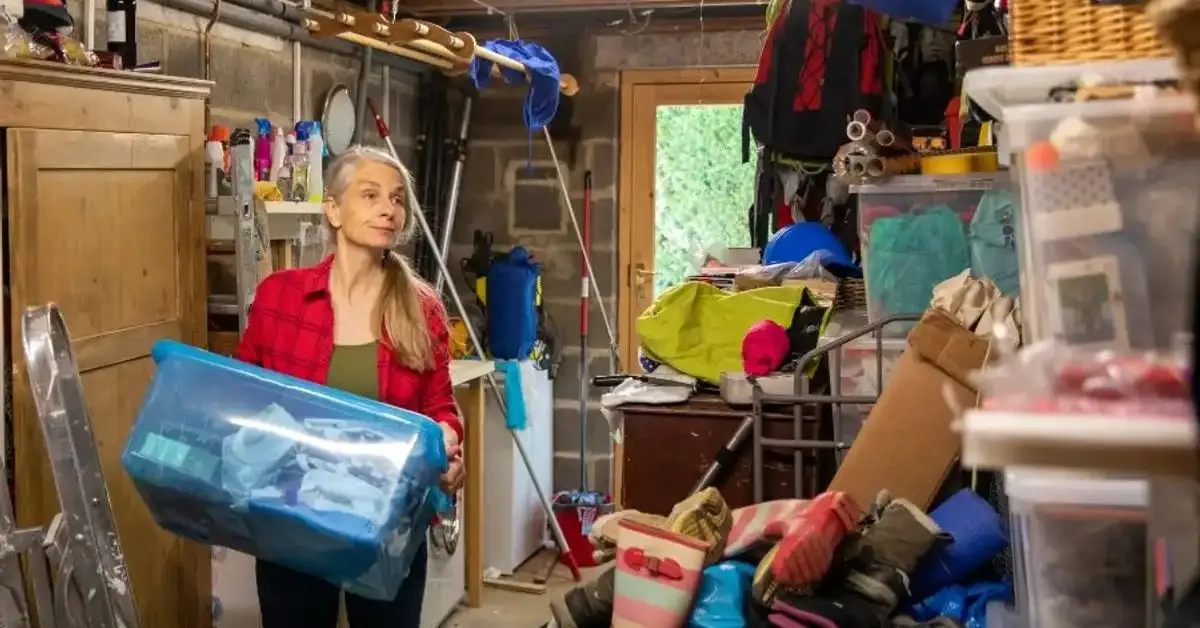
Here’s something I’ve learned the hard way: sentimental attachment isn’t always obvious until an item is gone. You might donate a sweater, a piece of jewelry, or a framed photo thinking it’s just taking up space—but later, that small object can carry a flood of memories.
Some things I’ve regretted—or seen others regret—include:
- Clothing from milestones — wedding dresses, graduation jackets, or even a first baby outfit.
- Gifts, souvenirs, or family heirlooms — anything that reminds you of a person, place, or special moment.
I once saw a Reddit thread where someone donated their grandmother’s handmade quilt. At the time, it seemed like just another blanket. Weeks later, they shared the regret and the longing to have kept it, because it held more than warmth—it held family history.
3. Practical Items Better Kept, Sold, or Repurposed
Sometimes, the things we donate aren’t priceless antiques or heirlooms—they’re everyday items that still have real value, either financially or practically. I’ve learned the hard way that even simple kitchen gadgets or small appliances can come back to haunt you if you give them away too quickly.
Here are a few examples to think twice about:
- Small appliances, kitchen gadgets, complete tool sets — blenders, mixers, power drills, or sewing machines often still work perfectly but get tossed at donation centers.
- Electronics in working condition but outdated — old gaming consoles, smartphones, or speakers might seem obsolete, but they can have resale value or be useful to someone else in your circle.
Before you drop these off at a charity, consider resale options. Platforms like eBay, Facebook Marketplace, or local buy/sell groups are great ways to find a new home for your items—and sometimes even recoup a little cash. If you want to see other items professional organizers rarely keep and always donate, you might find this guide really useful. I’ve sold old kitchen appliances online and ended up making a tidy sum while keeping the item out of a landfill.
4. Donations That Never Actually Help Anyone
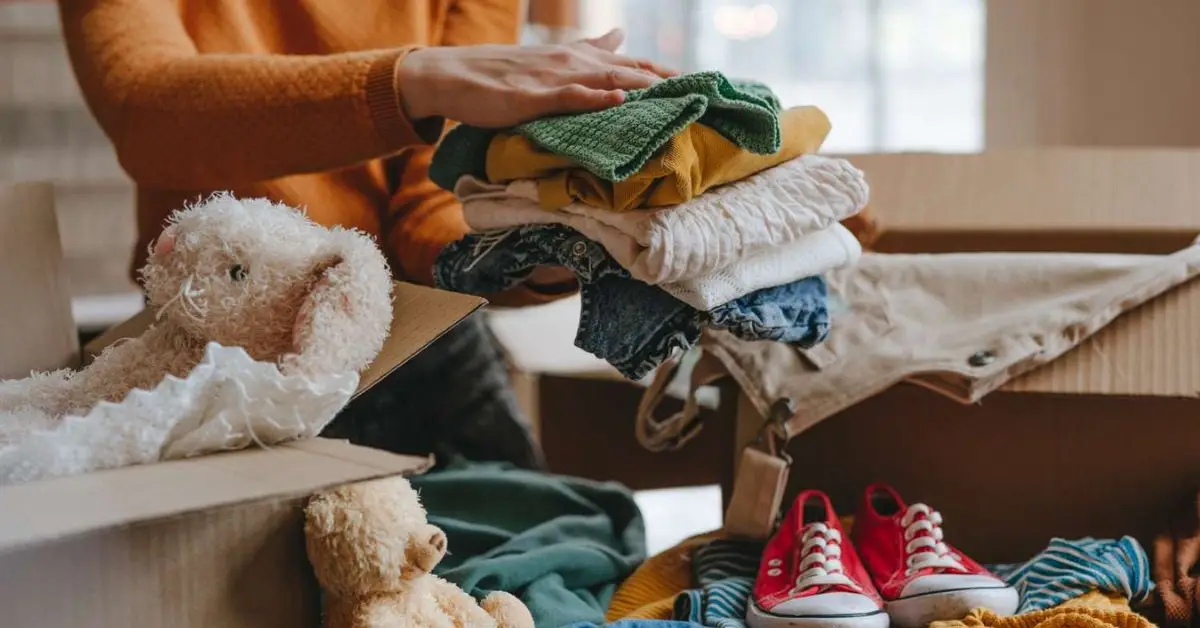
Not everything we donate ends up benefiting someone in need, and that’s a reality I wish I had understood sooner. Some items are rejected outright by charities or end up being thrown away, which can leave you with that “oops” feeling.
Common examples include:
- Unsafe or unaccepted items — mattresses, baby gear, car seats, and hazardous household materials are often refused for safety reasons.
- Worn-out clothing or incomplete sets — old shoes, torn clothing, or mismatched puzzle pieces frequently get discarded.
I came across a detailed guide by The Spruce that explains why some thrift stores toss certain donations: The Spruce — Donations That Thrift Stores Toss.
Knowing this in advance can save you the disappointment of thinking you’ve helped while your donation quietly ends up in the trash. Taking a minute to inspect the condition and usability of an item before donating can make all the difference.
5. Used or Opened Personal Items You Might Regret Donating
I’ve made the mistake of thinking that all personal care items are fine to donate—but some aren’t. Cosmetics, toiletries, undergarments, and even linens can raise hygiene concerns, and charities often have strict policies about accepting them.
Here’s what I’ve learned:
- Cosmetics and toiletries — opened or partially used items are usually rejected for safety reasons.
- Undergarments and linens — even if gently used, most donation centers won’t accept them.
6. What to Do Instead: Avoiding Donation Regret
Instead of tossing items without a second thought, I now try to explore alternatives that maximize value and usefulness. Here are some strategies I use:
- Sell or consign valuable items — platforms like eBay or local consignment shops often give your belongings a second life.
- Recycle or repurpose when possible — even small appliances or broken electronics can sometimes be upcycled.
- Donate selectively to specialized groups or collectors — niche charities, hobbyist groups, and online communities often value items that mainstream donation centers won’t take. If you’re trying to reduce clutter fast, minimalists often focus on a few key items—they’ve got a smart system for deciding what to keep and what to part with. Learn more about minimalist decluttering strategies.
I also came across this Reddit thread where someone shared how they regretted donating certain items too quickly: Reddit: Donation Regret Story. Reading experiences like these reminds me to pause and think before donating.
How to Decide If an Item Should Stay or Go
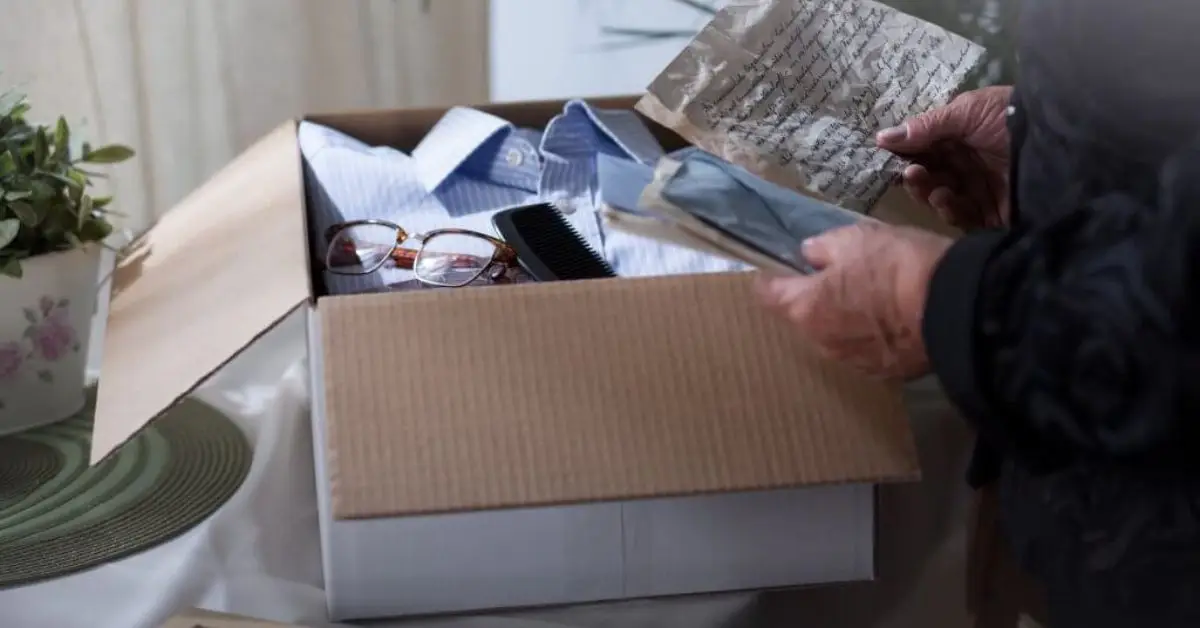
To avoid future regret, I created a simple mental checklist that I use every time I declutter. Before donating, I ask myself:
- Sentimental value? Does this item carry emotional weight I might miss?
- Financial value? Could it be sold or is it a collectible?
- Practicality? Will it be useful to someone else as-is?
- Alternative use? Can it be repurposed or recycled?
- Charity acceptance? Is it allowed at the intended donation center?
Following this checklist has saved me from countless “I shouldn’t have given that away” moments. Linking back to the six categories we discussed—antiques, sentimental items, practical items, rejected donations, personal care items, and smart alternatives—helps me make confident decisions without second-guessing myself.
I’ve also found that tackling decluttering in one focused day can make the process feel less overwhelming and more satisfying. Read more about this one-day decluttering method.
Wrapping It Up: Donate Smart, Avoid Regret
Looking back, I’ve learned that donating can be incredibly satisfying—but only if you think ahead. From antiques and collectibles to sentimental items, everyday gadgets, and even personal care products, it’s easy to give something away and realize later, “I shouldn’t have done that.”
The key is simple: pause, evaluate, and ask yourself whether the item has financial, practical, or emotional value—and if it will actually help someone else. Using a checklist like the one we discussed makes this process much easier, and it saves you from that sinking feeling of regret.
I’d love to hear from you: have you ever donated something you later wished you hadn’t? Share your stories in the comments below—I read every one and learn something new from them.
And if you want more tips on smart home decisions, decluttering, and maximizing the value of your belongings, check out my website Build Like New for guides, expert advice, and practical strategies to make your home feel refreshed without regret.
Disclaimer: This article is for informational purposes only. The author’s experiences and suggestions are personal and may not apply to every situation. Always check with donation centers or resale platforms before giving away items.