Top 6 Ways a Home Security System Can Protect You
You know, I’ve always thought of my home as my safe haven—a place where I can relax, recharge, and feel completely in control. But the truth is, danger doesn’t always give a warning. Break-ins, fires, or even carbon monoxide leaks can happen when we least expect them.
Over the years, I’ve learned that having a reliable home security system isn’t just about alarms and cameras—it’s about peace of mind.
In this article, I want to walk you through how home security protects your home and everyone in it, not just from burglars, but from emergencies you might not even think about.
By the end, you’ll see why a smart system isn’t a luxury—it’s a necessity, and I’ll share practical ways to make sure your home truly stays safe.
Why Home Security Protection Matters More Than Ever?
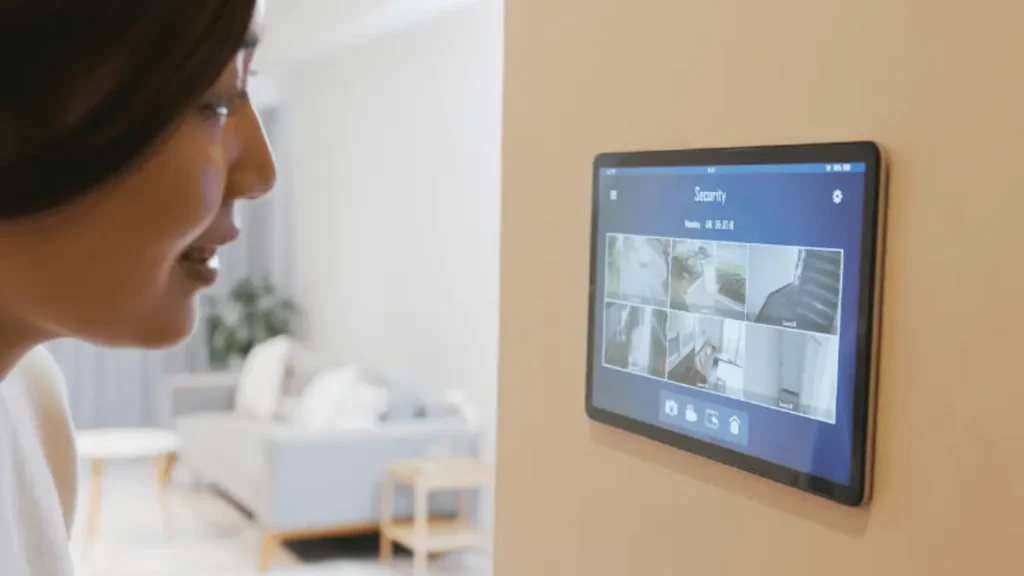
I’ll be honest—I used to think a simple lock on the door was enough. But after reading a few local crime reports and hearing from friends who’d been targeted, I realized just how vulnerable a home can be without proper security. Even neighborhoods that feel “safe” aren’t immune. Burglars often look for easy targets, and a home without a visible system or monitoring quickly stands out.
Think about it this way: your home isn’t just four walls. It’s where you keep your most valuable belongings, your memories, and the people you love. A break-in isn’t just a financial hit—it’s an emotional violation. That’s why protecting your home goes beyond locks or cameras. It’s about creating multiple layers of security that can actually prevent an incident before it happens, not just react afterward.
And it’s not just theft you need to worry about. Fires, carbon monoxide leaks, and floods can strike unexpectedly. I’ve seen situations where a monitored alarm detected smoke early enough to alert the family and save lives. Home security systems today integrate technology that doesn’t just protect against intruders—they protect your life, your family, and your peace of mind.
Here’s the takeaway: investing in home security isn’t about paranoia. It’s about being smart and proactive. You want a system that deters threats, alerts you instantly, and connects you with professionals when emergencies happen. Once you understand that, the question isn’t if you need home security—it’s how soon can you set it up?
1. Deterrence Through Visible Security Tools
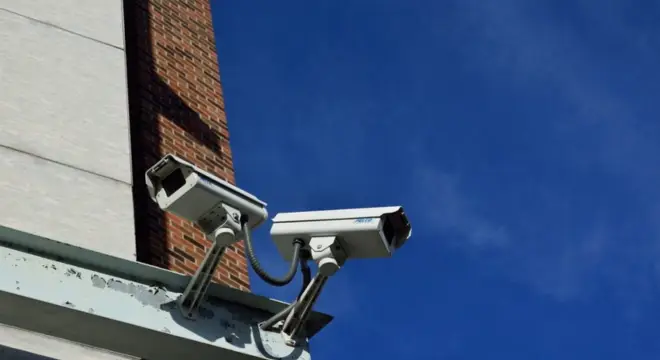
When I first installed my home security system, I didn’t expect the biggest benefit to come from just being seen. But honestly, that’s exactly what happened. Burglars are opportunists—they look for homes that scream “easy target.” A visible camera, alarm sign, or even a motion-sensor light can be enough to make them think twice before even approaching your door.
It’s psychological. Seeing a camera or an alarm box sends a clear message: someone is watching, and if something happens, help is on the way. According to CTC Communications, homes with visible security measures are significantly less likely to be targeted. I’ve even had neighbors ask about my system simply because the signs alone made them feel safer.
Here’s a practical takeaway: you don’t always need the most expensive cameras or bells and whistles. Make your security presence obvious, and it becomes your first line of defense. A burglar avoiding your home is better than catching them in the act later, trust me.
Take a walk around your property—what would a stranger notice first? Are there signs that your home is actively protected?
2. Real-Time Detection & Instant Alerts
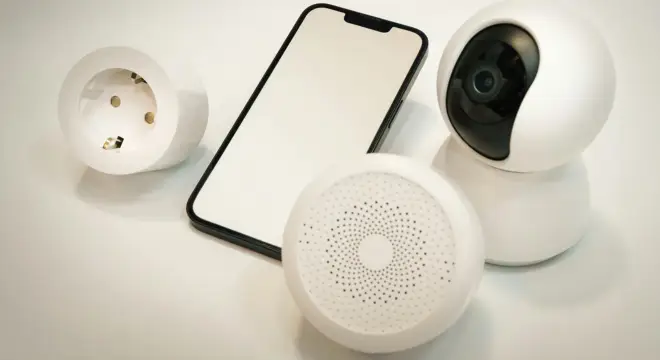
Seeing a deterrent is great, but what if someone still tries to break in? That’s where real-time detection becomes a game-changer. I’ve personally experienced how fast alerts can prevent a potential break-in before it escalates. Motion sensors, glass-break detectors, and door/window sensors aren’t just gadgets—they’re your eyes and ears when you’re not home.
The real power comes from instant alerts. Imagine this: a door opens unexpectedly while you’re at work, and within seconds, you get a notification on your phone. Some systems even alert a professional monitoring center to dispatch help immediately. ADACS Security and Safetouch Security Systems report that homes with such alerts often see attempts stopped in minutes, sometimes before any damage occurs.
Here’s what I tell friends: it’s not about having every sensor under the sun—it’s about having the right ones in the right places and knowing you’ll be notified instantly. That’s how a system becomes proactive, not reactive.
Check your current sensors and alerts—would you know immediately if someone tried to enter your home tonight?
3. 24/7 Professional Monitoring When You Can’t Respond Yourself
This is the part most people underestimate—until they actually need it.
I’ve seen situations where a phone alert alone wasn’t enough. You might be asleep, in a meeting, or somewhere with no signal. That’s where professional monitoring quietly becomes the most important layer of protection. If a sensor is triggered and you don’t respond, trained professionals step in immediately.
Here’s why this matters: during a break-in or fire, minutes matter. Monitoring centers can verify the threat and contact police, fire, or medical services without waiting for you to act. That gap—between detection and response—is where real damage usually happens.
What many SERP articles miss is this human backup element. They talk about “alerts” but don’t explain what happens when you can’t see your phone. A monitored system fills that blind spot. You’re not just relying on tech—you’re relying on people who are watching your home 24/7.
Practical takeaway: If you travel often, live with kids or elderly parents, or simply don’t want to gamble on response time, professional monitoring isn’t optional—it’s essential.
If something happened at home right now and your phone was off, who would respond?
4. Surveillance Cameras That Do More Than Just Record
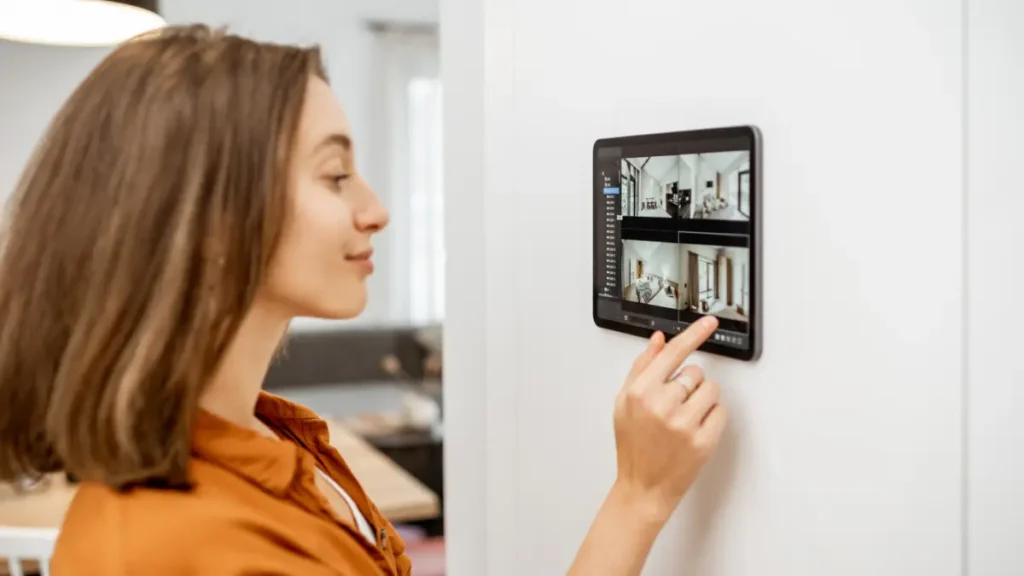
Most people think cameras are only useful after something goes wrong. I used to think the same. But modern security cameras are more about prevention and awareness than evidence alone.
Live feeds let you check what’s happening in real time—whether it’s a stranger near your door, a delivery, or unexpected movement inside the house. Night vision, motion tracking, and mobile access mean you’re never fully disconnected from your home, even when you’re miles away.
Here’s a detail competitors usually skip: cameras help you verify alerts. If a motion sensor goes off, you can instantly see whether it’s a real threat or just a false alarm. That clarity reduces panic and helps you act fast—and correctly.
And yes, recorded footage still matters. It helps law enforcement, insurance claims, and accountability. But the real value is knowing what’s happening as it happens, not hours later.
Practical takeaway: Place cameras where decisions matter—entry points, hallways, and common access areas. Visibility plus live access changes how fast you can respond.
If you got an alert right now, could you actually see what triggered it?
5. Smart Locks and Access Control: Stopping Break-Ins at the Door
Most break-ins don’t happen through broken windows—they happen through doors. That’s why access control deserves more attention than it gets.
Smart locks let you control who enters your home and when. No hidden keys, no guessing who made copies, no worrying if you locked up in a rush. You can lock or unlock doors remotely, assign temporary access codes, and even see entry logs.
What I like most is the control aspect. If something feels off—someone tries a code too many times, or a door opens at an odd hour—you know immediately. That early signal often stops a situation before it escalates.
Practical takeaway: Combine smart locks with door sensors. Control plus awareness is far stronger than either one alone.
Quick check: Do you know exactly who has access to your home right now?
6. Emergency Sensors That Protect You Beyond Break-Ins
This is where most people’s understanding of home security completely falls short.
When we talk about how home security protects, it’s not just about stopping a burglar—it’s about catching the dangers you can’t see. Fires, carbon monoxide leaks, and water damage often cause more harm than theft, and they usually strike without warning.
According to Yellow Pages, modern systems that include smoke, fire, and CO sensors can alert homeowners and monitoring centers the moment something goes wrong—even if no one is home. That early alert is often the difference between minor damage and a total loss.
What hits me hardest is carbon monoxide. You can’t smell it. You don’t feel it coming. Without a connected sensor, you might not realize anything is wrong until it’s too late. When these sensors are tied into your security system, alerts don’t just sound inside the house—they reach your phone and emergency responders.
I regularly come across real safety updates and small things homeowners often miss—especially around fire and gas risks. If you like staying ahead of such alerts, keeping an eye on timely safety updates can genuinely make a difference.
Practical takeaway: A “security system” without fire and CO protection is incomplete. Real safety means protecting life first, property second.
Ask yourself: If a fire or gas leak started while you were away, who would know before real damage happened?
Remote Monitoring Gives You Control—Even When You’re Not Home
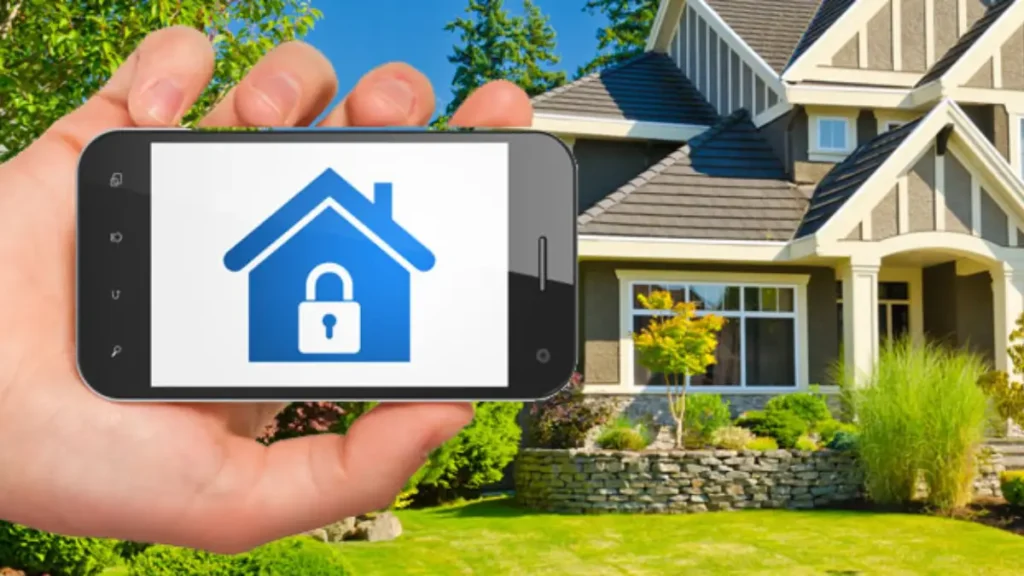
One of the biggest shifts in home security is control. Not control in a paranoid way—but in a calm, confident way.
With remote monitoring, you can check cameras, lock doors, view alerts, and even silence false alarms from your phone. I’ve checked my system while traveling more times than I can count, and every time, that quick glance saved me stress.
This matters because emergencies don’t wait for you to be home. Whether it’s a late-night alert or something triggered during work hours, remote access lets you respond instantly instead of guessing or panicking.
Many SERP articles mention “mobile apps” like it’s a bonus feature. It’s not. It’s the backbone of modern home protection. Without it, you’re blind the moment you step outside.
Remote monitoring becomes even more important in homes with children, especially when smart automation is used to prevent everyday accidents—something we’ve broken down in detail in this article on smart home automation ideas to improve child safety.
Quick question: If something happened at home right now, could you take action in under 30 seconds?
Real Protection Is About Layers, Not Just Devices
Here’s something I rarely see explained properly online: no single device protects your home. Cameras alone won’t stop emergencies. Alarms alone won’t save lives. Locks alone won’t deter determined intruders.
Real protection comes from layers working together.
Visible cameras deter. Sensors detect. Alerts notify. Monitoring responds. Emergency services intervene. Each layer covers the weakness of the other—and that’s what makes a system truly effective.
Most competitors list features like a shopping catalog. What they miss is explaining how those features work together in real life. When layered correctly, problems are often stopped early—or avoided entirely.
Practical takeaway: Don’t buy security in pieces. Plan it as a system designed around how you actually live.
If you had to explain your home’s security setup to someone else, would it sound layered—or scattered?
If a full system feels out of reach right now, even a few smart, low-tech steps can still reduce risk significantly—as explained in this guide on simple low-tech security tricks you can use instead of a full system.
Actionable Checklist: Choosing the Right Home Security System
I’ve always believed that choosing a home security system shouldn’t be an impulse decision. There are too many options out there, and not every system fits every home. That’s why a simple checklist helps you focus on what actually matters.
Start by understanding your real risks. Are you more concerned about break-ins, or are fire, gas leaks, and family safety just as important? An apartment has different needs than a standalone house, and your system should match how you live.
Next, look closely at monitoring. Alerts alone are not enough. If you travel often or have kids or elderly family members at home, professional monitoring adds a layer of protection that technology alone can’t replace.
Sensor placement matters more than the number of devices. Focus on doors, windows, and main entry points instead of trying to cover every corner. A well-planned setup is more effective than an overloaded one.
Finally, don’t ignore usability. If the app or controls feel confusing, the system won’t help you in an emergency. Simple, fast access is critical.
Quick checklist recap:
- Covers both break-ins and emergencies
- Offers real-time alerts with monitoring support
- Cameras, locks, and sensors work as one system
- Easy-to-use mobile app
- Fits your lifestyle, not just your budget
Ask yourself: Would your security system help you act before damage happens—or only after?
Fire alerts are only one part of the equation—having the right equipment at home matters just as much, which is why these essential fire safety items every home should have are worth reviewing alongside any security system.
Final Take: The True Value of Security Protection
If I’m being honest, the real value of home security isn’t the devices—it’s the confidence it gives you. The ability to sleep better at night. The peace of mind that comes from knowing your home is protected, even when you’re not there.
Break-ins, fires, and gas leaks aren’t rare stories you see online. They happen to real people, often in homes where no one expected trouble. Preparation is what makes the difference.
A good home security system doesn’t make you fearless. It makes you ready. And being ready is what keeps small problems from becoming life-changing ones.
So instead of asking whether home security is worth it, ask yourself one thing: If something went wrong today, would you be prepared to respond?
I often share quick safety insights, real-life examples, and updates that don’t always make it into long articles. If that kind of practical thinking helps you, you can follow along on X and Facebook.
Disclaimer: This article is for general informational purposes only and does not replace professional security advice. Home security needs can vary based on location, property type, and personal risk factors. Always consult a qualified security provider before making installation or monitoring decisions.