Don’t Ignore These 7 Moisture Clues — Your Roof May Already Be Failing
I’ve inspected a lot of roofs that looked perfectly fine from the street—no missing shingles, no obvious leaks, nothing alarming. And yet, when we checked underneath, moisture had already started doing quiet damage. That’s the part most homeowners never see until it’s too late.
If moisture gets trapped under shingles, it doesn’t announce itself with a drip right away. It builds up slowly, softens the roof deck, weakens fasteners, and shortens the life of the entire system. By the time water stains show up on your ceiling, the real problem has usually been there for years.
What worries me most is how often these warning signs are dismissed as “normal roof aging.” I’ve seen people spend thousands on repairs that could’ve been avoided if they knew the early signs of trapped moisture under shingles and acted sooner. Most articles online focus on obvious damage. Very few talk about what happens before failure—and that’s the gap I want to close here.
As you read on, I want you to think about your own home, your attic, and how your roof behaves after rain, heat, or snow. Some of these signs are subtle, but once you know them, they’re hard to ignore.
Have you noticed anything about your roof lately that just doesn’t feel right?
Why Moisture Gets Trapped Under Shingles in the First Place
The silent moisture cycle happening beneath asphalt shingles
Before we talk about warning signs, you need to understand why moisture gets trapped under shingles at all. Otherwise, the signs feel random—and that’s exactly why homeowners ignore them.
Most people assume roof moisture only comes from rain leaks. That’s not true. In many homes I’ve inspected, the moisture didn’t come from outside—it came from the house itself.
Here’s what’s really happening under your shingles:
- Condensation: Warm air from your home rises into the attic. When it hits a cooler roof surface, moisture forms—just like a cold glass sweating in summer.
- Ventilation failure: If intake or exhaust ventilation is off (and it often is), that moisture has nowhere to escape.
- Intrusion (not always leaks): Wind-driven rain, melting snow, or ice dams can push moisture under shingles without leaving obvious leak marks.
Now here’s the part most blogs never explain clearly: asphalt shingles are semi-permeable. They aren’t fully waterproof barriers. They’re designed to shed water, not trap moisture vapor.
When airflow is poor, moisture gets stuck between:
- the shingles on top
- the underlayment and roof deck below
Over time, that trapped moisture weakens materials from the inside out. Even major manufacturers acknowledge that ventilation plays a critical role in preventing this kind of hidden damage—something you’ll also see emphasized in educational guidance from GAF Roofing. If you don’t understand this cycle, you’ll miss the early signs—and that’s where problems begin.
Sign #1 — Shingles Look “Fine” but Granules Are Disappearing Fast
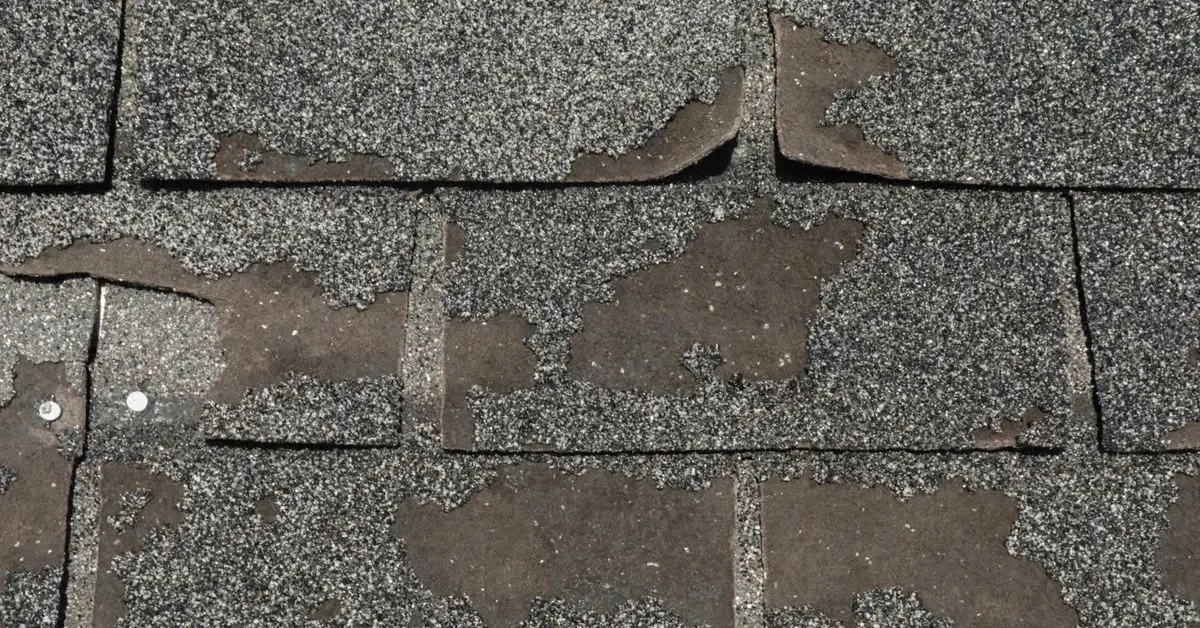
Accelerated granule loss without storm damage
This is one of the most misunderstood warning signs I see.
You look at your roof and think, “It doesn’t look bad.” No missing shingles. No obvious damage. But then you notice granules piling up in your gutters or at the base of your downspouts.
Most homeowners blame:
- age
- heat
- or the last storm
But when granule loss happens faster than expected and without storm impact, trapped moisture is often involved.
Here’s why it matters:
- Moisture weakens the adhesive strip that holds granules in place
- Damp underlayers reduce how well shingles bond and flex
- Repeated moisture + heat cycles cause granules to release early
Granule shedding is not always normal aging. When moisture is present underneath, shingles deteriorate from the bottom up—even if the surface still looks okay.
If you’re seeing granules but no visible roof damage, that’s not something to brush off. Surface-level roof issues often get ignored until they turn serious, which is why simple maintenance—like these ways to remove algae from your roof without calling a pro—can help you spot moisture problems early instead of after damage spreads. It’s often the first quiet signal that something underneath isn’t drying out the way it should.
Sign #2 — Roof Deck Nails Showing Rust or “Sweating” in the Attic
What nail corrosion really indicates
If I could show homeowners one attic sign they almost always overlook, it would be this.
Go into your attic and look at the nail tips coming through the roof deck. If moisture is trapped under the shingles, those nails will tell the story long before the ceiling does.
What I look for immediately:
- Rust halos forming around nail heads
- Dark staining in the wood around fasteners
- Condensation droplets on nail tips during winter
That “sweating” isn’t random humidity. It’s a sign that warm, moist air is rising and condensing against a cold roof surface that isn’t drying properly.
Why this matters more than people realize:
- Nails rust before wood visibly rots
- Corrosion weakens fasteners holding the roof system together
- This often happens years before leaks appear inside the home
Most roofing articles skip attic evidence completely. But from experience, rusted or wet nail tips are one of the clearest early proofs of trapped moisture under shingles.
If you’ve never checked your attic after a cold night or humid day, this is where I’d start.
Have you ever looked at your attic nails closely—or noticed granules where you didn’t expect them?
Sign #3 — A Musty Smell That Comes and Goes (Especially After Rain or Snow)
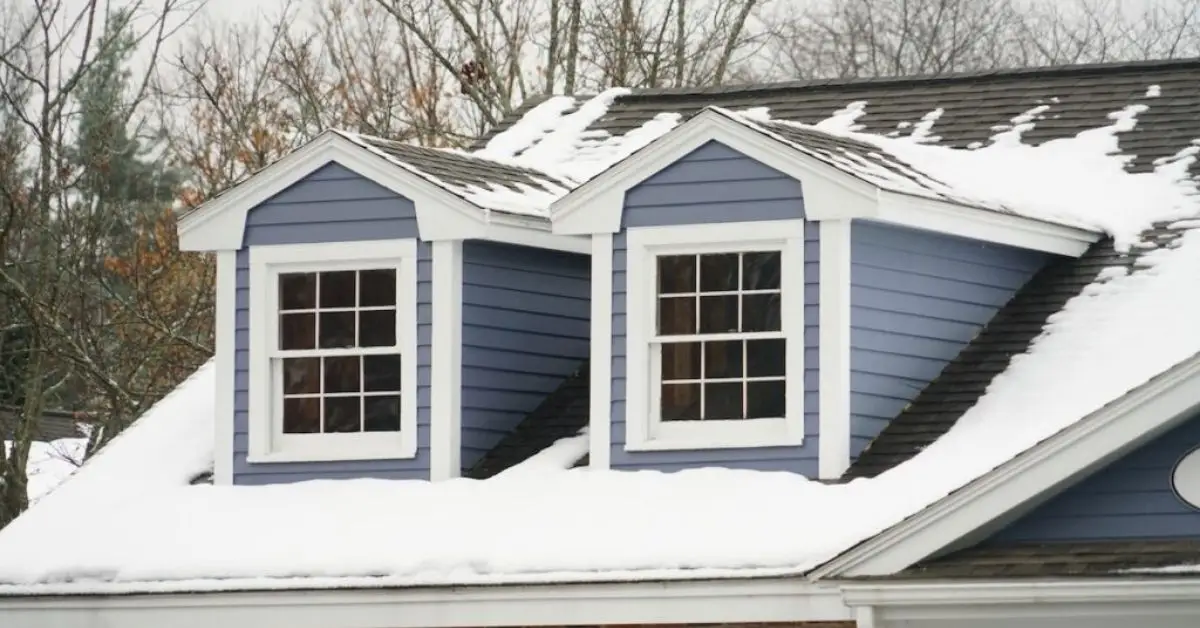
Odor as a moisture diagnostic tool
I hear this all the time: “There’s a weird smell, but I don’t see any leaks.”
Most homeowners immediately think mold—or worse, ignore it because it fades.
Here’s what I’ve learned over the years: intermittent musty smells are often a roof moisture problem, not an indoor air problem.
When moisture gets trapped under shingles, it doesn’t drip right away. It sits. It warms up. Then after rain, snow, or a humid day, that damp layer releases odor through the attic and into living spaces.
Why this smell matters more than you think:
- It shows up before visible damage
- It comes and goes based on weather, not plumbing use
- It’s strongest after rain, snowmelt, or warm afternoons
I’ve seen countless homeowner discussions where people mentioned a musty attic or hallway smell months before they ever spotted a stain or leak. By the time water showed up, the roof deck had already taken a hit.
If a smell appears only during certain weather conditions, that’s not coincidence. That’s moisture reacting to temperature changes—and your roof is often the source. I’ve also seen many homes where roof moisture wasn’t the only issue—persistent odors were linked to moisture buildup lower in the house, which is why these DIY basement waterproofing solutions that actually work can play a big role in overall moisture control.
Sign #4 — Shingles Curling Only in Certain Roof Sections
Why partial curling is more dangerous than full aging
When people notice curling shingles, they usually relax if it’s “not everywhere.” That’s a mistake.
In my experience, partial curling is more concerning than uniform aging, because it points to an underlying condition—not just time.
Here’s what pattern-based curling tells me:
- South-facing slopes curl from heat stress faster
- North-facing or shaded slopes often curl due to moisture that never fully dries
- When curling shows up in patches, it’s usually where heat and trapped moisture collide
Moisture underneath softens the shingle base. Add repeated heating and cooling, and the shingle edges start lifting unevenly. That creates pockets where even more moisture can sneak in.
Uniform aging is predictable. Patchy curling is not—and unpredictability is what leads to early failure.
If only one side of your roof looks “off,” that’s not luck. That’s a clue.
Sign #5 — Ceiling Paint Bubbling Without Active Leaks
Moisture vapor damage vs water intrusion
This is one of the most misunderstood signs I deal with.
You see paint bubbling or peeling on the ceiling, but there’s no dripping water. No stains spreading. So you wait.
Here’s what’s really happening.
When moisture is trapped under shingles, it can turn into vapor pressure. That moisture doesn’t fall—it pushes upward and outward, moving through insulation and drywall slowly.
What that does to your ceiling:
- Paint loses adhesion and starts bubbling
- Drywall absorbs moisture and softens
- Damage appears without a visible leak path
Gypsum board is especially sensitive to vapor. Once it absorbs moisture repeatedly, surface fixes won’t last.
This isn’t cosmetic. It’s a sign that moisture is moving where it shouldn’t—something the U.S. Environmental Protection Agency has long warned about when discussing indoor moisture behavior and building materials.
If you’re waiting for a drip to take action, you’re already behind.
Sign #6 — Ice Dams or Uneven Snow Melt on Your Roof
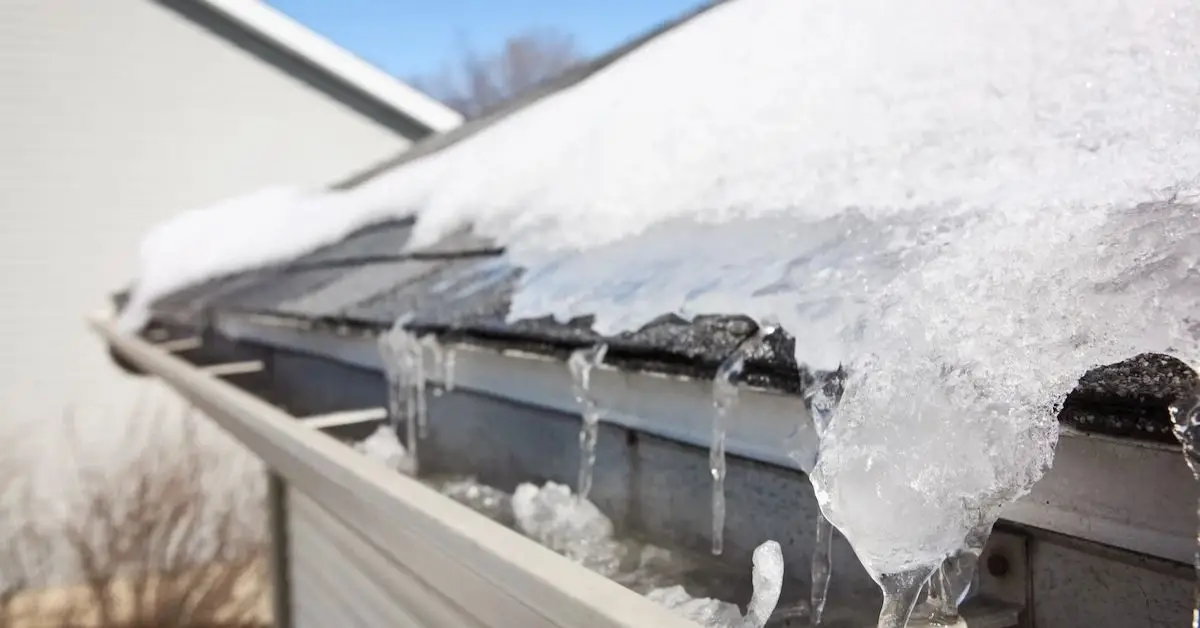
A winter-only sign that predicts year-round damage
If you live in a cold region, your roof tells a very clear story in winter—most people just don’t know how to read it.
When I see uneven snow melt or ice dams forming along roof edges, I don’t think “winter problem.” I think year-round moisture risk.
Here’s why it happens:
- Heat escapes from the attic due to poor ventilation
- Snow melts higher up on the roof
- Melted water refreezes near the edges
- Water backs up under shingles and gets trapped
That freeze–thaw cycle forces moisture deeper into the roofing system. Even after winter ends, that moisture doesn’t magically disappear.
Ice dams aren’t just seasonal annoyances. They’re proof that heat and moisture are moving where they shouldn’t—and shingles are paying the price. If winter keeps exposing the same roof and attic issues year after year, it’s worth looking at other cold-weather weak spots too—these winter-proof home fixes you can’t ignore this season often prevent moisture problems before they start.
If your roof melts snow unevenly every winter, it’s worth asking why.
Have you noticed smells, curling in just one area, or winter ice patterns that don’t match the rest of the neighborhood?
Sign #7 — Roof Feels “Soft” Underfoot During Inspection
Structural warning most homeowners never test
I want to be very clear here—this is not something you should test yourself.
But when professionals inspect roofs, this is one of the most serious red flags we watch for.
A roof that feels slightly soft or spongy underfoot is rarely about surface shingles. It usually means the roof deck underneath has been weakened by long-term trapped moisture.
Here’s what that softness actually tells me:
- Moisture has soaked into the decking over time
- Wood fibers have started to break down
- The roof is losing its structural stiffness
This is a pre-failure indicator. At this stage, the roof may still look intact, but it’s no longer strong. One heavy storm, snow load, or prolonged heat wave can push it past the point of repair.
Important safety note for you:
- Don’t walk your roof to “check” this
- Soft decking can give way suddenly
- Always leave this to a licensed professional
If a contractor ever mentions soft spots during an inspection, that’s not a small comment. That’s your cue to act.
What Homeowners Commonly Misdiagnose (And Why That’s Costly)
Aging vs moisture damage — knowing the difference
One of the biggest reasons moisture damage gets ignored is misdiagnosis. I see the same assumptions over and over—and they delay action until repairs become expensive.
Here are the most common ones:
- “The roof is just old.” Age causes gradual wear. Moisture causes uneven, accelerating damage. They don’t behave the same way.
- “It’s only a paint issue.” Paint problems caused by vapor pressure won’t stop unless the moisture source is addressed.
- “It’s seasonal humidity.” Normal humidity doesn’t rust nails, soften decking, or cause recurring attic smells.
When you label moisture symptoms as “normal,” you give trapped water more time to spread. That’s when a manageable repair turns into a replacement decision.
Understanding the difference early is one of the most cost-saving moves a homeowner can make.
What Happens If Trapped Moisture Is Ignored Too Long
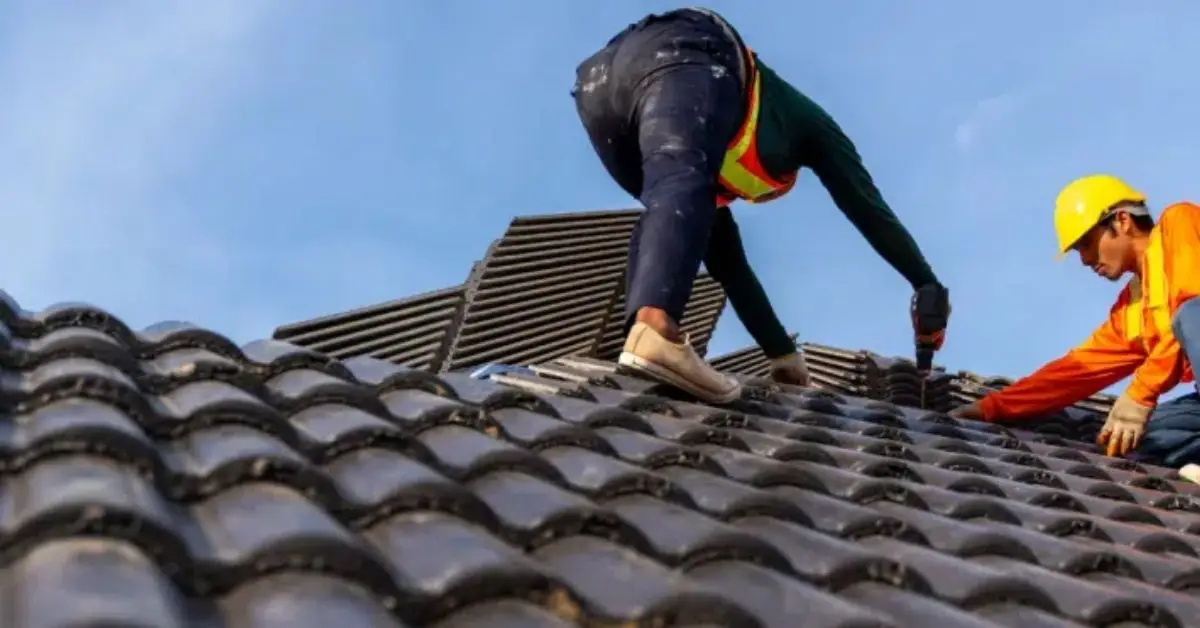
From hidden rot to full roof replacement
I don’t believe in scare tactics—but you deserve to understand the full picture.
When trapped moisture is left alone, damage doesn’t stay isolated. It moves.
Here’s the typical progression I’ve seen:
- Early stage: Minor granule loss, odors, nail corrosion
- Mid stage: Roof deck softening, insulation getting damp and losing R-value
- Late stage: Deck rot, mold spread, and compromised structural integrity
At that point, spot repairs usually don’t make sense. The cost difference becomes significant—what might’ve been ventilation fixes or partial decking repair turns into a full roof replacement.
Home improvement cost analyses consistently show that moisture-related roof damage escalates faster than most homeowners expect, especially once decking and insulation are involved. This cost jump is well documented in housing cost breakdowns published by Forbes Home.
The goal isn’t fear—it’s timing. Catching trapped moisture early gives you options. Waiting removes them.
If you think back over everything you’ve noticed—smells, curling, paint issues, winter patterns—do any of these signs connect for you now?
When to Call a Professional — Clear Decision Triggers
Signs that mean inspection can’t wait
I’m not a fan of pushing inspections for every small roof issue. You don’t need panic—you need clarity. Over time, I’ve learned there are specific moments when waiting does more harm than good.
You should seriously consider calling a professional if two or more of these are happening at the same time:
- You’ve noticed multiple signs from this list, not just one
- The same issues show up again every season (especially after rain, snow, or heat waves)
- Your attic shows warning signs like:
- rusty nail tips
- damp insulation
- musty or stale smells
One sign alone can sometimes be explained. A pattern cannot.
Seasonal repeat problems are especially important. If something shows up every winter or every humid summer, that’s not random—it’s a system issue. And attic indicators are your strongest proof, because that’s where moisture damage starts long before it becomes visible inside your home.
The goal here isn’t to sell you a roof. It’s to stop guessing. A proper inspection gives you answers instead of assumptions.
Preventive Steps That Actually Work (Not Generic Tips)
Ventilation, barriers, and inspection timing
Most advice online sounds good but doesn’t actually solve moisture problems. These steps do—when done correctly.
What I focus on in real homes:
- Balanced ventilation: Intake and exhaust need to work together. Too much of one and not enough of the other traps moisture instead of removing it.
- Correct vapor barrier placement: Barriers belong in specific locations depending on climate. When they’re missing—or installed wrong—they push moisture into the roof system.
- Inspection timing that makes sense: For most U.S. homes:
- once before winter
- once after peak summer heat
- immediately after any unusual moisture signs
Prevention isn’t about adding more products. It’s about letting your roof system breathe the way it was designed to.
When homeowners understand this, they stop treating symptoms and start protecting the structure.
Homeowner Disclaimer & Climate-Specific Note
One last thing I want to be clear about—not all roofs behave the same way.
Moisture signs vary based on:
- Climate zones (cold, mixed, hot-humid)
- Roofing materials (asphalt shingles, metal, tile)
- Attic design and insulation setup
What shows up early in a northern home may look different in a southern one. That’s why online checklists should guide awareness—not replace professional diagnosis.
This content is meant to help you spot warning signs early, not to self-diagnose structural issues. Every roof system is unique, and a trained inspection is the only way to confirm what’s really happening.
If you’ve noticed one or more of these signs, I’d genuinely like to know—what was the first thing that caught your attention? Drop a comment and share your experience. It helps other homeowners spot problems sooner.
And if you want practical, no-pressure guidance on protecting your home the right way, explore more resources at Build Like New—where the focus is on long-term value, not quick fixes.
Disclaimer: This content is for general informational purposes only and is not a substitute for a professional roof inspection. Roof conditions, moisture behavior, and damage risks vary based on climate, materials, and construction. Always consult a licensed roofing professional to evaluate your specific situation and confirm any findings.