Top 7 Places You Should Never Use for Storage — Pro Guide
I’ve seen people ruin perfectly good belongings just because they picked the wrong place to stash them.
A basement shelf. The corner of a garage. That empty space under the sink. It feels convenient in the moment — out of sight, problem solved. But months later, you’re dealing with mold, warped wood, rusted tools, or worse, a safety risk you didn’t even realize you created.
Here’s the thing most homeowners don’t realize: not every empty space is meant for storage. Some areas of your home quietly trap moisture. Others swing between extreme heat and cold. A few can even create fire hazards if they’re overloaded.
I’ve walked through homes where boxes were stacked near water heaters, papers were tucked beside electrical panels, and sentimental items were left in damp crawl spaces. It all seemed harmless — until it wasn’t.
Smart storage isn’t about finding space. It’s about protecting what you own and keeping your home safe.
As you read through this, think about the spots in your house that feel “easy” for storage. Are they actually safe — or just convenient?
How Storage Decisions Affect Your Home Value, Safety, and Sanity
I’ve walked into homes where storage wasn’t just messy — it was quietly causing damage.
When you store things in the wrong place, problems build slowly. You don’t notice them until something smells musty, a box collapses, or you see chew marks in a corner.
Here’s what improper storage can actually lead to:
- Moisture damage that warps wood, ruins paper, and triggers mold growth
- Pest problems when cardboard and fabric sit undisturbed
- Fire hazards from stacking items near heaters, water heaters, or electrical panels
- Blocked exits that slow you down during an emergency
- Mental clutter that makes your home feel tighter and more stressful
Experts writing for Real Simple point out that some storage spots feel harmless until you realize they’re actually unsafe or damaging. That’s the sort of real-world perspective most people miss.
And beyond safety, there’s resale value to think about. Buyers notice damp smells. Inspectors notice blocked utilities. Appraisers notice neglected storage areas.
I always tell homeowners this: storage is either protecting your home — or quietly working against it.
Before you add another box somewhere, ask yourself if that space is truly stable, dry, and accessible.
Now let’s talk about one of the most misunderstood storage areas.
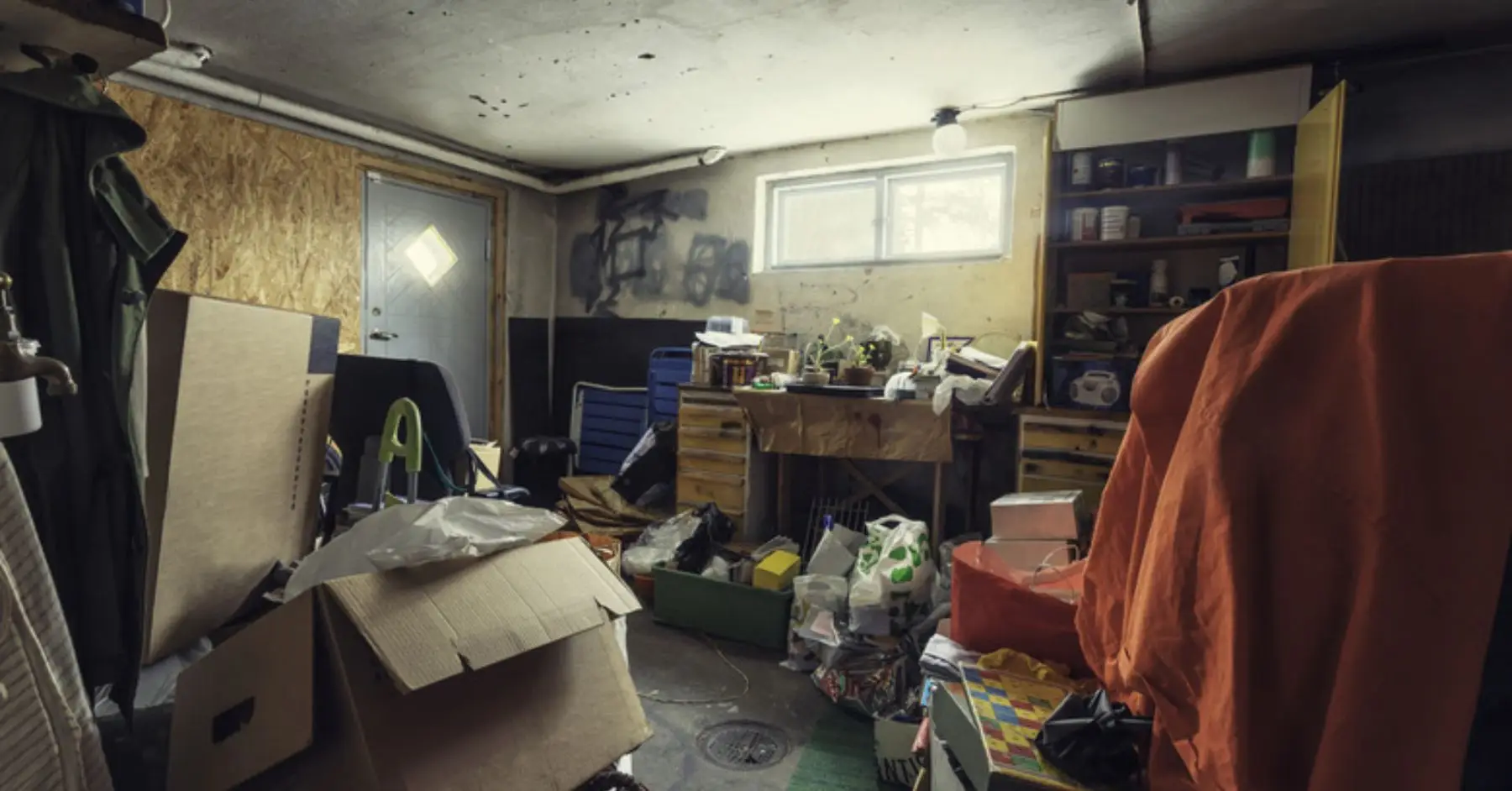
1. Basements – Not All Items Belong There
Why It Feels Like a Good Spot
I get it. The basement feels perfect.
It’s out of the way. It’s large. It’s not part of your daily living space. So it becomes the default place for:
- Holiday decorations
- Old paperwork
- Extra clothes
- Keepsakes you “don’t want to throw away”
It feels safe because it’s indoors.
But that assumption is where problems start.
What Actually Goes Wrong
Basements are naturally prone to dampness. Even finished basements can trap humidity, especially in older homes.
Over time, that moisture leads to:
- Mold growth on paper and fabric
- Rust on tools and metal items
- Warped wood furniture
- Cardboard boxes breaking down and collapsing
I’ve seen family photos stick together. Important documents ruined. Furniture legs rotting from the bottom up.
And here’s what many homeowners underestimate: once something goes into the basement, it’s often forgotten. Months turn into years. Items degrade quietly.
What to Do Instead
You don’t have to avoid the basement completely. You just have to use it smarter.
If you’re storing items there:
- Use sealed plastic bins, not cardboard
- Add moisture absorbers or a dehumidifier
- Keep everything elevated off the floor
- Store only items that can tolerate some temperature change
Sensitive items like photos, important documents, leather goods, or delicate fabrics? I’d move those to a climate-controlled area upstairs.
Your basement isn’t a vault. It’s a high-risk zone if you treat it casually.
Take a minute and think — what’s sitting in your basement right now that would hurt to replace?
2. Crawl Spaces and Attics – The Hidden Disaster Spots
These are the places you don’t see every day. And that’s exactly why they become problem areas.
I’ve noticed that when something goes into a crawl space or attic, it basically disappears from your life. No regular checks. No airflow monitoring. No temperature awareness.
That’s where damage quietly builds.
Temperature Extremes and Moisture Matter
Crawl spaces are rarely visited. That means if moisture builds up or pests move in, you won’t know until it’s too late.
Attics are a different kind of risk.
In summer, temperatures can soar well above 100°F. In winter, they swing in the opposite direction. That constant fluctuation causes:
- Wood to warp
- Adhesives to weaken
- Photos and paper to curl
- Fabrics to trap humidity and develop odor
Home experts interviewed by Homes & Gardens point out that these “out of sight” areas are often the worst for items that need stable conditions.
And here’s what I’ve seen personally — once something goes up there, it rarely comes back down in good shape.
What to Do Instead
If the item actually matters, don’t gamble with extreme temperatures.
Here’s what I recommend:
- Use high shelves in interior closets instead of attics
- Store items in sealed plastic bins, not open containers
- Keep storage in parts of the house with stable airflow
- If you must use attic space, consider professional humidity control or insulation upgrades first
Ask yourself this: would you leave this item in a parked car all summer? If the answer is no, it doesn’t belong in your attic either.
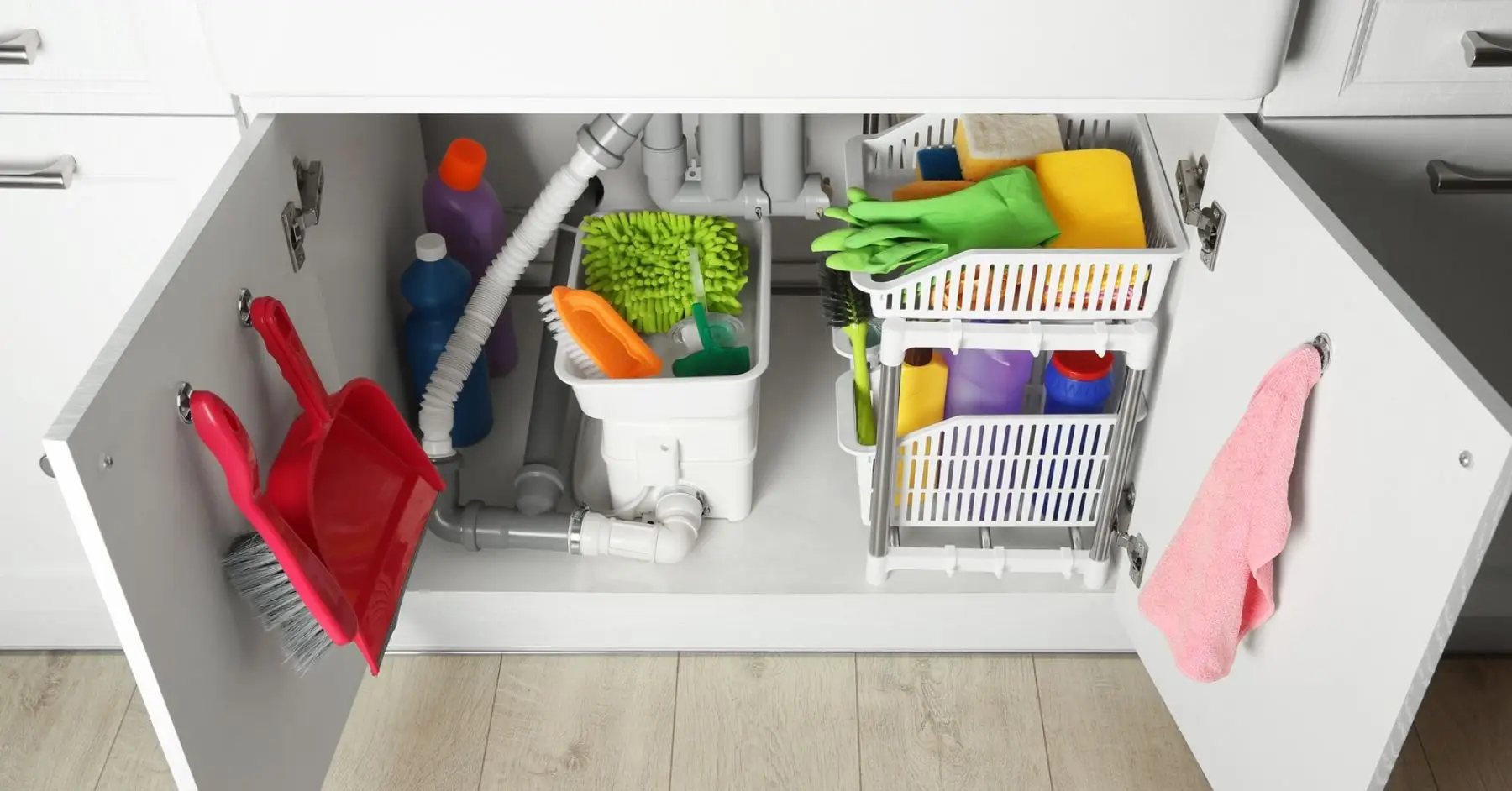
3. Under Sinks – Risky Moisture and Chemical Exposure
This one surprises people.
The cabinet under your sink feels convenient. It’s enclosed. It’s unused space. So we shove extra paper towels, toiletries, and random items in there.
But think about what’s happening in that space.
There are pipes. There’s condensation. Sometimes small, unnoticed leaks. And often, strong cleaning chemicals sitting nearby.
Why This Spot Fails
Under-sink cabinets are naturally humid zones.
Over time, that environment can cause:
- Paper goods to absorb moisture
- Wood shelving to weaken
- Cleaning products to degrade faster
- Small leaks to ruin everything stored underneath
I’ve opened cabinets where the back panel was soft from water exposure — and the homeowner had no idea.
It’s not dramatic damage. It’s slow damage.
What to Do Instead
Use that space intentionally, not as overflow storage.
Here’s the smarter approach:
- Store only cleaning supplies there
- Use dedicated bins or leak trays to contain spills. Use dedicated bins or leak trays to contain spills, or check out some clever bathroom storage solutions around tight sinks to make the most of limited space without risking damage.
- Avoid storing paper products or important items
- Move extra toiletries or backup supplies to a dry linen closet or utility closet
If a pipe drips tomorrow, would you be okay losing what’s under there? If not, move it.
4. Countertops – Not Storage, Just Clutter
I get why people use countertops for storage. It feels convenient. If you can see it, you’ll use it.
But visibility isn’t the same as organization.
When counters turn into storage zones, you lose more than space.
What Misleads People
We assume that keeping things out in the open saves time.
In reality, it often creates visual stress. Your brain never gets a break.
And cluttered surfaces collect dust, grease, and crumbs faster than you realize.
Problems with Countertop Storage
- Reduces prep and working space
- Makes kitchens and bathrooms look smaller
- Encourages stacking and piling
- Creates more cleaning work
I’ve worked with homeowners who thought they needed more cabinets — when what they really needed was to clear the counters.
What to Do Instead
Be strict about what earns countertop space.
- Keep only daily-use essentials out
- Store backups inside drawers
- Use drawer dividers for small items
- Install back-of-door racks or wall-mounted organizers
- Rotate rarely used appliances into cabinets
Your counter isn’t storage. It’s workspace.
Take a look at yours right now. If you cleared half of it, would your kitchen instantly feel calmer?
5. Inside Bedrooms for General Storage

Your bedroom feels like the safest room in the house.
It’s climate controlled. It’s private. It’s not exposed to guests. So naturally, it becomes the place where extra boxes, off-season shoes, paperwork, and random overflow end up.
I understand why you’d do it.
But your bedroom isn’t built to hold everything.
Why This Becomes a Problem
When you turn your bedroom into a storage zone, you change how the space feels.
Instead of calm, your brain sees unfinished tasks.
Instead of rest, you see piles waiting to be dealt with.
Over time, that creates subtle stress.
There’s also a practical issue:
- Shoes bring in dirt and bacteria
- Extra fabric traps dust
- Overstuffed closets reduce airflow
- Clutter makes cleaning harder
What feels “safe” can slowly become stale and crowded.
What to Do Instead
Protect your bedroom like it’s recovery space.
Here’s what works better:
- Create clear wardrobe zones only for clothing and personal items
- Limit under-bed storage to sealed bins
- Move paperwork, tools, and household extras to other rooms
- Do a quick monthly closet reset
Ask yourself: when you walk into your bedroom, does it feel peaceful — or overloaded?
6. Near Heat Sources & Utility Areas
This is where convenience turns risky.
I’ve seen cardboard boxes stacked next to water heaters. Fabric bins leaning against furnaces. Holiday decorations tucked beside electrical panels.
It looks harmless. It isn’t.
The Real Risk
Heating equipment needs open space.
When you crowd these areas, you increase fire risk and block access in an emergency.
Here’s what should never be crowded:
- Furnaces
- Water heaters
- Electrical breaker panels
- Dryer vents
- Space heaters
Common mistakes I see:
- Cardboard boxes stored “temporarily”
- Fabric or paper goods near heat
- Shelving that blocks breaker access
- Stacked bins around utility corners
If something sparks or overheats, those items become fuel.
What to Do Instead
Treat utility zones as protected areas.
- Maintain a clear radius around heating equipment
- Keep breaker panels fully accessible
- Relocate flammable items elsewhere
- Use wall-mounted or ceiling racks away from heat sources
Storage should never compete with safety.
Take a look at your utility space right now. Could you access everything instantly if you had to?
7. Garage & Outdoor Storage Without Proper Prep
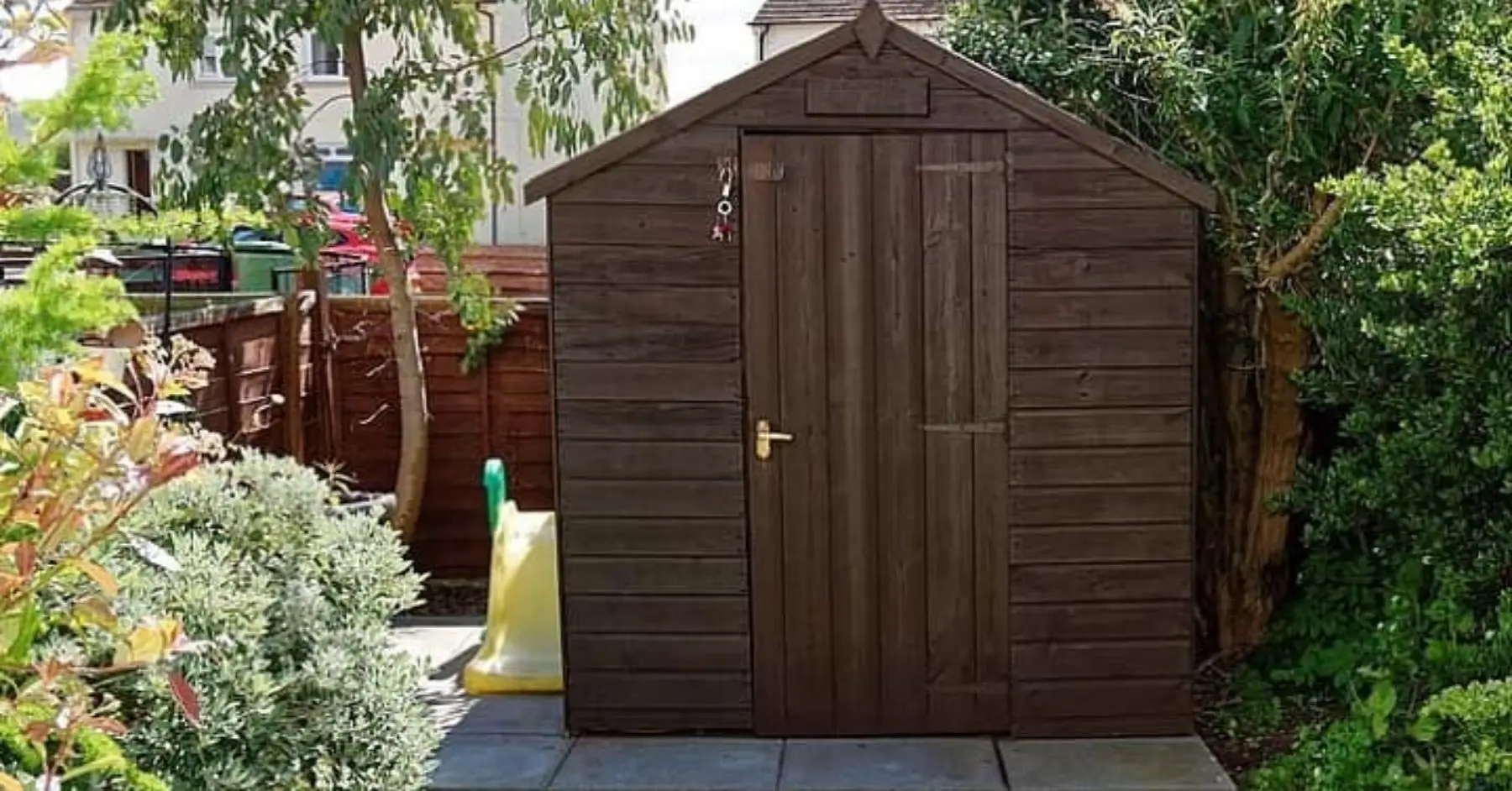
The garage feels like bonus storage.
It’s large. It’s separate from your living space. It seems built for extra stuff.
But garages are one of the most misunderstood storage areas in a home.
What Actually Happens in a Garage
Garages go through serious temperature swings.
Hot summers. Cold winters. Humidity after storms. Dust year-round. Sometimes pests.
Storage experts at SpareFoot explain that items like books, cardboard boxes, textiles, leather goods, and even certain household supplies often get damaged in garages because they aren’t climate controlled.
I’ve seen boxes collapse from humidity. Clothes develop odors. Paper warp beyond saving.
The garage isn’t stable unless you’ve upgraded it.
What to Do Instead
If you’re going to use garage space, do it strategically.
- Swap cardboard for sealed plastic bins
- Install sturdy shelving to keep items off the floor
- Avoid storing sentimental or moisture-sensitive belongings
- Consider a dehumidifier or insulation upgrade if long-term storage is necessary
The biggest mistake I see? Many homeowners make common garage and seasonal storage mistakes that can ruin tools, seasonal gear, or household items if not stored properly.
People treat the garage like a permanent archive.
It’s not. It’s a high-risk zone unless you control the environment.
Before you leave something there for the next five years, ask yourself: would you be okay if it came back damaged?
Bonus: Items You Should NEVER Store Anywhere Without Planning
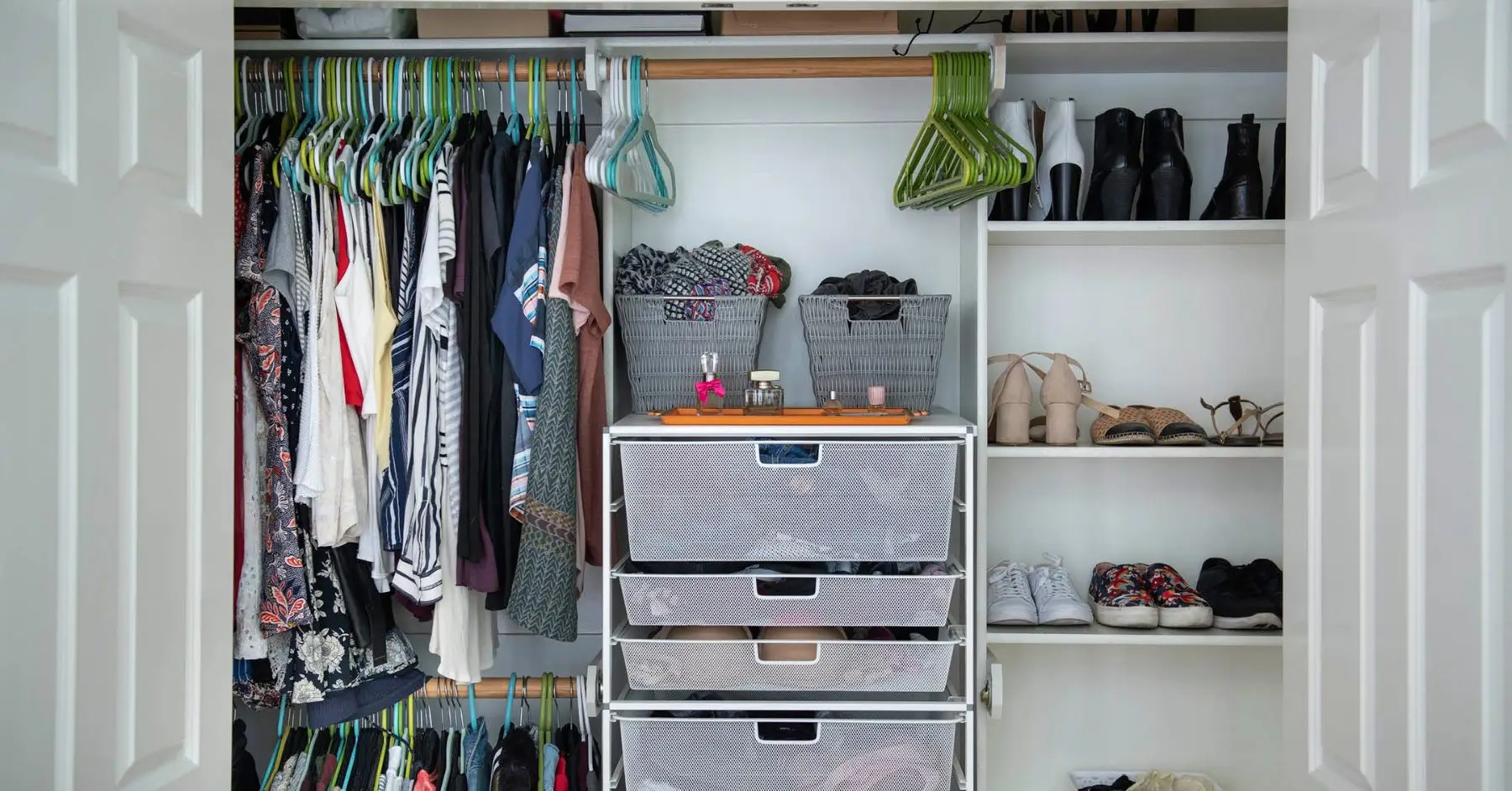
Not all storage problems are about where you put things. Sometimes it’s about what you’re storing. I’ve seen people ruin entire batches of items simply because they ignored these risks.
Here’s what you should never stash without thinking:
- Hazardous chemicals – Can react or catch fire. Dispose of them properly or use a designated facility.
- Live plants or animals – Enclosed, poorly ventilated spaces can harm them.
- Perishable food – Attracts pests, rots quickly, and creates odors.
- Documents & irreplaceables – Store only in a fireproof safe; never leave them in damp or unsecured spaces. For delicate or sensitive belongings, it’s also important to know items that don’t belong in plastic bins, so you can protect them properly instead of risking damage.
The point here is simple: storage is about foresight. If it can’t survive the environment, don’t store it.
Practical Tips to Store Smart — Not Just Avoid
I always tell homeowners: avoiding bad spots isn’t enough. Smart storage is proactive.
Here’s how I approach it:
- Use climate-controlled containers for delicate items
- Label bins clearly with dates and contents
- Rotate or declutter monthly to prevent forgotten clutter
- Use vertical space with shelves and keep items accessible
Small habits like these prevent surprises and keep your home organized without stress.
Quick Checklist Before You Store Anything
Before you drop something into a bin or cupboard, ask yourself:
- Can this item handle humidity and temperature swings?
- Is it safe near electrical or heat sources?
- Will I actually use it within a year?
If the answer to any of these is “no,” find a safer or more practical solution.
Closing Frame: Rethink Your Storage Habits
I’ve walked through homes where storage “solutions” caused more headaches than help. Now it’s your turn to take control.
Think about your own home: are the spots you use really safe, or just convenient? Are your belongings protected, or at risk?
If this article helped you spot potential hazards or rethink storage, I’d love to hear from you. Comment below with your experiences or questions. And if you want more practical, step-by-step guidance to organize your home efficiently, visit Build Like New — your go-to for smarter storage solutions.
Let’s make your home safer, cleaner, and more organized together.
Disclaimer: This article is for informational purposes only. Always follow manufacturer instructions, local safety regulations, and professional advice when storing items in your home. Build Like New is not responsible for any damage or injury resulting from improper storage.