Avoid Costly Repairs: Stop Washing These 7 Things in Your Dishwasher
I’ve been using dishwashers for decades, and I’ve seen first-hand how a single wrong move can ruin a favorite pan or a pricey mug. You might think “dishwasher-safe” means it’s completely safe, but that’s often not the case. Some items can warp, lose their finish, or even damage your machine.
In this guide, I’m going to walk you through the 7 things you should never put in your dishwasher—and why. By the time you finish reading, you’ll know exactly what to keep out, how to clean it safely, and how to protect both your tools and your dishwasher.
How Dishwashers Work & Why Some Items Get Damaged
You might not realize it, but your dishwasher is a lot more intense than just spraying soapy water. I’ve seen people assume that if something fits in the rack, it’s safe—but the truth is, dishwashers combine heat, high-pressure water, and strong detergents that can be surprisingly harsh. Here’s what’s really going on:
- High heat and steam: The water can reach over 140°F, which is great for killing bacteria but tough on delicate finishes. Items like wood, cast iron, or hand-painted ceramics can warp, crack, or lose their coating.
- Water pressure and jets: Dishwashers are designed to blast every corner with water, and that force can knock around lightweight items or scratch softer metals.
- Detergent chemistry: Dishwasher soap isn’t like regular dish soap. It’s more alkaline and abrasive to cut through grease, which is why nonstick coatings or copper finishes often fade or peel.
- Rack placement and design: If an item isn’t stable, it can bang into other dishes, causing chips, scratches, or even bending of sharp tools like knives.
Understanding this helps you see that putting the wrong item in the dishwasher isn’t just risky—it’s almost guaranteed to shorten its life. While understanding how your dishwasher works, it’s also smart to know why odors can develop — I cover the 3 common reasons your dishwasher smells and how to fix them in another guide, which helps prevent lingering smells from damaging your dishes. Once I started thinking about why damage happens instead of just memorizing lists, it changed how I treat every piece of cookware and utensil.
Item #1 – Cast Iron Cookware
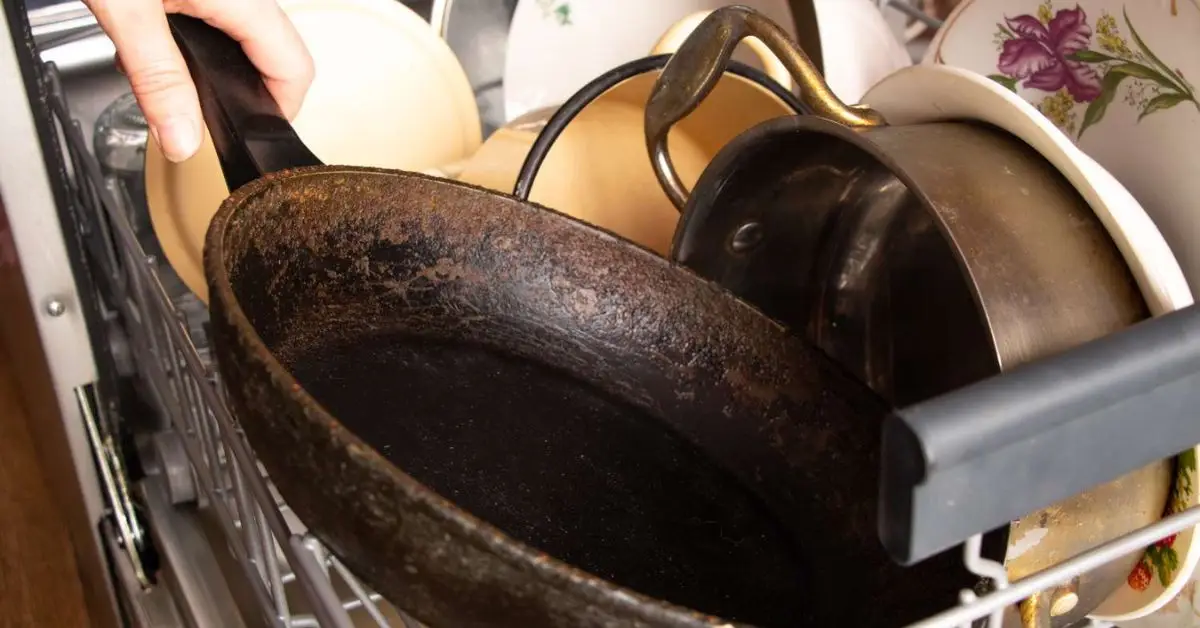
If you love cooking like I do, you know there’s nothing quite like a well-seasoned cast iron skillet. But here’s the catch: cast iron and dishwashers are a terrible match.
Why it shouldn’t go in the dishwasher:
- Seasoning gets stripped: That layer of oil baked into the surface—the secret to its nonstick magic—will wash away.
- Rust forms quickly: Once that seasoning is gone, the metal is exposed to water, and rust can appear in hours.
- Uneven heating risk: Dishwashers can cause hot spots and cooling cycles that may warp thinner pans.
Safe cleaning alternative:
- Rinse with warm water immediately after use.
- Use a soft sponge and mild soap if needed.
- Dry thoroughly on the stove or with a towel to prevent any moisture from lingering.
- Reapply a thin layer of oil every few uses to maintain seasoning.
I learned the hard way that even a single dishwasher cycle can ruin a favorite skillet. If you want a clear guide from experts on what not to put in your dishwasher, Consumer Reports has a great list that explains the science behind it—and it’s worth bookmarking.
Item #2 – Non‑stick Pots and Pans
If you use non-stick pans like I do, you probably love how effortlessly they release food. But your dishwasher doesn’t see it that way.
Why you shouldn’t put them in the dishwasher:
- Coating erosion: The combination of strong detergent and powerful water jets gradually wears down the non-stick surface.
- Reduced performance: Before long, food starts sticking — exactly what you bought them to avoid.
- Potential flaking: As the coating breaks down, tiny particles can end up in your food.
Safe cleaning alternative:
- Handwash right after cooking.
- Use a soft sponge and mild dish soap — no abrasive pads.
- Dry thoroughly before storing to keep the surface smooth.
Item #3 – Wooden Items (Utensils & Boards)
There’s something satisfying about cooking with wooden spoons and chopping on a board that feels natural in your hands. But the dishwasher treats wood like a sponge.
Why you shouldn’t put them in:
- Warping and cracking: Hot water and steam make wood swell, then shrink as it dries — that cycle quickly leads to splits.
- Loss of natural oils: Wood loses the protective oils that keep it strong and resistant to bacteria.
- Hidden bacteria risk: Once wood cracks, germs can hide in tiny crevices.
Safe cleaning alternative:
- Wash by hand with warm water and mild soap.
- Stand upright to air dry — don’t leave them lying flat.
- Periodically rub mineral oil into boards and utensils to keep them conditioned.
I’ve seen beautiful wooden utensils split after one dishwasher run. Once that protective oil is gone, there’s no going back.
Item #4 – Fine China, Crystal & Hand‑painted Ceramics
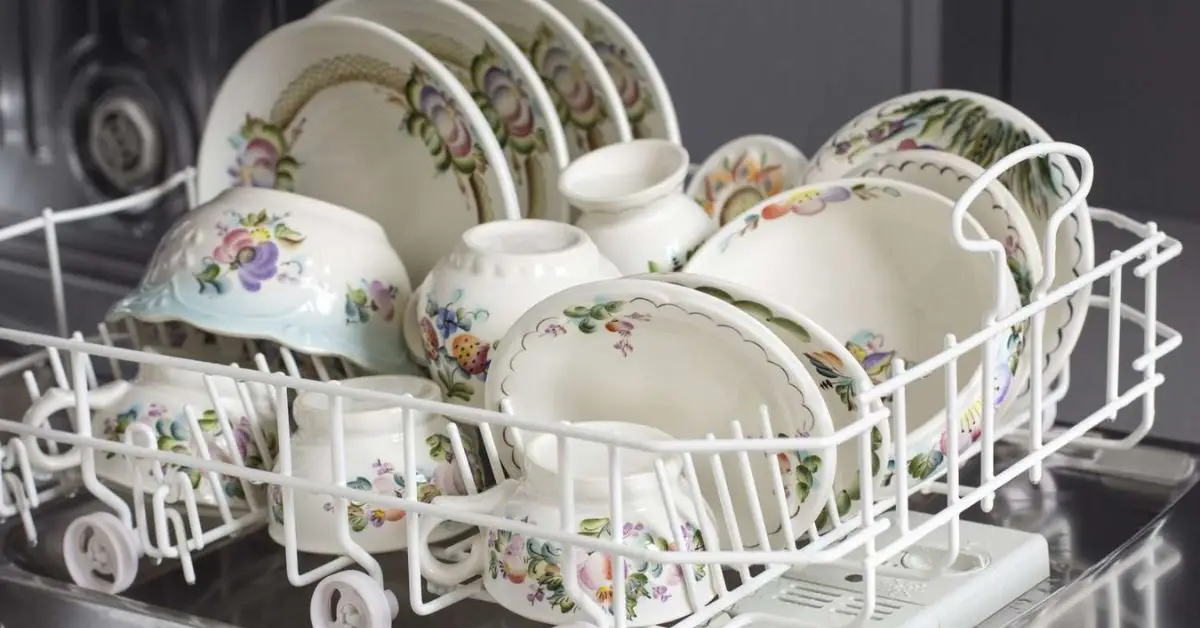
You know those beautiful plates or glasses you keep for guests or special occasions? They deserve better than the dishwasher.
Why you shouldn’t put them in:
- Clouding or dulling: Harsh detergents and heat can leave a filmy residue on porcelain and crystal.
- Chips and cracks: High-pressure jets can jostle delicate edges and cause permanent damage.
- Faded decoration: Painted or gilded designs can wear off over time.
Safe cleaning alternative:
- Handwash in warm water with a gentle soap.
- Dry carefully with a soft towel — avoid air drying that leaves spots.
- Store with padding or cloth separators to prevent knocks.
Protecting these sentimental or valuable pieces isn’t just about looks — it’s about preserving memories and craftsmanship. For more expert guidance, Food & Wine highlights why these delicate items should always stay out of the dishwasher.
Item #5 – Sharp Knives and Blade Tools
You probably already know how frustrating it is when a knife loses its edge. Putting sharp blades in the dishwasher accelerates that problem, and it’s more dangerous than you might think.
Why you shouldn’t put them in the dishwasher:
- Blades dull faster: Dishwasher jets and detergent wear down metal edges quickly.
- Handles can warp: Wooden or composite handles absorb water and may crack or loosen.
- Safety risk: Unloading knives from the dishwasher is risky — it’s easy to cut yourself accidentally.
Expanded angle:
- This isn’t just chef knives. Graters, scissors, and small specialty blades also suffer the same fate.
Safe cleaning alternative:
- Handwash immediately after use.
- Dry with a towel rather than air-drying to avoid moisture damage.
Knives are expensive, and mishandling them can lead to injury. If you want a clear, expert-backed reminder of what tools should never go in the dishwasher, Delish has a great list that covers knives, graters, and more.
Item #6 – Certain Metals (Copper, Aluminum & Brass‑tone Flatware)
If you’ve invested in shiny cookware or decorative flatware, a dishwasher could ruin the finish before you even realize it.
What it includes:
- Copper pots and pans
- Aluminum cookware
- Brass or gold-tone flatware
Why you shouldn’t put them in:
- Tarnishing and discoloration: Dishwashers cause metals to lose their luster.
- Pitting and corrosion: Harsh detergents eat away at softer metals.
- Finish loss: Decorative or plated surfaces can permanently fade.
Safe cleaning alternative:
- Handwash with warm water and a mild, metal-specific polish.
- Dry immediately to avoid water spots or oxidation.
Taking care of metal cookware ensures it lasts for years and keeps your kitchen looking polished.
Item #7 – Insulated Mugs & Travel Tumblers
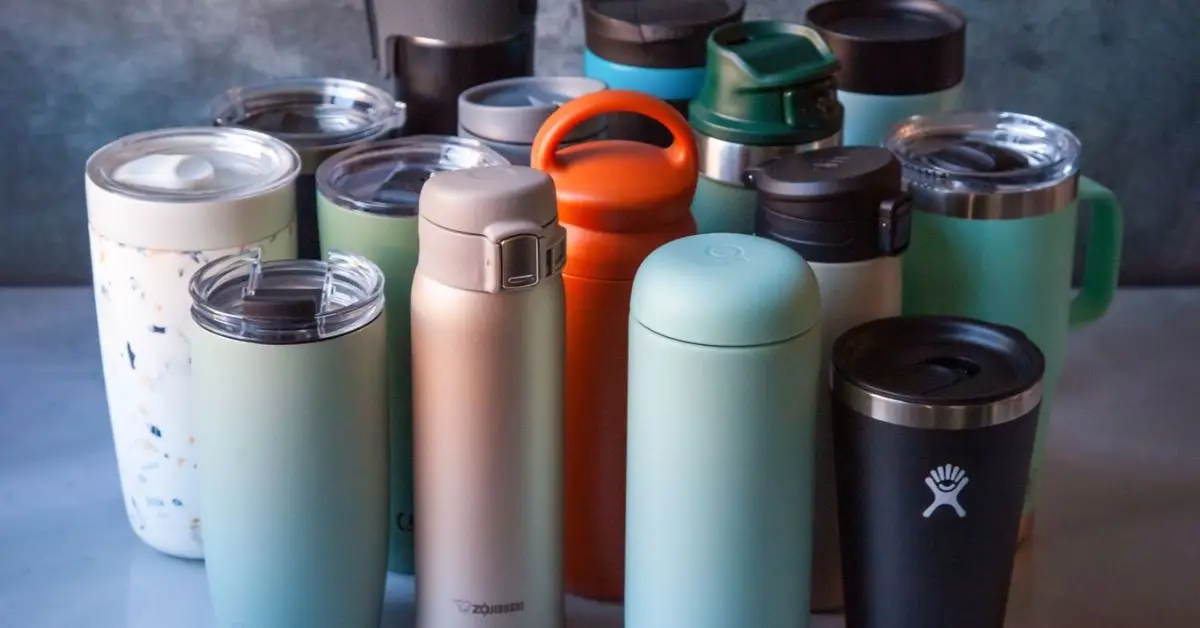
I’ve lost a few favorite travel mugs to the dishwasher over the years, and each time, it was heartbreaking. The vacuum seal that keeps your coffee hot or cold doesn’t survive high heat.
Why you shouldn’t put them in:
- High temperatures can destroy vacuum seals.
- Insulation performance drops, so your coffee won’t stay hot and your iced drinks warm up faster.
Safe cleaning alternative:
- Only top-rack if the mug explicitly says “dishwasher-safe.”
- Otherwise, handwash with warm water and mild soap.
A ruined tumbler isn’t just inconvenient — it defeats the purpose of owning it in the first place.
Bonus No‑Nos Most Lists Miss (Optional but Valuable)
Even after covering the major items, there are a few things that often fly under the radar. I’ve seen people damage their dishwasher or tools because of these sneaky mistakes:
a) Items with Labels/Adhesive Stickers
- Labels can peel off and clog filters.
- Adhesive residue may stick to dishes or dishwasher components.
b) Odd Shapes (Straws, Lids, Battery Cases)
- Water and soap can get trapped inside small openings.
- Leads to bacteria build-up or incomplete drying.
c) Specialty Appliance Parts
- Electrical components or rubber gaskets may fail if submerged.
- Dishwasher cycles can ruin delicate mechanisms in blenders, coffee machines, or juicers.
These tips tackle the real-world mistakes that aren’t always mentioned on top websites. Paying attention here can save you money and frustration.
Dishwasher Loading & Safety Tips
Knowing what not to put in is only half the battle. How you load your dishwasher matters just as much:
- Place items strategically: Heavier pots on the bottom, delicate items on the top rack.
- Avoid contact damage: Keep knives, glasses, and fragile pieces separated.
- Check labels carefully: “Dishwasher-safe” doesn’t always mean top-rack safe. Look for manufacturer instructions.
- Prevent tipping: Lightweight cups or lids can flip over and trap water.
Following these steps helps you apply the advice correctly and avoids unnecessary damage to both your dishes and your dishwasher. If you want a deeper dive into common dishwasher mistakes — from silverware placement to fragile items — check out my guide on 10 dishwasher loading mistakes you’re probably making to get it right every time.
Wrap-up — Protect Your Kitchen Tools and Dishwasher
To sum it up: if you take one thing from this guide, it’s this — when in doubt, handwash.
Here’s a quick takeaway:
- Cast iron, non-stick, wood, and delicate ceramics: handwash, dry, and oil/season where necessary.
- Knives, metals, and insulated mugs: keep out of the dishwasher to preserve function and appearance.
- Odd shapes, labels, specialty parts: avoid to prevent clogs, bacteria, or damage.
A small checklist like this can prevent accidents and save money on replacing ruined items. While keeping your tools safe, you might also want to check out my article on 7 kitchen habits that quietly gross out your guests — small changes can make your kitchen both safe and inviting.
I’d love to hear from you: have you ever ruined a favorite pan or mug in the dishwasher? Share your story in the comments below — your experience might save someone else a headache.
And if you want more practical, expert-backed kitchen tips, check out my website Build Like New — I cover everything from appliance care to home maintenance hacks.
Disclaimer: The information in this article is for general educational purposes only. Always follow manufacturer instructions for your cookware, appliances, and utensils. The author and Build Like New are not responsible for damage or injury caused by improper use.