7 Things in Your Kitchen Guests Notice — and Wish They Didn’t
I’ve hosted enough dinners—and been a guest in enough homes—to know this truth: people rarely complain out loud about a dirty kitchen, but they absolutely notice it.
And it’s usually not the obvious stuff.
Your kitchen can look clean and still quietly gross people out. A damp sponge by the sink. A trash can that smells a little off. Sticky fridge handles no one thinks to wipe. These small habits don’t feel like a big deal when it’s your own space—but to a guest, they can instantly change how comfortable they feel eating, drinking, or even standing around your counter.
What surprised me while researching this topic is how consistent the reactions are. Across hosting experts, professional cleaners, and real people sharing honest experiences online, the same kitchen habits keep coming up again and again. Not dramatic. Not extreme. Just everyday things many of us overlook.
So instead of listing random “gross things,” this article focuses on the habits that quietly trigger discomfort—the kind your guests may never mention, but will definitely remember. If you enjoy having people over and want your kitchen to feel welcoming, not awkward, this is worth paying attention to.
As you read, ask yourself honestly: Which of these habits might I be blind to in my own kitchen?
Why Some Kitchen Habits Seem Harmless But Actually Gross Out Guests
When you live in your own kitchen every day, your brain slowly stops reacting to small details. I’ve seen this even in very clean homes. You know what’s clean, what’s “fine for now,” and what you’ll get to later.
Your guests don’t have that context.
For them, “gross” isn’t about dirt alone. It’s about hesitation. That quiet moment where they pause before grabbing a glass of water or saying yes to food.
This is the part most articles miss: guests aren’t judging your cleaning skills. They’re reacting emotionally.
- Messy feels temporary
- Socially unacceptable feels unhygienic, even if nothing is actually unsafe
Hosting etiquette experts often point out that people judge kitchens instinctively. They’re subconsciously asking: Would I eat here? Would I touch that counter? Does this space feel cared for?
Once you understand that mindset, certain everyday habits suddenly stand out.
Habit 1 — Letting Sponges and Dishcloths Sit Dirty on Counters and Sinks
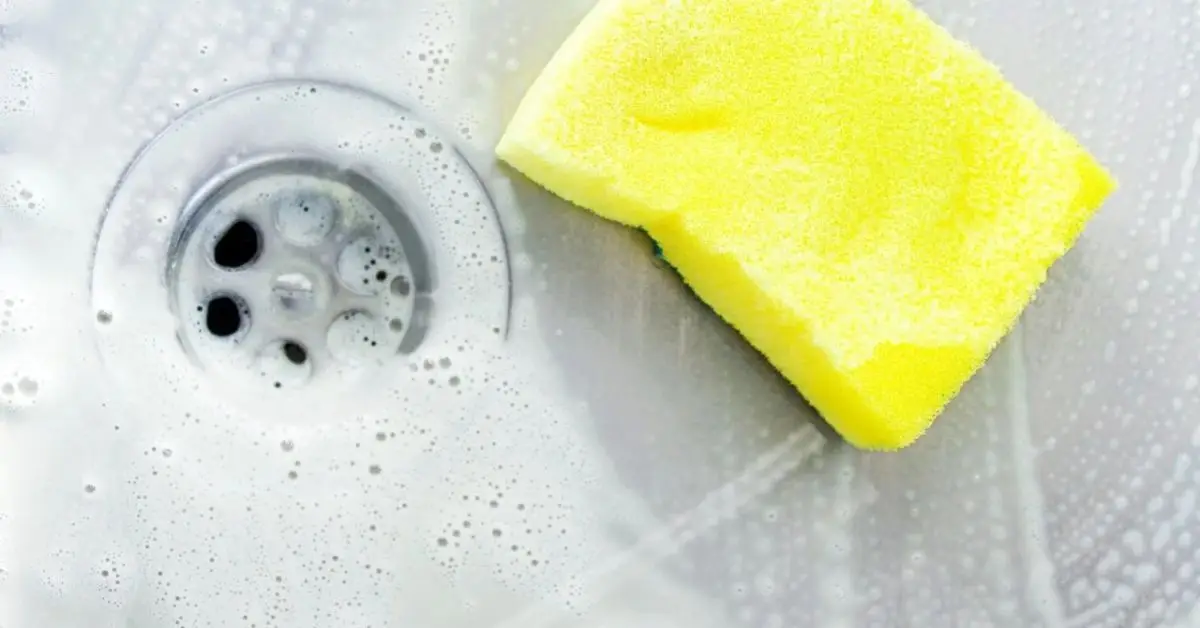
This is one of the fastest ways to make guests uncomfortable.
I know it feels harmless. A sponge is just a sponge when it’s yours. But to a guest, a damp, worn sponge sitting out in the open immediately signals bacteria.
Cleaning experts at The Spruce have repeatedly flagged kitchen sponges as one of the germiest items in most homes, especially when they’re left wet and visible on counters or sinks.
Even if your kitchen looks clean overall, that single visual can undo the impression in seconds.
Why this habit triggers such a strong reaction:
- It looks overused, even if it’s recently cleaned
- It often carries a faint smell you may not notice anymore
- It creates a mental link to plates, glasses, and food
That’s why experienced hosts treat sponges as functional tools, not decor. Before guests arrive, they usually:
- Replace old sponges with fresh ones
- Hang dishcloths so they’re dry and off the counter
- Put sponges away under the sink
It’s a small adjustment, but it removes one of the most common unspoken kitchen “icks.”
Habit 2 — Piles of Dirty Dishes and an Overflowing Sink
This is the habit people justify the most—and the one guests judge quietly.
You might think, They know I cooked. But guests don’t see effort first. They see what’s in front of them.
A sink full of dirty dishes changes how the kitchen feels:
- It makes the space feel unfinished
- It creates uncertainty about where to place things
- It adds low-level discomfort, even if no one says anything
Clean sinks signal calm and control. Overflowing ones signal chaos, even unintentionally. Often, the issue isn’t just dishes—it’s clutter building up over time. If your sink is always full, it may be a bigger signal that your space needs a reset. These expert signs your kitchen is seriously overcluttered explain why mess tends to return so quickly.
Before hosting, a few simple steps help more than deep cleaning:
- Clear the sink completely, even if it means running the dishwasher again
- Move drying dishes out of direct sight
- Wipe the sink so it looks intentionally clean, not mid-task
You don’t need a perfect kitchen. You just need one that doesn’t make your guests second-guess their comfort.
Now I’m curious—when you walk into someone else’s kitchen, what’s the one small thing that instantly makes you hesitate, even if you never say it out loud?
Habit 3 — Not Emptying the Trash or Leaving It Visible and Smelly
Trash is one of those things you stop noticing in your own home. I’ve done it too. You take it out regularly, so you assume it’s “fine.”
But guests don’t measure trash by schedule. They measure it by smell.
Even a slightly full trash can can quietly dominate the entire kitchen atmosphere. Smell is emotional and immediate—it reaches people before they consciously process what they’re seeing.
What guests experience when trash is left out:
- A lingering odor that overpowers food smells
- A feeling that the kitchen isn’t “finished”
- Subconscious hesitation about eating or drinking
A simple hosting shift makes a big difference:
- Empty the trash right before guests arrive
- Use a bin with a tight lid
- If possible, move the trash slightly out of sight
This habit goes beyond surface cleaning. It affects environmental comfort—and that’s what guests respond to first.
Habit 4 — Leaving Old Food, Leftovers, and Crumbs on Surfaces
Old food has a way of blending into the background when it’s yours. A half-used sauce bottle. A crumb trail near the toaster. A sticky fridge shelf you plan to wipe later.
Guests notice all of it.
On top of that, crumbs do more than look messy:
- They attract pests
- They create subtle odors
- They signal neglect, even if unintentional
What makes this habit especially damaging is social proof. In cleaning and hosting discussions online, people repeatedly mention things like:
- Sticky fridge shelves
- Expired condiments still in use
- Crumbs on counters and near appliances
These aren’t extreme situations. They’re everyday oversights—and that’s exactly why guests react to them so strongly.
Before hosting, it helps to do a quick scan:
- Wipe visible surfaces, not just countertops
- Check the fridge door and shelves
- Clear crumbs from corners and appliance edges
Small details shape big impressions.
Habit 5 — Unclean Pet Bowls or Animals in the Kitchen Area
This one is sensitive, because pet owners often don’t see it the same way guests do.
If you live with pets, bowls on the kitchen floor or animals near counters can feel completely normal. To many guests, though, it creates instant discomfort—especially when food is involved.
Real guest reactions tend to include:
- Unease about eating food prepared nearby
- Noticing pet hair on counters or stools
- Feeling awkward bringing it up
Online discussions echo this repeatedly—pets on counters, animals sniffing plates, or hair near prep areas are among the top unspoken complaints.
A hosting-friendly compromise:
- Temporarily move pet bowls out of the kitchen
- Keep pets off counters during gatherings
- Do a quick hair wipe on stools and surfaces
This habit sits at the intersection of etiquette and hygiene—and it’s one many articles completely skip.
Habit 6 — Neglected High-Touch Surfaces (Knobs, Switches, Fridge Edges)
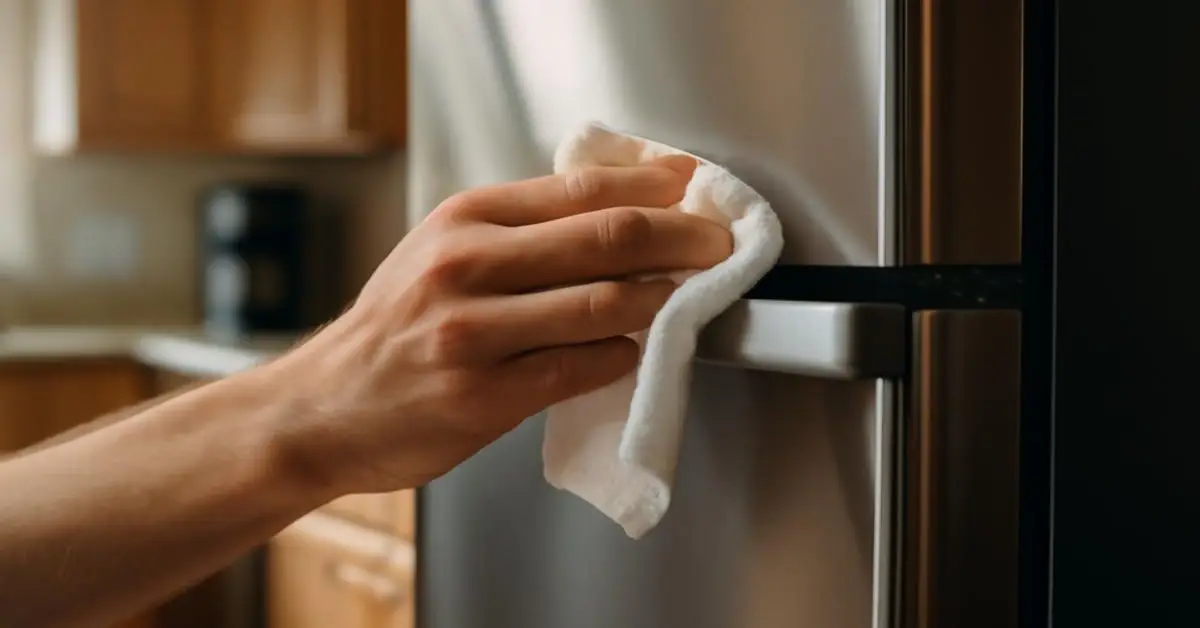
This is where most people lose guests without realizing it.
You can have a clean counter and an empty sink, but if someone touches a sticky fridge handle or a grimy light switch, the illusion breaks instantly. This is also where design mistakes quietly make things worse—especially when people paint surfaces like handles or cabinets that are meant to be cleaned often. If you’re unsure what finishes actually hold up to daily use, this breakdown on kitchen elements you should never paint explains why some choices age badly fast. I’ve seen guests wipe their hands on their jeans right after touching these spots—and then quietly avoid the kitchen.
Professional cleaners consistently warn about this. In fact, cleaning experts quoted by Homes & Gardens point out that high-touch areas like cabinet knobs, appliance handles, and fridge edges collect grease and bacteria faster than almost anything else in the kitchen.
Why guests react so strongly to these surfaces:
- They’re touched after food prep
- They feel sticky even when they don’t look dirty
- They suggest that cleaning stops at eye level
From real guest conversations online, the same complaints show up again and again: dirty light switches, grimy fridge gaskets, and greasy cabinet pulls are noticed immediately.
Before guests arrive, a quick host-focused scan helps:
- Wipe fridge handles and door edges
- Clean cabinet knobs and drawer pulls
- Run a cloth over light switches
These aren’t obvious “dirty” areas—but that’s exactly why they matter.
Habit 7 — Poor Food Hygiene Practices That Guests Can Smell or See
This habit is less about dirt and more about perception.
You might follow food safety rules, but some everyday kitchen habits still feel off-putting to guests. The issue isn’t danger—it’s visibility. If guests can see or smell something questionable, discomfort kicks in fast.
Lifestyle experts writing for Brit + Co have highlighted common cooking habits people find socially unappealing, even when they’re technically harmless—like skipping produce rinsing or reusing tea bags in mugs.
Examples guests quietly react to:
- Unrinsed fruits or vegetables on the counter
- Used tea bags sitting in cups
- Strong food smells lingering while guests arrive
These moments create doubt, even if the food is fine.
Simple expert-backed hosting habits help avoid that reaction:
- Rinse produce where guests can see it
- Toss used tea bags before serving
- Air out the kitchen briefly before people arrive
This is where food safety and social comfort overlap—and most articles never talk about that difference.
Quick Pre-Guest Kitchen Checklist for Hosts
If you remember nothing else, remember this: guests judge kitchens fast.
I’ve found that a one-minute reset does more than deep cleaning ever could. These are the micro-habits that quietly change how your kitchen feels.
Right before guests arrive:
- Swap or hide sponges and dishcloths
- Empty the trash and close the lid
- Wipe fridge handles, knobs, and switches
- Clear visible crumbs and old food
- Move pet bowls out of the kitchen
You don’t need perfection. You need intention. If you feel like wiping things down never really works, the problem may not be effort—it may be tools. Using the right gear makes fast cleanups easier, and these kitchen cleaning tools that actually tackle the hardest messes are especially helpful before guests arrive.
Small signals tell guests, I thought about your comfort. And that’s what makes a kitchen feel welcoming instead of awkward.
One last question for you—if you had 60 seconds before guests walked in, which of these would you fix first without thinking twice?
How to Talk About Kitchen Cleanliness Without Offending Guests
This part matters more than most people realize.
Even if you notice something messy once guests arrive, calling it out the wrong way can make things awkward fast. I’ve learned that tone and timing matter more than the words themselves.
If you need help cleaning, the goal is to keep it casual—not corrective.
Here are a few polite, low-pressure ways hosts handle it well:
- “I’m just finishing up in the kitchen—feel free to relax for a minute.”
- “If you want to help, I’ll hand you something simple.”
- “I’ve got this, but thank you.”
When guests offer to help, etiquette experts generally agree on one rule: accept lightly or decline gracefully. Avoid turning help into a deep cleaning session—it shifts the energy from hosting to work.
Subtle cues also do a lot of the work for you:
- Wiping a surface calmly instead of pointing it out
- Replacing a dishcloth without commenting on it
- Moving items quietly rather than explaining why
These small actions protect your standards without making guests self-conscious. Good hosting keeps people comfortable, not alert.
Final Thoughts for Hosts Who Actually Care
If there’s one thing I want you to take away, it’s this: guests don’t expect perfection. They expect consideration.
Most of the things that gross people out in the kitchen aren’t dramatic. They’re quiet signals—smells, sticky surfaces, overlooked details—that make someone pause without knowing why.
Once you start noticing these habits, hosting becomes easier. You stop cleaning harder and start cleaning smarter.
If you’re working on making your home feel more welcoming, practical, and lived-in (without looking worn down), that’s exactly the mindset we focus on at Build Like New—fixing small details that make a big difference over time.
Now I’d love to hear from you. Which kitchen habit do you think guests notice first—but almost never talk about? Drop your thoughts in the comments and let’s compare notes.
Disclaimer: This article is for general information and lifestyle guidance only. It reflects common hosting practices, expert opinions, and real guest experiences, but personal comfort levels and hygiene standards can vary. Always follow basic food safety and cleanliness guidelines that work best for your home and household.