7 Valuable Antiques You Shouldn’t Leave Behind
Most people think valuable antiques are obvious. Big, shiny, expensive-looking pieces that scream “museum.”
In real life, it rarely works that way.
I’ve seen people walk past items at estate sales, thrift stores, and even family homes because they looked plain, dated, or slightly worn. Later, those same items were appraised for hundreds or thousands of dollars. Not because they were flashy—but because they were rare, well-made, or tied to a specific era that collectors care about.
If you’ve ever stood in front of an old table, a dusty clock, or a box of random household items and thought, “This is probably nothing,” you’re not alone. That exact moment is where most people lose value. The biggest mistake isn’t buying the wrong antique—it’s passing up the right one without realizing what you’re holding.
In this guide, I’m not talking about trends or hype. I’m talking about antiques that experts, appraisers, and experienced buyers consistently say you should think twice before walking away from. These are the kinds of finds that don’t look special at first glance but have real demand, real history, and real resale value.
I’ll break down seven valuable antiques you should never pass up, explain why they matter, and show you what most people miss when they see them. No guessing. No fluff. Just practical insight you can actually use the next time you’re browsing an estate sale or cleaning out an old space.
Before we dive in—have you ever skipped over something old and later wondered if it might’ve been worth more than you thought?
Why Some Antiques Look Ordinary but Are Actually Valuable

Most valuable antiques don’t look impressive at first glance. That’s the trap.
I’ve noticed this again and again—items that look plain, scratched, or outdated are the ones people skip without a second thought. The problem is, our brains are wired to associate value with shine, size, and perfection. Antiques don’t work like that. Their value comes from how they were made, when they were made, and who made them.
If you’ve ever watched Antiques Roadshow, you’ve seen this play out in real life. Someone brings in a boring-looking table or clock, fully expecting bad news—and walks out stunned by the appraisal. Those moments aren’t rare accidents. They’re reminders that context beats appearance almost every time.
At estate sales, I see the same psychological mistakes over and over:
- People rush to what looks expensive instead of what’s well-made
- Anything worn is assumed to be damaged
- Heavy, simple pieces get ignored because they’re “not trendy”
What most buyers miss is that antiques weren’t built to impress at first glance. They were built to last. And collectors know that.
#1: Solid Wood Antique Furniture (Especially Tables & Cabinets)
If there’s one category I tell people to slow down and really inspect, it’s old wooden furniture.
Not all antique furniture is valuable—but solid wood pieces are where real money often hides. Especially tables, cabinets, and storage furniture that were built for daily use, not decoration.
Here’s what I want you to look for when you’re standing in front of one:
- Solid wood instead of veneer: Veneer peels, cracks, and tells you the piece was mass-produced. Solid wood ages better and holds value longer.
- Dovetail joints and hand-cut details: Machine-made joints look perfect. Hand-cut ones don’t—and that imperfection is a good sign.
- Condition is not the same as polish: Scratches, worn edges, and uneven color often mean originality. Over-polished furniture can actually lose value.
A lot of people damage antique furniture by trying to “fix” the color without understanding the wood first, which is why knowing how to correct issues like discoloration matters—this guide on how to remove orange tones from wood furniture properly explains when to adjust and when to leave the piece alone.
If a heavy old table makes you think, “This doesn’t look special,” that’s usually your cue to look closer.
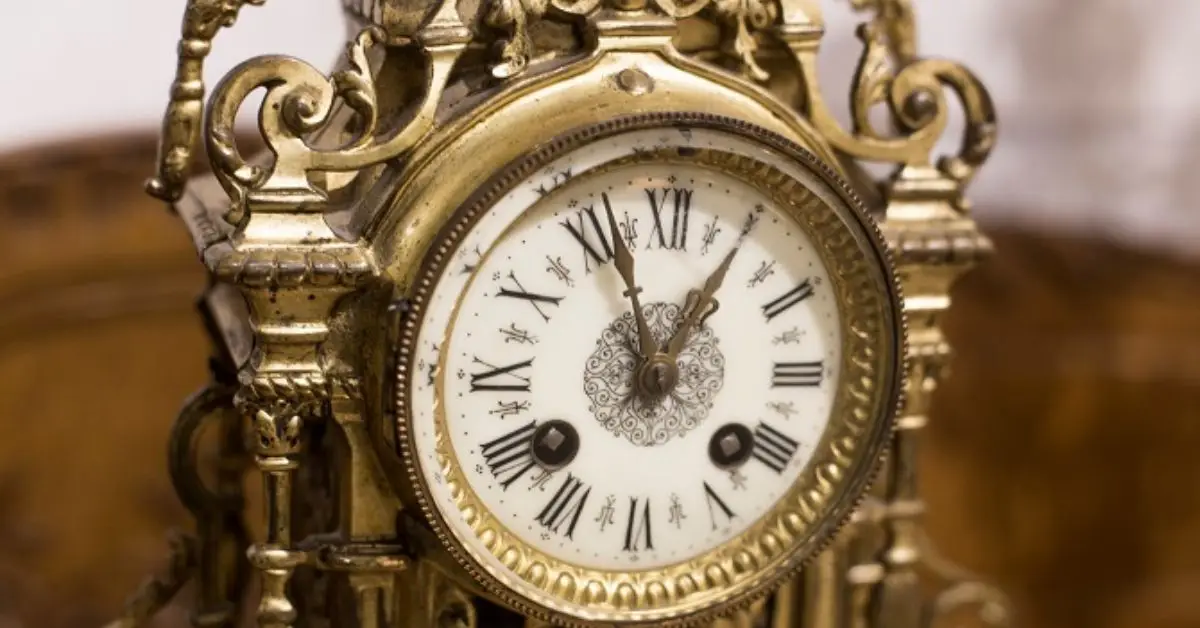
#2: Antique Clocks (Mantel, Wall, or Longcase)
Invaluable.com
Antique clocks are one of the most misunderstood items at estate sales.
I’ve watched people dismiss them instantly—too big, too old, doesn’t work, who needs a clock anyway? That mindset is exactly why good ones slip through cheaply.
Here’s what most people don’t realize:
- Mechanical clocks matter more than battery conversions: Original movements signal age and craftsmanship.
- Signed clockmakers add credibility: A name on the dial or movement can change everything.
- Non-working doesn’t mean worthless: Many collectors expect restoration. Original parts matter more than function.
Collectors care about history, not convenience. Homes & Gardens and clock collector forums consistently note that untouched clocks—even silent ones—are more desirable than altered or modernized versions.
If you come across an old clock and your instinct is to walk away, pause for a moment. Ask yourself why it’s there—and why no one else wants to deal with it. That’s often where the value lives.
#3: Sterling Silver Items (Not Just Jewelry)
Silver is one of the easiest categories to underestimate — and that’s exactly why good pieces slip through cheaply.
Most people think silver value starts and ends with jewelry. If it’s not a ring or necklace, they move on. I’ve seen boxes of silver flatware, trays, and tea sets ignored because they didn’t look “cool” or shiny enough.
Here’s what I want you to keep in mind when you see silver:
- Sterling vs silver-plated is the real line
Sterling is usually marked “925” or “Sterling.” Plated pieces can look similar but are less valuable. - Flatware, trays, and tea sets often outperform jewelry
These were expensive to make and remain collectible because they show history and use. - Melt value vs collectible value
Some silver is worth more as a complete piece than melted down — especially with maker’s marks or age.
When a piece of silver looks unremarkable, that’s exactly when you should inspect it closer. Pieces like this are exactly the kind of find people often pass up — and then regret.
For reference on valuable antique categories that people really shouldn’t overlook (including sterling and other collectibles), check Martha Stewart’s guide.
#4: Original Artwork & Old Frames
Artwork is where personal taste gets people into trouble.
I hear it all the time: “I don’t like it, so it can’t be worth much.” That logic doesn’t apply here. Value in art isn’t about whether you’d hang it in your living room. It’s about originality, age, and construction.
When you’re looking at old artwork, focus on this:
- Original vs print: Originals usually show texture — brush strokes, tiny imperfections, age marks — that prints don’t.
- Unknown artist doesn’t mean low value: Many regional or forgotten artists still have collector demand.
- Frames can be more valuable than the art: Hand-carved, period frames are collectible on their own.
I’ve seen people toss frames aside to “upgrade” later, not realizing they just removed half the value. If something feels old but solid, trust that instinct long enough to look closer.
#5: Antique Ceramics & Art Pottery (McCoy, etc.)

Ceramics are another category where surface damage scares buyers away too quickly.
Here’s what actually matters:
- Maker’s marks and bottom stamps: Flip the piece over. The bottom usually tells you more than the glaze.
- Chips aren’t always deal breakers: Minor edge wear is expected with age. Rare pieces can still hold value even with flaws.
- Decorative vs functional pottery: Art pottery is collected for design and maker, not daily use. Condition rules are different.
#6: Vintage Books & Paper Items (First Editions, Maps, Documents)
Books are one of the most misunderstood categories at estate sales.
I’ve seen people glance at shelves of old books and think, “These won’t sell.” That assumption is exactly why valuable paper items get passed up so easily. Not every old book matters—but the right ones matter a lot.
Here’s what you should slow down for:
- First editions: You don’t need to be a book expert. Small details like publication year, print line, and publisher pages already tell you a lot.
- Dust jackets are deal-makers: The same book with and without its original dust jacket can have a massive value gap.
- Maps, letters, and ephemera: Old maps, handwritten letters, pamphlets, and documents often have collector demand even when books don’t.
Paper feels fragile, so people assume low value. In reality, scarcity and condition drive this category. If something looks historically specific—not generic—it deserves a closer look.
#7: Vintage Toys & Collectibles (Pre-1980)
Vintage toys are one of the highest return categories—and one of the most overlooked.
Most buyers see toys as clutter or nostalgia junk. I see them as time capsules. Pre-1980 toys, especially, sit right at the intersection of memory and scarcity.
Here’s what actually affects value:
- Condition vs nostalgia: Emotional attachment brings buyers in, but condition closes the deal.
- Original packaging changes everything: Boxes, inserts, and instructions can multiply value.
- Brand history matters: Some brands consistently outperform because collectors trust them and grew up with them.
If a toy makes you think, “Someone loved this as a kid,” that’s not a reason to skip it. That’s often the reason it sells.
How to Spot These Antiques Before You Walk Away

This is the moment where most people either win—or regret it later.
You don’t need to know everything. You just need a few repeatable checks that work across categories.
Here’s what I rely on:
- Maker’s marks, materials, and weight: Old things often feel heavier and more deliberate than modern ones. Just be careful—cleaning an antique the wrong way can reduce its value fast, which is why simple, low-risk methods like the ones shared in these shaving cream cleaning hacks that actually work are often safer than aggressive products.
- Be suspicious of items that look too perfect: Over-restored or mass-produced pieces often lack long-term value.
- Know when to Google and when to trust instinct: Quick searches help—but if something feels right, don’t let hesitation talk you out of checking it properly.
Experience teaches this: the best finds rarely scream for attention. They wait quietly.
If You Find One: What to Do Next (Appraisal, Selling, Holding)
This is where most articles stop short—and where readers actually need guidance.
Finding a valuable antique is only step one. What you do next matters just as much.
Here’s how I think about it:
- Appraise when the item feels unusual or unfamiliar: Don’t guess on higher-value pieces.
- Online vs offline selling: Some items do better locally, others need the right global audience.
- Emotional vs financial value: Not everything needs to be sold. Sometimes holding is the smarter move. If you decide to hold onto a piece instead of selling it right away, protecting it correctly becomes critical—especially from sunlight, moisture, and pests—and this breakdown on how to protect vintage pieces from sun, humidity, and bugs covers the basics most people overlook.
If you want to understand real-world pricing and market demand before making a decision, platforms like Barnebys are useful for seeing how similar antiques perform across auctions.
Conclusion — Before You Walk Away, Look Twice
Most people don’t lose money on antiques by buying the wrong thing. They lose it by walking away too fast.
If there’s one idea I want you to carry with you, it’s this: valuable antiques rarely announce themselves. They sit quietly on tables, shelves, and corners—looking ordinary, used, or inconvenient. The difference between missing them and recognizing them comes down to slowing down and knowing what signals to watch for.
You don’t need to be an appraiser. You don’t need years of experience. You just need a better filter than “Do I like how this looks?” When you start paying attention to materials, construction, age, and context, your decisions change—and so do your results.
The next time you’re at an estate sale, thrift store, or sorting through old family items, pause for a moment. Ask yourself if what you’re seeing might be valuable for reasons that aren’t obvious yet. That habit alone will save you from passing up things most people regret later.
Now I’d love to hear from you.
Have you ever skipped an old item and later realized it might have been worth something? Or have you found something unexpected that surprised you? Drop your story in the comments—real experiences help everyone get better at spotting value.
And if you want more practical guides, real-world insights, and no-fluff advice on antiques, home finds, and smart restoration decisions, explore more articles on Build Like New. That’s where I share what actually works—not just what looks good on paper.
Disclaimer: Antique values can vary based on condition, market demand, location, and buyer interest. The information shared here is for general guidance only and should not be taken as professional appraisal or financial advice. For high-value or rare items, always consult a certified appraiser or auction expert before buying or selling.