Stop! 8 Household Electrical Fixes You Shouldn’t Attempt Yourself
I’ve spent years watching homeowners get confident with a screwdriver and end up in situations that could have been avoided. You might think, “It’s just a quick fix,” or “I can handle this myself,” but when it comes to electrical tasks homeowners should not do, the risks are real—and sometimes life‑changing.
Electricity doesn’t forgive small mistakes. A flickering outlet, a DIY ceiling fan, or a poorly wired appliance might seem harmless today, but one misstep can cause serious injury, fire, or even legal trouble with your insurance. In this article, I’m going to walk you through the eight electrical tasks I’ve seen people attempt on their own—and why calling a professional is almost always the safer, smarter choice.
By the end, you’ll not only understand the dangers but also know practical ways to protect yourself, your family, and your home. And I’ll share tips on what’s actually safe for you to handle, so you don’t feel like you have to sit back and do nothing.
Understanding Residential Electrical Risk
I know it’s tempting to think, “It’s just a few wires, I can handle this,” but even what looks simple can quickly turn into a nightmare. I’ve seen homeowners try to fix a flickering outlet or add a new light and end up dealing with shocks, fires, or property damage. Here’s why:
- Invisible hazards: A lot of your home’s wiring is hidden behind walls, under floors, or in ceilings. You can’t see if the wires are old, improperly grounded, or near water pipes. A small mistake can cause sparks that ignite insulation or drywall.
- Complex code requirements: The National Electrical Code (NEC) exists for a reason. Even minor changes, like adding a new outlet or modifying a switch, can violate safety standards if you don’t know the rules.
- Insurance & legal consequences: Attempting electrical work without a licensed professional can void your insurance. If something goes wrong, you may be on the hook for damages or face fines. Greenwood Heating and Air Conditioning explains why homeowners often underestimate these risks.
Before you grab your tools, it’s crucial to understand these dangers—because awareness is the first step in protecting yourself, your family, and your home.
Task 1: Rewiring or Adding New Circuits

If you’ve ever considered upgrading your home’s wiring, let me stop you right here: this is not a DIY weekend project. Many homeowners don’t realize how complicated circuit modifications can be. I’ve seen cases where someone thought they were just adding a few outlets—and ended up with overheating wires or tripped breakers all over the house.
Why you really need a professional:
- Hidden wiring & load balancing: You might think you can add a new outlet anywhere, but the circuits have limits. Improperly balanced loads can cause overheating and fires.
- Code compliance: Every circuit you add has to meet NEC standards. Wrong wire gauge, missing grounding, or bypassed breakers can be disastrous.
- Common mistakes: Using the wrong wire size, connecting multiple high-power appliances to one circuit, or ignoring breaker capacity.
Signs you might need rewiring:
- Flickering or dimming lights when appliances turn on
- Warm or discolored outlets
- Frequent breaker trips without obvious cause
A professional electrician can evaluate these signs and handle rewiring safely, saving you from potential hazards. For practical examples, check out Aardvark Electric Service—they show how small DIY mistakes can turn into major problems.
Task 2: Upgrading Electrical Service or Panel
Upgrading your home’s electrical panel might sound like “just another box in the basement,” but it’s one of the riskiest tasks you can attempt alone. I’ve learned over the years that even a single mistake here can knock out your power, damage your appliances, or start a fire.
What panel upgrades involve:
- Increasing load capacity to handle modern appliances
- Installing subpanels for new circuits
- Changing breakers safely without overloading lines
The consequences of a bad job aren’t minor:
- Power outages that leave your home in the dark
- Fire hazards that insurance may not cover
- Failing home inspections if you ever sell
Even small mistakes in panel upgrades can not only trip breakers but also increase the chance of a power outage—learn more about the common power outage mistakes electricians warn against to keep your home safe.
If you’re thinking about an upgrade, your safest move is to research local permit requirements and interview a licensed electrician. Trust me—you’ll save time, money, and a lot of stress by letting someone trained handle it.
Task 3: Installing Hardwired Appliances
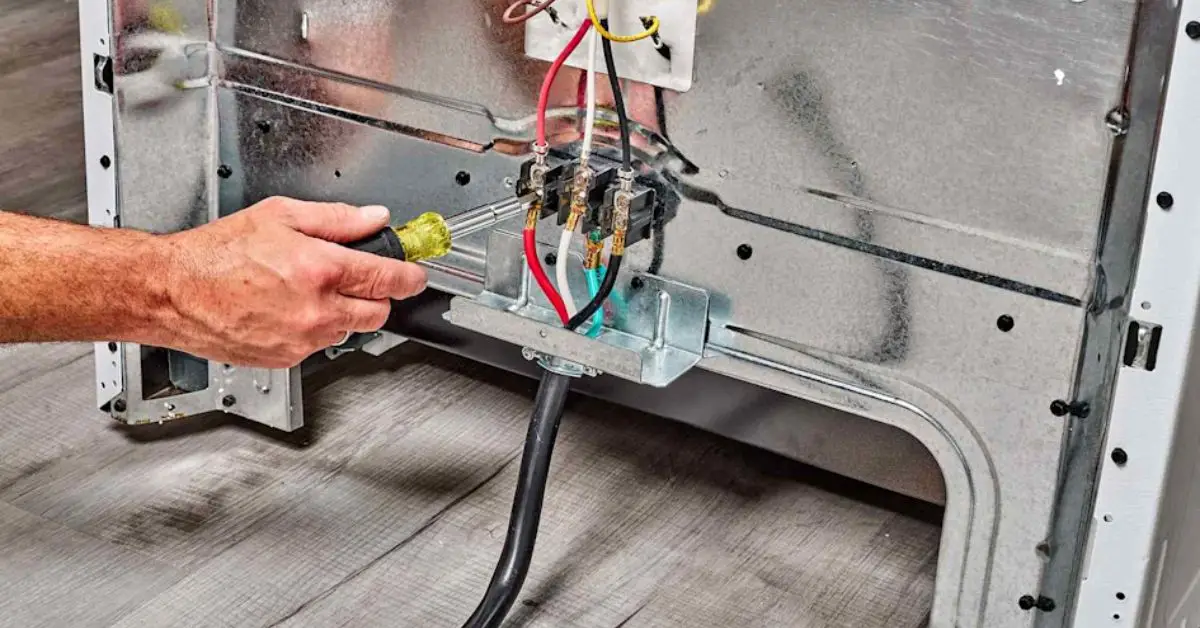
When it comes to ovens, dryers, or HVAC systems, you might think it’s “just a plug and go,” but these are hardwired appliances that need more than a standard outlet. I’ve seen homeowners try to save a few bucks and end up with loose connections, tripped breakers, or even sparks.
Why calling a professional matters:
- Dedicated circuits: Each hardwired appliance usually requires its own circuit to prevent overload. You can’t just share an outlet like you do with a lamp.
- Secure connections & grounding: Improper wiring can create dangerous shock hazards. A pro ensures everything meets code and is properly grounded.
- Plug-in vs hardwired: Plug-in appliances are safe for DIY because they use existing outlets. Hardwired ones bypass that safety and connect directly to your home’s electrical panel.
Pro tip: A licensed electrician on social media recently shared: “Never assume a hardwired appliance is safe to DIY. It’s not just about wires—it’s about your family’s safety.”
Task 4: Outdoor Electrical Installation (Wires, Outlets, Lighting)
Outdoor electrical work combines moisture, weather exposure, and sometimes buried wiring, which makes it far riskier than indoor jobs. I’ve learned that even experienced DIYers often underestimate these hazards.
Why outdoor jobs are tricky:
- Weatherproofing: All boxes and outlets need to be rated for outdoor use and sealed against water.
- GFCI protection: Outdoor outlets must have GFCI protection to prevent shocks. Improper installation can render them useless.
- Burying cable safely: Depth, conduit, and marking are crucial to prevent accidental digging or damage. Properly protecting outdoor outlets and boxes is just as important as correct wiring—here’s a guide on why you should cover outdoor electrical boxes before winter and what happens if you don’t.
Safe DIY boundary: You can safely plug in temporary decorations or landscape lights using GFCI outlets, but anything that requires permanent wiring should be handled by a licensed electrician.
Task 5: GFCI & AFCI Replacement or Fault Fixes
These devices are your home’s silent protectors. A GFCI (Ground Fault Circuit Interrupter) protects you from shocks in wet areas, while an AFCI (Arc Fault Circuit Interrupter) helps stop fires by detecting dangerous arcs. I’ve seen homeowners bypass them or install them incorrectly, thinking it’s simple—but a small wiring mistake can leave you unprotected.
Why calling a professional matters:
- Technical complexity: Testing, wiring, and installing these breakers correctly requires understanding current flow and breaker panels.
- Code requirements: Kitchens, bathrooms, garages, and outdoor outlets must follow strict AFCI/GFCI rules. Improper installation can fail inspections and increase fire or shock risk.
- Modern safety tech: Many AFCI/GFCI breakers now use microprocessor logic or sensitive detection, which can be tricky to wire correctly.
For a detailed guide on why these safety devices matter and how they prevent fires and shocks, check out the Electrical Safety Foundation International’s GFCI & AFCI Safety Resources.
Why that matters:
- Incorrect installation can leave you thinking you’re protected when you’re not.
- Improper wiring can cause breakers to trip unexpectedly—or fail when they should.
- Code requirements evolve; what was acceptable 10 years ago may not meet today’s standards.
This is exactly the kind of work you should have an electrician handle—not because it’s expensive, but because it’s life and property you’re protecting.
Task 6: Troubleshooting Dead or Flickering Outlets

It might seem harmless when a single outlet keeps going dead or a light flickers—but I’ve learned that this is often a sign of deeper electrical issues. I’ve seen homeowners repeatedly reset breakers or swap plugs, thinking it’s a minor annoyance, only to discover hidden shorts or loose connections later.
Why DIY guesses can be dangerous:
- A loose wire behind an outlet can create sparks or intermittent shocks.
- Hidden short circuits can overload the circuit, potentially causing fires.
- Resetting breakers repeatedly without investigation masks the real problem and increases risk.
Checklist of what NOT to do:
- Don’t keep flipping breakers to “fix” the issue.
- Don’t assume it’s just the appliance you plugged in.
- Don’t touch wires with bare hands or metal tools while the circuit is live.
- Don’t ignore repeated issues—small signals can prevent big hazards.
If you notice any of these warning signs, it’s a cue to stop and call a professional before you—or anyone else—gets hurt.
Task 7: Ceiling Fan & Complex Fixture Installations
Ceiling fans and intricate light fixtures are a classic DIY project—but trust me, they’re riskier than most people think. I’ve seen plenty of situations where the fixture wasn’t properly supported or wires were mismatched, causing the fan to wobble dangerously or even sparks behind the ceiling plate.
Why mistakes happen:
- Incorrect bracket or box support can make a ceiling fan fall.
- Improper wiring, such as mixing up wire colors, can create shock hazards.
- Misunderstanding the difference between simple bulb replacement and full fixture installation leads people to overestimate their skill.
A smart rule I follow: if the installation requires cutting into the ceiling, dealing with multiple wires, or connecting directly to the circuit panel, it’s worth letting a licensed electrician handle it.
Task 8: Any Work Behind the Wall (Drilling or Fishing Cables)
Working behind walls seems straightforward—just drill a hole, run a wire—but hidden wires, plumbing, or pipes make this deceptively dangerous. I’ve learned that one careless drill or saw can result in a live-wire shock, fire, or costly repairs.
Risks to keep in mind:
- Drilling into live wires can electrocute you or spark a fire.
- Hidden cables or pipes can be damaged, leading to secondary hazards.
- Misidentifying circuit paths increases risk of overloading or shorting circuits.
Pro tips for safety:
- Always use a voltage detector before touching any wires.
- Follow basic lockout/tagout practices: shut off power at the breaker panel and label it so nobody accidentally turns it back on while you’re working.
- When in doubt, don’t guess—stop and get a professional to inspect.
Even small mistakes behind the wall can have serious consequences, so I always treat these jobs as off-limits for DIY.
When It’s Actually Safe to DIY: Practical Boundaries

I don’t want you to feel paralyzed every time a light flickers or a breaker trips. There are simple, safe tasks you can handle yourself—if you follow basic precautions.
Safe DIY tasks:
- Changing light bulbs and replacing lamps
- Resetting breakers after turning off the main panel
- Labeling circuits and panels for easy identification
Safe habits to follow:
- Always shut off the breaker before touching anything.
- Verify with a voltage tester that the circuit is dead.
- Wear proper safety gear like insulated gloves and safety glasses.
By knowing your boundaries, you can take control of small fixes confidently—without risking injury or damage.
Hiring a Professional: What to Expect
When a task goes beyond your DIY comfort zone, a licensed electrician is your best safety net. Here’s what I suggest:
How to vet electricians:
- Confirm licensing and insurance
- Check reviews and testimonials from previous clients
- Get multiple estimates to ensure fair pricing
What a typical service call includes:
- Assessing your issue and identifying potential hazards
- Safe handling of wiring, breakers, and panels
- Explaining repair steps and ensuring code compliance
Pro tip: Make sure all work complies with local building codes and permit requirements to avoid fines or insurance issues. Following the rules today can save a lot of headaches later.
Supporting Tools, Safety Gear & Checklists
Having the right tools and a clear plan can make even simple electrical tasks safer.
Must-have tools:
- Reliable voltage tester
- Insulated screwdrivers and pliers
- Circuit labels and tags
Quick safety checklist:
- Power off at the breaker panel
- Verify with tester
- Keep work area dry and clear of hazards
- Know when to call 911 versus a licensed electrician
A little preparation goes a long way toward avoiding accidents.
Wrap-Up: Core Safety Takeaways
Here’s what I always tell homeowners:
- Respect electricity—it’s invisible but dangerous.
- Know your limits: some tasks are perfectly safe for DIY, others require a pro.
- Proper tools, safety habits, and awareness can prevent injuries and protect your home. Following proper safety habits, knowing your limits, and staying aware of hidden hazards are key—but for a deeper dive into preventing electrical fires in your home, check out our detailed guide.
I’d love to hear from you! Have you ever tackled an electrical project yourself, or do you always call a pro? Share your experiences in the comments below, and check out more practical home improvement tips at Build Like New to make your home safer, smarter, and easier to maintain.
Disclaimer: This article is for informational purposes only and is not a substitute for professional electrical advice. Always hire a licensed electrician for tasks beyond basic DIY safety. The author and Build Like New are not responsible for any accidents, injuries, or damages resulting from attempted electrical work.