Pruning Neighbor’s Ivy: Legal Rights, Safety Tips, and Step-by-Step Guide
I’ve seen this situation come up more times than I can count: you walk outside, look at your fence, shed, or trees—and your neighbor’s ivy is creeping right onto your property. It looks harmless at first. Even pretty. But then the boards stay damp, the vines get heavier, and suddenly you’re worried about rot, pests, or storm damage. That’s usually when people ask me the same question: Can I legally cut this back, or am I asking for trouble?
Trimming encroaching ivy isn’t just about keeping your yard neat. Ivy traps moisture, weakens wood, and creates the kind of dense cover ticks and rodents love. Left alone, it can turn into a real maintenance and safety issue. And when the plant belongs to a neighbor, the stress isn’t just physical—it’s legal and emotional too. Nobody wants a simple yard fix to turn into a neighbor dispute.
I want to walk you through what you’re actually allowed to do, where homeowners often make mistakes, and how to handle this in a way that protects your property and keeps things civil. By the end, you’ll know where the law draws the line, why communication matters more than people think, and how to act with confidence instead of guesswork.
Before we go further—have you already talked to your neighbor about the ivy, or are you trying to figure out your rights first?
Why Encroaching Ivy Is More Than a Garden Problem
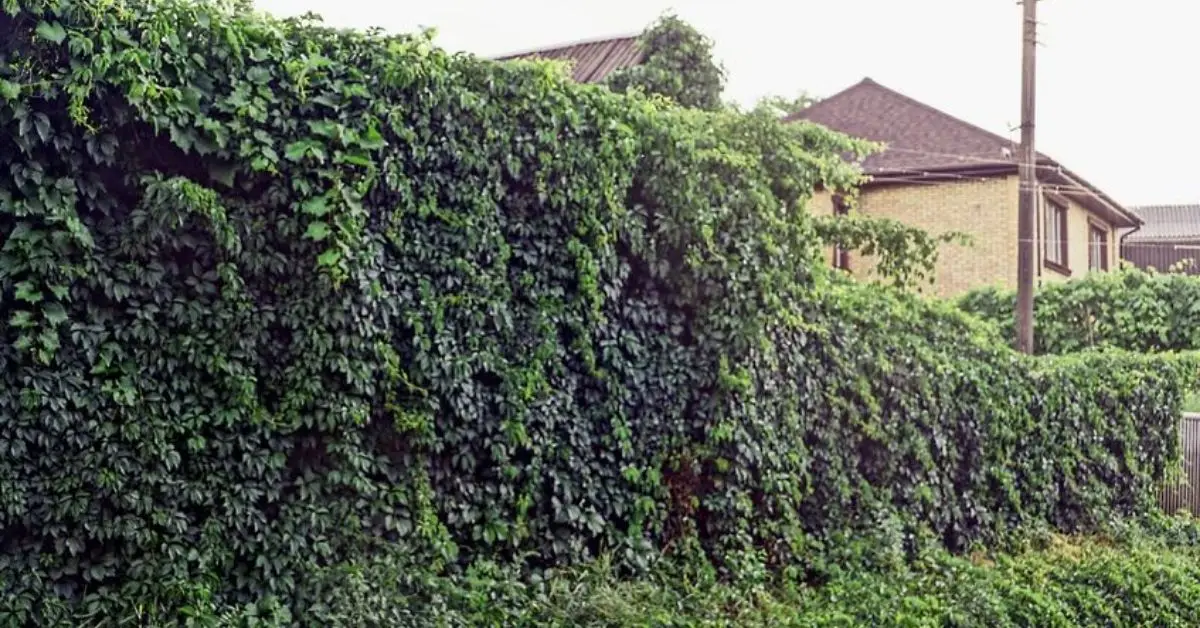
If you’ve ever noticed ivy sneaking over your fence or climbing up your trees, you probably thought it was just a bit of greenery. But here’s the reality: this plant can create real headaches if left unchecked. I’ve seen homeowners underestimate the damage, and by the time they notice, it’s already causing problems.
Here’s what can happen when ivy starts encroaching onto your property:
- Moisture retention – Ivy traps water against fences and wooden structures, leading to rot over time. That moisture can also weaken deck supports or garden trellises.
- Heavy vine load – A thick canopy of ivy can act like a sail in strong winds, putting extra strain on trees and fences and increasing the risk of branches breaking during storms.
- Dense growth creates pest habitats – Rodents, ticks, and other small pests love the humid microclimate that thick ivy produces. You don’t want them moving into your yard without warning.
The takeaway here is simple: trimming ivy isn’t just about making your yard look neat—it’s a preventive measure to protect your property and your safety.
Is Ivy Actually Invasive? What Homeowners Should Know
Ivy may look charming, but some types, especially English ivy, can be surprisingly aggressive. If you’re thinking about trimming it, you need to understand just how quickly it spreads and why it becomes a problem:
- Rapid growth – Ivy can climb dozens of feet in a single season and spread horizontally along the ground.
- Climbing habit – It uses aerial roots to attach to almost anything, which can damage walls, fences, and trees.
- Invasive label – In many US regions, English ivy is considered invasive because it outcompetes native plants and easily crosses property lines without warning.
- Crosses boundaries easily – Even if you maintain your yard, the moment it grows from your neighbor’s property, it can start causing the same moisture, load, and pest issues we just discussed.
Knowing how fast and aggressively ivy spreads gives you a stronger reason to trim it promptly. It’s not just about keeping your garden tidy—it’s about taking proactive control before it becomes unmanageable.
The Legal Reality — Can You Trim Your Neighbor’s Ivy?
Now let’s get to the part everyone worries about: what you’re legally allowed to do. I understand why homeowners hesitate—no one wants to trim a vine and end up in a legal battle.
Here’s the essential rule in the United States: you can trim any ivy that crosses onto your property up to your property line. The plant itself still belongs to your neighbor, but the part that’s encroaching is fair game. While you do this, you need to be careful:
- Don’t cross the property line into your neighbor’s yard.
- Avoid damaging the main plant or root system—focus only on what’s on your side.
- Document the boundary if there’s any chance of dispute, and take photos if you can.
For more detailed guidance on what’s allowed and how homeowners handle these situations, you can check out Martha Stewart’s guide on pruning neighbors’ ivy. Her advice aligns with practical safety and property-preservation strategies I’ve used with clients.
Property Line Mistakes That Can Turn Legal Trimming Into a Dispute
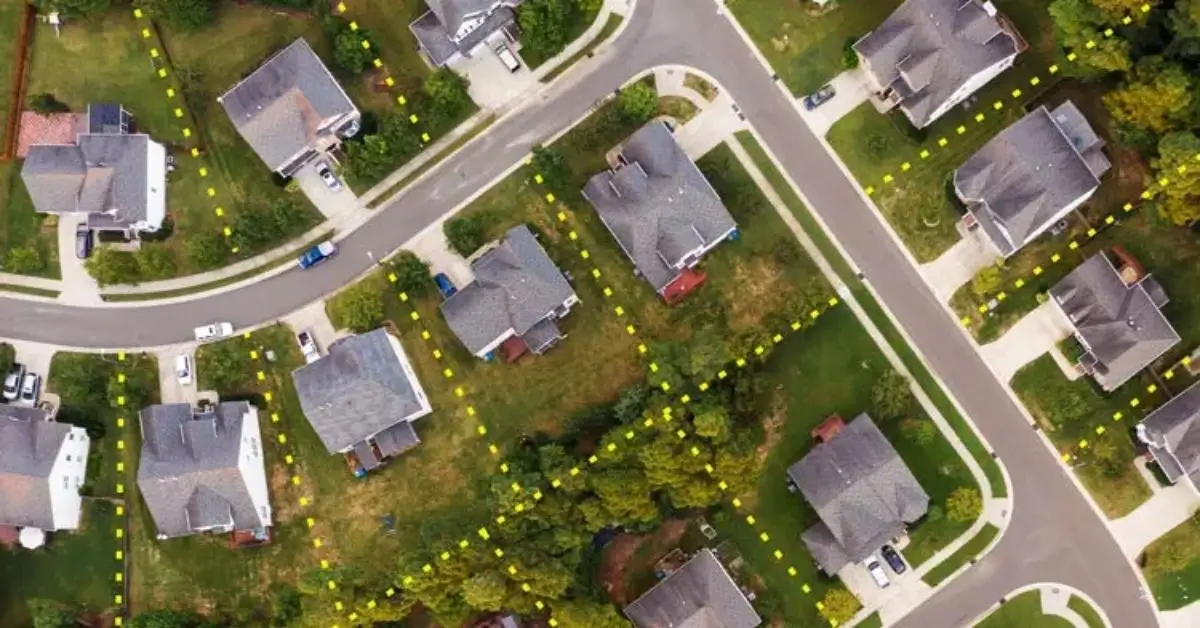
You might assume that the fence separating your yard from your neighbor’s marks the legal property line. I’ve seen this mistake more times than I can count, and it’s where a simple pruning job can quickly turn into a legal headache.
Fence ≠ Property Line (Common Misconception)
- Many fences are installed slightly inside or outside the actual boundary. If you’re unsure where your fence sits versus your actual property line, it’s also helpful to understand who is responsible for maintaining or replacing a shared fence, which can prevent disputes before they start.
- Guessing where your property ends can accidentally put you in trespass territory.
- Even if your neighbor doesn’t notice at first, damage to their plant or structure can lead to disputes or claims for compensation.
When You Should Verify the Property Line
- Any visible disagreements about where one yard ends and another begins.
- Ivy growing on shared structures like fences, trellises, or pergolas.
- High-value fencing or trees that could be damaged if trimming is done incorrectly.
I’ve found that verifying the property line before cutting a single vine saves a lot of headaches and keeps both sides feeling respected. For detailed tips on understanding boundaries and avoiding disputes, you can check out Cornell Law’s guide on property boundaries.
Talk to Your Neighbor First — Why Communication Matters Legally
Even if you’re fully within your rights, how you approach your neighbor can make all the difference. A short conversation often prevents a situation from escalating. Approaching neighbors respectfully can be tricky, especially if there are unusual circumstances; similar principles apply when you need guidance on approaching a deceased neighbor’s property the right way.
How a Simple Conversation Protects You
- Avoids misunderstandings before you even touch the ivy.
- Shows you’re making a good-faith effort, which can be crucial if a dispute ever reaches legal attention.
- Helps you set expectations for trimming frequency, safety, and disposal of plant material.
When a Neighbor Refuses — What Are Your Options?
Sometimes, even after a polite conversation, a neighbor may refuse to cooperate. It’s frustrating, but you still have options.
What Happens If You Can’t Reach an Agreement
- You’re still legally allowed to trim the ivy that has grown onto your side of the property line.
- If the situation escalates:
- Consider civil remedies, like mediation or small claims.
- Consult a lawyer for advice on your rights and the best course of action.
- If disputes escalate and you need to explore your rights, it’s worth knowing that in some cases, laws allow neighbors to access each other’s property for repairs, as explained in this NY law guide on neighbor access.
Knowing your boundaries and options prevents false expectations and helps you act confidently, rather than letting frustration lead to a mistake that could cost time or money.
How to Trim Ivy Safely and Correctly
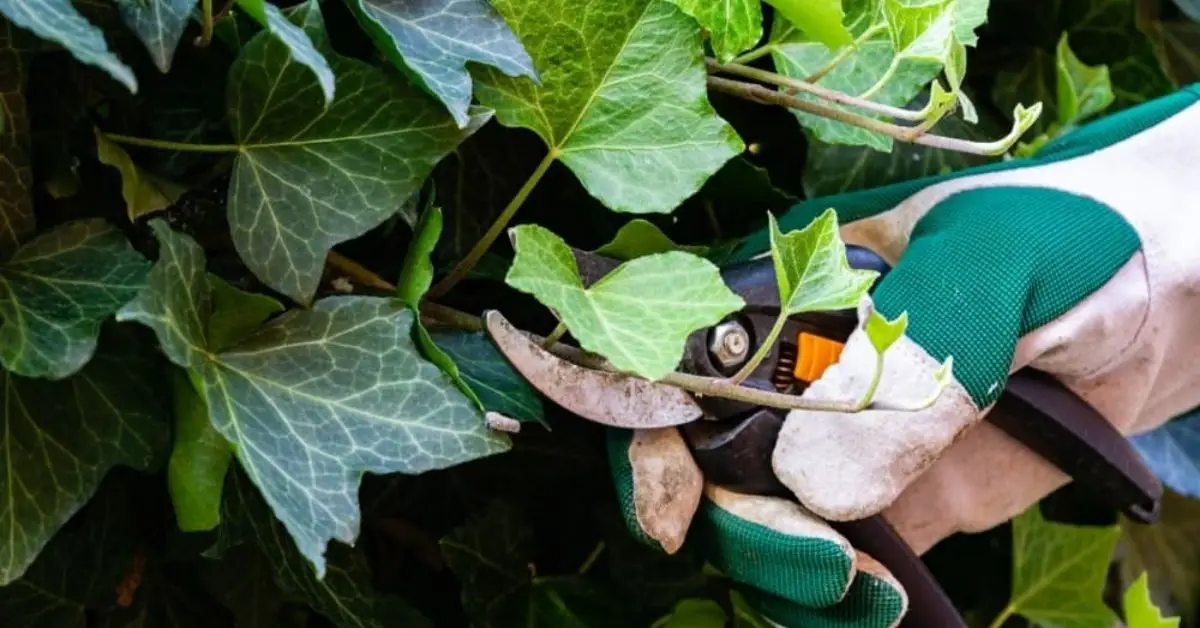
When it comes to actually pruning, safety and technique are key. I’ve seen people rush in with clippers and end up with scratches, rashes, or even broken branches.
Safety First — Protect Yourself Before You Start
- Ivy can irritate the skin, causing redness or itching, so wear gloves and long sleeves.
- Protective eyewear is also a smart precaution if you’re pulling ivy off fences or walls.
Tools You’ll Need
- Sturdy gloves and long-sleeve shirts.
- Hand pruners for smaller vines, loppers for thicker, woody stems.
- A step ladder if the ivy climbs high—but make sure it’s stable and you have a spotter.
Taking these precautions keeps you safe and makes the job easier.
Step-by-Step: How to Trim Ivy at the Property Line
If you’re standing at the edge of your yard wondering where to start, you’re not alone. I’ve trimmed ivy dozens of times, and following a clear step-by-step process keeps you from accidentally damaging structures or crossing the line into your neighbor’s space.
Step 1 — Identify and Agree on the Boundary
- Make sure you know exactly where your property ends — fence lines can be misleading.
- If possible, ask your neighbor to walk the line with you. A quick agreement upfront can save arguments later.
- Take a few photos with the boundary clearly marked as proof of where the line lies.
Step 2 — Cut at Ground Level First
- Use hand pruners for thin, flexible vines that you can snip easily.
- Use loppers for thicker, woodier stems that need more leverage.
- Work methodically along the ground at the boundary; this keeps the job tidy and focused.
Step 3 — Detach Carefully From Structures
- Ivy clings tightly to fences, walls, and trees. Pulling hard can damage paint, wood, or bark.
- Take your time and detach slowly so you preserve both your surfaces and your peace of mind.
Step 4 — Dispose of Ivy Correctly
- Ivy with no flowers or seeds can go in your compost bin.
- If it has flowers or seeds, it’s best to put it in the trash so it doesn’t regrow somewhere else.
- Bag it up right away — loose ivy can spread if left lying around.
Using the right technique matters — the wrong move can damage property or let the ivy come right back.
For a clear, friendly take on pruning encroaching ivy and what you’re actually allowed to do in your yard, check out this guide from AOL.
Maintenance — How to Stop Ivy From Coming Back
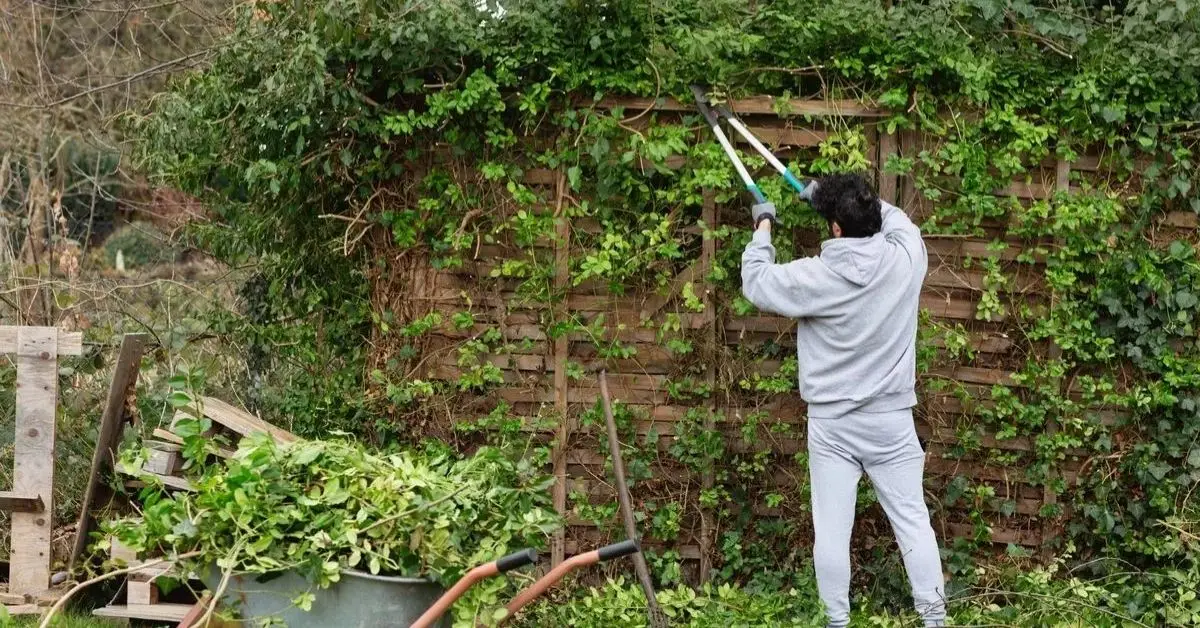
Trimming once is great, but if you want your yard to stay ivy-free, you’ll need a simple maintenance plan. I tell homeowners to think of it like routine yard care — check it regularly so it doesn’t surprise you.
Creating and Maintaining a Clean Boundary
- Regular inspections: Walk your property line every few weeks. If you spot new growth early, you can nip it before it gets tangled.
- Seasonal trimming schedule: Cut back ivy before it gets dense. Spring and fall are ideal.
- Why winter trimming works best: Ivy’s main growth cycle slows when temperatures drop, so pruning in winter makes it easier to control before spring pushes new shoots.
This isn’t about obsessing over every vine — it’s about staying ahead of the problem so it never overwhelms your yard.
Smart Ivy Management Is Legal, Preventive, and Neighbor-Friendly
After walking through everything—from understanding ivy growth to trimming safely and maintaining your boundary—you can see that managing ivy isn’t just about appearances. It’s about protecting your property, keeping pests at bay, and staying on good terms with your neighbors.
Here’s what smart ivy management does for you:
- Protects your property – Regular trimming prevents rot in fences, damage to trees, and structural issues before they start.
- Reduces pest risk – Clearing dense ivy removes ideal habitats for ticks, rodents, and other unwanted critters.
- Maintains neighbor relations – Talking to your neighbor and trimming responsibly keeps disputes from escalating.
- Keeps you legally safe – Staying within your property line and following proper steps ensures you act within your rights.
By handling ivy thoughtfully and consistently, you take control instead of letting it control your yard. I’ve seen homeowners gain real confidence once they understand their rights and know how to act.
If you’ve dealt with encroaching ivy—or are planning to—I’d love to hear your experience. Drop a comment below sharing what worked for you or what challenges you faced. And if you want more homeowner tips and guides for property care, check out Build Like New for practical advice you can trust.
Disclaimer: This article is for informational purposes only and is not legal advice. Laws and property rights can vary by location, so consult a qualified professional if you have specific legal concerns.