Before You Dump Old Mop Water, Here’s When It Can Be Reused
I’ll be honest — I used to dump old mop water down the drain without thinking twice. Dirty water equals trash, right? Then one day, while staring at a half-full bucket and a row of thirsty plants outside, the question popped up: Can you give plants old mop water, or is that a terrible idea?
If you’ve Googled this, you’ve probably noticed something frustrating. Most answers are either a hard no or a vague warning with no real explanation. No context. No “it depends.” Just fear-based advice that doesn’t match how people actually live or clean their homes.
Here’s the thing most articles miss: not all mop water is the same, and not all plants react the same way. The risk isn’t the dirt — it’s what you added to the water, how often you reuse it, and where that water ends up. Once you understand those pieces, the decision becomes a lot clearer and way less scary.
I’ve looked at what gardening experts say, what environmental scientists warn about, and what real homeowners admit doing when no one’s watching. The truth sits somewhere in the middle — and that’s exactly where this conversation should be.
So before you pour that bucket down the drain or into your plants, let me ask you this: what was actually in your mop water — and where were you planning to use it?
Why People Even Ask This Question (And It’s Not a Dumb One)
I know exactly how this thought starts. You finish mopping, look at the bucket, then look at your plants — and dumping all that water suddenly feels unnecessary. You’re not being careless. You’re just trying to be practical.
In the US, water waste isn’t a small topic anymore. Between drought warnings, conservation messaging, and higher utility bills, you and I are constantly nudged to use water more thoughtfully.
Most people don’t even mop daily, which is why questions around water reuse come up in the first place — especially when you realize how often you really need to mop every room in your home isn’t as frequent as we once thought.
Even the EPA’s water conservation guidance talks about rethinking everyday water use and avoiding unnecessary waste, which naturally pushes people to question habits like pouring mop water straight down the drain.
A few reasons this question makes total sense:
- Drought awareness has made people more conscious of every gallon they use
- Rising water bills make throwing away usable water feel wasteful
- Houseplants are everywhere now, especially indoors, where watering feels intentional and personal
So when someone asks if old mop water can be used for plants, it’s not ignorance. It’s what happens when sustainability advice meets real-life cleaning routines. The mistake most articles make is treating the question like it’s obvious — when it’s actually situational.
What’s Actually Inside “Old Mop Water”?
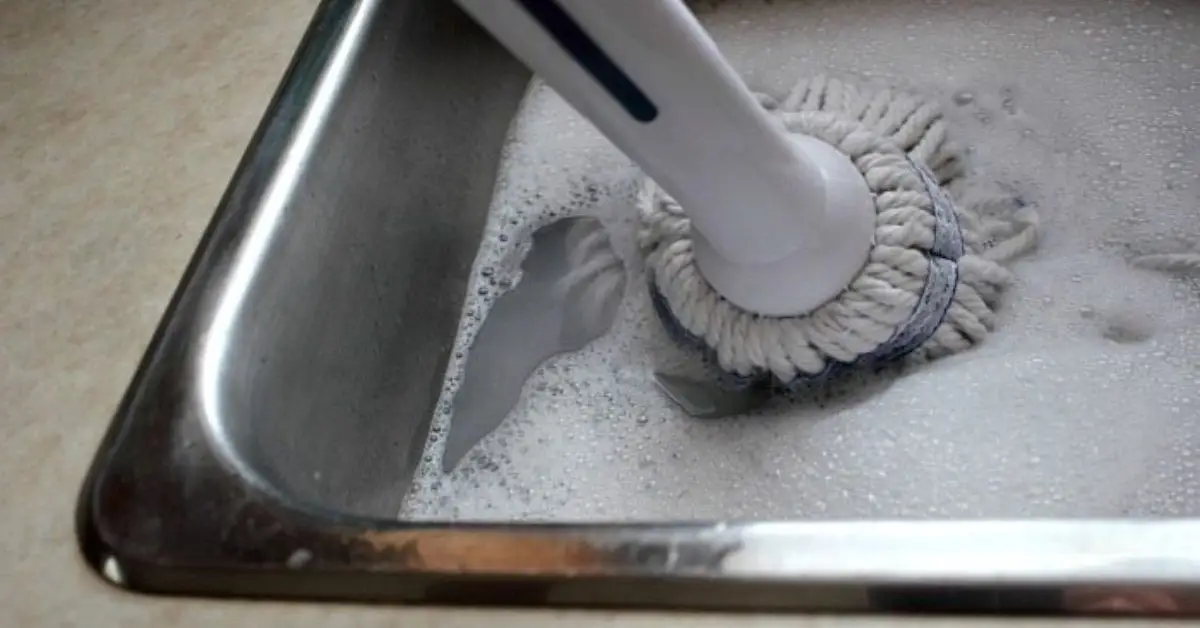
Before you decide whether mop water belongs in your plants or the drain, you need to slow down and ask one simple thing: what’s actually in that water? Because mop water is rarely just water.
Plain Water vs Cleaner-Added Water
If I mop using plain water, the bucket usually contains:
- Dust
- Tracked-in dirt
- Pet hair
- Everyday floor grime
That kind of water is dirty, yes — but chemically, it’s not much different from muddy rainwater or outdoor runoff. And if you’ve ever noticed your floors still don’t feel truly clean, there’s a reason for that — understanding the signs your floors aren’t actually clean even after mopping also explains why mop water can contain more residue than you expect.
The moment you add a cleaner, everything changes.
Cleaner-added mop water often contains:
- Detergents designed to break down grease
- Disinfectants meant to kill bacteria
- Fragrances and additives that don’t break down easily in soil
That’s where plants can start reacting negatively, especially over time.
Common Mop Additives That Change Everything
Here’s what typically ends up in mop water and why it matters to your plants:
- Dish soap: Even small amounts can damage roots because soaps strip protective layers.
- Floor cleaners (Pine-Sol, Lysol, similar brands): These are made for hard surfaces, not living soil.
- Vinegar: Mild once or twice, but repeated use can shift soil pH.
- Bleach or disinfectants: This is the biggest red flag — these chemicals don’t dilute as safely as people assume.
This difference — plain water versus cleaner-added water — is the part most content skips over. But it’s the line between a one-time harmless decision and slow, invisible plant damage.
Before moving on, think about your own bucket for a second. What did you actually put in it?
When Old Mop Water Is Actually Okay to Use
This is where most articles stop short — and honestly, where the real answer lives. Old mop water isn’t automatically bad. In certain situations, it won’t hurt your plants at all. You just need to know when that’s true.
Yes—There Are Situations Where It Won’t Hurt
I want you to think about mop water the same way you’d think about any reused household water. If it’s plain water with dust and dirt, the risk level is very different compared to water mixed with chemicals.
If the Mop Water Had No Cleaners at All
If you mopped using only water, here’s what’s usually inside the bucket:
- Dust
- Dirt
- Small floor debris
That’s it.
From a plant’s point of view, this is close to muddy outdoor runoff after rain. Soil — especially outdoor soil — is designed to handle mild impurities and dilution. This idea lines up with how experts talk about safely reusing non-contaminated household water, something gardening specialists have explained in detail in Tom’s Guide when discussing which types of household water plants can tolerate.
Key thing to remember: no cleaners means no chemical stress.
If You’re Watering Non-Sensitive Outdoor Plants
Plant choice matters more than people realize. Old mop water (only plain water) is least risky when used on:
- Shrubs
- Decorative grasses
- Established outdoor plants
- Non-edible landscaping plants
These plants grow in open soil where:
- Water drains freely
- Residues dilute naturally
- Roots aren’t confined to a small pot
That natural buffer makes a big difference.
Emergency or One-Time Use (Not a Habit)
Let me be very clear — this is not about turning mop water into your regular watering routine.
But in real life:
- Drought restrictions happen
- Heat waves stress plants fast
- Sometimes you’re out of water when a plant is wilting
In those moments, a one-time use of plain mop water can be better than letting an outdoor plant dry out completely. The danger starts when this becomes a habit.
When Mop Water Can Quietly Kill Your Plants
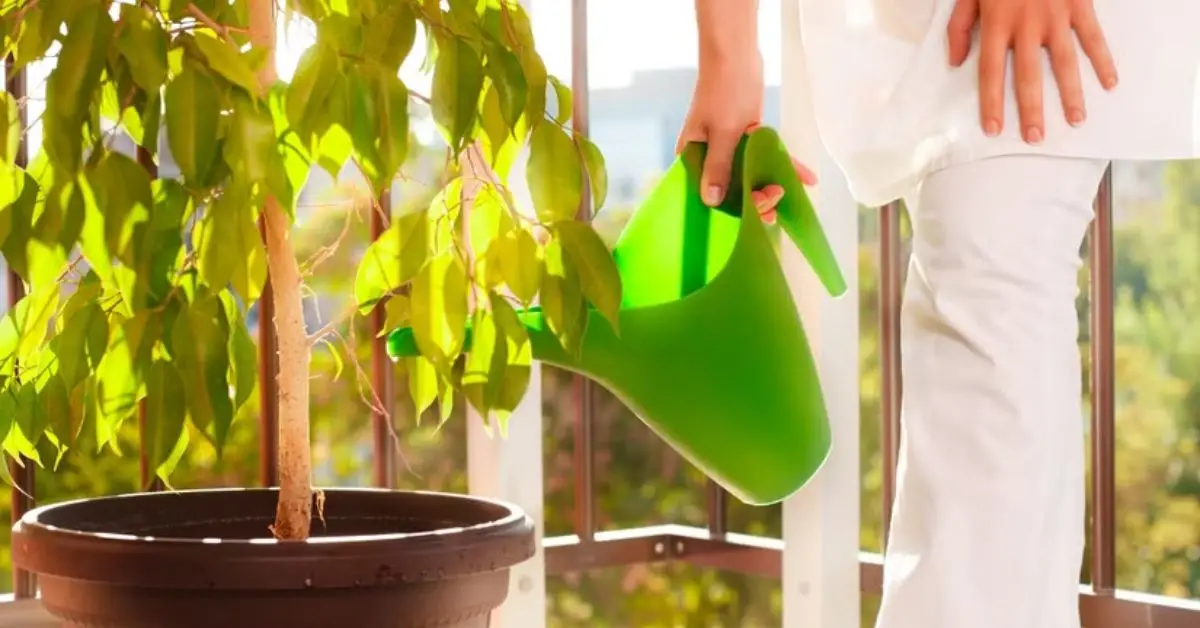
Now for the part people really need to hear. Mop water doesn’t always kill plants overnight. Sometimes it does damage slowly, and by the time you notice, it’s already done.
If It Contains Detergents or Disinfectants
The moment you add cleaners, the risk jumps. This risk increases even more when people use scented cleaners or boosters — including popular mop water add-ins that make floors smell fresh — because what’s safe for floors isn’t always safe for soil or roots.
Here’s why:
- Surfactants weaken root membranes
- Salt residues build up in soil over time
- Roots struggle to absorb water properly
Plants may look fine at first. Then weeks later, growth slows, leaves yellow, or roots rot.
Indoor Plants and Container Soil Risks
If you’re thinking about indoor plants, this is where you should stop.
Potted plants:
- Don’t have natural soil dilution
- Trap chemicals near the roots
- Can’t flush residues easily
That trapped buildup is one of the most common reasons indoor plants decline after “harmless” watering decisions.
Edible Plants Are a Hard No
This one isn’t flexible.
Never use mop water on:
- Herbs
- Vegetables
- Fruit plants
Even trace residues don’t belong anywhere near food crops. If you wouldn’t feel comfortable drinking that water, you shouldn’t use it on plants you plan to eat.
So before you decide what to do with that bucket, ask yourself one honest question: Was it truly just water — or did something extra go into it?
A Simple Decision Guide (So You Don’t Have to Overthink)
At this point, you don’t need more opinions — you need a quick way to decide. Whenever I’m unsure about reusing mop water, I run through a short mental checklist. It takes less than a minute and saves a lot of regret later.
Ask These 5 Questions Before Reusing Mop Water
Before you pour that bucket anywhere, pause and ask yourself:
- Was any cleaner added?
Even a small amount of detergent, disinfectant, or floor cleaner changes everything. - Is this an indoor or outdoor plant?
Outdoor soil can dilute. Pots and indoor plants usually can’t. - Is the plant edible or decorative?
If you plan to eat it, mop water is off the table. - Is this a one-time thing or a habit?
One emergency use is very different from repeated watering. - Does the soil drain freely?
Poor drainage means chemicals stick around longer than you think.
If even one of these answers raises doubt, that’s usually your signal to skip it. This kind of decision framework matters because it turns vague advice into something you can actually use — which is exactly what most SERP content fails to do.
Smarter Alternatives to Reusing Mop Water
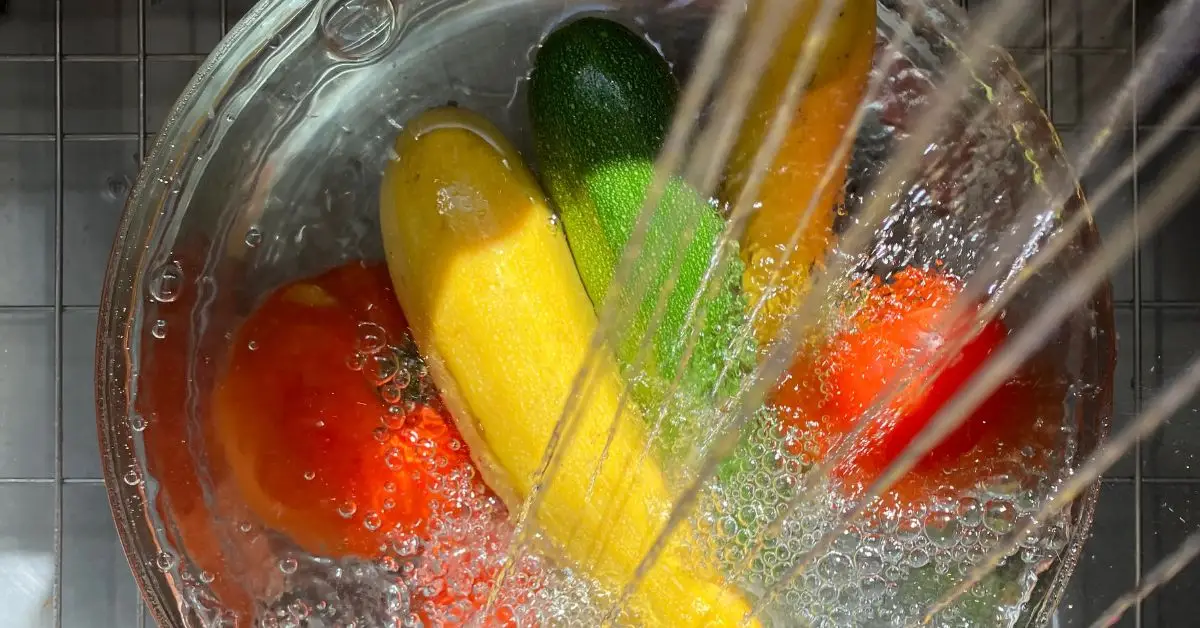
If mop water feels questionable — and many times, it should — the good news is that there are better, safer ways to reuse water without risking your plants.
Sink Rinse Water
This is one of the easiest options.
- Water from rinsing fruits and vegetables
- Leftover water from soaking dishes (no soap)
It’s clean enough for most non-edible plants and doesn’t come with chemical surprises.
Dehumidifier Water (With Caution)
A lot of people don’t realize how much water dehumidifiers collect. Experts note that this water is generally free of salts and minerals, which makes it usable for certain plants — but only if the unit is clean and well maintained. This is explained clearly in Live Science’s breakdown of whether dehumidifier water is safe for plants, which also highlights when caution is still needed.
The key here is moderation and knowing your plant type.
Rainwater Collection
If you want the safest long-term solution, rainwater is hard to beat.
- No chemicals
- Naturally soft water
- Plants respond well to it
Even simple rain barrels or containers can make a noticeable difference over time.
Ending on this note matters because the goal isn’t to force risky reuse — it’s to help you make smarter, lower-risk choices. You don’t have to use mop water just because you hate waste. You have options.
So now I’m curious — Which of these alternatives feels most realistic for your home and plants?
It’s Not About “Never”—It’s About Knowing When
I want to leave you with this, because it’s the part most articles get wrong.
Old mop water isn’t evil. It’s not some instant plant killer that should never be questioned. The real problem starts when people reuse it without knowing what’s in it, how often they’re doing it, or where that water is going.
Here’s the honest takeaway:
- Mop water itself isn’t the enemy
- Misuse and repeat exposure are what cause damage
- Informed, occasional reuse is the smarter middle ground
Once you understand the difference between plain water and cleaner-loaded water, between outdoor soil and indoor pots, the decision stops feeling confusing. You’re no longer guessing — you’re choosing.
If this helped you think differently about everyday water reuse, I’d love to hear from you.
Have you ever reused mop water or household water for plants? What happened?
Drop your experience or questions in the comments — real stories help everyone make better choices.
And if you enjoy practical, no-nonsense guidance like this, you’ll find more home, cleaning, and plant-care insights on Build Like New. That’s where I share what actually works in real homes — without fear-mongering or fluff.
Disclaimer: This article is for general information only and isn’t a substitute for professional gardening or horticulture advice. Plant tolerance can vary based on soil, climate, and cleaning products used. When in doubt, avoid reusing mop water and choose safer alternatives.