10 Reasons Closing Vents in Unused Rooms Is a Bad Idea (Energy Experts Explain)
If a room isn’t being used, closing the vent feels like the obvious move. I’ve heard this advice from homeowners, landlords, even well-meaning friends who swear it shaved money off their energy bill. On the surface, it makes sense. Why heat or cool a space no one’s in?
But HVAC systems don’t think in terms of “used” and “unused” rooms. They care about balance. Pressure. Airflow. And once I started looking at how these systems are actually built—and what happens inside the ducts when vents are shut—the picture changed fast.
What surprised me most wasn’t just that closing vents often fails to save energy. It’s that it can quietly make your system work harder, feel less comfortable, and wear out sooner, all while giving the illusion of being efficient.
If your goal is to lower bills without damaging your system or sacrificing comfort, this is one of those decisions that deserves a second look. Let’s break down what really happens when you close vents—and what actually helps instead.
The Myth: Closing Vents Saves Energy
I understand why this advice feels right. You look at a spare bedroom or storage room and think, “Why am I paying to heat or cool a space no one uses?” Closing the vent feels like a smart, responsible move—almost like avoiding waste.
Most homeowners follow this simple logic:
- Unused rooms don’t need airflow
- Blocking air should reduce energy use
- Less airflow must mean lower energy bills
It’s also worth considering whether keeping doors open affects your home’s warmth in winter, as HVAC pros break down in this detailed guide on open doors and winter heating.
And honestly, on the surface, that sounds reasonable. The problem is that your HVAC system doesn’t work room by room. It works as one connected system, where airflow is carefully balanced across the entire house.
This is where the common advice starts to fall apart. Closing vents doesn’t tell your system to relax—it forces air into fewer pathways. According to HVAC airflow experts, explained in this detailed breakdown on why closing vents in unused rooms doesn’t save energy, shutting vents actually increases strain on the system instead of reducing energy use.
Once you stop thinking in terms of rooms and start thinking in terms of airflow balance, this long-standing “energy-saving tip” begins to look a lot less reliable.
What Happens When You Close Vents
When I explain this to homeowners, I keep it practical. Your HVAC system is designed to move a fixed amount of air. The ducts, blower, and vents are all sized with the expectation that most vents remain open.
When you start closing them, you change the conditions the system was designed for.
Increased System Pressure
Air always needs somewhere to go. When vents are closed:
- The number of exit points drops
- Air backs up inside the ductwork
- Static pressure inside the system increases
That extra pressure forces the blower motor to work harder just to move air. Instead of improving efficiency, you’re adding resistance the system wasn’t built to handle.
Uneven Heating & Cooling
This is usually what people notice first.
Closing vents can cause:
- Some rooms to feel too hot while others stay cold
- The thermostat to overshoot the target temperature
- The system to turn on and off more frequently
That constant on-and-off behavior—known as short cycling—uses more energy and signals that the system is struggling to stay balanced.
Risk of Damage and Wear
This part doesn’t show up overnight, which is why it’s easy to miss.
Over time, increased pressure and imbalance can:
- Strain the blower motor
- Push air through small duct leaks
- Shorten the overall lifespan of the HVAC system
So while closing vents feels like a harmless tweak, it often leads to more wear, more discomfort, and higher costs in the long run.
Real Effects on Energy Bills
You’re probably here because you want to know one thing above all: does closing vents really reduce your energy bills? That’s the core question most homeowners care about — and you deserve a real answer, not guesswork.
Here’s what I’ve learned from digging into expert advice and real energy considerations: closing vents rarely lowers your bills in the long run, and in many cases it can do the opposite.
Let’s break this down:
- Short‑term savings are misleading: Yes, shutting a vent can make it feel like less air is being used — but your system doesn’t think in “feeling.” It compensates by running longer or harder elsewhere.
- System strain eats savings: When airflow is restricted, your HVAC works against itself. That means more runtime, not less.
- Expert guidance doesn’t back vent closing for savings: Trusted home and HVAC sources like Homes & Gardens explain why closing vents in unused rooms can disrupt how your system moves air and doesn’t deliver the energy savings people expect.
The real reason your bill might not go down isn’t mystery — it’s physics and design. Your HVAC system is built for balanced airflow. When you change that balance by closing vents, the system compensates in ways that often counteract the energy savings you’re hoping for.
There are scenarios where closing a vent seems to save — like when a thermostat doesn’t register a “cool enough” room and runs until it overshoots. But that’s not real efficiency — it’s masking an imbalance.
If your goal is honest savings, later I’ll walk you through methods that actually reduce energy use without hurting your system.
10 Reasons You Should NOT Close Vents
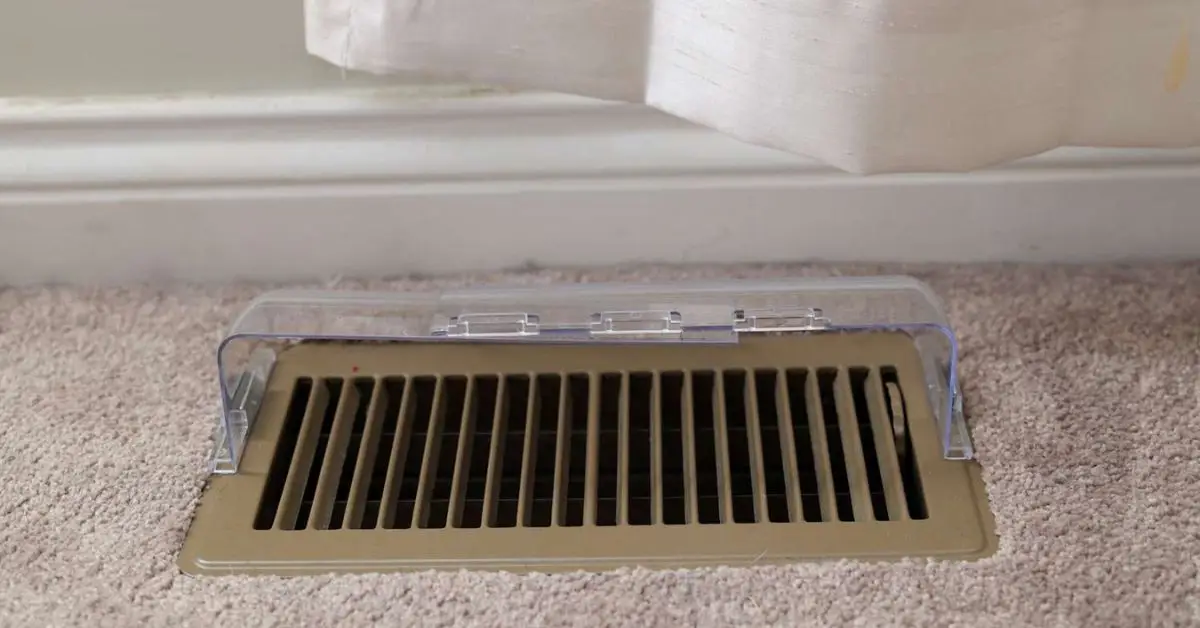
Here’s where the rubber meets the road. You asked for a clear list, so I’m laying out the real reasons — backed by system behavior and practical experience:
- System imbalance causes inefficiency — HVAC systems are engineered for balanced airflow; closing vents disrupts that.
- Increased wear shortens HVAC life — More pressure and longer run times wear down components faster.
- Poor airflow increases humidity issues — Reduced circulation leads to damp areas and potential mold problems.
- Hot/cold spots make comfort worse — Rather than saving energy, you end up with uneven temperatures.
- Can trigger short cycling — Rapid on/off cycles waste energy and strain the system.
- May increase energy use (paradoxically) — Compensating airflow elsewhere often consumes more electricity.
- Voids some maintenance warranties — Some manufacturers consider vent closing a system alteration and void coverage.
- Reduces air filtration effectiveness — Restricting airflow reduces filtered air passing through your system.
- Can cause duct leakage stress — Increased static pressure may worsen leaks or create new ones.
- Potential for frozen coils in cooling systems — Restricted airflow can lower coil temperatures and create ice build‑up.
If you thought closing vents was a harmless energy hack, this list should make you rethink it — especially when real alternatives exist that do cut costs without side effects.
What Actually Saves Energy (Better Alternatives)
Now that we’ve established why closing vents doesn’t work, let’s talk about what actually helps you save energy without stressing your HVAC system. These are strategies I use when advising homeowners, and they focus on smart, long-term efficiency rather than quick hacks.
Smart Zoning Systems
If you have a larger home or multiple floors, zoning can be a game-changer.
- Zoning divides your home into areas, each with its own thermostat and damper control.
- You only heat or cool the areas you’re using, without forcing the rest of the house to overcompensate.
- The upfront cost can be a few thousand dollars, but energy savings and comfort improvements usually pay for themselves over a few years.
Think of it like turning off a circuit in your house instead of unplugging every appliance individually—efficient and controlled.
Programmable / Smart Thermostats
Even if zoning isn’t an option, smart thermostats are one of the easiest ways to save energy.
- Set schedules so your HVAC runs only when you’re home or awake.
- Adjust temperatures gradually, instead of using vents to force rapid cooling or heating.
- Some smart thermostats learn your patterns and make automatic adjustments, which can shave off noticeable energy costs.
Proper Insulation and Sealing
Before tinkering with vents, make sure your home isn’t leaking conditioned air.
- Seal and insulate ducts where possible to prevent energy loss.
- Check attics, crawl spaces, and windows—improving insulation often has a bigger impact than manipulating vents.
These steps ensure your system works efficiently without having to fight against unintended airflow restrictions.
Regular HVAC Maintenance
You’d be surprised how much a clean system affects energy use.
- Filter changes: Clean filters let air flow freely, reducing strain. Skipping regular filter changes can create serious strain on your HVAC, as explained in this technician’s guide on what happens if you neglect filter maintenance.
- Coil cleaning: Dirty coils make the system work harder to reach temperature targets.
A well-maintained system can save energy immediately, without any vent-closing guesswork.
Vent Balancing (Not Closing)
Finally, if airflow is uneven, the solution isn’t closing vents—it’s balancing them.
- Balancing adjusts dampers to distribute air properly across rooms.
- This ensures each space gets what it needs, maintaining comfort and efficiency.
- Unlike closing vents, this approach doesn’t create pressure problems or strain your system.
For a detailed explanation of how vent balancing and other efficiency upgrades can cut energy costs, experts at Energy Saving Trust provide a helpful guide on improving airflow and reducing home energy use.
These alternatives are practical, actionable, and don’t compromise your system. They give you real energy savings while keeping your home comfortable—a far better approach than trying to shut off air to “unused” rooms.
Common Exceptions (When You Can Close a Vent)

Before you completely write off closing vents, there are a few scenarios where it’s actually safe — but only if you do it correctly.
- Rooms with independent HVAC zones – Some homes have separate zones that control temperature independently. In that case, closing a vent in one zone won’t affect airflow or system balance.
- Closed doors + closed dampers in zoned systems – If the system is designed to isolate zones and you have dampers, closing vents can work as intended.
- Seasonal exceptions – In rare cases, like a guest room in summer that won’t be used for months, a professionally balanced system may allow vent adjustments without consequences. If you want to learn safe ways to heat unused rooms during winter without affecting system efficiency, check out these HVAC-approved methods to heat your home safely.
The key is understanding your system before making changes. Randomly shutting vents in a standard single-zone system is where most problems occur.
Quick Fix Checklist for Energy-Smart HVAC
Let’s make this practical. Here’s a simple, scannable checklist you can follow to keep your HVAC efficient and avoid the pitfalls of vent-closing myths:
- Assess your system – Check whether you have zones, dampers, or special features.
- Inspect airflow – Make sure vents and ducts are clear of blockages.
- Check insulation and sealing – Duct leaks and poorly insulated areas reduce efficiency more than closed vents ever will.
- Regular maintenance – Change filters, clean coils, and schedule professional checkups.
- Use smart thermostats or zoning – Adjust settings intelligently rather than closing vents.
- Call a professional – If you’re unsure, a licensed HVAC technician can balance airflow safely.
This checklist gives you actionable steps that produce real savings and comfort without risking your system.
Questions You Might Still Have
Here are answers to some of the most common concerns people have after reading about vent-closing:
- Does closing a vent save money in winter vs summer? Usually not. Your HVAC still needs to maintain overall airflow; closing vents often just shifts energy use elsewhere.
- Can closed vents damage my furnace? Yes. Increased pressure and strain on the blower can cause long-term wear and potential failures.
- What’s better: lower thermostat or closed vents? Lowering your thermostat or adjusting your smart schedule is far safer and more effective than shutting vents.
Smart Energy Use vs. Quick Fixes
Here’s the takeaway: closing vents in unused rooms is rarely the answer. It can cause system strain, uneven temperatures, and even higher bills over time.
Instead, focus on solutions that actually work:
- Smart zoning and thermostats
- Proper insulation and duct sealing
- Regular HVAC maintenance
- Vent balancing instead of shutting vents
By doing this, you get energy savings, comfort, and system longevity all at once.
If you found this guide helpful, I’d love to hear from you. Drop a comment below with your questions or experiences — let’s discuss what’s worked in your home. And for more practical tips on making your house run smarter and feel like new, visit my website: Build Like New.
Disclaimer: The information provided in this article is for general educational purposes only. It is not a substitute for professional HVAC advice. Always consult a licensed technician before making changes to your heating or cooling system.