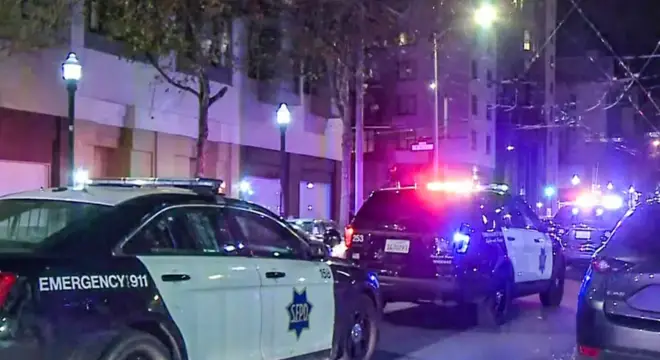
Two Found Dead After Intense Early-Morning Blaze in Hollywood Home
I remember the first time I walked down Vista Del Mar Avenue — quiet street, small homes, nothing out of the ordinary. That’s why stories like this hit harder. A little before 3 a.m., while most of us were asleep, a fire tore through a single-family home on that block. No warning, no chance for the people inside to react the way they should’ve been able to.
When you look at incidents like this, the timing matters. Pre-dawn fires are the most dangerous because the smoke builds faster than people wake up. By the time someone notices, the house is already losing its shape, and escaping becomes a race against seconds.
More than 40 firefighters rushed in and knocked down the flames in under 20 minutes — which tells you two things at once:
the fire was intense, and the response was fast enough to prevent it from spreading to the next home.
Even with that speed, two people inside didn’t make it out. And that’s the part that stays with you. A house fire doesn’t need hours to turn deadly. Sometimes it’s minutes. Sometimes it’s less.
Whenever I read these early reports, I always think about how quietly disasters can unfold inside a home. No sirens at first. No shouts. Just a fire growing room by room.
If you lived in that neighborhood and saw smoke at 3 a.m., what would be the first thing you’d do?
Two Victims Found Inside the Home
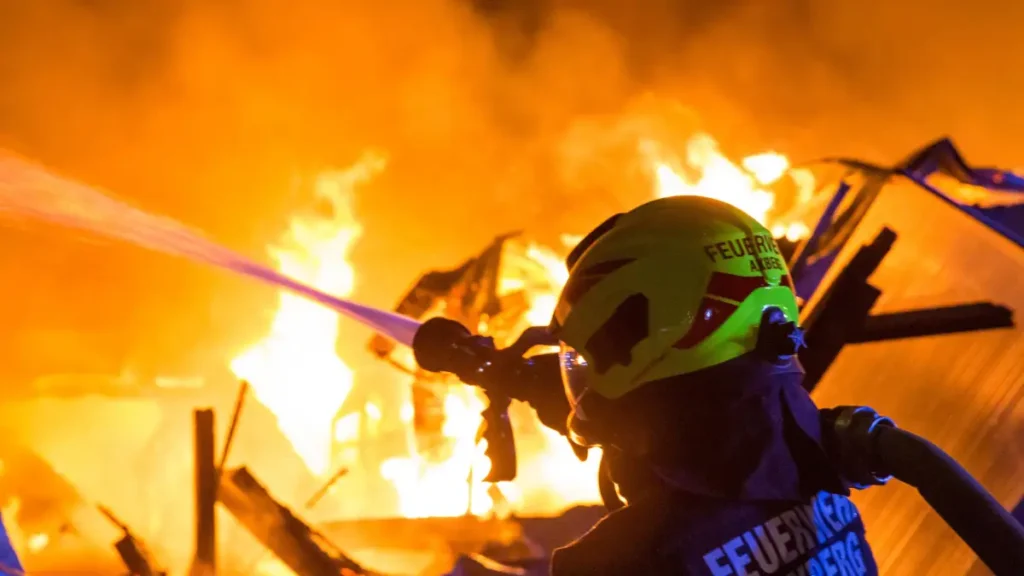
When firefighters finally broke through the smoke and heat, they found two people inside — both already gone. LAFD confirmed this early on, but what stood out to me was how quickly the information shifted.
At first, officials described the victims as a teenage girl, around 15, and a woman in her 70s. That’s what crews on scene believed based on what they saw in the moment.
But later, KTLA reported that the L.A. County coroner wasn’t fully certain about the younger victim’s age yet. And honestly, that tells you something important: scenes like this don’t always give clear answers right away. Bodies are found in damaged environments, the conditions are harsh, and investigators take their time because accuracy matters more than speed.
I’ve covered enough of these cases to know that behind these age estimates are real families waiting for a phone call. And when you think about it like that, the numbers stop feeling like details and start feeling like a responsibility — to get the story right, and to treat the victims with some dignity.
What hit me hardest is imagining those final minutes inside the home. Fires at 3 a.m. don’t give anyone a fair chance. Smoke becomes your biggest enemy long before flames reach you.
Let me ask you this: if something like this happened in your block, would you feel confident your family could get out in time?
Stories like this remind me of a recent case where two people were hospitalized after an early-morning house fire in Eugene — a situation that also escalated before anyone inside could react.
Suspicious Timing — Other Trash Fires in the Area
Here’s where the story takes a turn most people miss.
Around the same time as this house fire, several trash fires were reported nearby. Officials haven’t confirmed a connection — and to be fair, they shouldn’t until they have evidence — but the timing makes you pause.
Whenever multiple fires pop up within minutes of each other, investigators start asking the same questions you and I would:
- Coincidence?
- Pattern?
- Or someone moving through the area before anyone realized?
I’m not saying this fire was set intentionally, but firefighters don’t ignore signs like these. Small fires can be a distraction… or a test… or simply the first clue in a much bigger picture.
And if you live in Hollywood, you know this neighborhood has its share of late-night activity. Fires in trash bins aren’t new — but several on the same night? That’s not something investigators overlook.
If you were the detective on this case, what’s the first angle you’d chase?
Arson Team and Detection Dog Join the Investigation
When LAFD brings in an arson unit and an accelerant-detection dog, it usually means one thing: they don’t want to rule anything out.
These dogs are trained to sniff out traces of gasoline, lighter fluid, and other accelerants long after they’ve burned. They find patterns humans can’t see — the way certain burn marks spread, the direction the fire moved, and what shouldn’t be there naturally.
And here’s something most people don’t realize: Even if a fire wasn’t intentionally set, calling in arson specialists is standard when:
- multiple fires happen near each other
- deaths occur
- burn patterns look irregular
I always appreciate when investigators take this route early instead of treating it like a simple accident. It means they’re being careful, methodical, and respectful of the victims.
If you were watching the team work in real time, you’d probably see them move slowly, checking each corner of the home like they’re reading a story the fire left behind.
Have you ever seen one of these dogs work? It’s honestly impressive — silent, focused, and usually right.
If you follow fire-safety updates or local emergency incidents, there’s a WhatsApp channel that shares quick alerts and breakdowns in a simple, no-noise format. I’ve found it helpful to stay updated during fast-moving cases.
What We Can Learn — Simple Fire Safety That Actually Saves Lives
Whenever I go through a case like this, I don’t just think about what happened — I think about what could have changed the outcome. And I want you to think about that too, because real safety is built on tiny habits, not fancy equipment.
Here are the basics that genuinely make a difference:
1. Working smoke alarms
Most deadly fires happen while people sleep. A $10 smoke alarm cuts that risk drastically. The problem? Many homes either don’t have one, or the battery died months ago.
2. Keep escape routes clear
In older Hollywood homes, hallways get cluttered fast. At night, that becomes a trap. Two seconds of delay is sometimes the difference between life and death.
3. Teach your family one simple rule: “If you smell smoke, don’t investigate.”
You leave. You call 911 from outside. You don’t go back in.
4. Check on older family members
Seniors move slower. Smoke hits them harder. A clear plan + clear path can save someone who can’t react quickly.
I know these sound simple. But most house fire deaths happen because the simple things weren’t in place.
If you had to leave your home in 30 seconds right now, what’s the one thing that would slow you down?
It’s the same reason we see heartbreaking outcomes in other fires, like the one in Illinois where two dogs didn’t survive despite firefighters’ efforts.
What Happens Next — The Investigation Moves Forward
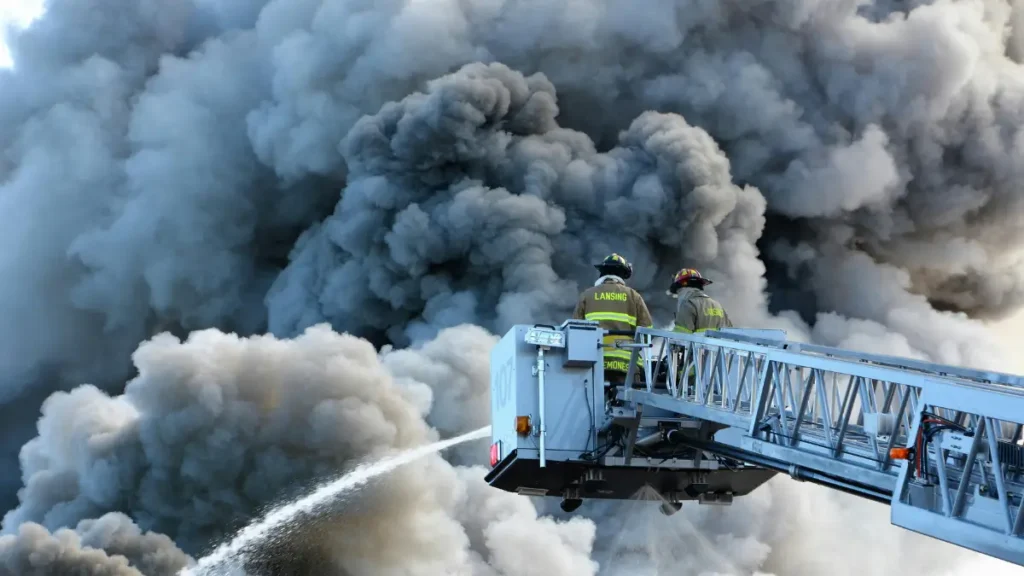
Right now, investigators are doing what they always do after a deadly fire: slowing everything down. The home may look calm from the outside, but inside, it’s a puzzle made of burn marks, collapsed material, and silence. Every detail matters — where the fire started, how quickly it spread, what the air inside smelled like, even which objects melted first.
The coroner will confirm the victims’ identities and ages, and that process often takes longer than people expect. Families deserve accuracy, not guesses. LAFD and the arson team will compare notes, review video from nearby homes, and check whether those other trash fires were a coincidence or a clue.
I’ve seen these investigations stretch from days to weeks, depending on the complexity. But behind the scenes, the goal is simple: find the truth and prevent something like this from happening again.
And as updates come in, they’ll fill in the gaps we’re all wondering about — the cause, the sequence, and whether anyone could’ve seen this coming.
If you were waiting for answers as a family member, which question would matter to you the most?
Similar Fire Incidents in Hollywood — A Pattern or Just Bad Timing?
When I look at this case, I can’t help comparing it to other recent fires in Hollywood and nearby areas. Over the last year, we’ve seen a few early-morning fires, some in older single-family homes, others in multi-unit buildings. Most were accidents — faulty wiring, unattended candles, overloaded circuits.
But it’s still worth paying attention to the bigger picture.
Hollywood is full of older homes with aging electrical systems. Many were built decades before today’s safety codes. Narrow streets slow down fire engines. And long, dry nights make small flames spread quickly.
I’m not saying this fire fits into a pattern, but ignoring what’s happening around the neighborhood would be careless. When multiple incidents start to align — time of day, location, building age — you watch closely.
And if you’re a homeowner or renter in the area, this is the moment to take a quiet walk through your place and notice things you usually ignore: loose wires, overloaded outlets, dusty smoke alarms, blocked exits. The small stuff adds up.
And in some cases, quick action changes everything — like the fire in Shaler where firefighters managed to save two dogs just in time.
If you had to guess, do you think most people in your building could find their way out in the dark during a fire?
Final Thoughts
Every time I cover a story like this, I’m reminded how fragile the line is between a normal night and a life-changing disaster. Two people didn’t wake up from this fire, and that alone should make all of us pause for a second.
You don’t have to live in Hollywood for this story to matter. Fires don’t care about zip codes. They care about timing, awareness, and preparation.
So let me ask you — and answer honestly:
If a fire broke out in your home tonight, do you know exactly what you’d do in the first 30 seconds?
If not, maybe today’s the day to figure that out.
If you want updates on similar incidents and safety insights, I share them regularly on X and in our Facebook Group.
Disclaimer: This article is based on information available at the time of writing and may be updated as officials release new details. It is not intended to replace official statements from the Los Angeles Fire Department or the L.A. County coroner. For confirmed updates, please refer to local authorities and verified news sources.