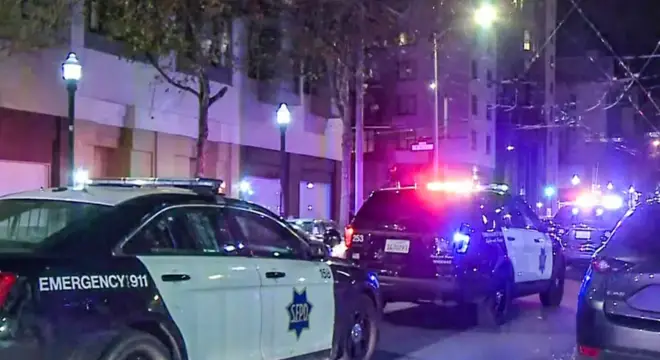
Woman Dies After Jacksonville Mobile Home Fire
I want to walk you through the timeline the same way firefighters experienced it — not just as a list of times, but as a real situation unfolding minute by minute.
The call came in at 5:49 a.m. It was still dark out, the kind of early morning where most people are either asleep or just starting to stir. Firefighters were sent to the mobile home on Collins Road after someone reported flames coming from the property. When crews arrived, they didn’t see a small, manageable fire. They saw heavy fire pouring out of the home, the kind that tells you things have already escalated before anyone could dial 911.
As the crews pushed inside, they ran into a problem many people don’t think about until it’s too late — clutter. The Fire Chief later described it as “excessive volumes of debris,” and that alone can slow everything down: movement, visibility, rescue attempts, all of it. It also adds fuel to a fire that’s already burning fast.
By 6:23 a.m., they had the flames under control. That’s quicker than most people expect for a fire that intense, and it tells you the firefighters were working hard under tough conditions.
But at 6:42 a.m., the part no one wants to hear became real: firefighters found a woman dead inside the home. Her name hasn’t been released yet, and I think that silence says a lot — someone’s family is still being notified, someone’s morning probably started with a knock on the door.
Right now, investigators don’t believe the fire was set intentionally. The Bureau of Fire, Arson & Explosives Investigations is still working the case, but early signs point toward an accident inside a home that already had dangerous conditions.
The Scene on Collins Road: What This Area Is Really Like

When you hear “mobile home fire,” it might sound like just another headline, but if you know Jacksonville’s Westside — or even if you’ve driven through Collins Road a few times — you understand the setting a little differently.
This wasn’t a busy apartment complex. It wasn’t a big neighborhood packed with noise. It was a quiet mobile home area where most people keep to themselves. According to First Coast News, firefighters described the scene as a standalone mobile home with heavy fire showing when they pulled up. And scenes like that hit harder in smaller communities because people often know each other by name, not by house number.
Mobile homes in this part of Jacksonville aren’t new builds. Many of them are older structures that have seen upgrades over the years but still carry the risks older homes often do — tight spaces, aging wiring, and limited exits. When a fire hits a structure like that, every second works against you.
I’ve seen this pattern before: neighborhoods like this often have a mix of long-time residents, retirees, and working families. That means resources can vary a lot. Some homes have updated safety features; others don’t. That’s why fires here tend to feel more personal — it’s a community that doesn’t have a huge safety net.
What Officials Said: Straight From the Fire Chief
I always pay attention when a Fire Chief gives on-scene details, because they’re careful with their words. They don’t speculate, they don’t dramatize — they report.
Chief Aaron Bebernitz explained that the home was already engulfed in heavy fire when crews arrived. That one detail tells you the fire had been burning for a while before anyone could call for help.
He also talked about the clutter inside the home. And he didn’t sugarcoat it — he called it “excessive volumes of debris and clutter.” For firefighters, that’s a nightmare. You’re crawling in low visibility, heat blasting from every direction, and now you’re also fighting your way through stacks of things that shouldn’t be there. It slows rescues and accelerates fire spread at the same time.
The chief also confirmed the most heartbreaking part: the woman inside didn’t make it. Crews found her after they had the fire under control. Even after years of experience, moments like that don’t get easier for them — and you can hear that weight in the way officials talk about it.
The Investigation: What We Actually Know Right Now
If you’ve followed fire reports long enough, you know that early information is often limited — not because officials hide things, but because it takes real analysis to say anything with confidence.
Right now, the Bureau of Fire, Arson & Explosives Investigations is looking into the cause, and Chief Bebernitz made one thing clear: early signs do not point to intentional fire. That matters, because whenever there’s a fatal fire, people immediately wonder about foul play. As of now, there’s no evidence of that.
Investigators usually start by looking at three things:
- Origin — Where the fire physically started
- Fuel sources — What burned first and fastest
- Obstacles — In this case, the clutter that might’ve intensified the flames
Mobile homes burn differently than standard houses, so they’ll also check electrical points, heating devices, and anything left plugged in. It’s a slow, detailed process, and it needs to be — especially when a life was lost.
For now, the picture is simple: an early-morning fire, a cluttered home, and a tragedy that unfolded before anyone had a chance to intervene.
This isn’t the first time clutter has played a role in a deadly outcome — a similar issue came up during the Ripon house fire as well, where firefighters struggled to reach the victim quickly.
Why Mobile Homes Burn Faster: The Hard Truth Most People Don’t Hear
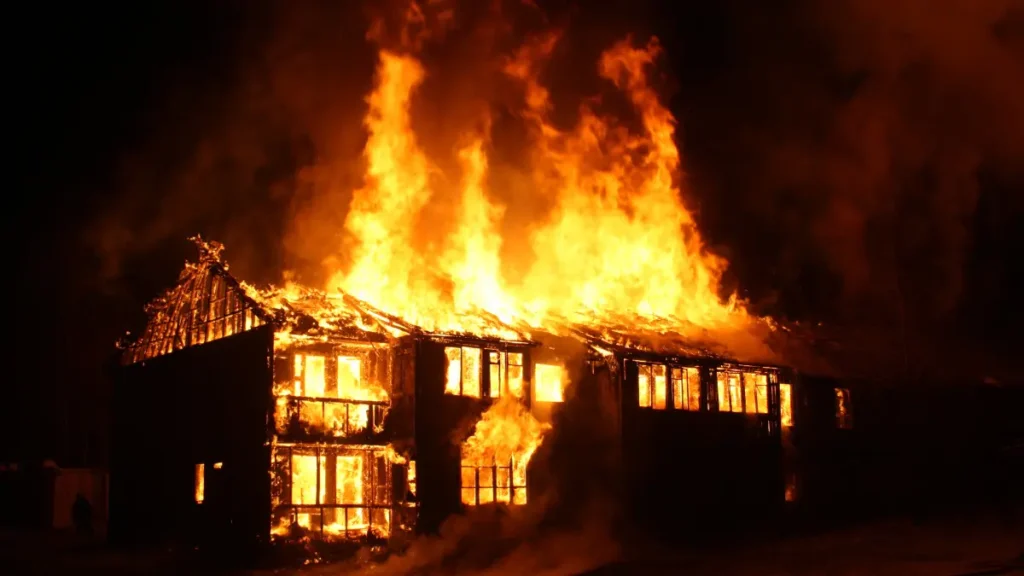
I want to be honest with you here — mobile homes don’t give you the same margin for error that standard houses do.
The structure is smaller. The airflow is tighter. And once flames get going, they move fast. Really fast.
Add clutter into the mix, and it’s like giving the fire a head start. Piles of paper, furniture, stored items — they trap heat and smoke, and they make escape paths nearly impossible to navigate under stress.
Fire data over the years has shown that mobile home fires lead to higher fatality rates than fires in traditional homes. Not because people make worse decisions, but because they have less time to make any decision at all.
When you combine three factors — early-morning timing, heavy clutter, and a rapidly burning structure — you get a situation that even the best-trained firefighters struggle to overcome.
This isn’t about blaming the victim. It’s about understanding the vulnerability so others can learn from it.
By the way, if you like getting quick fire-safety reminders or early alerts about incidents happening around the country, a lot of people rely on community WhatsApp update channels for those. They’re simple, no-noise, and a good way to stay aware before situations get serious.
How the Community Is Reacting: The Human Side People Don’t See
If you’ve ever lived in a mobile home community, you know how quickly word spreads when something goes wrong. Even before the sun came up on Collins Road, neighbors already knew something awful had happened. There’s a kind of silence that settles after a fire — the kind where people step outside just to look, just to understand what their eyes can’t make sense of yet.
People feel these losses differently in tight communities. Some residents worry about their own homes and safety. Others think about the woman who passed away and wonder if she lived alone, if she had family, if someone should’ve checked in more often.
Even though no official names or stories are out yet, you can feel the emotional weight in how people talk about it. It’s not just another house fire. It’s someone’s life, someone’s neighbor, someone’s morning that changed forever.
What You Can Learn From This: Simple Safety Steps That Actually Save Lives
Whenever I break down a fire like this, I always think about what someone living in a similar home could take away from it. Not in a preachy way — just practical, real things that matter when seconds count.
One of the biggest lessons here is that clutter isn’t just a mess — it becomes fuel. And in a mobile home, you don’t have extra space to buffer the heat or slow the fire down. Clearing walkways, keeping exits open, and reducing stacked items can genuinely change the outcome of a fire.
The other thing is smoke alarms. Not just having them, but making sure they actually work. A mobile home fills with smoke fast, and if you’re asleep, you’re already starting from behind.
I know people get busy. I know life happens. But checking a smoke alarm once a month takes less time than scrolling through your phone, and it can make the difference between waking up… or not.
If you live in a mobile home or know someone who does, think of this fire as a reminder — you don’t get extra minutes. You get the ones you prepare for.
Recent Fire Trends in Jacksonville: Why This One Hits Harder
You can’t look at a single fire in isolation. Jacksonville has seen a string of fires lately — brush fires, small structure fires, even a couple of close calls in residential areas. But this one stands out for one simple reason: it’s the first fatal fire in Duval County in 2026.
That label isn’t just a line in a report. It sets the tone for the year. It tells you that the risks haven’t gone anywhere, even with fire safety campaigns and community reminders.
The Westside especially has a mix of older homes, trailers, and neighborhoods that are more vulnerable during cold mornings or heating season. When you add in the dry weather Jacksonville has been dealing with, the margin for error shrinks even more.
What makes this fire hit harder is the combination of timing, structure type, and the fact that the victim didn’t have a chance to get out. Fires like this force you to think beyond the headlines and look at the patterns.
And if the pattern continues, Jacksonville may need more community-level fire safety outreach, especially for older and lower-income neighborhoods.
Just last month, a major response was needed during an intense house fire in San Diego as well, showing how quickly these incidents are escalating nationwide.
Helpful Local Resources If You Live in Jacksonville
Whenever a fatal fire happens, people start asking the same questions: Who can check my smoke alarm? Where do I get fire safety help? What if I can’t afford upgrades?
Jacksonville actually has a few resources most people don’t know about:
- Jacksonville Fire & Rescue Department (JFRD)
They offer safety information, fire prevention programs, and sometimes smoke alarm checks. - Local community centers
Some partner with fire departments for safety workshops, especially in mobile home communities. - Emergency numbers
Non-emergency line if you want to report hazards or ask questions: JFRD’s public info line is easy to find on their site.
These aren’t just for “big problems.” Even small concerns — like a faulty outlet or a smoke alarm that won’t stop chirping — can be signs of something bigger. And JFRD would rather check once than respond too late.
If you live in a mobile home, or in an older structure, reaching out once a year isn’t overreacting. It’s taking control of the one thing you can’t replace: your time to escape.
Situations like this remind me of the Freeport house fire, where more than a dozen people were displaced overnight — a good example of why having local support contacts matters.
What This Fire Really Tells Us About Home Safety?
Whenever I sit with a story like this, I try to think about what it means beyond the tragedy. And what I keep coming back to is this: fires don’t give you warnings you can always see. Sometimes they start in silence, in a corner of a room, behind a stack of things you didn’t get to that week.
This woman didn’t get a chance to escape. And that should make all of us look around our homes — not with fear, but with honesty. Is there clutter blocking doors? Are smoke alarms working? Would you wake up in time?
Mobile homes are part of Jacksonville’s fabric. They’re homes filled with people who’ve lived full lives, raised families, worked long hours, and shared dinners with neighbors. When a fire takes someone like this, it’s not just a “local incident.” It’s a reminder of how fragile that space can be.
I hope this story makes you pause just long enough to take one small action — check an alarm, clear a path, unplug something that’s been bothering you. Those tiny changes matter more than anyone realizes until it’s too late.
And I want to ask you something: If you had to pick one thing in your home to make safer today, what would it be?
If you want quick updates on similar incident reports and safety breakdowns, you can follow our updates on X and join our Facebook community. I share real-time alerts and deeper safety insights there that don’t always make it into the articles.
Disclaimer: The details in this article are based on information released by Jacksonville Fire & Rescue and local news sources at the time of reporting. Some facts may change as the investigation continues. This article is for public awareness and safety education, not an official incident report.