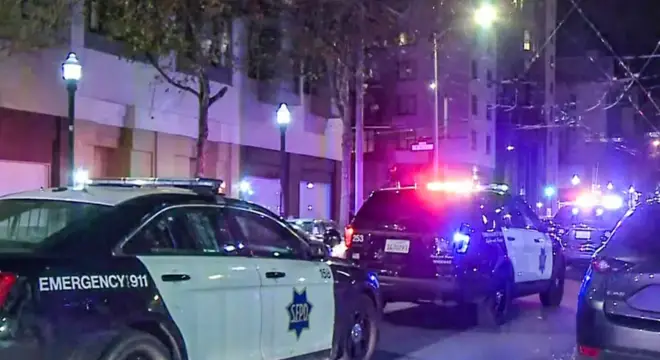
Frederick County Blaze Leaves 5 Without a Home
When I first looked into what happened in Frederick County early Tuesday morning, the one thing that stood out immediately was how fast things escalated. A quiet, cold pre-dawn hour turned into a full-scale emergency on Desmond Place, with flames ripping through both floors of a two-story home before anyone had time to process what was happening.
What stayed with me most was this: five people were inside when the fire broke out — four adults and one child. They managed to escape, but all of them ended up in the hospital for smoke inhalation. When you read a line like that in a news report, it’s easy to skim past it… but imagine being shaken awake at 4 a.m., stepping into a hallway filled with smoke, and knowing you have seconds to get your family out.
Firefighters arrived to a house already swallowed in flames from top to bottom. They couldn’t even go inside — it was too dangerous — so they switched straight into defensive mode. A tanker task force had to be called in because there were no hydrants in the area, which tells you how rural the location is and how challenging the conditions were.
And by midday, officials confirmed the worst: the home was a total loss, valued at over $1 million. The fire started somewhere on the back deck, but the exact cause is still being sorted out.
I want you to keep one thing in mind as you read this story: house fires are brutal, fast, and often happen when people are least prepared. This one could’ve easily ended in tragedy. The fact that everyone made it out is something the entire community should be grateful for.
If you were in that situation, do you think you’d be ready to get your family out in time?
How the Fire Started: The 4 A.M. Emergency Call
When I went through the first reports from WUSA9, one detail kept repeating: the fire was already “shooting from both floors” by the time firefighters reached the home. That’s not normal fire behavior — that’s what you expect when a blaze has a strong head start before anyone even calls it in.
At around 4 a.m., crews reached the 3000 block of Desmond Place and saw a scene that honestly leaves very little room for hope. Both levels were burning hard, windows blowing out from heat, and smoke pouring into the cold air. According to WUSA9, crews had no chance of going inside; they had to switch to defensive operations immediately because the interior was already too unstable.
When a fire reaches that stage, it usually means one thing: it had time to grow quietly before anyone noticed. And in a rural area like Ijamsville, where homes are spaced out and street activity is low before dawn, that’s exactly the kind of scenario firefighters train for but hope they never face.
This wasn’t the first time I’ve seen a fire explode in the early hours — a similar thing happened in Parsonsburg where two people died before firefighters even made entry.
Five People Escape but Are Hospitalized
I always try to picture the human side before looking at the technical side, and this part hits hardest. There were four adults and one child inside the home when the fire broke out. All five managed to get out, which is worth repeating because walking through smoke at 4 a.m. is every family’s nightmare.
But escaping doesn’t mean it ends there. Every one of them had to be taken to the hospital for smoke inhalation. Smoke can damage your lungs in minutes — sometimes faster — so the fact that they got medical attention quickly probably prevented this story from turning into something far worse.
Moments like this remind you how thin the line is between survival and tragedy. If even one person had been asleep in a back room or lost for a few seconds, the outcome would’ve been different.
It actually reminded me of another case in Harahan where two residents were rushed to the hospital the same way — that story is here if you want to compare how the response unfolded.
Official Timeline From Frederick County Fire & Rescue
The most accurate picture of what unfolded came from the official Frederick County Fire & Rescue Facebook updates, posted in real time throughout the morning.
Here’s the breakdown that stood out to me:
4:00 a.m. — Crews report heavy fire on both floors. Tanker task force requested. All occupants confirmed out.
4:22 a.m. — A section of the house collapses. This tells you how violently the fire spread.
5:41 a.m. — Fire Marshal arrives; all five occupants transported for smoke inhalation. Suppression continues.
12:08 p.m. — House officially declared a total loss, valued at over $1 million. Fire confirmed to have started on the back deck. Cause still undetermined.
These updates matter because they paint a raw, unfiltered timeline. No guessing, no filler — just straight, on-scene reporting. When you read it through the Fire Department’s own words, you feel the urgency, the pace, and the stakes of what the crews were facing.
Why a Tanker Task Force Was Needed?
If you’ve never lived in a rural pocket of Maryland, it’s easy to assume every neighborhood has hydrants. This part of Ijamsville doesn’t.
That’s why crews had to call in a tanker task force — multiple trucks shuttling water back and forth just to keep the hoses flowing. Rural fires are slower to fight because every gallon of water has to be moved manually. And when a house is burning on both floors at once, every delay works in the fire’s favor.
There’s a reason firefighters dread “no-hydrant zones.” It changes the entire strategy. Instead of attacking the fire aggressively, they’re forced to buy time, protect what they can, and prevent spread to nearby structures.
In a situation like this, the tanker task force didn’t just help — it kept the fire from becoming completely uncontrollable.
If you follow fire and safety updates often, you might find WhatsApp alert channels helpful — they usually send quick early-morning incident pings that people miss otherwise.
What Investigators Know So Far?
By midday, investigators had enough access to the structure to confirm one thing with confidence: the fire started on the back deck. That alone is a big piece of the puzzle, but it doesn’t tell the full story yet.
The Fire Marshal is still sorting through what’s left of the deck area to figure out what actually ignited. Deck fires can come from so many sources — heaters, electrical lines, cooking equipment, power tools, even improperly discarded ashes. Until investigators release their findings, everything else is noise.
What’s important is that officials are taking their time. When a home worth more than a million dollars is lost and a family is displaced, investigators want the cause to be accurate, not rushed. And honestly, that’s what you want too — the real answer, not the quick one.
We’ve seen similar uncertainty before — like the New Mexico mobile home fire where investigators spent days trying to determine the source.
Why Winter Makes Fires More Dangerous
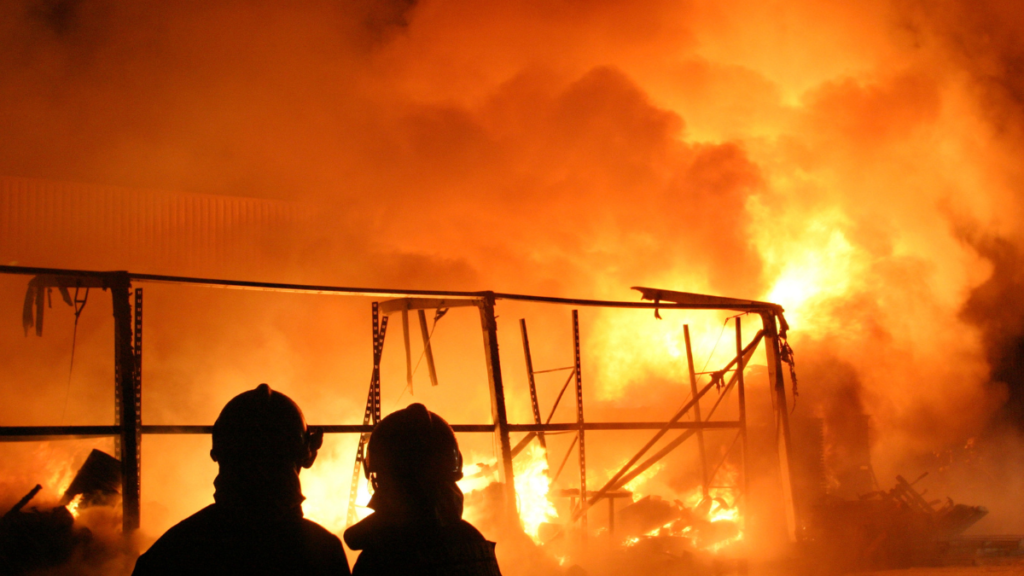
The more I dug into the U.S. Fire Administration’s data, the more it made sense why a fire like this can explode so fast in January. Winter is basically the “perfect storm” season for house fires — cold nights, space heaters running overtime, fireplaces, cramped wiring, dry air, people asleep longer. That combination creates risk even in homes that feel perfectly normal.
According to USFA, half of all home heating fires happen in December, January, and February, and one in every seven home fires involves heating equipment. When you look at those numbers, it stops feeling like random bad luck and starts feeling like a pattern we don’t talk about enough.
And if you live in Maryland, you already know how cold these early-morning hours can get. People run heaters overnight, plug in extra devices, or use backup heat sources during storms. I’m not saying that’s what happened here — investigators are still working — but the bigger point is this: winter puts every home under more strain than we realize.
Most families don’t see the fire hazard until something goes wrong. And by then, it’s too late.
Winter Fire Safety Tips You Shouldn’t Ignore
I’m not a fan of generic “safety lists,” so here’s the truth: the only fire safety advice worth sharing is the advice that actually prevents deaths. These tips from the U.S. Fire Administration fall into that category, and after reading through this incident, they hit a little harder.
- Keep anything that burns at least three feet from heat sources. I know it sounds basic, but most fires start with something small — a blanket, cardboard box, trash bag — touching the wrong thing.
- Never keep a generator close to the house. If you lose power in winter, put the generator far away from windows and doors. Carbon monoxide sneaks in faster than you think.
- Check your carbon monoxide alarms once a month. Not “every once in a while.” Monthly. It takes 10 seconds and can save your life.
- Don’t overload outlets with heat-producing appliances. Space heater in one outlet. That’s it. No extension cords, no power strips, no stacking devices.
- Get your chimney inspected once a year. Creosote buildup is invisible until it’s not — and then it burns like a fuel source.
- Store ashes in a metal container, outside, at least 10 feet from the house. It amazes me how many fires start from “cold ashes” that weren’t actually cold.
These aren’t theoretical suggestions — they’re mistakes real families make every winter. And after reading about this fire, I think we all feel a little more aware of how fast things can spiral.
The Community Impact and What Comes Next
When a home burns to the ground, it’s not just a structure that disappears — it’s the center of someone’s everyday life. This family lost a house worth over a million dollars, but the real loss is everything inside it: memories, photos, documents, the small items that never make it into a news report.
Right now, officials haven’t released details about where the family is staying or what support they’re receiving, but it’s common for the Red Cross to step in during incidents like this. If community donation drives start — and in Frederick County, they usually do — that will likely show up in local groups and county updates.
What happens next is mostly in the hands of investigators. They’ll finalize the cause, document structural damage, clear the scene, and issue their report. But for the family, “what’s next” is a long process: insurance, temporary housing, emotional recovery, rebuilding a life.
These are the parts of a fire nobody sees unless they’ve lived through it.
What You Should Take Away From This?
After going through everything — the reports, the official updates, the timeline, the conditions — here’s the truth: this could happen to any of us. Fires don’t wait for the right moment. They don’t check if you’re awake, or prepared, or in the mood to deal with a crisis. They hit when it’s dark, quiet, and cold.
This family survived because they acted fast. Fire crews did everything humanly possible once they arrived. And the community will most likely rally around them, the way Maryland communities often do.
But if you take one thing from this story, let it be this: Don’t wait to think about fire safety until you’re standing outside your home watching it burn.
Now I’m curious — If a fire broke out in your home tonight, do you know exactly how you’d get everyone out? Most people don’t. And that’s where the real danger begins.
And if you want real-time fire incident updates and breakdowns like this, you can follow me on X and join our Facebook community — I share every major update there first.
Disclaimer: This article is for informational purposes only and is not a substitute for official statements or professional advice. All details are based on publicly available reports, and information may change as authorities release updates. Readers should verify facts from official sources before drawing conclusions.