Old Plastic Planters? Try These 6 Surprisingly Useful Home Ideas
Before you throw away that stack of plastic planters sitting in your garage or under the sink, pause for a second. I see this all the time—perfectly usable pots getting tossed simply because they look old or feel disposable. The truth is, most plastic planters are designed to last for years, not one growing season.
If you garden even a little—or keep plants indoors—you and I both know how often new pots add up in cost. What usually gets missed in most articles is this simple point: reusing plastic planters isn’t just about being “eco-friendly.” It’s about saving money, reducing clutter, and using what already works. Smart gardeners don’t hoard plastic pots by accident—they do it because they’re useful.
I’ve tested many of these reuse ideas myself, and they’re backed by what experienced gardeners, extension services, and real homeowners actually do—not just Pinterest ideas that look good and fail later. When plastic planters are cleaned and reused the right way, they perform just as well as new ones, sometimes better.
In this guide, I’ll walk you through six smart, practical ways to reuse plastic planters at home—ideas you can actually apply today without buying anything extra. Some are obvious, some are overlooked, and a few might change how you look at those “throwaway” pots entirely.
Before we get into the ideas, let me ask you this: how many plastic planters do you already own that you’ve never thought of reusing?
Why Reuse Plastic Planters at Home Instead of Tossing Them
Let me be honest with you—most plastic planters don’t end up in the trash because they’re useless. They end up there because we stop seeing their value. I’ve done this myself. A plant dies, the pot looks dull, and it feels easier to throw it away than think twice.
But here’s what rarely gets said clearly.
Plastic planters are made to survive heat, water, soil pressure, and outdoor conditions for years. When you toss them after one use, you’re cutting short a lifecycle that’s actually much longer than we assume. Recycling helps, sure—but reuse always comes first.
From a practical angle, reusing plastic planters makes sense because:
- You already paid for them
- They’re lightweight, durable, and flexible
- They work just as well as new pots when used correctly
There’s also a quiet truth I keep seeing in gardening communities: experienced gardeners don’t throw plastic pots away easily. They keep them because they know how useful they are—for starting seeds, protecting plants, or solving small garden problems on the fly.
You don’t need to be extreme or preachy about sustainability to see the value here. Reusing plastic planters is simply a smarter habit—less waste, less spending, and more control over how you grow things at home. This same mindset applies to many everyday items we throw away without thinking—something I’ve also explained while showing how dryer lint isn’t trash and can be reused in surprisingly useful ways at home.
If you want a reliable reference on how to clean and reuse plant containers safely, the Iowa State Extension guide on cleaning and disinfecting containers is a useful resource.
Prep Comes First: How to Safely Reuse Plastic Planters at Home
You can reuse plastic planters, but only if you prep them properly. I’ve seen healthy plants struggle not because of bad soil or light, but because old pots carried hidden issues from their previous use.
If you’re reusing a planter, prep matters for one big reason: plant health.
Here’s what I always look at before reusing any plastic planter:
1. Cleaning and disinfecting isn’t optional
Old soil can carry fungi, bacteria, or pest eggs you won’t see. If you skip cleaning, you’re inviting problems into the next plant.
- Remove all old soil and roots
- Wash with soap and water
- Disinfect using safe methods recommended by trusted resources
- Let the pot dry fully before reuse
2. Drainage holes: know when they matter
Not every reuse idea needs drainage—but plants usually do.
- For growing plants and herbs: drainage holes are critical
- For storage or protective uses: holes may not be needed
- If roots sit in standing water, root rot becomes likely
3. Know when NOT to reuse a planter
This part is often ignored, but it builds real trust.
Don’t reuse a plastic planter if:
- It’s brittle or cracking
- It smells strongly of chemicals
- It previously held diseased plants and wasn’t disinfected properly
Reusing plastic planters works best when you’re intentional. A few minutes of prep can save weeks of frustration later—and your plants will show the difference.
Before we jump into smart reuse ideas, think about this: have you ever reused a planter without cleaning it first and wondered why your plant struggled? That’s exactly the problem proper prep solves.
Smart Way #1: Turn Old Plastic Planters into Seed-Starting Containers
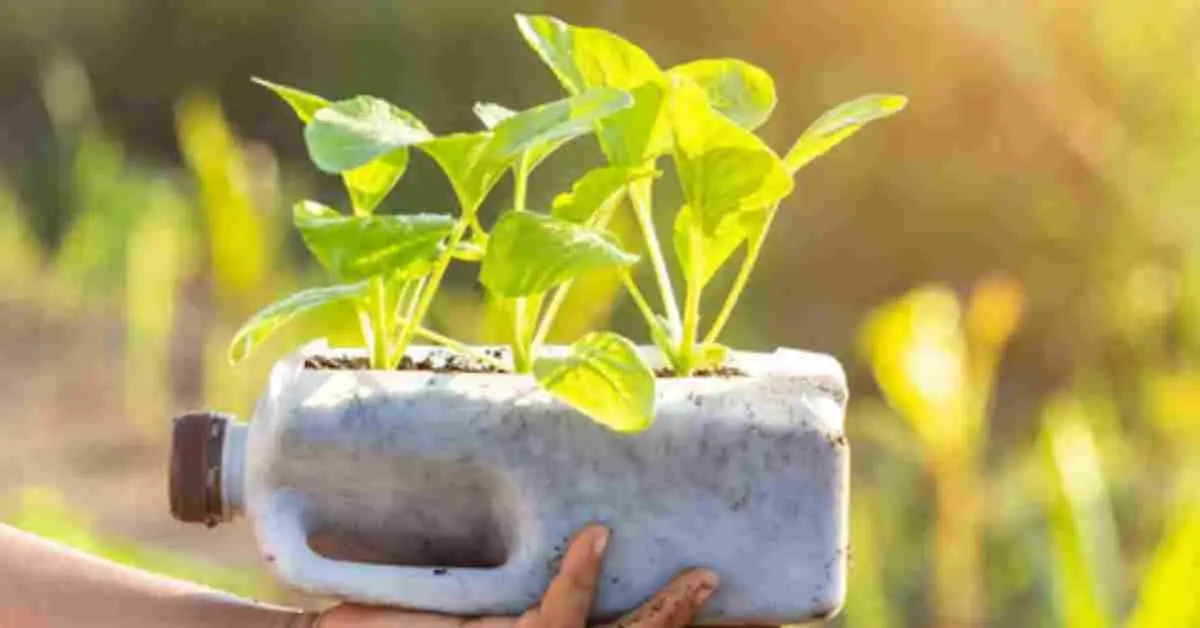
This is honestly one of the smartest ways to reuse plastic planters at home, especially if you’re starting seeds yourself. I prefer plastic for germination because it holds moisture evenly and doesn’t dry out too fast, which young seedlings really need.
Plastic planters work well for seed starting because:
- They retain moisture better than porous pots
- They’re lightweight, so you can move them toward sunlight easily
- They handle temperature changes without cracking
Here’s how I look at it:
- Small planters are best for herbs and flowers that transplant quickly
- Medium planters suit vegetables like tomatoes and peppers
- Very large planters slow germination because soil stays wet too long
If your seeds have struggled in the past, the issue may not be soil or light—it may simply be that the planter was the wrong size.
Smart Way #2: Reuse Plastic Planters as Indoor Herb Pots
No1 Garden
Indoor herb gardening has become extremely popular in the US, especially for people living in apartments or rental homes. I see this setup constantly in indoor gardening discussions because it’s practical and forgiving.
Plastic planters are a good fit indoors because:
- They’re easy to move across windows as sunlight changes
- They’re lighter than ceramic pots, which matters on shelves
- They don’t stain counters or floors
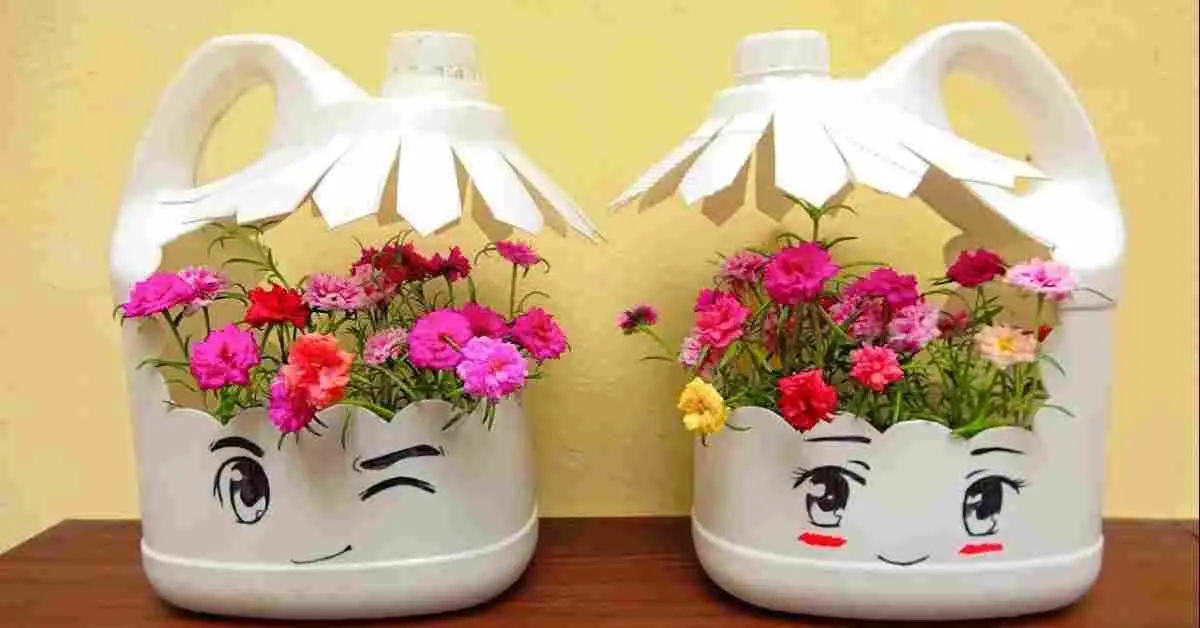
This reuse idea shows up a lot in apartment gardening threads because it works. A reused plastic planter on a kitchen windowsill is often all you need to keep herbs like basil, mint, or parsley alive without extra effort.
Smart Way #3: Use Plastic Planters for Outdoor Plant Protection
This is one of the most overlooked reuse ideas—and it’s incredibly useful.
Plastic planters can double as temporary plant protection, especially during unpredictable weather.
I use them in two simple ways:
- Flip a planter upside down to protect seedlings from sudden frost
- Cut the bottom off and use it as a collar against wind or pests
Gardeners talk about this a lot during early spring cold snaps. In fact, experienced growers often mention keeping plastic pots specifically for this reason, as explained in guides like those from GrowVeg, which highlight why gardeners hang on to plastic pots instead of throwing them away.
If you’ve ever lost plants overnight due to cold or animals, this trick alone makes plastic planters worth saving.
Smart Way #4: Convert Plastic Planters into Self-Watering Pots
This is where reuse becomes genuinely smart.
One of the biggest challenges with home plants is inconsistent watering. Plastic planters make it easier to solve that problem with simple upgrades.
Two methods I’ve personally found effective:
- A basic wick system that pulls water up from a reservoir
- A nested-pot setup where excess water stays below the roots
Smart Way #5: Use Plastic Planters for Garden & Home Organization
Not everyone reading this is a gardener—and that’s fine.
Plastic planters are sturdy containers, which makes them useful beyond plants. Reusing plastic planters this way fits into a bigger idea I often talk about—finding second uses for bulky household items, just like repurposing old pillows before you toss them out instead of letting them take up space or end up in the trash.
I’ve seen them reused successfully for:
- Holding hand tools in garages or sheds
- Storing seed packets, gloves, and labels
- Organizing shelves in small homes or rentals
This “not just for plants” angle is important because it shows reuse isn’t niche—it’s practical.
Smart Way #6: Upgrade Plastic Planters into Decorative Home Pieces

Let’s address the common objection: plastic planters don’t look good.
They can—if you treat them like a base, not a finished product.
Simple upgrades that actually work:
- Painting with neutral or matte finishes
- Wrapping with rope, fabric, or contact paper
- Turning them into hanging or vertical planters
This kind of reuse shows up often in DIY and home decor communities. The idea is simple: reuse doesn’t have to look temporary or cheap—it can look intentional.
Now I’m curious—out of these six ideas, which one do you think you’ll actually try first with the planters you already have at home?
When Reuse Is Not Enough: Knowing When to Recycle Plastic Planters
I’m all for reusing plastic planters—but I’ll be straight with you: not every pot is worth saving. Plastic doesn’t fail all at once. It degrades slowly. And once it crosses a line, reuse can do more harm than good.
Here’s when I personally decide it’s time to recycle instead of reuse:
- The plastic feels brittle and snaps instead of bending
- There are visible cracks that leak water
- The pot has broken down from years of sun exposure
- It smells strongly chemical even after washing
At this stage, reuse won’t help your plants—and it won’t help sustainability either.
If you’re unsure what to do next, the EPA’s recycling guidance explains, at a high level, how different plastics are categorized and why not all of them belong in the same recycling stream.
You don’t need to memorize recycling codes. The takeaway is simple: Reuse when the planter is structurally sound. Recycle when it’s not.
That balance matters.
Quick Safety & Care Notes Before You Reuse Plastic Planters at Home
Before you reuse plastic planters at home, there are a few safety details I never skip. These aren’t complicated—but ignoring them is how people end up blaming the pot instead of the mistake.
Here’s what I always keep in mind:
Drainage mistakes to avoid
- No drainage holes for plants that need dry roots
- Too many holes that dry soil out too fast
- Pots sitting in saucers full of water for days
If roots stay wet, rot isn’t a “maybe”—it’s a matter of time.
Mold and pest risks
- Old soil residue can carry mold spores
- Damp pots attract fungus gnats indoors
- Skipping cleaning increases pest risk with every reuse
This is especially important if you’re moving a pot from outdoor use to indoor plants.
Indoor vs outdoor limits
- Indoor plants need cleaner, better-drained planters
- Outdoor reuse can be more forgiving
- A pot that’s fine outside may cause problems inside
Reusing plastic planters works best when you’re intentional. A little care upfront saves you from plant issues later—and keeps reuse from becoming a frustration instead of a solution.
So before you reuse your next planter, ask yourself: Is this pot still helping my plant—or is it time to let it go?
Wrapping It All Together: Small Habits, Smarter Choices
If there’s one thing I hope you take away from this guide, it’s this: reusing plastic planters isn’t about doing everything perfectly. It’s about making smarter choices with what you already have.
Most of us don’t need more stuff—we need better use of existing stuff. Once you start reusing things like plastic planters, it becomes easier to spot other small habits that make a difference—whether that’s rethinking old containers or finding surprisingly useful ways to reuse plastic grocery bags at home instead of throwing them out.
Plastic planters fall exactly into that category. When reused thoughtfully, they save money, reduce waste, and make everyday gardening and home organization easier. And when they’ve reached the end of their life, recycling them responsibly is just as important.
You don’t have to try all six ideas at once. Even using one old planter differently is a step in the right direction.
Now I’d genuinely like to hear from you:
- Have you reused plastic planters before?
- Which idea from this article feels most doable for you right now?
Drop your thoughts or experiences in the comments—real-life tips help everyone reading this.
And if you enjoy practical, no-fluff guides like this on home improvement, smart reuse, and building better spaces with what you already own, explore more on Build Like New. That’s where I share ideas that are realistic, tested, and actually useful for everyday homes.
Your turn—what’s the next thing at your place you’re going to reuse instead of throw away?
Disclaimer: The ideas shared in this article are for general home and gardening use only. Always check the condition of plastic planters before reusing them, and follow basic safety and plant-care practices. Results may vary based on plant type, environment, and how the planters are used.