Dryer Lint Piles Up Fast—8 Surprisingly Useful Ways to Reuse It
Every time I clean the lint trap, I pause for a second before tossing that gray fluff into the trash. If you do laundry often, you probably do the same without thinking twice. Dryer lint feels messy, useless, and easy to ignore.
I used to treat it that way too—until I started noticing how often it piles up and how similar it is to materials we actually pay for in other situations. It’s made of fabric fibers, dust, and everyday wear from our clothes. Not glamorous, but not automatically worthless either.
What’s missing from most advice online is context. Some uses of dryer lint genuinely make sense. Others sound clever but aren’t practical—or safe—once you look a little closer. I don’t believe in saving things just to feel eco-friendly. If something stays in a jar and never gets used, that’s not reuse. That’s clutter.
So here’s what I’m going to do differently. I’ll walk you through uses that actually work in real homes, explain when dryer lint helps and when it doesn’t, and flag the ideas you should skip altogether. No risky hacks. No feel-good nonsense.
Before we get into it, think about this: if you’re already creating this material every week, wouldn’t it make sense to get something useful out of it—at least once in a while?
Safety First — What You Need to Know Before Reusing Lint
Before you reuse dryer lint for anything, you and I need to talk safety. This part matters more than the “clever ideas,” because dryer lint can be genuinely useful—or genuinely dangerous—depending on how you handle it.
Lint is highly flammable. That’s exactly why it works so well as a fire starter. That’s also why regular lint removal matters more than most people realize, as seen in what can happen when a dryer isn’t cleaned properly before it turns into a serious problem.
But the same quality is also why clogged lint traps are one of the most common causes of dryer fires. I never save lint unless the trap is cleaned after every single load. No exception.
Skipping this habit isn’t harmless—this common dryer mistake has been linked to multiple deaths each year, often because the warning signs are ignored for too long.
There’s another detail most people skip: not all lint is the same. The fiber type changes everything.
Here’s what I always keep in mind:
- Natural-fiber lint (cotton, wool, linen) is safer for burning, composting, and outdoor use
- Synthetic lint (polyester, nylon, blends) can release harmful fumes when burned
- Lint often contains dust, skin cells, and pet hair, which makes it a bad idea for projects that involve close contact
If you want a deeper breakdown of lint safety and fire risks, I recommend guidance from The Spruce.
It’s a solid reference point and aligns with real-world appliance safety standards.
Bottom line: I treat dryer lint like a tool. Useful in the right situation. A problem if used blindly.
Use #1 — DIY Fire Starters for Home & Camping
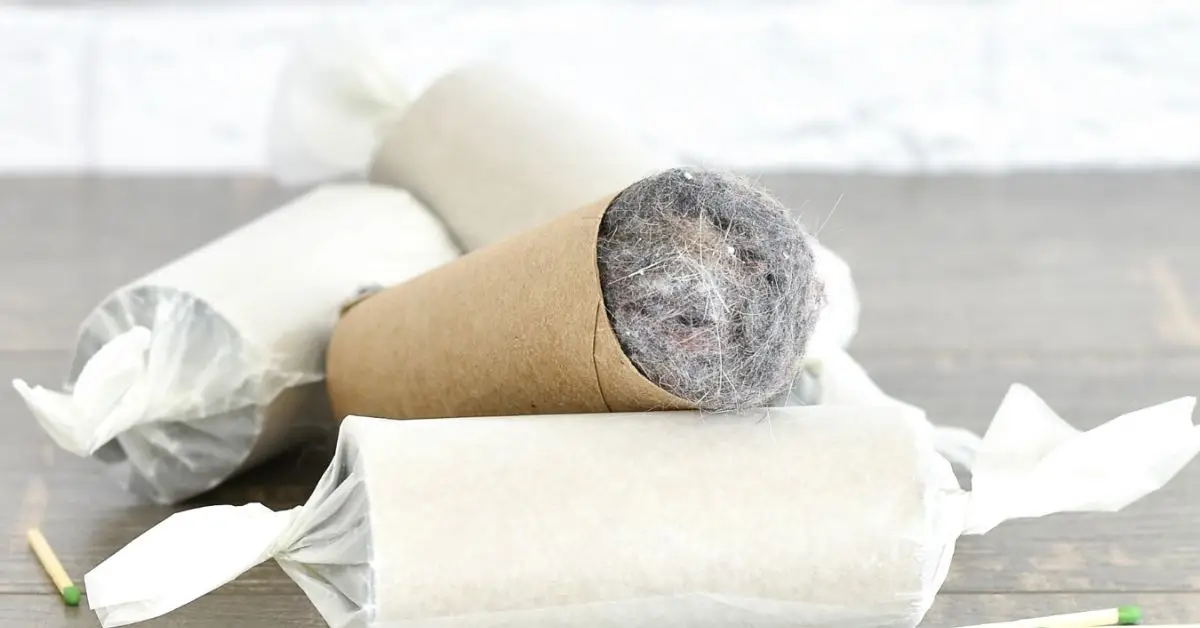
This is the one use I actually rely on myself. Dryer lint works as a fire starter because it ignites fast and catches easily, especially when paired with wax.
If you’ve ever struggled to get a campfire going or dealt with damp wood, this can save you time and frustration.
Here’s why it works:
- Lint acts as a highly flammable base material
- Wax slows the burn just enough to give you a steady flame
- The result is compact, lightweight, and easy to store
The most reliable method I’ve seen (and used):
- Stuff dryer lint into an empty toilet paper roll
- Melt candle wax or paraffin and pour it over the lint
- Let it cool and harden before storing
You’ll also see people use egg cartons instead of paper rolls. Both work. The goal is the same: fast ignition with controlled burn time.
This method isn’t just theory. It’s widely shared by campers and DIYers because it actually performs better than many store-bought starters.
Use #2 — Companion in the Garden (When Done Right)
Gardening is where dryer lint becomes tricky—and where most advice online oversimplifies things. I only use lint outdoors, and only when I know it’s mostly natural fiber.
Used carefully, lint can support your garden in small but useful ways.
Here’s where it can help:
- As a temporary weed barrier under mulch
- Mixed lightly into compost as a carbon source (never in large clumps)
- As a seed-starting base when combined with soil
- Lining the bottom of pots to help retain moisture
What I don’t do is dump lint straight into garden beds or compost bins without thinking. Synthetic fibers don’t break down the same way, and too much lint can block airflow and water.
If you approach it as a minor helper—not a miracle solution—dryer lint can earn a small place in your garden routine.
Use #3 — Packing & Protection Material
When I’m packing fragile items, I don’t reach for dryer lint first—but when bubble wrap runs out, lint quietly does the job. It’s soft, compressible, and fills awkward gaps that paper can’t.
I’ve used it for short moves, storage boxes, and seasonal decor, and it works best when you treat it like padding, not stuffing.
Here’s how you and I can use it safely:
- Place lint around fragile items, not directly pressed against delicate surfaces
- Store lint in small, breathable fabric bags or old socks before packing
- Use it to fill empty spaces so items don’t shift during transport
One place it really shines is holiday storage. Ornaments, figurines, and lightweight decor pieces benefit from that soft cushioning without needing plastic wrap every year.
It’s not meant for long-term archival storage, but for everyday home packing, it’s surprisingly practical.
Use #4 — Crafts, Papier-Mâché & Homemade Paper
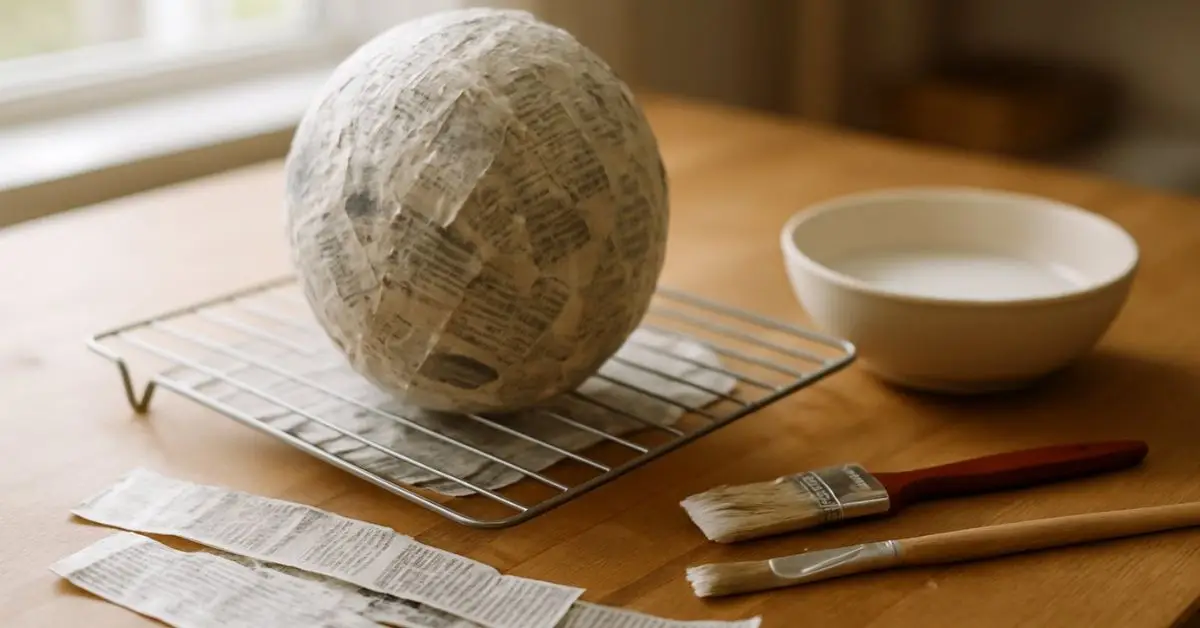
This is where dryer lint turns from practical to creative. If you enjoy DIY projects—or have kids who do—lint becomes a free material you can experiment with.
I’ve seen lint work well as:
- Stuffing for small crafts like dolls, ornaments, or handmade cushions
- A texture base for papier-mâché, mixed into glue or flour paste
- Raw material for homemade recycled paper with a soft, textured finish
The key is to keep expectations realistic. Lint won’t replace proper craft supplies, but it adds texture and volume where perfection isn’t the goal.
For step-by-step craft inspiration and safety context, Hunker breaks down how lint is commonly reused in DIY and home projects.
If you like hands-on projects that don’t need expensive materials, this is one area where dryer lint actually earns its keep.
Use #5 — Pet Bedding & Habitat Liners (With Care)
Pet-related uses need more caution, and I want to be clear about that. Dryer lint can be helpful—but only in very specific situations.
Where it can work:
- As temporary bedding for small rodents
- As nesting material for birds when placed outdoors
- As a soft liner in habitats that are cleaned frequently
What I always avoid:
- Lint from fragranced detergents
- Heavily synthetic lint
- Using lint for pets that chew aggressively
Lint carries dust, hair, and residue, so hygiene matters here more than anywhere else. If you’re not sure what’s in your lint, skip pet use entirely.
Used thoughtfully and sparingly, it can help. Used carelessly, it can cause problems—and that’s not worth the risk.
Use #6 — Emergency Cleanup & Spill Absorption
This is one of those uses most people never think about, but once you try it, it just clicks. Dryer lint is surprisingly absorbent. Not in a fancy way—but in a very practical, “get me out of trouble right now” way.
I keep a small bag of lint in the garage for exactly this reason.
It works well for:
- Oil or grease spills near cars, lawn equipment, or grills
- Small messes in workshops where shop towels aren’t nearby
- Absorbing liquids before you do a proper cleanup
Lint won’t replace commercial absorbents, but in a pinch, it does the first job fast: soaking things up so they don’t spread. According to LifeTips, dryer lint’s absorbency makes it useful for oil and grease cleanup when nothing else is available.
Once it’s used, I treat it like any dirty absorbent—bag it and toss it. This is a one-time use, not something to reuse again.
Use #7 — Temporary Insulation & Draft Blockers
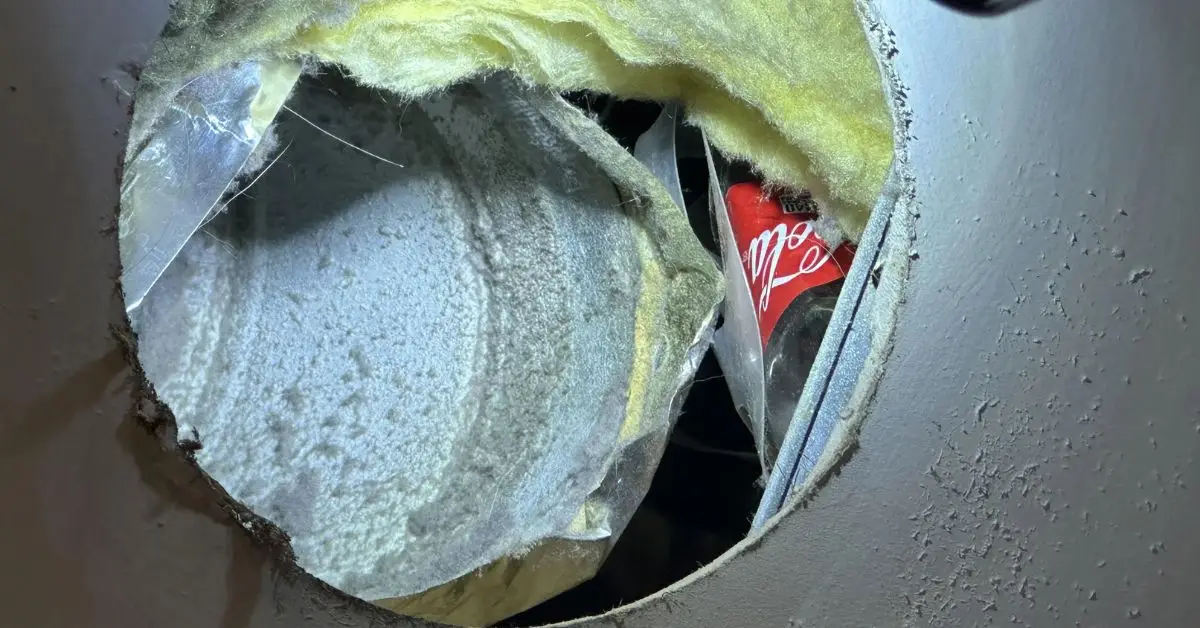
I’ll be clear upfront: dryer lint is not insulation. But as a temporary fix, it can help in very specific situations.
If you’ve ever felt cold air sneaking in under a door or through an old window frame, lint can act as a quick barrier.
Here’s how I’ve seen it work:
- Stuff lint into an old sock or cloth
- Place it along door bottoms or window gaps
- Use it only during colder months as a short-term solution
This works because lint traps air, which slows drafts. But it’s not durable, not moisture-resistant, and definitely not something you install permanently.
Think of it as a stopgap—not a home upgrade.
What Not to Do With Dryer Lint (and Why)
This section matters because not every reuse idea floating around is a good one. Some are unsafe. Others just don’t work long-term.
Here’s what I avoid—and you should too:
- Burning lint indoors, especially synthetic lint, which can release toxic fumes
- Using lint as a fabric softener replacement or putting it back into laundry
- Stuffing pillows or cushions with lint—it compresses fast and raises hygiene issues
Just because something can be reused doesn’t mean it should be reused everywhere. The goal isn’t to save every scrap—it’s to make smart, low-risk choices that actually help.
Quick Storage & Collection Tips
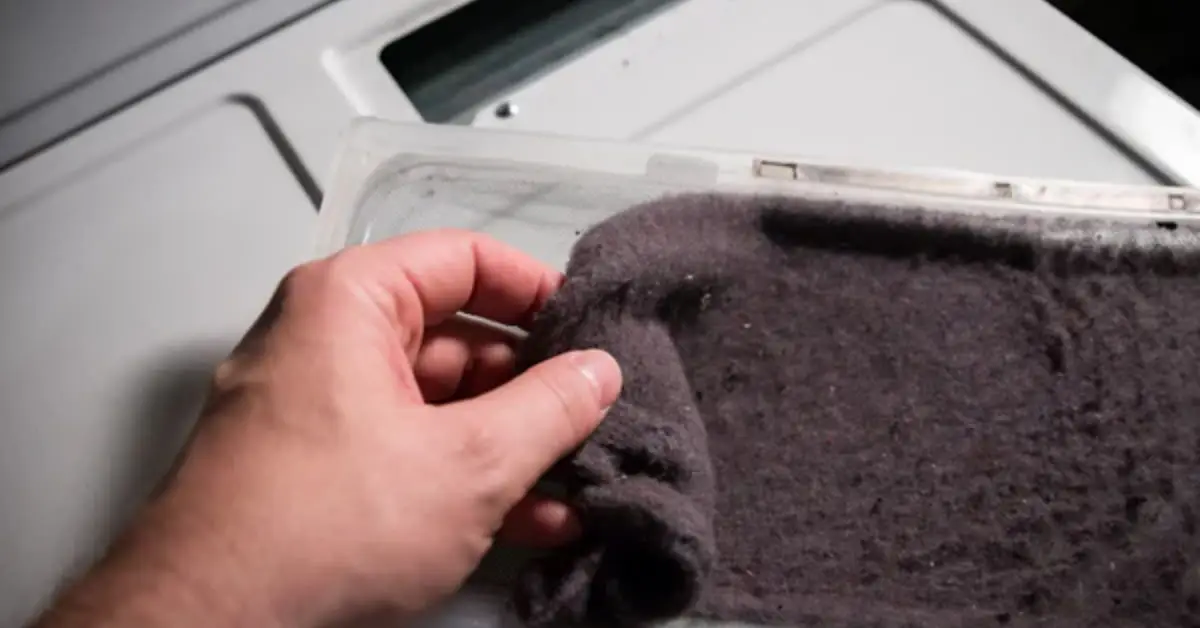
All of these reuse ideas sound good on paper, but they fall apart if lint is scattered, dirty, or hard to manage. I’ve learned that a simple system makes the difference between actually reusing lint and forgetting about it altogether.
Here’s what works without turning lint into clutter:
- Store clean, dry lint in airtight bags or small containers to keep out moisture. Moist, fabric-heavy storage areas can also attract pests, which is why silverfish damage to clothes and books is more common than people think when laundry spaces aren’t kept clean.
- Label containers if you plan to separate lint by use (fire starters, crafts, garden)
- Keep lint in a cool, dry place, never near heat sources
If you want to be extra careful, separating lint by fiber type helps.
- Lint from mostly cotton loads → safer for outdoor use and compost
- Lint from synthetic-heavy loads → best kept for cleanup or packing only
A simple household setup I like:
- A small jar or cloth bag near the dryer for daily collection
- A second container in the garage or utility area for “dirty-use” lint
- Empty and reset weekly so lint never piles up
The easier it is to grab, the more likely you’ll actually use it.
Bottom Line — Waste Less, Do More
Dryer lint isn’t something you need to save obsessively. But when you use it with intention, it stops being waste and starts pulling its weight around the house.
I don’t reuse lint to feel virtuous. I do it because it solves small, real problems—starting fires, padding boxes, handling spills, or getting through a cold drafty night. That’s the kind of reuse that sticks.
If you’ve tried any of these ideas—or have one that actually worked for you—I’d love to hear it. Drop your experience or questions in the comments so others can learn from it too.
And if practical, no-nonsense home ideas like this are your thing, you’ll find more of them on Build Like New. That’s where I share tested fixes, smart upgrades, and simple ways to make your home work better without overcomplicating things.
Now I’m curious—what’s the most unexpected way you’ve ever reused something at home?
Disclaimer: The ideas shared here are for general household use only. Always use common sense, follow basic safety precautions, and avoid reusing dryer lint in ways that could cause fire risks, health issues, or damage to property. Results may vary based on lint type, detergent used, and home conditions. When in doubt, it’s safer to discard the lint than to reuse it.