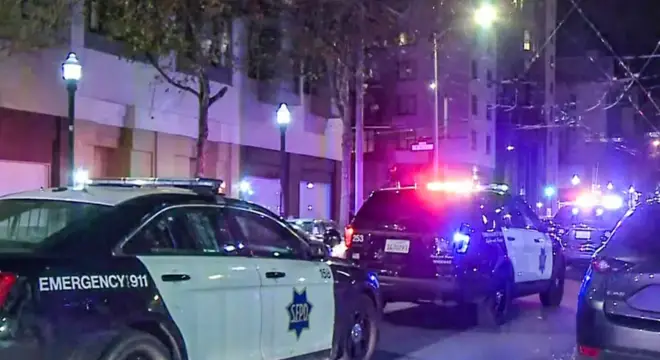
Renton Home Fire Claims One Life, Investigation Underway
When I first read about the fire in Renton, it hit me the same way it probably hits you — that slow, heavy feeling when you realize someone didn’t make it out. A home on 138th Ave SE went up in flames Friday evening, and by the time crews from Puget Sound Fire and Renton Regional Fire Authority arrived, the situation was already severe.
Firefighters went inside, pulled one person out, and tried everything they could — but he was pronounced dead at the scene. There’s no confirmed cause yet. No sign of what sparked it. And that uncertainty always lingers harder than the facts we do know.
I’m telling you this straight because when you read about a fatal fire, you don’t need fluff — you need a clear picture of what happened. And if you’re anything like me, the first thing you wonder is how quickly things escalated inside that home and whether anyone ever saw signs before it was too late.
So before we dive deeper into the rescue timeline and the investigation, let me ask you this: What’s the first thing that comes to your mind when you hear about a house fire like this — safety, cause, or the person who didn’t survive?
Emergency Response: How Firefighters Tried to Save Him
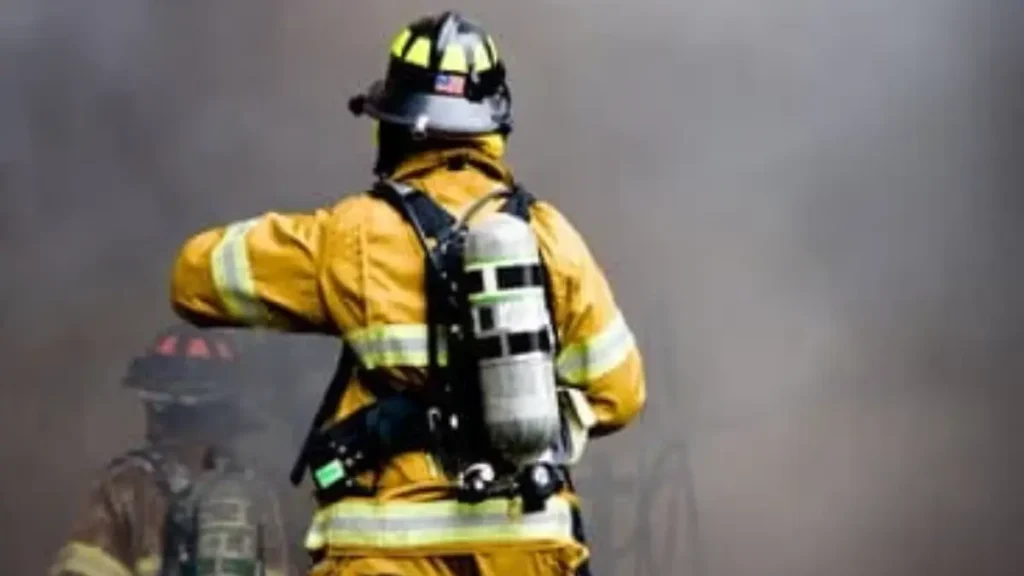
When I looked through the first reports from KIRO 7 News Seattle, one thing stood out immediately: how fast everything unfolded. Fire crews were sent to the home within minutes of the 911 call, and by the time they pulled up on 138th Ave SE, the house was already swallowed in heavy smoke.
I want you to picture this the way I did — firefighters stepping out, masks on, knowing every second counts. They pushed inside anyway, even though visibility drops to zero in conditions like that. They found the man, carried him out, and tried to bring him back. But there are scenes where even the most trained teams hit the limits of what the human body can survive.
And when I read those details, I couldn’t help asking myself: If you were standing on that street, watching the lights, would you think the fire started suddenly… or had it been building unnoticed?
Investigation: How Officials Will Figure Out What Really Happened
Here’s the part most news pieces rush through, but I don’t want to do that — because you and I both know the “cause unknown” line always raises more questions.
Investigators will break this down step by step:
- Where the fire started
- Whether the man died before the fire or because of it
- What the medical examiner finds in the autopsy
- Any signs of electrical issues, accelerants, or accidental triggers
You might already be wondering the same thing I did: Was this a fast-moving accident, or was something else happening inside that home before flames even appeared?
It takes time for investigators to piece that together — and honestly, that wait is always the hardest part for the community, because you’re stuck between sympathy and unanswered questions.
Sometimes the early investigation phase looks very similar to what officials handled in this Pennsylvania house fire where one person died — the clues often start small and build into a larger picture.
What We Know About the Victim
The officials haven’t released much yet, which is normal in the first 24–48 hours after a fatal fire. What we do know is that the victim was an adult male. No age. No name. No personal details.
And I’ll be honest — that silence always feels heavier. Because behind every brief statement is someone’s family waiting for a phone call they hope never comes.
If you’re like me, you probably paused here. Not because of the lack of details, but because you imagine the life behind them — someone who had routines, friends, memories in that house.
You can see how fast things can escalate by looking at this Connecticut home that suffered major damage in minutes — small sparks don’t stay small for long.
What This Fire Teaches Us About Home Safety
Every fatal fire leaves two stories behind — what happened, and what it reminds the rest of us to pay attention to.
This is the part I take personally, because you and I both know most home fires don’t look dramatic at the start.
Sometimes it’s one wire. Sometimes it’s a space heater left running. Sometimes it’s nothing obvious — until it’s too late.
Here’s what I keep coming back to:
- Working smoke alarms aren’t optional
- You need an escape plan even if it feels unnecessary
- The “it won’t happen to me” mindset is exactly what fires exploit
- Checking your home once a month is easier than rebuilding your life after a disaster
I’m not trying to lecture you — I’m talking to you the same way I talk to myself after reading stories like this. Because every tragedy has two choices built into it: we ignore it, or we learn from it.
And I’m choosing the second one. I hope you do too.
By the way, a lot of people who care about fire safety updates follow quiet, no-noise WhatsApp channels that share quick alerts and safety reminders. If you rely on WhatsApp a lot, joining one can help you stay ahead of small risks before they turn big.
Are House Fires Increasing in Renton? A Closer Look at the Pattern
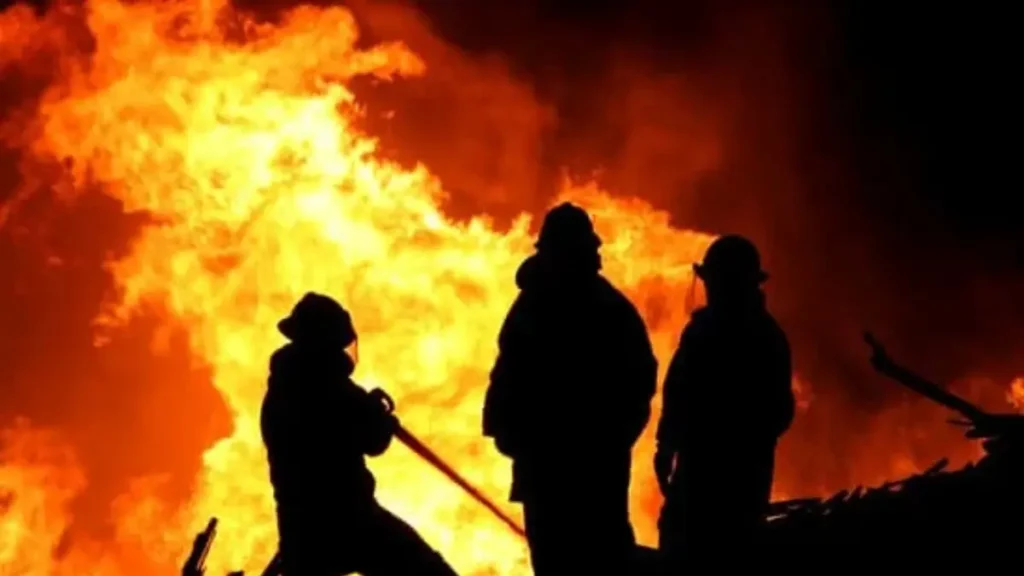
Whenever I read about a fatal fire, I don’t stop at the incident itself — I always look at the pattern behind it. And if you live in or around Renton, you’ve probably felt it too: fire calls feel more frequent than they used to.
Part of it is the season. Part of it is older homes with aging wiring. And part of it is simple human nature — we only notice the spike after something tragic happens.
But here’s the truth I want you to hear straight: A fatal fire doesn’t happen in a vacuum. It usually follows weeks or months of smaller calls, minor flames, overheated appliances, or “near misses” that never make the news.
If you’ve ever thought, “I heard sirens again last night… something’s going on,” you’re not imagining it. Most communities go through cycles where fires cluster without any single dramatic cause.
That’s why paying attention to these patterns matters more than any headline. Fires tell a story — we just tend to notice it late.
Let me ask you: Do you feel like emergency calls in your area have increased too, or do we only notice them after a tragedy?
We saw the same kind of cluster pattern during the massive Pawtucket home fire crews rushed to — one incident often follows another before the community even processes the first.
What Investigators Will Do Next?
After the flames are out and the scene is cleared, the real work starts behind the scenes. And this part often goes unnoticed because it doesn’t come with sirens or flashing lights — just slow, careful analysis.
Here’s what typically happens next:
- The medical examiner releases the cause of death
- Fire investigators pinpoint where the fire started
- They look at burn patterns, wiring, appliances, and anything out of place
- They reconstruct the timeline based on smoke, heat, and structural damage
- They check whether there were working smoke alarms inside the home
And here’s the piece most people don’t realize: Investigators often find the answer in something small. A cord. A heater. A spark behind a wall. A cigarette left burning. A surge that no one heard.
They don’t guess — they rule things out until only one possibility is left. It’s slow. It’s tedious. And it’s the only way the truth comes out clean.
If you’ve ever waited for answers after a tragedy, you know how long those days feel. But this step matters, because a clear cause can prevent the next house from going up in flames.
So tell me honestly: Do you think most house fires start with something big… or something small that no one notices?
What You and I Can Learn From This?
Whenever I read a story like this, I don’t walk away thinking about the fire — I think about the seconds before it. The tiny window where someone still had a chance.
That’s why I want to keep this last part simple and real.
Here’s what this Renton fire reminds me of:
- Most homes are one unnoticed risk away from trouble
- Early smoke detection saves more lives than anything else
- We don’t check our alarms or outlets nearly as often as we should
- Fire safety isn’t dramatic — it’s boring, repetitive, and absolutely necessary
If you ever needed proof that these small habits matter, this is it. A fire doesn’t give you time to get ready — it only reveals whether you already were.
Organizations like the National Fire Protection Association say the same thing every year, and they’re right: One check a month can save a life you’ll never see on the news.
So here’s my question to end this on a personal note: What’s the first thing in your home you’re going to check tonight — the smoke alarm, the wiring, or the heater that’s been running a little too long?
If you want real-time updates on incidents like this and safety insights I share regularly, you can follow the page on X and the Facebook community. Staying connected helps you stay prepared.
Disclaimer: This article is based on information available at the time of publication. Details about the Renton house fire may change as officials release updated findings. Readers should rely on statements from authorities for the most accurate and current information.