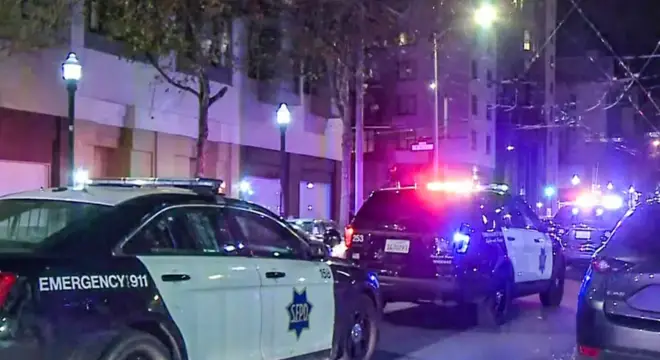
Connecticut House Hit by Fire, Significant Damage Reported
I want to start with the moment this whole incident began, because that’s where the story really takes shape. Just after 6:30 p.m., dispatchers in Stratford picked up a 911 call from Van Street. The caller didn’t sound confused or uncertain — they reported something very specific: smoke coming from multiple windows.
If you’ve ever followed residential fire incidents, you know that’s never a small sign. When smoke is pushing out from different parts of a home, you understand right away that whatever’s happening inside isn’t minor.
By the time the first fire crew reached the address, they didn’t walk into a slow-building situation. The home was already showing signs of a fire that was moving faster than anyone would expect for early evening in a quiet neighborhood.
I want you to picture this the way I do: you arrive on a narrow residential street, expecting a routine structure fire — and instead, you’re met with a house that’s clearly losing the fight from the inside.
That’s where I’ll pause this part of the story, because what happened next — the decisions, the speed, and the way things unfolded — deserves its own space.
Before we go into that, tell me: When you read a moment like this — an ordinary evening turning into something life-changing — what’s the first thing you want to know next: how fast it spread, how people escaped, or how firefighters reacted?
What Firefighters Saw When They Arrived?
When I went through the official press release shared on Facebook, one thing became clear immediately: crews weren’t easing into this fire — they walked into a situation that was already growing faster than usual.
The first crew stepped onto Van Street and saw something you never want to see on arrival: a home where the fire wasn’t sitting in one corner or one room, but already moving through the structure. The press release describes it as “rapidly spreading throughout the residence,” and if you’ve ever listened to firefighters talk about early conditions, that phrase tells you a lot.
You can imagine that moment from their perspective — stepping out of the apparatus, taking one look at the house, and realizing this isn’t going to be a simple knockdown. And when a fire is evolving that quickly, every decision you make in the first few minutes becomes serious. The tone on-scene shifts immediately. Everyone’s posture changes. You’re not thinking routine; you’re thinking control the spread before it takes the entire structure.
That’s where this phase ends, because the next step — the second alarm, the coordinated attack, the pace of the operation — belongs in its own section.
How Fast the Flames Spread Inside?
As I compared multiple reports, the one from News 12 Connecticut helped confirm an important detail: the fire wasn’t just active when crews arrived — it was moving. They reported smoke showing from multiple windows even before firefighters got there, which lines up perfectly with the early 911 call.
What that tells me is simple: this wasn’t a slow-building fire. Something inside the home allowed flames to travel quickly. When a home shows heavy smoke from several points before the first engine reaches the block, that typically means the fire has already broken containment inside. There’s no time cushion. No warm-up period. It’s already on the upper hand.
In moments like this, you feel how quickly a regular home can become unstable. And honestly, that’s what makes these incidents so jarring — the fire isn’t waiting for anyone. It’s already rewriting the structure by the time the first unit turns the corner.
I’ll break down what investigators will be focusing on later, but for now, this early spread sets the stage for everything that happened in the minutes that followed
How the Residents Made It Out in Time?
One thing I always look for in incidents like this is whether the people inside had any real chance, and in this case, they did — but not by much. The official update makes it clear that everyone in the home managed to get out before crews arrived.
When I read that, the first thought that crossed my mind was relief, because with how quickly the fire was moving, even a short delay could have changed the outcome entirely.
It’s easy to look at a story like this and forget how chaotic those first few seconds must feel for the people inside. You smell something, maybe hear something, and within moments you’re making the kind of decision you don’t rehearse in daily life: “Do I stay and check, or do I run?” They chose right — they got out. And that’s likely the reason we’re not talking about injuries today.
Every fire is a chain of decisions. Their first decision — leaving immediately — ended up being the most important one.
It reminded me of another case I covered in Bristol, where one person barely made it out before smoke overwhelmed the home. The early decisions people make always shape the entire outcome.
How Firefighters Took Control Before Things Got Worse
When I looked deeper into the official details, one thing stood out to me: firefighters didn’t waste a second. They recognized how fast the fire was moving and responded in a way that matched its pace. That’s the part people rarely see — the shift from “arrival” to “this needs an aggressive attack, right now.”
Within minutes, more units were being called in. You can almost sense the urgency in the way the report describes it. Firefighters had to force their way in and start knocking back the flames before the fire wrapped around more of the structure. These aren’t slow, steady actions — they’re deliberate, sharp decisions you make when you know you’re fighting the clock.
What impressed me most is how coordinated the early push was. You had crews attacking the flames, others checking the interior to confirm no one was trapped, and more units positioning outside to support the primary attack. It’s the kind of rhythm you only see when firefighters are reading the scene the same way and moving as a single team.
This is also the point where the fire’s progress started to stall — not by chance but because of that early, aggressive strategy.
If you follow emergency updates regularly, there’s a WhatsApp channel that shares quick fire alerts and safety notes in simple bullet points — the kind that help you stay aware without getting overwhelmed. It’s been useful for staying ahead of developing incidents.
The Backup Arrived Fast, and It Made a Difference
Something that often gets overlooked in local coverage is how many people it actually takes to fight a fast-moving residential fire. This one wasn’t handled by a single small team — it quickly turned into a multi-agency response.
After reading the official statements, I noticed how early support from nearby departments helped stabilize the situation. Bridgeport and Milford stepped in to provide coverage while Stratford units were fully committed. It might sound like a background detail, but it’s not. When a second alarm goes out, your own town doesn’t magically multiply its firefighters — you rely on the network around you.
Stratford EMS was also on-scene, and that matters even when there are no injuries. Fire operations are physically brutal, and having EMS ready for medical support gives firefighters the confidence to keep pushing hard.
This kind of teamwork — one town fighting the fire, others covering calls, EMS monitoring the scene — is the backbone of a response that actually works. It’s the part most people never think about, but without it, you’d see very different outcomes.
I’ve seen how different things look when crews arrive even a few minutes later — like in the Arizona mobile home fire where one person was critically injured before firefighters could get control. The timing always matters.
What Neighbors Saw and How the Community Reacted
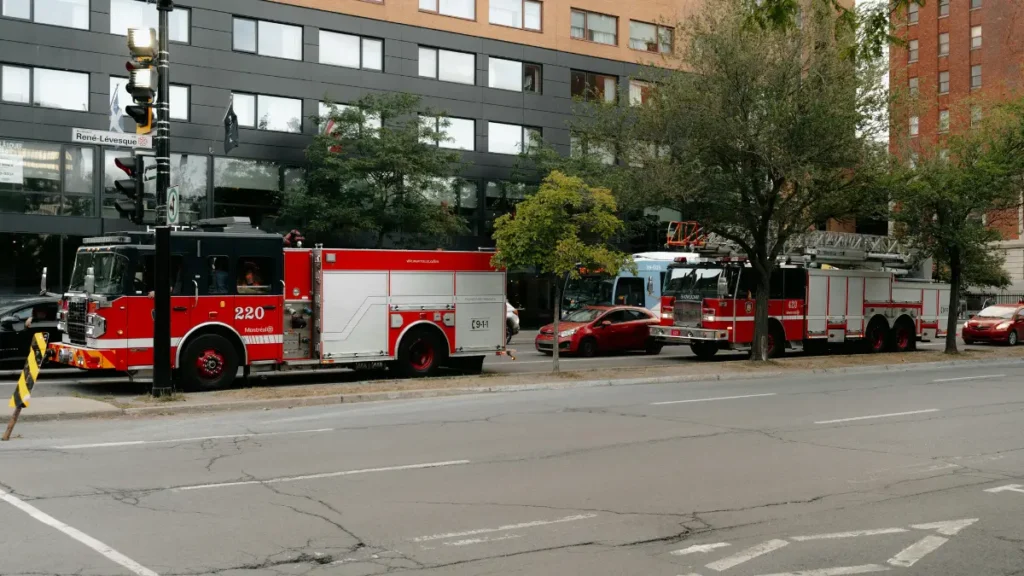
Whenever a fire hits a residential street, the story isn’t just about the house — it’s about everyone who stepped outside, watched the smoke rise, and tried to make sense of what was happening. I kept looking for these small, human observations, and while the official updates don’t highlight them, you can piece together a lot from how quickly the 911 call was made and how the information spread.
Someone on Van Street saw smoke coming out of more than one window and didn’t wait. They called it in right away. That kind of awareness always says something about a neighborhood — people pay attention, and they act when it matters.
If you’ve ever been on a block where a house is burning, you know how fast the street fills with people. Some stand quietly, some try to help however they can, and others simply want to make sure the family inside is safe. Even though the reports don’t dive into crowd reactions, you can feel the concern in the way the information was shared. The moment people heard everyone made it out, the tone shifted from fear to relief.
This part of the story always reminds me how much these moments bring a neighborhood together, even if no one plans for it.
How a Clear Fire Hydrant Changed the Outcome?
Out of everything in the official details, this is the one line that stayed with me: the hydrant in front of the home was shoveled out and accessible.
I know it sounds like a small thing, but if you’ve ever seen a winter fire, you understand how big that is. Snow-packed hydrants slow everything down. Firefighters lose precious minutes digging just to access water. And when a fire is spreading as fast as this one, minutes aren’t just minutes — they’re square footage, structural stability, and sometimes survival.
Here, the crews didn’t have that delay. They stepped off the truck, saw the hydrant was clear, and went straight into establishing their water supply. If that hydrant had been buried, the damage inside the home would almost certainly be worse.
It also says something important about the residents in this area — someone took the time to clear it long before this fire ever started. That one small act, done on a normal winter day, ended up shaping the outcome of a real emergency.
Fire departments mention this advice all the time, and moments like this remind you why: clearing a hydrant isn’t a chore; it’s a community safety step.
What Happens Next for the Family and the Investigation
Whenever a fire ends, the work doesn’t stop. It just shifts. And in this case, a few things are already clear about what comes next.
First, the fire marshal’s team will go through the home to piece together how the fire moved and where it started. They haven’t released a cause yet, and honestly, that’s normal. Fast-moving fires take time to read. Investigators look for burn patterns, heat signatures, electrical signs — all the subtle clues that tell the story the flames already wrote.
Second, the American Red Cross stepped in to support the residents, which usually means helping with temporary housing, immediate supplies, and the first steps toward recovery. When a home is heavily damaged, families don’t just lose rooms or belongings — their entire routine is disrupted. Having someone walk them through those first days makes a huge difference.
Insurance will follow, but that part can take time. Fire reports, structural assessments, and cause determinations all play a role. It’s not a quick process, but it’s the path forward.
For the residents, the next few weeks will be a mix of paperwork, decisions, and adjusting to a temporary new normal. It’s the part of the story we don’t see, but it’s often the hardest.
Situations like this often unfold the same way across the country. In North Memphis, a similar investigation followed a deadly house fire and it shows how long the recovery process can really take.
A Safety Reminder Stratford Doesn’t Want Anyone to Ignore
There’s a reason the Stratford Fire Department ended its official message the way it did — with clear, simple reminders. And honestly, after reading everything about this incident, those reminders don’t feel generic at all.
Working smoke detectors matter more than most people think. This family got out in time, and while the report doesn’t go into detail, early awareness always plays a role. Having an escape plan isn’t about being dramatic — it’s about knowing what to do when the air changes and you have seconds to react.
And that hydrant? Clearing it after a snowstorm isn’t just courtesy. It’s readiness. Someone on that street did it, and it shaped the entire outcome of this fire.
If you live in a neighborhood with winter weather, this is one of those moments where you stop and think: Would the hydrant near my home be usable if a fire broke out tonight?
Emergencies don’t schedule themselves. We only get the preparation we do in advance.
If you want more real-time updates on major fire incidents and safety breakdowns like this, you can follow our updates on X and join our community on Facebook. I share quick alerts, safety insights, and deeper context you won’t always find in local reports.
Disclaimer: The information in this article is based on official reports, public sources, and early updates available at the time of writing. Details may change as the investigation continues, and readers should refer to local authorities for the latest confirmed facts.