Keep Your Family Safe: 11 Ways to Prevent Falls at Home
I still remember the day it hit me how easily we take home safety for granted. A close family friend slipped in his bathroom at night — just a simple misstep — and ended up in the hospital for weeks. When I visited him, I realized how something as familiar as your own floor can suddenly feel like a danger zone.
Here’s the truth: falls aren’t just “small accidents.” They’re one of the leading causes of serious injury at home, especially for seniors and people with balance issues. According to health experts, millions of people end up in emergency care every year because of slips and trips in the very place they should feel safest. That means pain, medical bills, and a long road to recovery that could’ve been avoided with simple precautions.
But it’s more than stats — it’s about peace of mind. You want to move around your home without pausing at every step, worrying whether the next one might land you on the floor. That’s exactly why understanding how to prevent falls in your home is so important — not just for you, but for everyone you love.
Before we dive into the smart ways to fix the risks you might not even notice, think about this: when was the last time you truly checked your home for hidden dangers? Let’s fix that together.
Declutter and Organize Walkways
I can’t tell you how many times I’ve nearly tripped over something I didn’t even see lying on the floor. The reality is, most home falls happen because of clutter — that pile of shoes by the door, cords stretched across a hallway, or toys scattered around after a busy day. If you really want to prevent slips at home, the first thing to tackle is clutter.
Here’s what I do — and you can try it too:
- Remove loose items: Shoes, boxes, bags, or anything that might sneak under your feet.
- Tame the cords: Keep electrical wires tucked away with cord organizers or clips.
- Create storage zones: Assign specific spots for things like shoes, backpacks, or toys to avoid daily clutter.
- Daily quick sweep: Even 5 minutes a day to walk through your main paths can save a tumble later.
When I declutter like this, I instantly notice how much easier and safer it feels to move around. It’s a small habit that pays off every single day.
While clearing clutter, don’t forget that regular cleaning habits also play a role — simple routines like wiping surfaces and organizing daily messes can prevent both trips and hidden germs (learn these simple cleaning habits here).
Improve Lighting in Key Areas
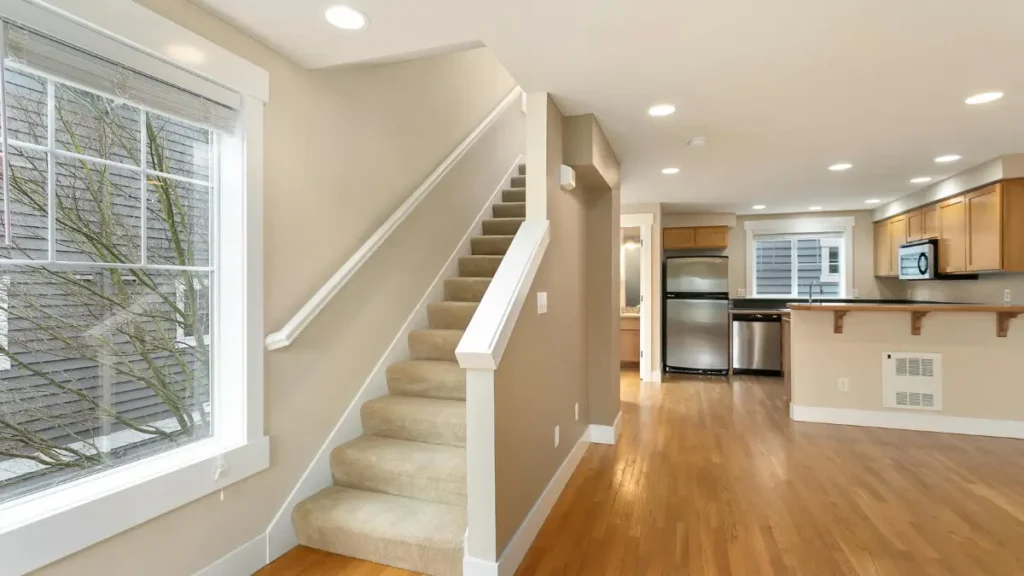
Have you ever walked into a dark hallway and felt your heart skip a beat because you weren’t sure what’s on the floor? Poor lighting is a silent fall risk — you can’t avoid what you can’t see. I’ve started paying attention to lighting in every part of my home, and the difference is huge.
Here are some practical ways to make your home safer:
- Daytime vs. night lighting: Open blinds to let natural light in, and make sure night lights are placed in hallways, bathrooms, and bedrooms.
- Motion-sensor lights: Installing these in hallways or bathrooms means you never stumble in the dark.
- Strategic nightlights: Keep them near beds and bathrooms so midnight trips are worry-free.
If you want expert-backed tips on making your home safer, check out the Better Health Channel’s guide to fall prevention at home. Their suggestions reinforce why lighting alone can prevent a lot of unnecessary accidents.
While ensuring proper lighting, it’s also smart to check the safety of any plugged-in appliances — unplugging devices when not in use reduces hazards in hallways and kitchens.
Flooring Safety: Rugs, Mats & Transitions
Your floor may seem harmless, but rugs that slide, uneven tiles, or a sudden step down can catch anyone off guard. I’ve seen friends trip on rugs that they thought were “secure” and learn the hard way. The goal is simple: make sure your floors help you stay safe, not hinder you.
Try these tips:
- Secure rugs: Either remove them or use anti-slip pads underneath to keep them in place.
- Check transitions: Pay attention to where hardwood meets tile or carpet. Even a small edge can cause a trip — fix it with edge guards or smoothing compounds.
- Use anti-skid solutions: Paint, tape, or textured floor films in slippery areas (like bathrooms or entrances) can give your feet extra grip.
- Keep paths clear: Even on “safe” floors, a stray sock or a stray towel can be enough for a fall.
I personally check my floors weekly and rearrange rugs or mats if needed. It might feel tedious, but once you make it a habit, walking around your home feels naturally safer.
If you like keeping track of small daily safety tips, I sometimes share quick home-safety checklists and reminders on WhatsApp — they’re short, practical, and easy to apply while moving around your home.
Install Supports: Handrails & Grab Bars
I’ve realized that sometimes, it’s not enough to just be careful — you need support built into your home. Handrails and grab bars can literally save you from a fall before it happens. I always tell friends and family: never underestimate the value of something sturdy to hold onto, especially in bathrooms and on stairs.
Here’s how you can make it safer:
- Stair railings on both sides: Whether it’s a short flight or a long staircase, dual handrails give you options to steady yourself.
- Bathroom grab bars: Install near showers, tubs, and toilets so you always have something solid to hold onto.
- Shower seating: Even a small fold-down seat can make bathing safe for anyone with balance issues.
According to the YellowPages guide on reducing fall risks at home, installing structural supports like these is one of the most effective ways to prevent slips and trips in everyday life. Trust me, once you add these supports, the peace of mind is noticeable immediately.
Wear Safe Footwear & Correct Clothing
It might surprise you, but what you wear around the house makes a huge difference in preventing falls. I’ve seen people slip just because of socks that slide or robes that drag on the floor. If you really want to feel stable, start from the ground up.
Here’s what I focus on:
- Choose proper footwear: Avoid slippery socks or loose slippers. Shoes with good grip make a night-time bathroom trip far safer.
- Mind your clothing: Loose gowns, long pants, or anything that drags can catch underfoot — stick to clothing that moves with you, not against you.
- Check floors before stepping: Even safe shoes can’t fix an unexpected wet spot or a loose rug.
These small adjustments might feel minor, but they reduce the chances of a stumble in ways most people overlook. When I started paying attention to my shoes and clothes, I noticed a real drop in near-misses at home.
Night‑Time Fall Prevention Strategies
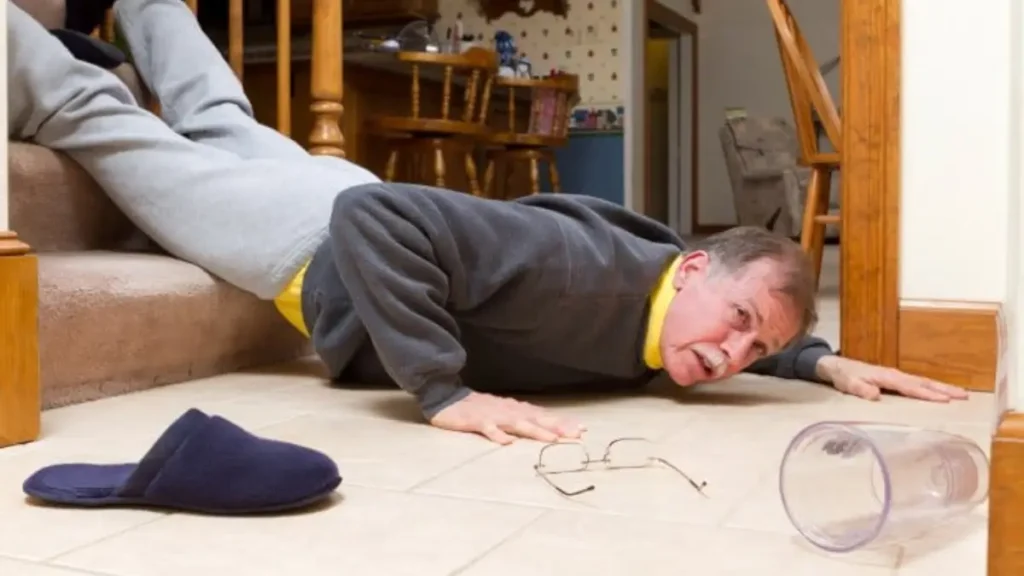
Here’s a fact that surprised me: many falls happen at night, when vision is low and people are tired. I never realized how risky those late-night trips to the bathroom could be until I heard a neighbor’s story — a simple stumble in the dark led to weeks of recovery.
Here’s what I do to make nights safer:
- Nightlights at bedroom entrances: You want the path from bed to bathroom clearly visible.
- Motion sensor strips along floor edges: These illuminate automatically, guiding you safely without flipping switches.
- Keep essentials within reach: Place your phone, walker, or cane near the bed so you’re not rushing in the dark.
Even simple steps like these — highlighted by sources like the Mayo Clinic News Network — can prevent a major accident. When I applied them at home, I felt instantly more secure walking around after lights out.
Behavior & Habit Changes to Move Safely
You might think falls are just about your environment, but honestly, how you move matters just as much. I’ve caught myself rushing down the stairs or standing up too fast, and it’s shocking how easily a little habit can turn into a fall.
Here’s what I do — and what I suggest you try too:
- Stand up slowly: Especially in the morning, rising gradually prevents dizziness and balance loss.
- Be mindful on stairs: Always place your full foot on each step; don’t rush.
- Pause before multitasking: Carrying things while walking can distract you — I keep trips light and focused.
- Engage your core: Small posture habits, like tightening your stomach while moving, give extra stability.
By adjusting these small daily behaviors, you’ll notice you feel more confident moving around your home, and the risk of sudden slips goes way down.
Vision, Health, and Medication Checks
I learned early that home safety isn’t just about the floor or lighting. Your body plays a huge role too. Poor vision, unsteady balance, or side effects from medications can turn a small misstep into a serious fall.
Here’s how I stay on top of it:
- Annual vision checks: Even mild changes in eyesight can increase fall risk.
- Review medications: Some prescriptions cause dizziness — I check with my doctor to adjust timing or dosage.
- Manage chronic conditions: Balance, joint pain, or neuropathy issues all affect stability.
Taking care of yourself inside your body makes your home feel that much safer. It’s one of those steps most people overlook, but it’s essential.
Balance & Strengthening Routines
You don’t have to be a fitness freak, but keeping your body strong is surprisingly effective in preventing falls. I started with small exercises, and honestly, I felt more stable within a week.
Try incorporating these:
- Leg lifts or squats: Simple daily movements improve leg strength.
- Tai chi or gentle stretches: Excellent for balance and coordination.
- Heel-to-toe walks: Practiced along a hallway, they sharpen your foot placement awareness.
- Consistency over intensity: Even 10–15 minutes a day works better than an hour once a week.
Strong legs and a steady core reduce the risk of a tumble far more than you might think. It’s not just exercise — it’s investing in your independence.
Smart Tech & Safety Tools for Fall Prevention
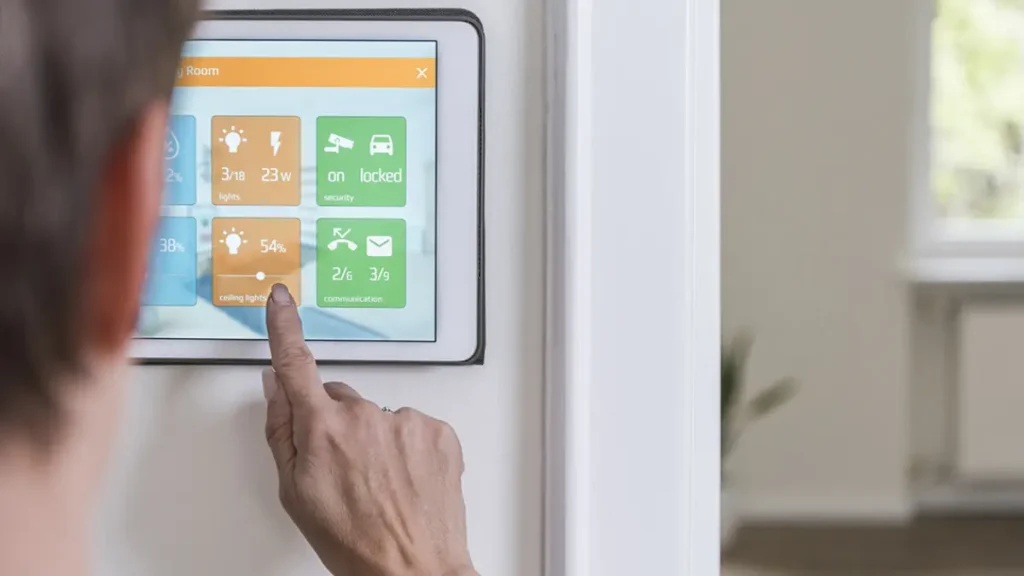
Here’s where modern homes really shine. I was skeptical at first, but motion sensors, smart lighting, and wearable fall detectors can give peace of mind you can literally feel.
Some of my favorites:
- Motion-activated lights: Automatically illuminate dark paths at night.
- Wearable fall detectors: Devices that alert family or emergency services if you fall.
- Smart home reminders: Timers or voice assistants reminding you to take medication or check walking paths.
These tools act as a safety net — even if you’re tired or distracted, technology has your back. I personally installed motion lights in my hallway, and I sleep better knowing the path is always lit.
Room-by-Room Risk Breakdown Cheatsheet
Finally, I want you to walk through your home with a checklist. I do this quarterly — and it’s amazing how many small risks you discover. Breaking it down by room makes it actionable:
- Entrance & hallways: Clear clutter, add rugs with anti-slip backing, and ensure proper lighting.
- Kitchen: Store frequently used items within reach, clean up spills immediately.
- Bathroom: Grab bars, non-slip mats, shower chairs.
- Bedroom: Nightlights, clear path from bed to bathroom, remove loose rugs.
- Outdoor areas: Ensure steps, porches, and walkways are well-lit and free of debris.
I’ve even created a mini checklist on my phone to tick off each room — it takes 10 minutes, and it gives a huge sense of control. You’ll feel instantly safer and more prepared.
In the kitchen, small mistakes like leaving spills unattended or storing items unsafely can be risky — avoid common pitfalls that even food experts warn against.
Keep Your Home Safe — One Step at a Time
Looking back, the truth is simple: preventing falls isn’t about making your home perfect overnight. It’s about taking small, consistent steps that keep you and your loved ones safe. From clearing clutter and adding nightlights to checking your health and building balance, every little habit counts.
I’ve applied these strategies myself, and I can tell you — the peace of mind is immediate. You start noticing how effortless it feels to move around your home, and that confidence alone reduces the risk of accidents.
Now, I want to hear from you: which of these fall-prevention tips will you start with today? Take a walk through your home, spot one small change, and act on it. Share your experience — you might inspire someone else to make their home safer too.
If you want more practical home safety and family well-being tips, check out our updates on X and join our community on Facebook for discussions, tips, and shared experiences.
Disclaimer: This article is for informational purposes only and is not a substitute for professional medical advice. Always consult a qualified healthcare provider for concerns about fall prevention or health conditions. The author and website are not responsible for any injuries or accidents that may occur.